Pennsylvania Bobcat Permit Rules
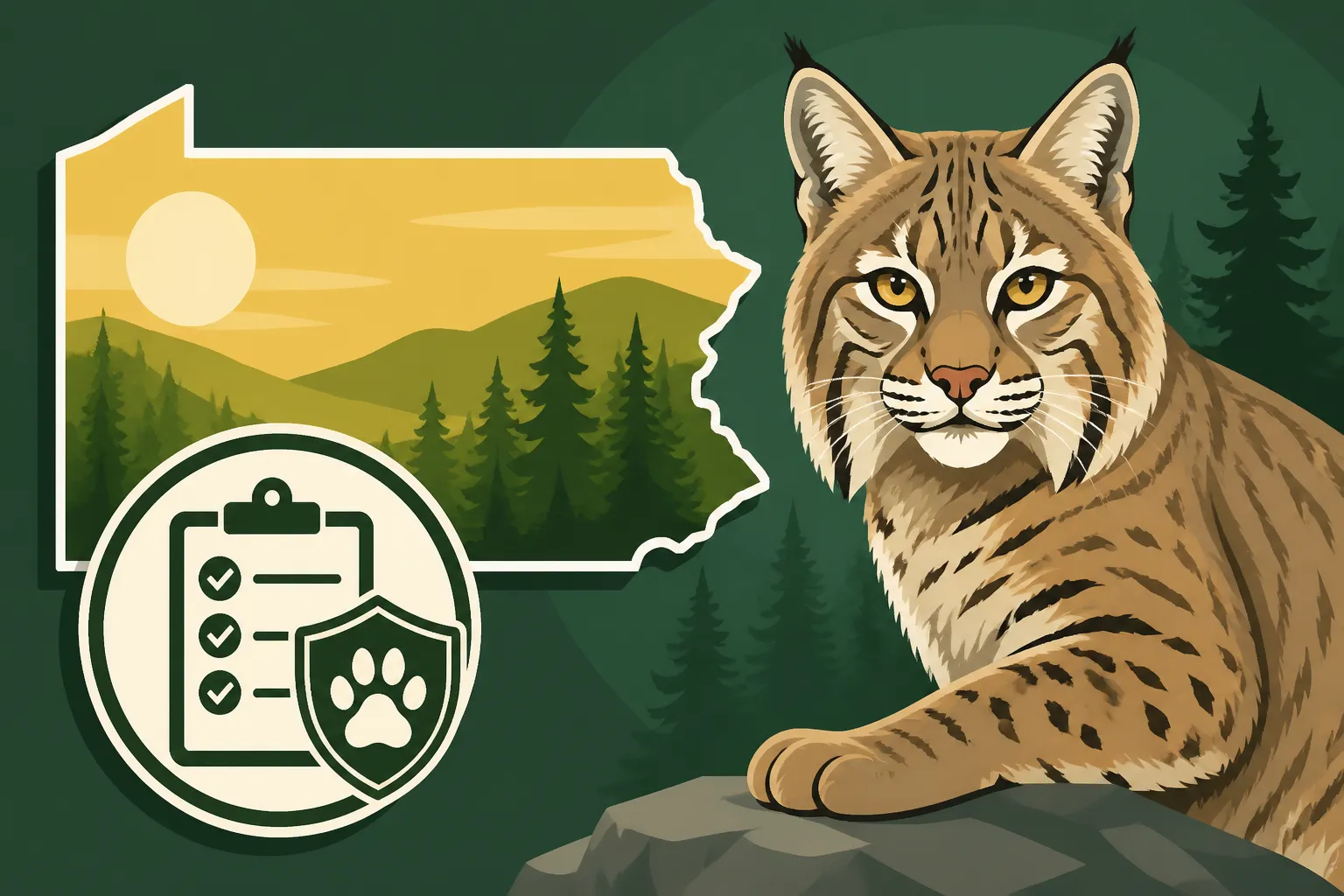
Hunting bobcats in Pennsylvania is a truly unique and challenging pursuit, but one of the biggest initial hurdles many hopeful hunters and trappers face is understanding the specific permit rules. It’s not a species you can just chase with your general hunting or furtaker license; there’s an additional, highly competitive permit system in place, and figuring out how it all works can feel like deciphering ancient scrolls. This guide is here to break down the Pennsylvania bobcat permit rules, helping you navigate the process from application to ethical harvest.
The Bobcat Permit: Your Golden Ticket to a Furtaker's Dream
For many, the elusive bobcat represents the pinnacle of predator hunting and trapping in Pennsylvania. These secretive felines are intelligent, cautious, and incredibly challenging to pursue, making success all the more rewarding. However, due to their lower population numbers compared to coyotes or foxes, the Pennsylvania Game Commission (PGC) regulates their harvest through a limited permit system. This means you can't just head out with your regular license; you need to win a permit in a lottery.
Why Bobcat Permits are So Strictly Controlled
The bobcat permit system isn't just a bureaucratic hurdle; it's a critical tool for wildlife management. Bobcats are an important part of Pennsylvania's ecosystem, acting as apex predators in many areas. While their population has rebounded significantly from historic lows, careful management ensures their numbers remain healthy and sustainable for future generations. The limited permits allow the PGC to control harvest pressure, especially in specific Wildlife Management Units (WMUs), preventing overharvesting and maintaining a stable population curve. Think of it like elk tags in other states – it’s about managing a precious resource. This conservation-minded approach is why you need more than just a standard Pennsylvania Furtaker Licence Requirements.
Distinguishing the Bobcat Permit from Other Licenses
It's easy to get confused with all the different licenses required for hunting and trapping in Pennsylvania. First and foremost, to legally hunt or trap any furbearer, you need a valid hunting license. If you plan to trap bobcats (or any other furbearer), you also need a Furtaker License. But here's the crucial part: the bobcat permit is an additional permit on top of both your hunting and furtaker licenses. It's species-specific, and it's obtained through a lottery. This means you'll typically be paying for your general hunting license, potentially a furtaker license, and then the application fee for the bobcat permit, which, if drawn, then converts into the actual permit fee. Understanding these layers is key to ensuring you're fully compliant when you're out Predator and Furbearer Hunting in Pennsylvania.
Deciphering the Application and Drawing Process
So, you've decided you want to try for a bobcat. Great! Now comes the part that can feel a little bit like the Hunger Games for hunters – the application and drawing process. It’s competitive, it requires attention to deadlines, and patience is a virtue.
Eligibility and the Application Method
First things first, who can even apply? Both Pennsylvania residents and non-residents are eligible to apply for a bobcat permit, provided they meet the general age and hunter education requirements. If you're new to hunting in PA, make sure you've completed your Pennsylvania Hunter Education Requirements well in advance. The application window is usually in late summer or early fall, preceding the season. The primary way to apply is online through the Pennsylvania Game Commission's official website. You'll typically log into your huntfish.pa.gov account, navigate to the "Purchase License/Permits" section, and look for the bobcat permit application option. There's usually a small application fee, which is non-refundable whether you're drawn or not. It's critical to pay close attention to the announced deadlines, as missing them means you're out of luck for the entire season. Unlike some other states, Pennsylvania does not use a preference point system for bobcat permits; it's a straight lottery draw each year, meaning everyone starts on equal footing regardless of how many times they've applied in the past.
The Bobcat Drawing Lottery and Notification
Once the application period closes, the PGC conducts the random drawing. This is where the tension builds! A limited number of permits are allocated across the state, and competition can be fierce, especially for certain WMUs. The actual number of permits available can vary slightly year to year based on population assessments. You won't get a physical piece of paper in the mail right away telling you if you won. Typically, successful applicants will be notified via email, and the results will also be posted on the PGC website. If you are drawn, you then have a window to claim and pay for your permit fee. Don't drag your feet on this! Missing the payment deadline means you forfeit your permit, and it will likely be offered to an alternate. It's a good practice to set calendar reminders for both the application deadline and, if drawn, the payment deadline.
Strategizing Your WMU Choice for Bobcat Success
When you apply, you'll be asked to select your preferred Wildlife Management Units (WMUs) in order. This is a critical decision and where a little research can go a long way. Bobcat permits are allocated by WMU, and some WMUs have significantly more permits than others, while some might have none at all. The PGC publishes the bobcat permit allocations for each WMU annually, so check their website for the most current information.
- High-Population, High-Competition WMUs: WMUs in the northern and central parts of the state, often within the "Big Woods" regions, tend to have higher bobcat populations and, consequently, higher permit allocations. However, these also tend to be the most popular choices, meaning more competition for those permits.
- Lower-Population, Lower-Competition WMUs: Some WMUs might have fewer bobcats, but also fewer applicants, potentially increasing your statistical odds of drawing a permit. You'll need to weigh your desire to hunt a specific area against your chances of actually getting a tag.
- Researching Success Rates: While the PGC doesn't always publish specific drawing odds per WMU, you can infer some insights by looking at past allocations and knowing which areas are popular. Tools like GoHunt can provide valuable data overlays on maps, helping you identify potential bobcat habitat within various WMUs. Though primarily known for Western big game, GoHunt's detailed mapping features, including public land boundaries and topographical data, are incredibly useful for identifying suitable habitat and access points within your chosen WMU, especially once you secure a permit. This type of information is crucial for Scouting Pennsylvania Public Land Before Season for any species, bobcats included.
Consider the following table, which illustrates typical (though subject to change annually) bobcat permit allocations by WMU. This is purely for example, always consult the current PGC digest:
| WMU | Approximate Annual Bobcat Permit Allocation | Typical Bobcat Habitat | Notes |
|---|---|---|---|
| 2F | 100-120 | Northern Hardwoods | Popular, good success rates |
| 2G | 120-140 | Central Mountains | Very popular, dense forest |
| 3A | 80-100 | Northeast Forests | Strong bobcat presence |
| 3B | 70-90 | Northeastern Plateaus | Mix of forest and farmland |
| 4D | 60-80 | South Central Mountains | Moderate population |
| 5C | 0 | Southeast Farmland | No bobcat season |
Note: This table is illustrative. Always check the current PGC hunting and trapping digest for exact, up-to-date permit allocations by WMU.
Essential Regulations and Ethical Considerations
Drawing a bobcat permit is a huge step, but it's just the beginning. Once you have that coveted piece of paper (or digital confirmation), you need to be intimately familiar with the regulations governing hunting and trapping this species, as well as the ethical responsibilities that come with pursuing such a magnificent animal.
Season Dates and Bag Limits
Pennsylvania's bobcat season dates are generally quite specific and often coincide with or overlap with other furbearer seasons. There will be separate dates for hunting and trapping, and these are typically short seasons to further manage harvest. For instance, the bobcat hunting season might run for a few weeks in October or November, while the trapping season might run for several weeks during the core winter months. Always consult the current PGC hunting and trapping digest for precise season dates, as these can change annually. The bag limit for bobcats is usually one per person per license year. This means if you are fortunate enough to harvest a bobcat, your permit is fulfilled, and your season for that species is over. It’s a true trophy animal, and that single-animal limit reinforces its special status. For more general information on furbearer seasons, check out Pennsylvania Trapping Season Opening Dates.
Tagging, Reporting, and CWD Compliance
Just like deer or bear, a bobcat harvest comes with strict tagging and reporting requirements. As soon as you harvest a bobcat, you must immediately affix the tag provided with your permit to the animal. This tag must remain attached until the animal is processed for consumption or taxidermy. Within a specific timeframe (usually 24-48 hours), you are required to report your harvest to the PGC. This can often be done online through your huntfish.pa.gov account or by calling a toll-free number.
Furthermore, bobcats are predators and scavengers, and while less common than in deer, understanding Pennsylvania CWD Carcass Rules and general disease prevention is wise. While specific CWD testing for bobcats isn't typically required, if you harvest a bobcat in a Disease Management Area (DMA), be aware of any carcass movement restrictions that might apply. Always err on the side of caution and check the most current PGC regulations concerning DMAs, even for furbearers, to prevent any potential spread of wildlife diseases.
Ethical Hunting and Trapping Practices
Beyond the legal requirements, ethical considerations are paramount when pursuing bobcats. These are wild, valuable animals, and every effort should be made to ensure a quick, humane harvest.
- Hunting: If you're Bobcat Hunting in Pennsylvania with a firearm, use appropriate calibers and shot placement to ensure a clean kill. Understand bobcat behavior and anatomy to maximize your chances of a humane shot. Avoid shots that are low percentage or could wound the animal without recovery.
- Trapping: For trappers, ethical practices mean checking traps frequently, using appropriate trap types and sizes to minimize injury to the animal, and taking measures to prevent non-target species capture. Quick dispatch is crucial for any furbearer caught in a trap.
- Respect for the Resource: Both hunters and trappers should practice restraint and respect for the animal. A bobcat permit is a privilege, not a right. Take care of the animal after harvest, whether you plan to consume the meat (yes, bobcat is edible!) or have the pelt tanned or mounted. This level of respect for the game is a hallmark of all responsible Pennsylvania Hunting Licences and What They Cost holders.
Leveraging Resources for Your Bobcat Pursuit
Even after securing your permit, success in bobcat hunting or trapping relies heavily on preparation and utilizing available resources. These elusive animals demand a high level of scouting and understanding of their habitat.
GoHunt and Other Digital Scouting Tools
While GoHunt's primary focus leans toward Western big game, its mapping capabilities are universally beneficial for any serious hunter or trapper in Pennsylvania. Once you have your permit in hand and know your WMU, GoHunt can be an invaluable asset for planning your hunt. You can:
- Identify Prime Habitat: Utilize satellite imagery, topographical maps, and vegetation layers to pinpoint areas with dense cover, rocky outcrops, remote ravines, and water sources – all crucial elements of bobcat habitat. Look for transition zones where different habitat types meet.
- Public Land Navigation: Clearly see public land boundaries (State Game Lands, State Forests, Allegheny National Forest) within your WMU. This helps you identify access points and plan your movements without trespassing. When you’re trying to find Hunting Pressure on Pennsylvania Game Lands, these mapping tools are indispensable.
- Terrain Analysis: Bobcat hunting often involves rugged terrain. GoHunt's topographic features can help you understand elevation changes, drainages, and potential travel corridors for bobcats, allowing you to plan your approach and stands more effectively. You might even find parallels with how you'd scout for deer, like reading contours to identify Hunting Oak Ridges and Benches.
- Weather Overlays: While not bobcat-specific, current weather and historical data overlays can help predict animal movement and plan your hunt around optimal conditions.
Other digital tools, like the Pennsylvania Game Commission's online mapping center, also provide excellent public land data and aerial imagery to aid your scouting efforts.
PGC Resources and Community Knowledge
Beyond digital tools, the Pennsylvania Game Commission's official website is a treasure trove of information. Always check the current hunting and trapping digest for the latest regulations, season dates, and WMU-specific details. They also often publish reports on furbearer populations and management efforts that can offer insight into bobcat distribution and health.
Don't underestimate the value of local knowledge and community connections. Joining a local trapping or predator hunting club can provide invaluable mentorship and shared experiences. Experienced trappers, in particular, often have a deep understanding of bobcat behavior and habitat. Attending PGC public meetings or workshops related to furbearers can also connect you with experts and fellow enthusiasts. For example, if you're interested in calling tactics, you might find overlap with techniques used for Coyote Calling in Pennsylvania Winter or even Night Hunting Rules for Pennsylvania Coyotes. The more you learn from various sources, the better equipped you'll be for a successful and ethical bobcat pursuit.
Disclaimer
Please note: Hunting and trapping regulations, including permit rules, season dates, and bag limits, are subject to change annually by the Pennsylvania Game Commission. Always consult the most current official Pennsylvania Hunting and Trapping Digest or the PGC website (pgc.pa.gov) before planning or participating in any hunting or trapping activities. This article is for informational purposes only and does not supersede official regulations.