When the Four-Day Bear Firearms Season Runs
Missing the incredibly short, yet intensely exciting, Pennsylvania bear firearms season is a heartbreaker for any hunter. With only a few precious days, knowing exactly when to be in the woods and where to focus your efforts is critical to success. This guide will walk you through the specifics of the general bear firearms season in Pennsylvania, covering its critical dates, regional variations, and how to best prepare for this challenging hunt.
Understanding Pennsylvania's General Bear Firearms Season
For many, the general bear firearms season in Pennsylvania is a cherished tradition, a chance to pursue one of the state's most formidable big game animals. However, it's also notorious for its brevity, often lasting just a handful of days. This compressed timeframe adds to the challenge and excitement, making meticulous planning absolutely essential.
The Short Window of Opportunity
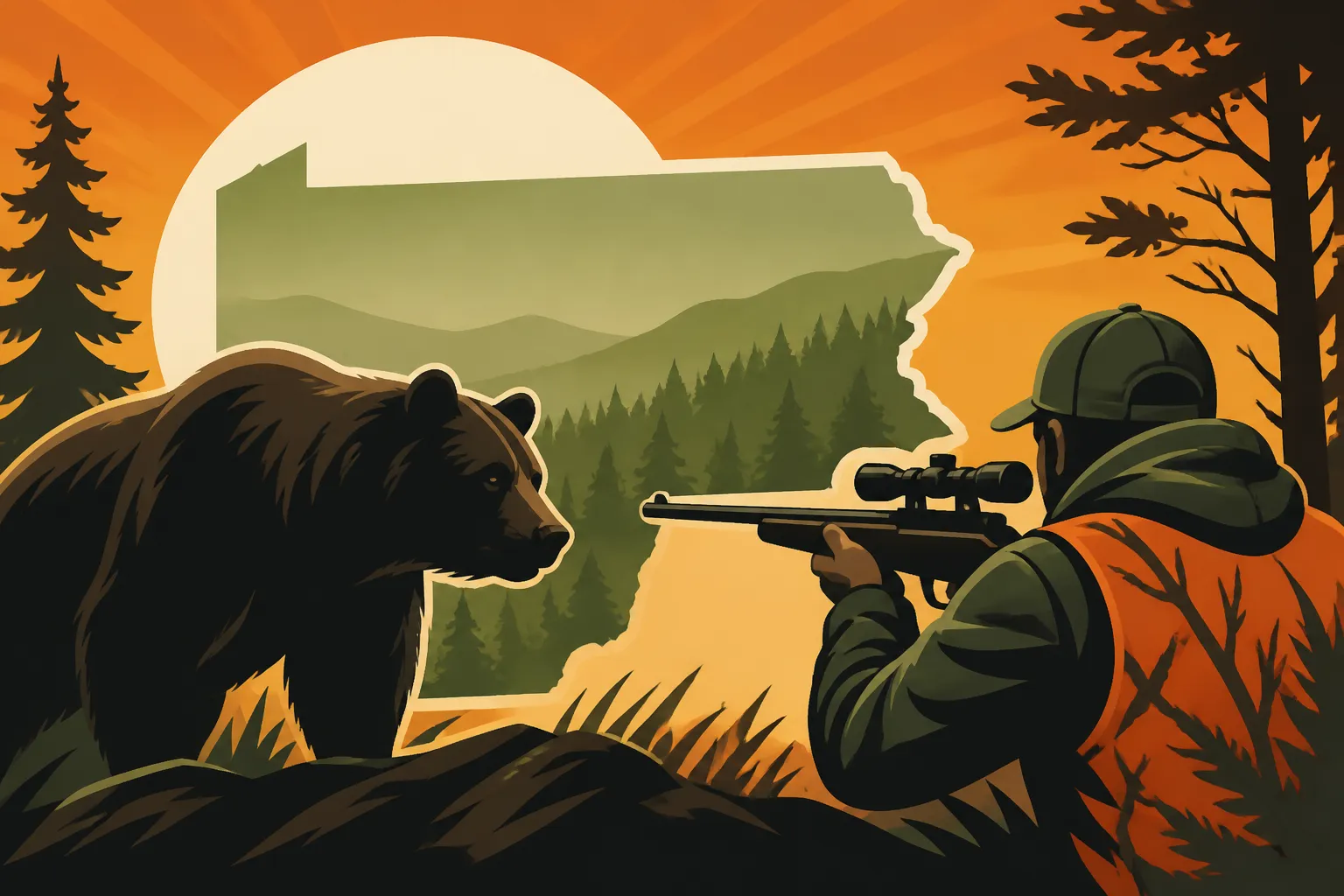
The primary, statewide bear firearms season in Pennsylvania is generally a very short window, typically spanning just four days, usually from a Saturday through the following Tuesday in mid-November. This short season is designed to manage the state's robust black bear population effectively without over-harvesting, ensuring a healthy population for future generations. While the exact dates can shift slightly year to year, this mid-November timeframe often places it right before or overlapping with the start of the traditional firearms deer season in many areas. For instance, in a recent year, the season ran from November 18-21. You absolutely must check the official Pennsylvania Game Commission (PGC) digest each year to confirm the exact dates for the current season, as failing to do so could mean missing your opportunity entirely or, worse, hunting out of season. It’s a fast-paced, high-stakes hunt where every minute in the woods counts.
Why the Dates Matter So Much
The specific timing of the bear firearms season isn't just a matter of checking a calendar; it profoundly impacts everything from bear behavior to hunter density. Bears in mid-November are typically in their pre-denning phase, actively gorging on available food sources to build up fat reserves for winter hibernation. This makes understanding food availability and recent weather patterns crucial. If there's been an abundant acorn crop, bears might be spread out in oak ridges, while a poor mast crop might concentrate them in areas with remaining soft mast or agricultural fields.
Furthermore, the timing often creates a unique hunting atmosphere. Because it’s so short and often precedes the main deer rifle season, hunter pressure can be intense, especially on public lands. This pressure can push bears into thicker cover or force them to become more nocturnal. If you plan on Hunting Pennsylvania's Big Woods for Deer later in the season, understanding how this early bear pressure might shift deer patterns is also a good idea. Knowing these dates allows you to scout effectively, plan your time off work, and coordinate with any hunting partners. It also means you need to have all your licenses, including your general hunting license and your specific Pennsylvania Bear Seasons and Licences, purchased and ready well in advance. No last-minute scrambles!
Regional Variations and Extended Seasons
While the general four-day firearms season is the backbone of bear hunting in Pennsylvania, it’s not the whole story. The PGC employs a strategic approach to bear management, which includes various seasons and opportunities that cater to different regions and hunter preferences. It’s crucial to understand these variations to maximize your chances and comply with regulations.
Extended Bear Seasons in Specific WMUs
Pennsylvania's bear population is not evenly distributed across the state. In some areas, particularly in certain Wildlife Management Units (WMUs) with high bear densities or those bordering urban and suburban areas, extended bear firearms seasons are often implemented. These extended seasons provide additional hunting opportunities and serve as a vital tool for local population control, helping to mitigate human-bear conflicts. These extended seasons typically occur after the general statewide season, often overlapping with the start of the regular firearms deer season or even later into December.
For example, WMUs in the southeastern part of the state, or those with rapidly expanding bear populations, might have extended firearm seasons. These extended dates mean more opportunities for hunters, but they also bring unique challenges. You might be hunting concurrently with deer hunters, which increases hunter density and necessitates even greater awareness of safety zones and proper identification of your target. Checking the specific Extended Bear Seasons by WMU in the official PGC digest is non-negotiable every single year. These extended opportunities are a testament to the success of Pennsylvania's bear management, allowing for additional harvest where it's needed most.
The Bear Archery and Muzzleloader Seasons
Beyond the main firearms season, Pennsylvania offers other fantastic opportunities to hunt black bears. The archery bear season typically opens earlier in the fall, often concurrently with the deer archery season, usually around mid-October. This season offers a more primitive, intimate hunting experience, requiring hunters to get incredibly close to their quarry. Similarly, there is a bear muzzleloader season, usually following the archery season and preceding the general firearms season. These seasons, while shorter and often more challenging due to the equipment, provide early chances to harvest a bear.
For hunters who prefer different methods or want to expand their time in the woods, these earlier seasons are excellent alternatives. Archery and Muzzleloader Bear Tactics can be quite different from firearms hunting, often involving more extensive scouting for prime food sources like acorns or beech nuts, and more deliberate, slower approaches. The key takeaway is that bear hunting in Pennsylvania isn't just confined to those four intense days in November; there are multiple avenues to pursue a bear, each with its own specific regulations, challenges, and rewards. Each method requires a dedicated bear license, so make sure you have the correct tag for the season you plan to hunt.
Preparing for the Bear Firearms Season
Successfully hunting a Pennsylvania black bear isn't about luck; it's about preparation. With the season being so short, and bears being intelligent, elusive creatures, you need to maximize every advantage. This means thorough scouting, the right gear, and a solid understanding of effective hunting tactics.
Essential Gear and Scouting Ahead of Time
The importance of pre-season scouting for bear cannot be overstated, especially when you're facing a short, high-pressure season. Bears are constantly on the move, following food sources, and their patterns can change rapidly based on mast crops, weather, and hunting pressure. Weeks, or even months, before the season opens, you should be out in the woods looking for fresh sign. This includes tracks, scat, torn-up logs from foraging, and rub trees. Tools like GoHunt's robust mapping features can be invaluable for identifying potential travel corridors, dense cover, and historical feeding areas. Utilize these digital maps to mark sightings and sign, helping you build a comprehensive picture of bear activity.
When it comes to gear, you need to be prepared for rugged terrain and potentially cold, wet weather. Bear Hunting Gear in Pennsylvania should prioritize reliability and functionality. For firearms, a powerful, accurate rifle chambered in a cartridge like .30-06, .308, or .300 Win Mag is a common choice, offering sufficient energy for a clean kill on a large animal. Check out Rifle Calibers for Pennsylvania Bear for a deeper dive into suitable options. Binoculars are essential for scanning thick cover, and a good rangefinder can help you confirm distances in the varied Pennsylvania terrain. Don't forget durable, waterproof boots and layered clothing, as you'll likely be covering a lot of ground in challenging conditions.
Tactics for a Short, High-Pressure Hunt
The limited duration of the general firearms season, combined with the fact that many hunters are out, means you need well-thought-out tactics. Still-hunting, a method where you move slowly and deliberately through the woods, stopping frequently to observe and listen, can be incredibly effective when done correctly. This technique is particularly good for penetrating dense cover where bears might be holed up. You'll want to focus on areas where you’ve found fresh bear sign, paying close attention to wind direction to avoid giving away your presence.
Another popular and often successful tactic, especially on public lands or in larger groups, is organizing bear drives. Bear Drives in Pennsylvania can push bears out of thick bedding areas toward waiting standers. This requires careful coordination, good communication, and strict adherence to safety protocols. If you're hunting alone or in a small group, identifying strategic stand locations overlooking prime feeding areas or known travel routes can also yield results. The key is to be flexible and adapt your strategy based on conditions, hunter pressure, and recent bear activity. Remember, bears often retreat to the nastiest, thickest cover once pressure begins, so don't be afraid to hunt those spots that others might avoid.
Finally, while not directly related to season dates, always prioritize ethical shot placement. Bears are tough animals, and a well-placed shot is crucial for a quick, humane harvest. If you're successful, knowing how to field dress and handle your bear quickly and efficiently, especially in warmer conditions, is also vital for the quality of the meat.
Here's a quick overview of typical Pennsylvania bear season dates:
| Season Type | Typical Opening Date (Approx.) | Typical Closing Date (Approx.) | Notes |
|---|---|---|---|
| Archery Bear | Mid-October (Saturday) | Late October/Early November | Often overlaps with archery deer season. |
| Muzzleloader Bear | Late October (Saturday) | Early November | Specific dates often follow archery season. |
| General Firearms Bear | Mid-November (Saturday) | Mid-November (Tuesday) | The primary four-day statewide firearms season. |
| Extended Firearms Bear (WMU) | Late November (Wednesday) | Early December | Specific WMUs only; check digest annually. |
Remember, these are typical dates and can vary slightly year to year. Always consult the official PGC hunting and trapping digest for the most current and accurate information.
Disclaimer
The information provided in this guide is for general informational purposes only and is not a substitute for official regulations. Hunting seasons, dates, and rules are subject to change annually by the Pennsylvania Game Commission. Always consult the most current Pennsylvania Hunting and Trapping Digest or the PGC website before planning any hunting activities to ensure compliance with all laws and regulations.