Pennsylvania Pheasant Season Dates
Trying to keep track of all the different hunting seasons in Pennsylvania can feel like a full-time job, especially when you're eager to hit the fields for pheasants. It's frustrating to plan your trips, only to realize you've missed a critical date or overlooked a permit requirement. This guide is here to untangle the complexities of Pennsylvania's pheasant season dates, the necessary permits, and offer some real-world advice to make your next upland hunt a success.
Understanding Pennsylvania's Pheasant Season Structure
Pennsylvania's pheasant hunting season is a cherished tradition for many, but it operates under a specific framework that differentiates it from hunting other small game. Unlike wild grouse or rabbits that rely solely on natural populations, Pennsylvania's pheasant hunting is largely sustained by a robust stocking program. This means understanding the Game Commission's schedule is key to finding birds. The season is generally split into a few distinct phases, primarily to accommodate different hunter demographics and to maximize opportunity while managing resources effectively.
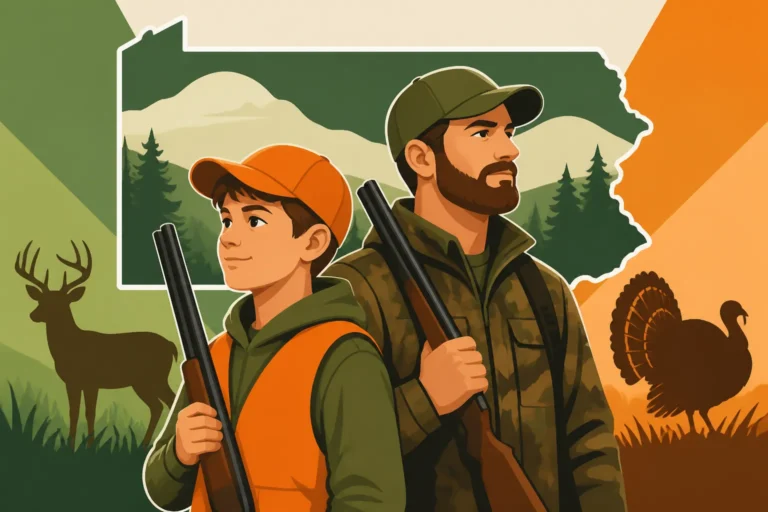
Firstly, there's a special season dedicated to our youngest hunters, known as the Junior Hunter Mentored Youth Pheasant Season. This early opening is a fantastic initiative designed to introduce kids to the sport in a less pressured environment. It typically kicks off in late September or early October, giving youth hunters a head start before the main rush. This period is a golden opportunity for mentors to teach crucial safety lessons, proper etiquette, and the pure joy of watching a dog work a field without the competition often found during the regular season. For adults, remember, while you can accompany a mentored youth, you generally cannot carry a firearm or hunt pheasants yourself during this specific youth-only opener unless you are a Mentored Adult.
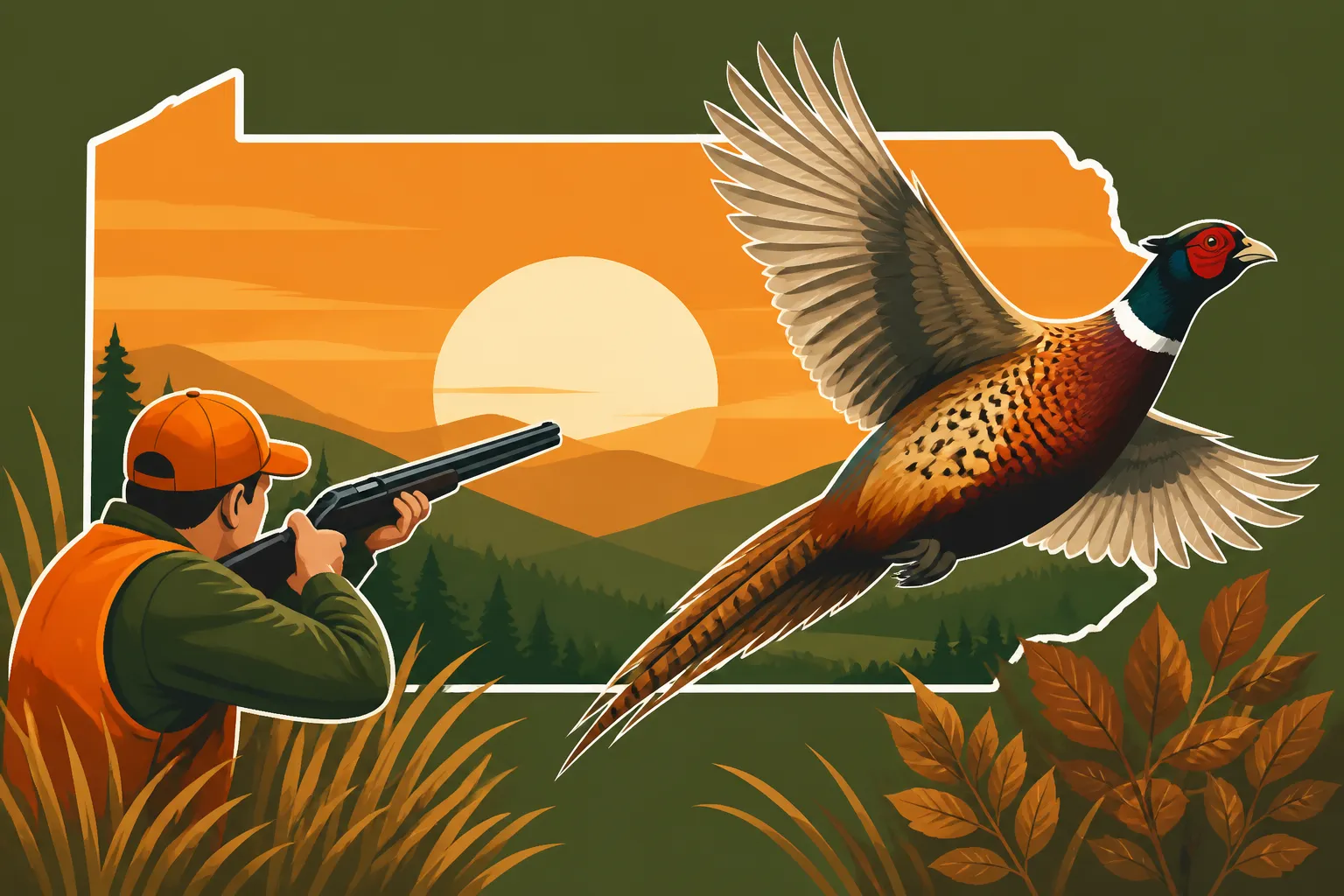
Following the youth hunt, the Regular Pheasant Season opens statewide, usually in mid-October. This is the period most upland hunters eagerly await. It runs consistently through late November, providing several weeks of opportunity across various stocked areas. During this time, the fields, brush rows, and coverts of Pennsylvania come alive with hunters and their dogs, all hoping for the explosive flush of a ringneck pheasant. It’s important to note that while the season is statewide, the actual availability of birds is concentrated on lands where the Pennsylvania Game Commission (PGC) actively releases pheasants, including State Game Lands, some State Forests, and cooperative private lands enrolled in their public access programs. Checking the PGC website or using mapping tools like GoHunt to pinpoint these release sites beforehand is always a smart move.
Diving Deeper into Specific Season Dates and Zones
While the general framework is helpful, the devil is in the details, and pheasant season dates can have nuances. It's not just a single opening and closing; there are specific periods to be aware of, and understanding them can significantly impact your hunting plans.
The Junior Hunter Mentored Youth Pheasant Season, as mentioned, usually starts on the last weekend of September and runs for about a week. This short, focused window is solely for those under 17 participating in the mentored youth program. It’s a wonderful way to foster a love for hunting early on. You can find more specific details on the exact dates each year by checking the official PGC hunting and trapping digest, which is usually released in the summer. Remember, the rules around Pennsylvania Hunter Education and Mentored Permits are vital here to ensure everyone is legal and safe.
The Regular Season then opens, typically around the second or third Saturday of October, and continues daily (except Sundays for certain species, though pheasants generally follow the small game rules which include some Sunday hunting now) until the end of November. This is your prime time for hunting stocked pheasants. However, Pennsylvania also has an Extended Season in certain areas. This extended period usually kicks in right after the regular season concludes, running through late November and often into early December, sometimes even into January. These extended seasons are frequently found in specific Wildlife Management Units (WMUs) or on designated State Game Lands that receive additional stockings or are managed to hold birds longer. For example, some WMUs or specific pheasant recovery areas might have slightly different start or end dates, or different bag limits, so always consult the current year's digest for precise information. These variations are put in place to manage hunting pressure and provide additional opportunities where pheasant populations or stocking efforts allow.
| Season Type | Typical Start Date | Typical End Date | Target Hunters | Daily Bag Limit | Notes |
|---|---|---|---|---|---|
| Junior Hunter Mentored Youth Pheasant Season | Late September | Early October | Mentored Youth (under 17) | 1 | Adult mentors may not hunt pheasants; specific permit rules. |
| Regular Pheasant Season | Mid-October | Late November | All Hunters | 2 | Statewide, primary stocking period. |
| Extended Pheasant Season | Late November | Early December (or Jan.) | All Hunters | 2 | Specific WMUs/areas, check PGC digest annually. |
It's absolutely critical to pick up a physical copy of the annual PGC hunting and trapping digest or download the digital version. This small booklet is your bible for all things season dates, bag limits, and special regulations. Websites like GoHunt or the PGC's own online resources are fantastic for general information, but for the absolute, legally binding dates, the digest is the ultimate authority. Dates can shift slightly year to year based on various factors, so never rely on last year's memory. Checking for any updates regarding Pennsylvania Small Game Seasons and Bag Limits is a yearly ritual for seasoned hunters.
The Crucial Role of the Pennsylvania Pheasant Permit
Let's talk about the permit. This is one of those specific regulations that sometimes catches new hunters or those from out of state by surprise. If you plan to hunt pheasants in Pennsylvania, you absolutely need a Pennsylvania Pheasant Permit, unless you are a Mentored Youth hunter. It's a separate purchase on top of your general hunting license, and it's not optional.
The requirement for a pheasant permit has been in place for a while, and it serves a very important purpose: funding. The revenue generated from these permits goes directly back into the PGC's pheasant propagation program. Raising thousands of pheasants each year at state game farms, transporting them, and releasing them across suitable public and private lands is a significant undertaking. The permit fee helps cover the costs of feed, veterinary care, labor, and transportation, ensuring that hunters have robust opportunities to pursue pheasants each season. Without this permit system, the scale of the pheasant stocking program would be drastically reduced, impacting thousands of hunters.
So, who needs it? Any hunter aged 12 and older (the age at which you typically need to purchase a general hunting license) who intends to harvest pheasants must possess this permit. Mentored youth hunters, on the other hand, are exempt from needing the pheasant permit during their special youth season, which is another incentive to get young folks involved. This permit costs a modest fee, usually around $26-$27, which, when you consider the cost of raising and releasing pheasants, is a pretty good deal for the opportunities it provides. You can purchase your pheasant permit at any license issuing agent, just like your general hunting license, or conveniently online through the PGC's official website. Make sure you grab it well before your planned hunt, especially if you're targeting the earlier season dates. It's just as important as your general Pennsylvania Hunting Licences and What They Cost.
Maximizing Your Hunt: Tactics and Considerations Beyond Dates
Knowing the dates is only half the battle. To truly make the most of your pheasant hunting season, you need to think about where the birds will be, how to approach them, and critical safety measures.
Pennsylvania's pheasant program focuses heavily on stocking birds on public lands and private lands enrolled in the Hunter Access Program. These areas are specifically chosen because they offer suitable habitat post-release, such as dense brush, tall grasses, corn stubble, and weedy field edges. This means your scouting efforts should focus on identifying these designated release sites. The PGC often publishes a list or map of these areas online before the season starts. Utilizing detailed maps, even those found on apps like GoHunt, to identify promising habitat features within these known release sites can give you a significant advantage. Look for clearcuts, old farm fields that have gone fallow, or areas with thick cover near agricultural fields. Don't just drive past; pull over and walk some of these spots during the off-season to get a feel for the terrain and cover.
One of the biggest considerations for pheasant hunting, especially on opening day or weekends, is hunter density. Because the birds are stocked, and their locations are generally known, popular release sites can draw significant crowds. This isn't necessarily a bad thing, as more hunters can often keep birds moving, but it does mean heightened awareness is crucial. Adhering strictly to Pennsylvania Hunter Orange Rules is not just a suggestion; it's a legal requirement and a life-saving practice. A minimum of 250 square inches of blaze orange on your head, chest, and back is required when hunting small game. This high visibility is paramount when multiple hunters are in the same general vicinity. Communication with other hunters, even a simple wave or acknowledgment, can help prevent accidents.
Whether you hunt with a dog or not also impacts your strategy. A well-trained bird dog is undoubtedly the most effective tool for finding and flushing pheasants, especially wounded birds that might run and hide in dense cover. Dogs, particularly pointers or flushers, can cover ground more efficiently, scent birds from a distance, and retrieve downed game, significantly increasing your success rate and reducing crippling losses. If you're hunting without a dog, focus on methodical, slow walking through the thickest cover you can find. Push through hedgerows, briar patches, and the edges of standing corn or tall switchgrass. Pheasants love to hold tight, often flushing at your feet when you least expect it. Consider teaming up with a buddy or two to conduct small, organized pushes through cover. One hunter can be the "driver," pushing through a strip of cover, while others position themselves on the flanks or at the end to intercept flushing birds.
Finally, remember that the birds are often released shortly before the season, sometimes even during the season. This means that early season hunts, especially right after a stocking, can be highly productive. However, as the season progresses and birds are hunted, they become "wilder" and more dispersed. They'll learn to use natural cover more effectively and become much more challenging to find. This is where scouting, dog work, and knowing how to hunt Hunting Stocked Pheasant Release Sites really pay off. Be ready to walk, adjust your tactics, and enjoy the beautiful Pennsylvania landscape, regardless of your bag limit. And don't forget the importance of your shotgun choices for Pennsylvania small game and wearing the right Upland Vests and Blaze Orange to carry your shells and any harvested birds comfortably.
Disclaimer
The information provided in this article is for general guidance and informational purposes only. While we strive to offer accurate and up-to-date content, hunting regulations, season dates, and permit requirements in Pennsylvania can change. It is the responsibility of every hunter to consult the official Pennsylvania Game Commission (PGC) website and the current year's hunting and trapping digest for the most precise and legally binding information before heading afield. Always prioritize safety and adhere to all local, state, and federal hunting laws.