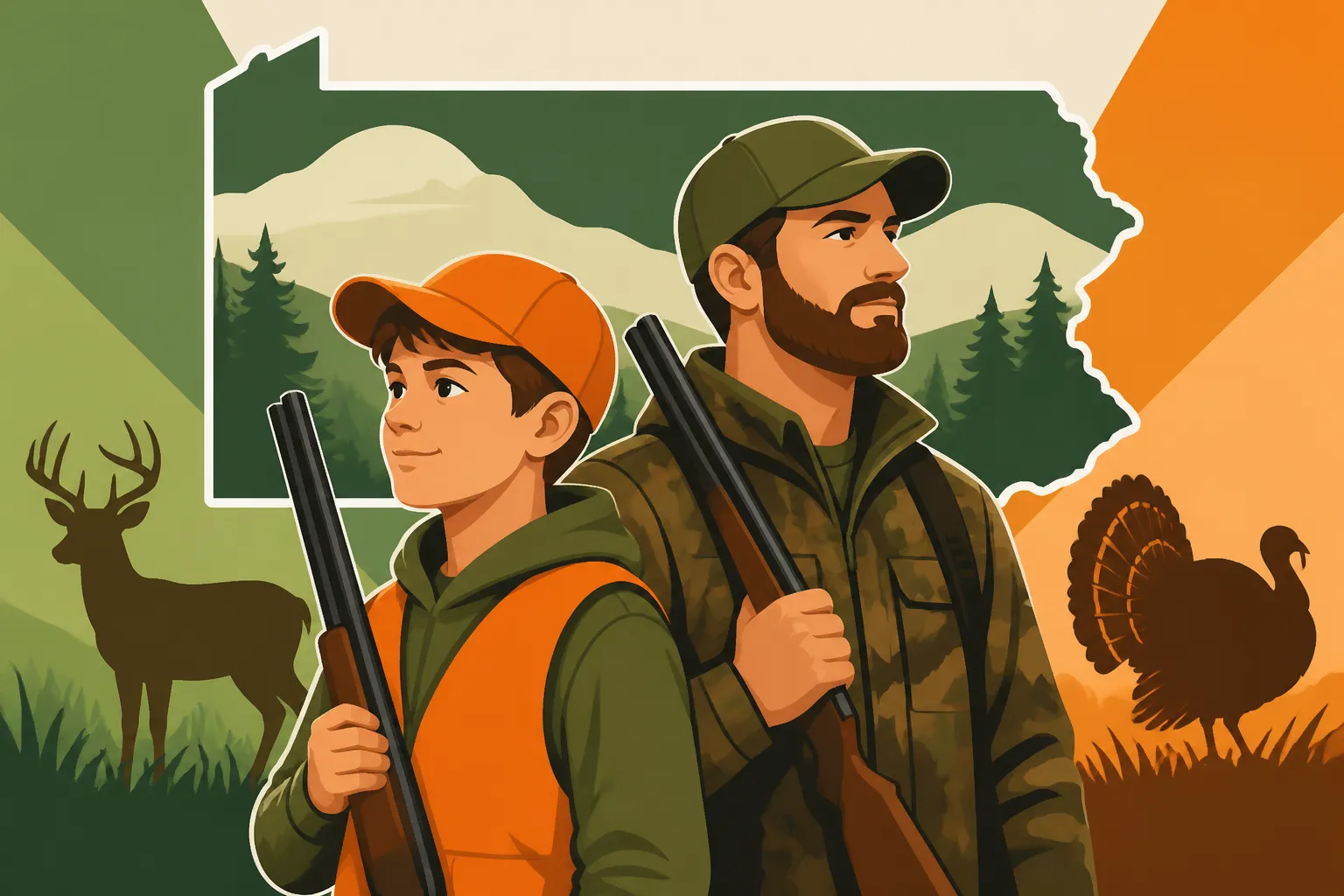
Junior and Senior Licences in Pennsylvania
Navigating Pennsylvania's hunting license system can feel like a puzzle, especially when you're trying to figure out the specific rules and costs for younger hunters or those enjoying their golden years. This guide is designed to demystify junior and senior hunting licenses in the Keystone State, explaining exactly who qualifies, what these permits entail, and how to acquire them, ensuring everyone from aspiring young outdoors enthusiasts to seasoned veterans can continue their passion for hunting without unnecessary headaches.
Understanding Pennsylvania's Junior Hunting Licenses
Bringing up the next generation of hunters is vital for the future of wildlife conservation and our cherished outdoor traditions here in Pennsylvania. The Game Commission makes provisions to encourage youth participation, primarily through the junior hunting license and the even earlier mentored youth permit system. It's a progressive pathway designed to introduce youngsters to the sport safely and responsibly.
Who Qualifies for a Junior License
A junior hunting license in Pennsylvania is specifically designed for hunters aged 12 through 16. This age bracket is crucial because it marks a significant step up from the Mentored Youth Permit program. To qualify for a standard junior license, a young hunter must have successfully completed a Pennsylvania Game Commission-approved Hunter-Trapper Education course. This isn't just a formality; it's a foundational requirement that ensures they understand firearm safety, wildlife identification, hunting ethics, and the state's game laws. Without that course completion, they cannot purchase a full junior hunting license.
The transition from a Mentored Youth Permit to a junior license is an important one. While a mentored youth can participate in hunting before age 12 under very strict supervision, the junior license grants them much more independence, allowing them to hunt certain species on their own, albeit still under the watchful eye and guidance of an adult. This step signifies a greater level of personal responsibility and understanding of hunting practices, which is exactly what the hunter education course aims to instill.
Cost and Benefits of Junior Licenses
The cost of a junior hunting license in Pennsylvania is significantly lower than an adult resident license, making it more accessible for families. Currently, a resident junior hunting license costs around $6.97, which is a fantastic value considering all it includes. This fee typically covers the general hunting license, allowing participation in various open seasons. Beyond the general license, juniors can also purchase additional stamps, such as archery or muzzleloader permits, often at a reduced rate or included with the general license, allowing them to participate in specialized seasons.
One of the most significant benefits for junior hunters is their priority in applying for antlerless deer licenses. Historically, the Pennsylvania Game Commission has allocated a specific, earlier sales period for junior and senior resident hunters for antlerless tags, giving them a better chance to secure a tag in their preferred Wildlife Management Unit (WMU). This not only encourages youth participation but also provides valuable opportunities for success, which can be a huge motivator for new hunters. Furthermore, junior licenses open up access to specific youth hunting opportunities, like special Youth Deer Hunt Dates and Rules, which are often held before general seasons begin. These early opportunities are designed to provide a less pressured environment for young hunters to learn and succeed, fostering a lifelong love for the outdoors.
Mentored Youth Permits: A Stepping Stone
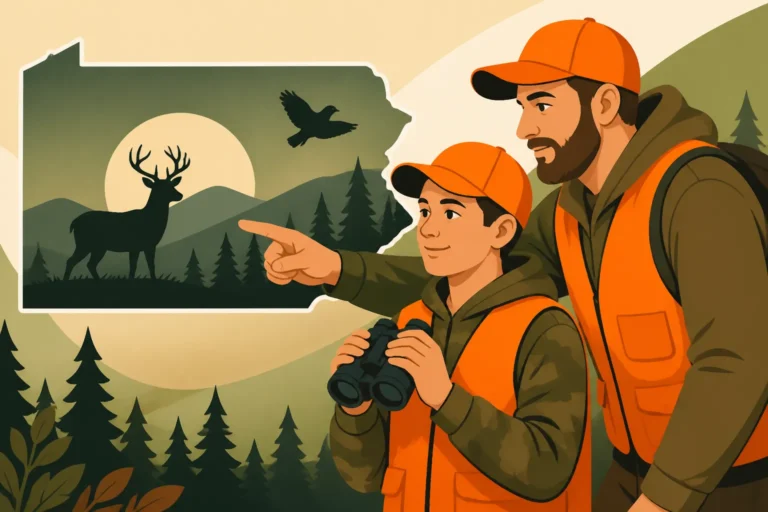
For children under the age of 12, Pennsylvania offers the Mentored Youth Permit, which acts as an excellent introduction to hunting without requiring prior hunter education. This permit, typically costing just a couple of dollars, allows very young children to accompany and participate with a licensed adult mentor. The rules for Mentored Youth Permits are stringent and safety-focused. The mentor, who must be at least 18 years old and possess a valid Pennsylvania hunting license, is fully responsible for the youth's actions, ensuring safe firearm handling and ethical hunting practices at all times.
Under the Mentored Youth Permit, the youth can legally hunt certain species, including deer, turkey, and small game. However, there's often a "one license, one firearm" rule, meaning the mentor and mentee cannot both be actively hunting with a firearm at the same time for the same species. For example, if the mentored youth is carrying a shotgun for pheasants, the mentor cannot also carry a shotgun for pheasants. This ensures that the primary focus remains on the mentored youth's learning and safety. It's a fantastic way for parents, grandparents, or other trusted adults to share their passion and pass down critical hunting skills, essentially acting as the perfect preview before the youngster is ready for formal hunter education and their own junior license.
Navigating Senior Hunting Licenses in Pennsylvania
Pennsylvania deeply values its seasoned hunters, recognizing the decades of experience and conservation contributions they've made. The state's senior hunting license program is a testament to this appreciation, offering reduced costs and long-term options to ensure that age doesn't become a barrier to enjoying our rich hunting heritage.
Eligibility for Senior Licenses
To qualify for a senior hunting license in Pennsylvania, a hunter must be 65 years of age or older. This age cutoff is strictly enforced and verified at the time of purchase. For Pennsylvania residents, the process is straightforward, requiring proof of age and residency, typically a valid Pennsylvania driver's license or state ID. The key distinction here is between residents and non-residents, as senior discounts are primarily aimed at those who have contributed to the state's wildlife fund through their residency over the years. Non-resident hunters, regardless of age, generally pay the higher non-resident fees for their licenses, though specific details can vary by year, so always check the latest regulations.
The proof of age and residency is critical for securing these discounted rates. When purchasing online through the Pennsylvania Game Commission (PGC) website or in person at a license issuing agent, hunters will need to provide accurate information. Having documents ready can make the process smooth, whether it's your first time buying a senior license or you're simply renewing an annual one. It’s the state’s way of saying, “Thank you for your dedication to Pennsylvania’s wildlife and hunting traditions.”
Annual vs. Lifetime Senior Licenses
For eligible senior residents, Pennsylvania offers two primary options: the annual senior license and the lifetime senior license. The annual senior hunting license is a one-year permit that needs to be renewed each license year. It’s considerably cheaper than a regular adult resident license, typically costing around $13.97. This option is ideal for those who prefer to pay annually or are unsure if they will hunt every single year, though for most dedicated seniors, the lifetime option quickly becomes far more appealing.
The true gem for senior Pennsylvania hunters is the Pennsylvania Senior Lifetime Licence Cost. This one-time purchase, which currently costs around $51.97, grants a hunter all the privileges of a general resident hunting license for the rest of their life. This includes access to deer, bear, and turkey seasons, along with small game. Furthermore, seniors often have the option to add lifetime archery and muzzleloader stamps for a nominal additional one-time fee, usually around $16.97 each. The lifetime license is an incredible value, providing substantial savings over time and eliminating the hassle of annual renewals. It's a commitment to the sport, and in return, the state commits to providing affordable access for the duration of the hunter's life, even if the annual license fees increase in the future.
| License Type | Eligibility | Cost (approx.) | Benefits | Hunter Ed Required? |
|---|---|---|---|---|
| Mentored Youth | Under 12 (resident & non-res) | $2.97 | Introduction to hunting under mentor's license | No |
| Junior (Resident) | 12-16 years old (resident) | $6.97 | General hunting privileges, antlerless priority | Yes |
| Junior (Non-res) | 12-16 years old (non-resident) | $41.97 | General hunting privileges, antlerless priority | Yes |
| Senior Annual | 65+ years old (resident) | $13.97 | Discounted annual general hunting license | No (if previously licensed) |
| Senior Lifetime | 65+ years old (resident) | $51.97 | General hunting for life, immune to future price hikes | No (if previously licensed) |
| Senior Lifetime Archery Stamp | 65+ years old (resident, with Lifetime Hunting License) | $16.97 | Archery privileges for life | No |
| Senior Lifetime Muzzleloader Stamp | 65+ years old (resident, with Lifetime Hunting License) | $16.97 | Muzzleloader privileges for life | No |
Note: Costs are approximate and subject to change by the Pennsylvania Game Commission. Always verify current prices before purchasing.
Perks and Provisions for Senior Hunters
Beyond the significant cost savings, senior licenses in Pennsylvania offer a suite of perks that support continued participation in the sport. The reduced prices for the general license, along with optional stamps like archery and muzzleloader, mean that a senior hunter can enjoy a full season of deer, turkey, bear, and small game hunting for a fraction of the cost an adult would pay. This makes it easier for many to afford hunting as they transition into retirement or live on a fixed income, ensuring that financial constraints don't force them out of the woods.
Senior hunters retain full access to all hunting opportunities available to general license holders, including special seasons like Flintlock and Muzzleloader Deer Hunting in Pennsylvania, extended bear seasons, and the regular deer and turkey seasons. They can apply for antlerless deer licenses, though generally not with the same priority as juniors, still participating in the full allocation system. Many seniors continue to be some of the most dedicated and knowledgeable hunters in the state, often acting as mentors for younger generations or sharing their hard-earned wisdom at deer camp. Resources like GoHunt can be invaluable for senior hunters looking to stay up-to-date on regulations, plan new hunting adventures, or find prime locations within public lands, offering detailed mapping and regulatory information that complements their years of field experience. This continuity of access helps maintain the social fabric of hunting and ensures that valuable traditions and knowledge continue to be passed down.
The Application Process: Getting Your License
Once you understand the requirements for junior or senior licenses, the next step is actually acquiring one. Pennsylvania has streamlined its licensing system, offering several convenient ways to purchase, but knowing the important dates and required documents can save you a lot of time and potential frustration.
Online vs. In-Person Purchase Options
Pennsylvania offers convenient ways to purchase hunting licenses, whether you're a junior just starting out or a senior looking to renew or upgrade to a lifetime option. The most popular method for many is purchasing directly through the Pennsylvania Game Commission's official website. This online portal allows hunters to buy their general licenses, add-on permits, and even apply for antlerless deer licenses from the comfort of their home. You'll typically need to create an account or log in with your Commonwealth ID (CID) number, which is a unique identifier issued to all hunters. For first-time junior hunters, they'll need to upload their Hunter-Trapper Education certificate if purchasing online.
For those who prefer a more traditional approach or need immediate assistance, licenses can also be purchased in person at any authorized license issuing agent across the state. These agents include many sporting goods stores, bait and tackle shops, and county treasurer offices. When purchasing in person, juniors will need to bring their Hunter-Trapper Education certificate and some form of identification (like a school ID or birth certificate) to verify their age. Seniors will need a valid Pennsylvania driver's license or state ID to prove age and residency. The staff at these locations are usually very helpful in guiding you through the various Pennsylvania Resident Licence Options and ensuring you get exactly what you need.
Important Dates and Deadlines
Understanding the Pennsylvania hunting license calendar is crucial, especially for securing those coveted antlerless tags. Generally, the new license year begins on June 1st, and general hunting licenses usually go on sale around that time. This is when most hunters, including juniors and seniors, can purchase their base hunting license, as well as archery, muzzleloader, or furtaker permits for the upcoming seasons. However, the most critical dates revolve around antlerless deer licenses.
Historically, Pennsylvania Antlerless Deer Licenses have a staggered sales process. Resident juniors and seniors often receive an early application period, typically starting in June, giving them a slight advantage for their preferred WMUs. After this initial round, general resident antlerless tags become available, usually a few weeks later in July. Non-residents follow, and then any remaining tags are sold over-the-counter until allocations are exhausted. Staying on top of these dates is paramount, as popular WMUs can sell out extremely fast. Resources like GoHunt are excellent for keeping track of these crucial deadlines and monitoring the remaining Pennsylvania Antlerless Allocation by WMU, helping you plan your purchases and applications effectively. Make sure to check the official PGC website or their annual digest for the exact When Pennsylvania Licences Go on Sale Each Year and specific antlerless application windows each year.
Hunter Education and Mentored Hunter Requirements
For any new hunter looking to obtain a junior hunting license in Pennsylvania, completing an approved Hunter-Trapper Education course is non-negotiable. This course covers vital topics such as firearm safety, hunting ethics, wildlife management principles, and Pennsylvania game laws. It's a comprehensive program designed to create safe, responsible, and knowledgeable hunters. Youngsters typically enroll in these courses, which can be completed in-person or through online and field-day combinations, around the age of 11 or 12 to be ready for their junior license at 12.
On the other hand, Mentored Youth Permit holders are exempt from the hunter education requirement because they are hunting under the direct, physical supervision of a licensed adult. This means the mentor takes full responsibility for the youth's actions and ensures all safety protocols are followed. While this allows younger children to experience hunting, it’s not a substitute for formal education. As soon as a mentored youth turns 12 and wants to hunt more independently, completing the Pennsylvania Hunter Education Requirements becomes mandatory for obtaining their own junior license. This two-tiered system ensures both early exposure to hunting traditions and a solid educational foundation as young hunters mature in the sport.
Common Questions and Troubleshooting
Even with a clear understanding of the rules, questions and unexpected situations can arise. Knowing how to handle lost licenses or navigate the intricacies of WMU-specific tags can make your hunting season smoother, whether you're a junior or a senior hunter.
Lost Licenses and Replacements
It happens to the best of us: you're out in the field, reach for your license, and realize it's gone. A lost Pennsylvania hunting license isn't the end of your season, but it does require prompt action. Fortunately, getting a replacement is fairly straightforward. You can typically purchase a duplicate license online through the Pennsylvania Game Commission's website by logging into your account with your Commonwealth ID (CID) number. There's usually a small fee, often just a few dollars, for a duplicate. This printed duplicate will serve as your valid license.
Alternatively, you can visit any authorized license issuing agent in person. They can look up your CID number and print you a replacement on the spot for the same small fee. It’s always a good idea to keep your CID number handy, perhaps stored securely in your phone or written down at home, as it expedites the replacement process significantly. Remember, hunting without a valid license in your possession is a violation, so addressing a lost license as quickly as possible is crucial to avoid any legal issues while out in the woods.
Understanding WMU-Specific Antlerless Tags
Pennsylvania's deer management system relies heavily on Wildlife Management Units (WMUs), and antlerless deer licenses are specifically allocated by WMU. This means when you apply for an antlerless tag, you're applying for a specific WMU, and that tag is only valid in that designated area. Junior and senior hunters participate in this system, often with specific advantages or considerations. As mentioned, junior resident hunters typically get an early shot at applying for antlerless licenses, which can be a huge benefit for securing tags in high-demand WMUs like 5C or 2B. This helps ensure that new, young hunters have a better chance at success.
Senior resident hunters also apply for antlerless tags, but usually within the general resident application period after the junior priority window. It’s important for both groups to understand the Pennsylvania Antlerless Allocation by WMU and the demand for tags in their preferred hunting areas. Some WMUs sell out within hours, while others might have leftover tags available for weeks or months. Tools like GoHunt can be invaluable here, providing up-to-date information on tag availability and success rates for different WMUs, helping hunters make informed decisions about where to apply. Always double-check which WMU you’re selecting, as an antlerless tag is tied to that specific geographical area.
Rules and Regulations Specific to Age Groups
While junior and senior licenses offer specific benefits and costs, hunters in these age groups are still subject to the vast majority of Pennsylvania's general hunting regulations. This includes adherence to legal shooting hours, understanding game bag limits, and respecting safety zones. However, there are a few nuanced rules specific to these age demographics. For instance, Mentored Youth Permit holders have strict supervision requirements and often limitations on which specific firearms they can handle and when.
Hunter orange rules are also important. While Pennsylvania Hunter Orange Rules mandate specific square inches of fluorescent orange visible during certain seasons for all hunters, it's particularly important for juniors and their mentors to be highly visible. During archery season, while generally no orange is required for the archer themselves, it's a good practice for anyone accompanying them, especially if they are mentored youth. Senior hunters, many of whom have hunted for decades, should always stay updated on any changes to these regulations, as laws can evolve. The annual hunting digest, published by the PGC, is the definitive source for all current rules and regulations.
The Value of Investing in Youth and Senior Hunters
The special provisions for junior and senior hunters in Pennsylvania aren't just about discounts; they represent a fundamental commitment to the future and continuity of our hunting traditions. By making hunting accessible and enjoyable for all age groups, the state ensures that the sport remains vibrant and that the vital role hunters play in conservation endures.
Fostering the Next Generation of Hunters
The dedicated junior licenses and Mentored Youth Permits are cornerstones in fostering the next generation of Pennsylvania hunters. By offering reduced license costs and special youth hunting days, the Game Commission actively encourages families to get their kids into the woods. These early experiences, often involving a first successful hunt during a Youth Deer Hunt, can ignite a passion that lasts a lifetime. It’s about more than just pulling a trigger; it’s about teaching conservation ethics, wildlife biology, woodsmanship, and respect for nature. When a parent or grandparent guides a young hunter, they’re passing on invaluable knowledge and traditions that cannot be learned in a classroom.
This investment in young hunters is critical because the future of Pennsylvania’s wildlife management and its funding relies heavily on hunter recruitment and retention. Every new hunter represents a new voice for conservation and a contributor to the financial health of the Game Commission, through license sales and Pittman-Robertson Act funds. Without a steady stream of new participants, hunting traditions would fade, and the robust system of wildlife conservation we cherish would suffer. Encouraging youth participation through accessible and structured programs ensures the long-term health of our wildlife and the sport itself.
Supporting Lifelong Participation
Just as crucial as recruiting new hunters is retaining the experienced ones. Pennsylvania's senior license options, particularly the lifetime license, are a profound way of supporting lifelong participation. These hunters are the custodians of invaluable knowledge, having witnessed decades of changes in wildlife populations, hunting regulations, and land use. Their presence in the woods, whether during Bowhunting Pennsylvania's October Archery Season or Hunting the Pennsylvania Rut in November, contributes to a rich tapestry of experience that benefits all.
By offering significantly reduced costs, especially with the one-time senior lifetime license, the state acknowledges the decades of financial contributions and commitment these individuals have made to conservation. It ensures that as people age and potentially face fixed incomes, the cost of hunting doesn't become a barrier to continuing their passion. These senior hunters often become mentors themselves, taking out their grandchildren or sharing their wisdom with younger adults, effectively closing the circle of knowledge transfer. Their continued presence reinforces the community aspect of hunting and ensures that the wisdom gleaned from countless hours in the field isn't lost but rather passed on, strengthening the foundation of Pennsylvania's hunting heritage.
Disclaimer
Please be aware that hunting regulations, license costs, and season dates are subject to change by the Pennsylvania Game Commission. While every effort has been made to provide accurate and up-to-date information in this guide, it is essential for all hunters to consult the official Pennsylvania Game Commission website or the current annual Pennsylvania Hunting & Trapping Digest for the most precise and legally binding details before heading afield.