West Nile Virus and Pennsylvania Grouse
It's heartbreaking to witness the decline of Pennsylvania's iconic ruffed grouse. For generations, the thunderous flush and zigzag flight of a grouse has been the hallmark of a true wilderness hunt here in the Commonwealth. But many of us have seen fewer birds, and it leaves you wondering why our beloved state bird is struggling so much. A significant piece of that puzzle, and a genuine concern for both conservationists and hunters, is the insidious threat of West Nile Virus. This guide dives deep into understanding this disease and its profound impact on our Pennsylvania grouse.
Understanding West Nile Virus and How It Spreads
West Nile Virus (WNV) isn't a new phenomenon, but its presence and impact on wildlife, particularly birds, have become increasingly evident over the past couple decades. It's a disease that many hunters might not think about directly when they're in the woods, but its invisible threat has reshaped the landscape for our feathered friends.
Mosquito-Borne Transmission Cycle
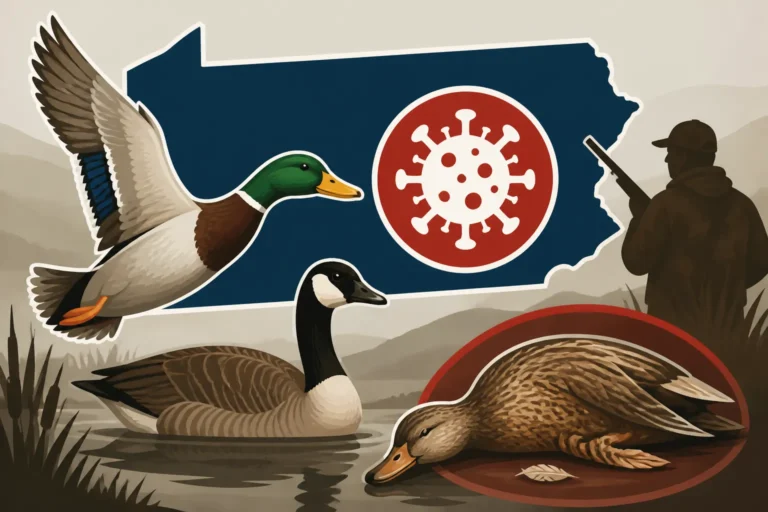
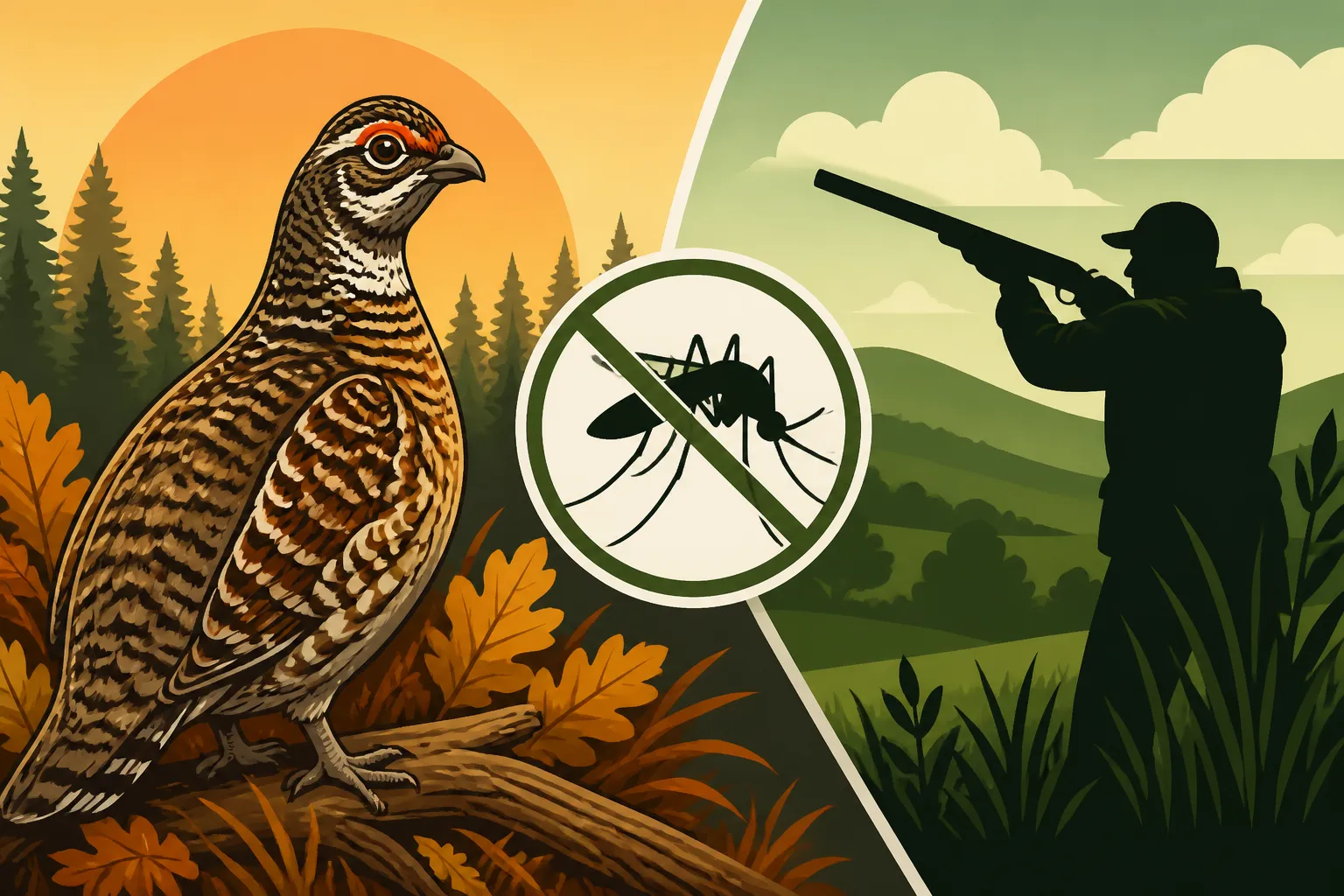
At its core, West Nile Virus is a zoonotic arbovirus, which is a fancy way of saying it’s a virus transmitted by arthropods, specifically mosquitoes, and can infect both animals and humans. The primary carriers of WNV are mosquitoes, particularly species that readily feed on birds. The cycle begins when a mosquito bites an infected bird, ingesting the virus along with the bird's blood. Once inside the mosquito, the virus replicates and eventually migrates to the mosquito's salivary glands. When that now-infected mosquito bites another bird, or sometimes a mammal like a human or a horse, it injects the virus, continuing the cycle.
This means that areas with high mosquito populations, especially during late summer and early fall, can become hotbeds for transmission. Picture those humid, stagnant creek bottoms or swampy areas you might hunt early in the season – prime real estate for mosquitoes and, by extension, for WNV transmission. It's a natural process, but one with devastating consequences for species that are particularly susceptible. The virus doesn't spread directly from bird to bird or from bird to human, so you won't catch it by handling a grouse, but the mosquito acts as the critical bridge.
Symptoms and Progression in Infected Birds
The symptoms of West Nile Virus in birds can vary depending on the species and the severity of the infection. In some birds, the infection might be subclinical, meaning they show no outward signs of illness. However, in highly susceptible species like American crows, jays, and unfortunately, ruffed grouse, the disease can be severe and often fatal. Common symptoms observed in infected birds include weakness, lethargy, loss of coordination, tremors, and an inability to fly. You might see a bird acting disoriented or struggling to maintain its balance.
For grouse, these symptoms are particularly debilitating. A bird that can't fly strongly or is disoriented becomes easy prey for predators like hawks, owls, and foxes. Their natural instinct to burst into flight when disturbed is compromised, making them incredibly vulnerable. The progression of the disease can be rapid, with birds succumbing within a few days of showing symptoms. It's a cruel irony that a bird known for its explosive escape is rendered helpless by something so tiny and unseen.
The Impact on Pennsylvania Grouse Populations
For many years, Pennsylvania's grouse populations have been on a downward trend, a tough pill to swallow for anyone who loves the sport. While habitat loss has always been a major factor, the emergence and spread of West Nile Virus added a new, significant layer of complexity to this conservation challenge. It's not just a subtle pressure; it's been a clear and measurable hit.
Documented Population Declines
The Pennsylvania Game Commission (PGC) and other wildlife agencies have been monitoring grouse populations closely for decades, and the data paints a sobering picture. While declines were occurring before WNV became widespread, the arrival of the virus in the early 2000s correlated with an acceleration of these downward trends in many areas. Studies by researchers, including those at the Ruffed Grouse Society and various universities, have pointed to WNV as a significant mortality factor, especially in juvenile birds. This is critical because young birds are the future of the population. If a high percentage of each year's hatch is lost to disease, the population simply can't rebound effectively.
It's not just a feeling; the numbers confirm it. When you’re out Ruffed Grouse, Pennsylvania's State Bird on a crisp autumn morning and don't hear a single flush where you once heard dozens, that's the reality of these declines hitting home. This isn't localized to just one part of the state; from the ridges of the Appalachian Plateau to the more scattered woodlots of the Ridge and Valley, the impact has been widespread.
Studies Linking WNV to Grouse Mortality
Numerous scientific studies, many conducted right here in the Mid-Atlantic and Northeast, have provided compelling evidence linking West Nile Virus exposure to increased mortality in ruffed grouse. Researchers often capture grouse, take blood samples to test for WNV antibodies (indicating exposure), and then track the birds. What they've found is that grouse exposed to WNV often have lower survival rates compared to unexposed birds, even if they don't immediately die from the acute infection. The virus can weaken them, make them more susceptible to other diseases, or slow them down enough to be caught by predators.
One of the challenges in these studies is the difficulty of finding grouse that have died directly from WNV in the wild, as predators or scavengers quickly remove carcasses. However, lab studies and blood analyses clearly demonstrate that grouse are highly susceptible to the virus and that infection can be fatal. It's a silent killer that works efficiently in the background, making it hard for populations to sustain themselves, especially in areas where good Grouse Hunting Pennsylvania Cover might already be limited.
Why Grouse Are Especially Vulnerable
It's not just that grouse get West Nile Virus; it's why they are particularly hard-hit compared to other game birds that might share the same habitat. Their unique biology and behavioral patterns, combined with the characteristics of the virus, create a perfect storm.
Behavioral Traits Increasing Exposure
Ruffed grouse have certain behaviors that make them more likely to encounter infected mosquitoes. For starters, they spend a lot of their time on the ground or in the understory – the dense, brushy cover that provides them with food, shelter, and nesting sites. These damp, shaded environments are exactly where many mosquito species thrive. Unlike a turkey that might roost high in a tree or a pheasant that often uses open fields, grouse are often in the thick of it, where mosquitoes are most active.
Furthermore, grouse are relatively sedentary birds, particularly during the summer months when WNV transmission is at its peak. They tend to have smaller home ranges compared to migratory birds, meaning they might be repeatedly exposed to mosquitoes from the same local population. If that local mosquito population has a high infection rate, the grouse in that area are at a much higher risk. It’s like living in a neighborhood with a persistent health hazard, with no easy way to move away from it. This localized exposure makes escaping the threat incredibly difficult for an individual bird.
Immunological Susceptibility
Beyond their behavior, ruffed grouse appear to have an inherent biological vulnerability to West Nile Virus. Research suggests that their immune systems may not be as effective at fighting off the virus compared to some other bird species. When infected, the virus can spread more rapidly and cause more severe disease in grouse. This makes them what scientists call "highly competent hosts," meaning if a mosquito bites an infected grouse, that mosquito is very likely to pick up enough virus to then infect other birds.
This immunological susceptibility is a crucial factor in Ruffed Grouse Decline in Pennsylvania. It means that even a relatively low level of WNV activity in an area can have a disproportionately high impact on grouse populations. It's not just about how many mosquitoes there are, but how deadly the encounter is for the grouse. This combination of behavioral and biological vulnerabilities means that West Nile Virus isn't just a problem for grouse; it's a major problem, one that has made the recovery of populations exceptionally challenging.
Identifying West Nile Virus in Grouse
As a hunter, you might naturally wonder how you'd even know if you encountered a grouse that was affected by West Nile Virus. It's not always obvious, but there are certain signs and conditions that could indicate a bird was struggling with the disease. While you're certainly not going to be performing field diagnostics, understanding what to look for can provide valuable insight.
Behavioral Abnormalities in the Field
The most common sign you might observe is a grouse acting "off." Instead of that characteristic explosive flush, an infected bird might be reluctant to fly, or fly only a short distance before landing. You might even see one walking slowly, appearing disoriented, or exhibiting tremors. I've heard stories from old-timers and seasoned grouse hunters who describe encountering birds that just "didn't act right," sometimes even allowing a close approach before a weak, labored flight. This kind of anomalous behavior, especially during the peak WNV season (late summer into early fall), could be a red flag.
Another subtle sign might be a bird that looks generally unkempt, with ruffled feathers or a lack of alertness. Healthy grouse are typically vibrant, quick, and wary. Any deviation from this energetic norm should give you pause. If you're Grouse Hunting Pennsylvania Cover and a bird acts strangely, it’s not necessarily WNV, but it’s a possible indicator of some underlying health issue. These are just observations, of course, and should not prevent you from harvesting a bird that appears healthy.
Post-Harvest Considerations and Public Health
After a successful harvest, inspecting the bird can sometimes provide clues. While WNV primarily affects the neurological system and internal organs, externally, a severely emaciated bird might be a sign of chronic illness. However, it's important to note that WNV does not pose a food safety risk. Cooking game meat thoroughly kills any potential viruses or bacteria, including WNV. So, harvesting and consuming a grouse from an area with WNV is generally safe, provided the meat is cooked to proper temperatures.
The Pennsylvania Game Commission, along with the Department of Health, recommends taking precautions against mosquito bites when spending time outdoors, especially during peak mosquito season. Using insect repellent and wearing long sleeves and pants can help protect you from potential exposure to WNV, regardless of whether you're hunting or just enjoying the outdoors. If you happen to find a dead grouse or other bird that appears to have died from an unknown cause, especially if it shows neurological symptoms, it’s always best to report it to the PGC or your local wildlife official. They can investigate and potentially test the carcass to help track disease prevalence in the area. This helps agencies like the PGC monitor Wildlife Diseases Pennsylvania Hunters Watch.
| Condition | Healthy Grouse | WNV-Infected Grouse (Severe) |
|---|---|---|
| Flight | Explosive, strong, sustained | Reluctant, weak, short, labored, disoriented |
| Behavior | Wary, alert, active, quick to flush | Lethargic, uncoordinated, tremors, unresponsive |
| Appearance | Vibrant, sleek feathers, good body condition | Ruffled feathers, dull, may appear emaciated |
| Vocalization | Normal drumming/clucking (if applicable) | Often silent or abnormal calls |
| Response to Disturbance | Quick, immediate escape | Slow, delayed, may try to walk away |
Habitat Management and Disease Mitigation
Given the profound impact of West Nile Virus on ruffed grouse, the question naturally arises: what can we do about it? While eradicating WNV entirely is an unrealistic goal, effective habitat management and smart conservation strategies can play a crucial role in mitigating its effects and helping grouse populations build resilience.
Creating Resilient Young Forest Habitat
One of the most critical strategies revolves around creating and maintaining high-quality young forest habitat. This might seem counterintuitive, but healthy, robust grouse populations are better equipped to withstand disease pressures. Young forests, typically 5-20 years old, provide dense overhead and ground cover, which is vital for grouse survival, nesting, and brood-rearing. This type of habitat also provides abundant food sources, which contribute to the overall health and vigor of the birds.
When grouse have access to plentiful food and secure cover, they are generally healthier and stronger, making them potentially more resistant to disease. Furthermore, well-managed young forests can provide habitat that might, in some ways, reduce mosquito exposure by allowing for better air circulation and reducing stagnant water where mosquitoes breed. Organizations like the Ruffed Grouse Society and the PGC are actively working on projects to create these critical habitats across the state. This is key to reversing the Ruffed Grouse Decline in Pennsylvania. Tools like those offered by GoHunt can help hunters identify areas where habitat projects are underway or where suitable young forest exists on public lands like State Game Lands or State Forests.
Focusing on Disease Management Areas
While WNV is widespread, understanding its localized impacts can inform more targeted management efforts. For example, some areas might have persistently higher WNV activity or more pronounced grouse declines. In such "disease management areas," specific interventions could be considered, though these are often complex and expensive. This might include measures to reduce mosquito breeding sites, where feasible, or even experimental approaches to boost grouse immunity, though these are largely still in research phases.
More realistically, focused habitat work in these high-impact zones can aim to maximize grouse survival rates by providing optimal conditions for breeding and survival, ensuring that any birds that survive WNV have the best chance to reproduce. The challenge, of course, is that WNV is a force of nature, and our ability to directly control mosquito populations across vast forest landscapes is limited. However, by understanding these dynamics, we can make informed decisions about where and how to best invest our conservation dollars to help Where Pennsylvania Grouse Still Hold On and even thrive.
The Future of Grouse Hunting in Pennsylvania
It’s no secret that the future of grouse hunting in Pennsylvania has been a topic of much discussion, and often, concern. Many hunters yearn for the days when flushes were plentiful and every cover had birds. While the challenges are real and significant, there's also a deep-seated commitment from hunters and conservation groups to ensure the legacy of grouse hunting endures.
Realistic Expectations and Long-Term Goals
For hunters heading into the woods, it's important to set realistic expectations. The days of consistently finding high densities of grouse across vast landscapes might not return in the immediate future. WNV is a persistent threat, and habitat needs are ongoing. However, this doesn't mean grouse hunting is over. It means it's evolving. We might see shifts in where the best grouse hunting opportunities exist, focusing on areas with active habitat management or naturally regenerating young forests.
The long-term goal is to stabilize and, where possible, increase grouse populations to sustainable levels that can withstand environmental pressures, including disease. This requires sustained effort in creating early successional habitat, understanding more about grouse genetics and disease resistance, and adapting hunting seasons and bag limits as needed. Hunters play a crucial role, not just as participants but as advocates and financial supporters of these conservation efforts. By supporting groups like the Ruffed Grouse Society and purchasing hunting licenses, we directly fund the work that benefits these birds. This dedication is what will determine Whether Pennsylvania Grouse Can Recover.
The Role of Hunters in Conservation
Hunters are, and always have been, the frontline conservationists. We're often the first to notice changes in wildlife populations, and our passion drives many conservation initiatives. For grouse, this means continuing to support habitat work, educating others about the importance of young forests, and being mindful of our impact in the field. Using tools like GoHunt to identify and explore prime habitat, perhaps even areas that have recently undergone timber cuts or prescribed burns, can help hunters find success and also understand the ongoing work. Why Young Forest Matters to Grouse is a critical concept for all grouse hunters to grasp.
Participating in surveys, like the PGC's annual Grouse Hunter Survey, provides invaluable data that helps biologists monitor populations and disease impacts. Every flush you log, every bird you see or hear, contributes to a larger picture. It's a collective effort, and while West Nile Virus presents a formidable challenge, the dedication of Pennsylvania hunters to their state bird remains a powerful force for its future. Even as we lament the past, we must look forward, actively working to ensure that the thrill of a grouse flush remains a part of Pennsylvania's hunting heritage for generations to come. This commitment extends to other species, too, like the efforts involved in Small Game Hunting in Pennsylvania where habitat is also crucial.
Disclaimer
This article is intended for informational purposes only and does not constitute veterinary advice or official guidance from the Pennsylvania Game Commission. Always consult the latest hunting regulations and public health advisories from official sources before engaging in hunting activities or making decisions related to wildlife health.