EHD Die-Offs in Pennsylvania Deer
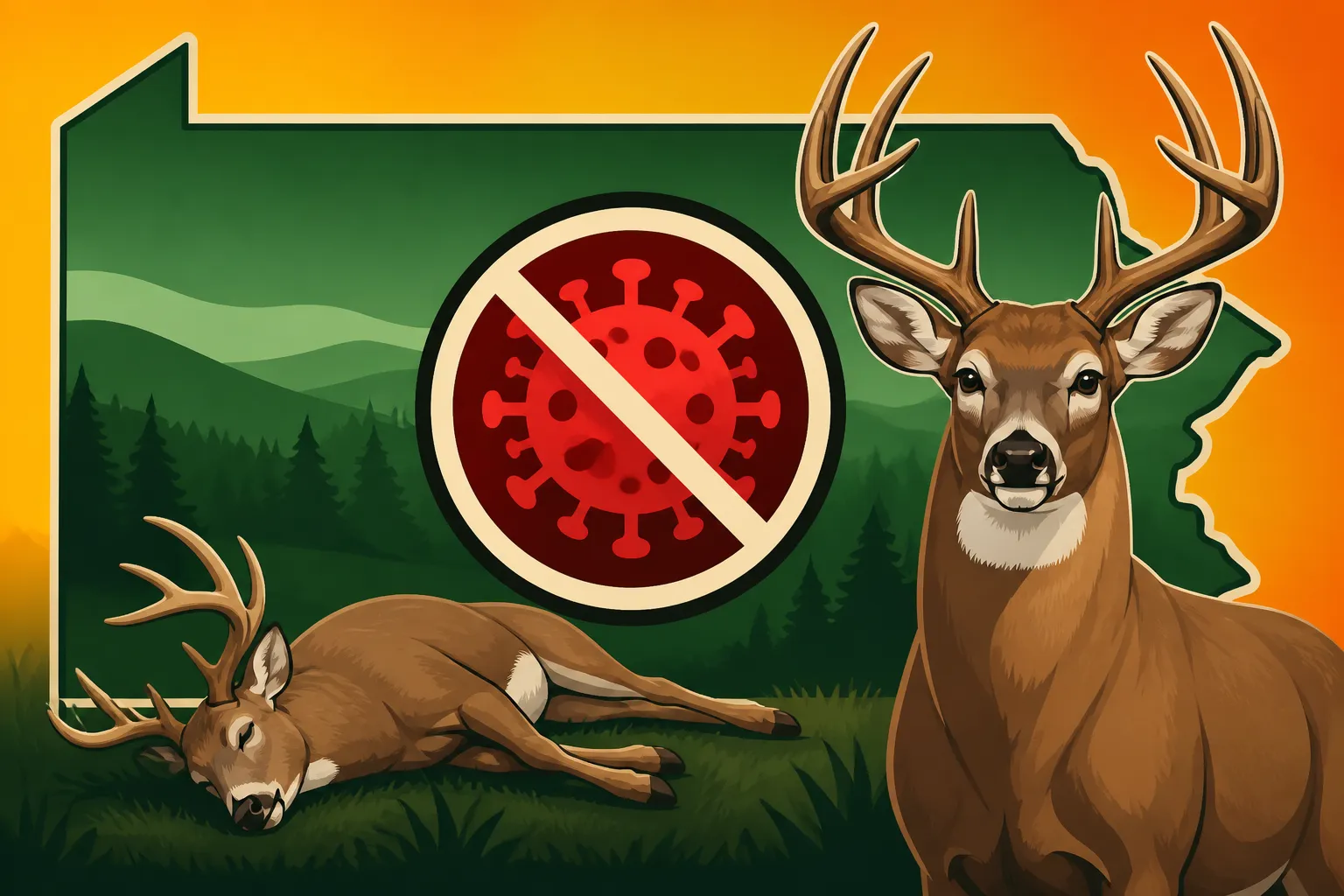
It's heartbreaking to find deer that have succumbed to illness, especially when you've been scouting a particular area for weeks, building anticipation for the upcoming season. EHD, or Epizootic Hemorrhagic Disease, is one such devastating illness that periodically impacts Pennsylvania's whitetail deer, leaving hunters and wildlife enthusiasts concerned and often frustrated by sudden population drops. This guide will dive deep into understanding EHD, its causes, its effects on the deer herd, and what we, as responsible Pennsylvanians, can do when this unwelcome visitor makes its appearance.
Understanding EHD The Silent Scourge of Whitetails
Epizootic Hemorrhagic Disease (EHD) isn't some new threat; it's a naturally occurring, viral disease that has affected deer populations for decades, particularly across the eastern and midwestern United States. While it might feel like a punch to the gut when you encounter its devastating effects, understanding what EHD is, how it spreads, and what signs to look for can help us better respond to outbreaks in our beloved Pennsylvania woods. This isn't a bacteria or something that spreads from deer to deer directly through contact, which is a common misconception. Instead, it relies on a tiny, often unseen vector.
What is EHD and How Does It Manifest?
EHD is caused by an orbivirus, closely related to the African Horse Sickness virus. It's not a virus that persists in the environment for long periods, nor does it affect humans, domestic pets, or livestock, so there's no need to panic about that. The true concern lies with our whitetail deer. When a deer contracts EHD, the virus attacks the lining of its blood vessels, leading to hemorrhages, internal bleeding, and organ damage.
The symptoms can appear quickly, often within a week of infection. Initially, affected deer might develop a high fever, become lethargic, and lose their appetite. You might notice them drooling excessively, having a swollen tongue, or exhibiting swelling around the head, neck, and eyelids. As the disease progresses, they might become disoriented, struggle to breathe, and appear lame due to swelling in their hooves and joints. This lameness often causes them to seek water to cool their feverish bodies, which is why dead deer are so frequently found near streams, ponds, and low-lying wet areas. The sight of a once vibrant buck or doe struggling this way is truly disheartening, a stark reminder of nature's harsh realities.
Distinguishing EHD from Other Deer Ailments
Because deer can suffer from various health issues, it’s important to know what makes EHD distinct. For example, some symptoms might initially be confused with Chronic Wasting Disease in Pennsylvania (CWD), another significant concern for our deer herd. However, CWD is a neurological disease that progresses slowly over months or years, leading to emaciation and abnormal behavior, without the sudden hemorrhages or swelling seen with EHD.
Here's a quick comparison to help differentiate:
| Feature | EHD (Epizootic Hemorrhagic Disease) | CWD (Chronic Wasting Disease) |
|---|---|---|
| Cause | Virus, transmitted by biting midges | Prion (abnormal protein), transmitted through bodily fluids |
| Onset | Rapid (days to a week) | Slow (months to years) |
| Primary Signs | Fever, swelling, hemorrhages, lameness, found near water | Emaciation, drooling, head pressing, listlessness, behavioral changes |
| Seasonality | Late summer/early fall, ends with hard frost | Year-round |
| Mortality | High mortality in affected deer, can cause localized die-offs | Always fatal once symptoms appear |
| Human Risk | None | Prudent to avoid consuming meat from infected animals |
If you encounter a deer exhibiting these signs, especially during the late summer and early fall, it's highly probable that EHD is at play.
The Environmental Dance Why EHD Outbreaks Happen
EHD outbreaks aren't random; they're intricately tied to environmental conditions, particularly the life cycle of a tiny insect – the biting midge. Understanding this connection helps explain why some years are worse than others and why certain areas might be hit harder than their neighbors. It's a cruel dance orchestrated by nature, and our Pennsylvania landscape sometimes provides the perfect stage.
The Role of Biting Midges
The key to EHD's spread lies with tiny insects often referred to as "no-see-ums" or biting midges (genus Culicoides). These small, gnat-like insects are the primary vectors of the EHD virus. They pick up the virus when they feed on an infected deer, and then transmit it to healthy deer when they take their next blood meal. Without these midges, the virus cannot spread among the deer population.
These midges thrive in warm, humid conditions and breed in muddy, shallow water habitats – think stagnant pools, slow-moving streams, and damp soil around ponds. This is precisely why we often see outbreaks surge during late summer and early fall. The longer these warm conditions persist, the more generations of midges can hatch and transmit the virus, leading to more widespread and severe outbreaks.
The Impact of Drought and Water Sources
Ironically, drought conditions, which we might associate with less water, can actually intensify EHD outbreaks. When a region experiences prolonged dry spells in late summer, natural water sources become scarce. This forces deer to congregate at the few remaining permanent water holes or muddy seepages. At the same time, the midges are also concentrated in these shrinking, often muddy breeding grounds.
This combination creates a perfect storm: a high density of deer, all visiting the same limited water sources where a high density of infected midges are also present. The chances of transmission skyrocket under these circumstances. You can picture it – a parched deer seeking relief, unknowingly stepping into a hotbed of disease vectors. It's a sad reality, but it's why these environmental factors are so crucial to EHD outbreaks.
Seasonal Nature and Geographic Patterns
EHD is a seasonal disease. Outbreaks typically begin in August, peak in September, and then abruptly end with the first hard frost that kills off the adult midge population. This sudden cessation is often a relief, but by then, significant damage to local deer populations may have already occurred.
While EHD can occur anywhere midges and deer coexist, outbreaks often remain localized. One county or even one specific valley might experience heavy losses, while an adjacent area remains relatively untouched. This patchiness is due to highly specific local environmental conditions that favor midge breeding and deer congregation. Hunters often note this, finding abundant deer sign in one area but a grim silence in another nearby. For hunters who rely on tools like GoHunt for scouting and mapping deer movements, recognizing these localized patterns can be critical. You might identify specific low-lying areas or water sources that become high-risk zones during drought periods.
What Hunters and Landowners Can Do During and After an Outbreak
When EHD strikes, it can feel like you’re watching helplessly. However, hunters and landowners play a crucial role in monitoring the disease, assisting wildlife agencies, and understanding the long-term impacts on the deer herd. Your observations on the ground are invaluable.
Reporting Sick or Dead Deer
The most immediate and impactful action you can take is to report any sightings of sick or recently deceased deer to the Pennsylvania Game Commission (PGC). This information is absolutely vital for wildlife biologists to track the spread and severity of an outbreak. They use these reports to identify affected areas, estimate mortality rates, and inform their management strategies. Don't assume someone else will report it; every observation counts. You can find information on Reporting a Sick Animal in Pennsylvania directly through the PGC's website or by contacting your regional office. Providing details about the location, the number of deer, and observable symptoms helps immensely.
Proper Carcass Disposal
Finding a deer carcass is never pleasant, but proper disposal is important to prevent the potential spread of other diseases (though EHD itself isn't directly spread by carcasses) and to maintain hygiene. If you find a carcass on your private land, the best practice is to bury it deeply (at least 2-3 feet) or double-bag and dispose of it in a landfill if local regulations allow. On public land, avoid moving the carcass and report it to the PGC. Moving carcasses, especially out of designated disease management areas, can unintentionally spread other pathogens. The goal is always to minimize any further risk to wildlife or public health.
Hunting During an Outbreak
Many hunters understandably worry about hunting in areas affected by EHD. The good news is that EHD poses no known risk to humans, so consuming venison from a healthy-looking deer harvested in an affected area is generally considered safe. However, common sense dictates that you should never consume meat from an animal that appears sick or has lesions. Always check the internal organs for any abnormalities. If you harvest a deer and notice anything unusual, contact the PGC for guidance.
In areas experiencing severe EHD outbreaks, you might find deer populations are noticeably lower. This might influence your hunting strategy. While the PGC typically does not change season structures or tag allocations based solely on EHD, understanding the disease’s localized impact can help you adjust your expectations and hunting spots. For example, if a specific low-lying area was heavily impacted, you might choose to focus your efforts on higher, drier ground where deer may have been less exposed to midges. This sort of detailed scouting, sometimes using mapping tools like GoHunt, can help you adapt quickly.
Post-Outbreak Habitat Management
While you can't prevent EHD, landowners can consider habitat management that might subtly mitigate future outbreaks. This isn't about eradicating midges, which is impossible, but about reducing conditions that lead to severe deer congregation. For instance, creating multiple dispersed water sources rather than relying on a single stagnant pond might dilute deer concentrations. Ensuring a healthy, diverse habitat also supports a robust deer population that can recover more quickly from losses. For large landowners, programs like Deer Management Assistance Program Permits (DMAP) can be useful for managing deer populations, and the PGC can provide guidance on habitat improvements that support overall herd health.
Long-Term Impacts on Pennsylvania's Deer Herd
An EHD outbreak can feel devastating in the moment, but it's important to look at the broader picture and understand how Pennsylvania's resilient deer herd generally recovers. While local impacts can be severe, the statewide population often bounces back.
Population Fluctuations and Recovery Rates
Following a significant EHD outbreak, localized deer populations can experience sharp, sometimes dramatic, declines. Hunters might notice a stark difference in deer sightings and harvest success in the immediate season. This is particularly true in areas with higher Pennsylvania Deer Density by WMU, where more deer are available to contract the virus. However, whitetail deer are incredibly prolific breeders. Given good habitat and healthy does, populations can rebound remarkably quickly, often within a couple of years. The herd's inherent ability to reproduce helps buffer the long-term effects of EHD.
The PGC constantly monitors Pennsylvania Deer Population Estimate and Pennsylvania Deer Harvest Records to gauge these fluctuations. Your reports on sick and dead deer are integral to their data collection, allowing them to track the immediate impact and then observe recovery trends.
Age Structure and Antler Quality
While EHD primarily impacts adult deer, particularly prime breeding bucks and does, a severe outbreak can temporarily alter the age structure of the herd in affected areas. If many older, mature bucks are lost, it might lead to a slight shift towards a younger buck population in the subsequent year or two. This could potentially affect overall antler quality in the short term, as younger bucks typically grow smaller antlers. However, as the population recovers and younger bucks mature, the age structure generally stabilizes. This is a natural cycle, and Pennsylvania's antler restrictions and management practices are designed to help bucks reach older age classes, aiding in quicker recovery of larger-antlered deer.
Disease Monitoring and Management Strategies
The Pennsylvania Game Commission plays a vital role in monitoring EHD and other wildlife diseases. They work closely with local veterinarians and wildlife disease specialists to track outbreaks, collect samples, and educate the public. While there's no vaccine or direct treatment for EHD in wild deer, understanding its prevalence helps them in their broader deer management plans.
These plans often consider factors like habitat quality, population density, and disease pressures when setting harvest objectives. The data collected by hunters and the PGC helps inform decisions on antlerless allocations and other regulations that aim to maintain a healthy and sustainable deer population across the state. Using advanced mapping and scouting tools like GoHunt can help you stay informed about localized conditions, allowing you to scout and strategize more effectively, especially after significant events like EHD outbreaks. This can also tie into broader strategies for Scouting Pennsylvania Public Land Before Season or even understanding How the Game Commission Counts Deer in your preferred WMU.
Hunter Perception and Adapting Hunting Strategies
For many hunters, EHD outbreaks can be disheartening, raising questions about the health and abundance of deer in their favorite spots. It's a natural reaction to feel concern. However, adapting your hunting strategy in response to these natural cycles is part of being a seasoned Pennsylvania hunter. This might involve focusing on areas that were less impacted, shifting your attention to Late-Season Food Sources for Whitetails where deer may congregate later in the year, or even trying to Finding Ground Others Walk Past that might have become refuges during an outbreak.
Ultimately, EHD is a part of nature's cycle, a harsh but temporary challenge for our deer herd. By understanding it, reporting observations, and adapting our approach, we can continue to be responsible stewards of Pennsylvania's incredible wildlife.
Disclaimer
This article is for general informational purposes only and does not constitute professional advice. Laws, prices and regulations vary by location and change over time. Consult a qualified professional for guidance on your specific situation.