Getting Private Land Permission in Pennsylvania
For many Pennsylvania hunters, the dream of finding quiet, unpressured ground away from the crowds on State Game Lands often feels out of reach. We all know the frustration of rolling up to a favorite public land spot on opening day only to find multiple trucks already there, or encountering other hunters on every ridge. This feeling of being constantly "bumped" or competing for space can make hunting a less enjoyable experience. This comprehensive guide is here to demystify the process of gaining private land hunting permission in Pennsylvania, offering practical strategies and insights to help you unlock new opportunities and enjoy a more rewarding time afield.
Understanding Pennsylvania's Trespass Laws and Hunter Responsibilities
Before you even think about approaching a landowner, it's absolutely crucial to understand the legal framework that governs hunting on private property in Pennsylvania. Ignorance of the law is never an excuse, and making a mistake here can not only ruin your chances of gaining permission but could also lead to serious legal repercussions. This isn't just about avoiding a fine; it's about respecting property rights, which are the cornerstone of our ability to hunt in this state.
The Letter of the Law: Written vs. Verbal Permission
In Pennsylvania, the law regarding permission to hunt on private land is pretty straightforward, but it's important to grasp the nuances. For most hunting activities, verbal permission from the landowner or their authorized representative is legally sufficient. This means a handshake agreement, a spoken "yes, you can hunt," is legally valid. However, while legally sufficient, verbal permission can sometimes lead to misunderstandings or disputes down the line, especially if memories fade or ownership changes. It's always a good idea to have something more concrete if possible, even if it's just a text message or an email confirming the verbal agreement.
Now, there's a significant exception to this rule: Sunday hunting. When Sunday hunting was expanded in Pennsylvania, the law was very specific. For hunting on Sundays, you must have written permission from the landowner. A simple verbal agreement will not suffice for Sunday hunts, period. This written permission doesn't have to be a notarized contract, but it needs to clearly state that you have permission to hunt on their property on Sundays. This detail is a critical point that many hunters overlook, and it's one you absolutely cannot afford to get wrong if you plan to hunt on one of the now-legal Sundays. What Sunday Hunting Changed in Pennsylvania explains more about these new rules.
Safety Zones and Your Ethical Obligations
Beyond just the permission itself, every hunter in Pennsylvania has a legal and ethical responsibility to understand and respect safety zones. These are areas around occupied buildings, structures, and even certain types of livestock where discharge of a firearm or bow is strictly prohibited. The specific distances vary depending on the type of weapon. For firearms, it's generally 150 yards from any occupied building, residence, or camp, and 50 yards for archery equipment. There are also specific rules about shooting in the direction of or across highways and certain other areas.
These safety zones are not just suggestions; they are serious legal mandates designed to protect people and property. Violating a safety zone can lead to severe penalties, including fines, loss of hunting privileges, and even criminal charges. But more than that, it erodes public trust in hunters. One careless mistake can tarnish the reputation of all hunters in the eyes of a landowner or the broader community. Always identify these zones before you hunt, and if in doubt, err on the side of caution. Your ethical obligation as a hunter is to be a safe, responsible, and respectful steward of the land and its resources, and that includes ensuring the safety of others.
Why Private Land is a Game Changer for Pennsylvania Hunters
Let's be honest, there's a reason so many of us dream of private land access. While Pennsylvania boasts an incredible amount of public hunting ground, from State Game Lands to State Forests and the Allegheny National Forest, these areas often come with their own set of challenges. Private land, when you can get it, offers a distinct advantage that can transform your hunting experience from frustrating to truly rewarding.
Escaping the Crowds and Finding Unpressured Game
The most immediate and obvious benefit of private land is the reduction in hunting pressure. On public lands, especially during popular seasons like the firearms deer season, it can feel like you're constantly competing with other hunters. Parking lots are full, boot tracks crisscross every promising ridge, and deer often become nocturnal or pattern hunters rather than moving naturally. Opening Day Crowds on Pennsylvania Game Lands is a common frustration we all face.
On private land, particularly parcels that aren't regularly hunted or are exclusive to you, this pressure largely disappears. Deer are more likely to move during daylight hours, use predictable travel corridors, and respond to calls in ways that heavily pressured public land deer often won't. You can scout without worrying about someone else discovering your honey hole, and you can hunt your stand with confidence, knowing that another hunter isn't likely to walk through your setup. This significantly increases your odds of encountering game and, perhaps more importantly, allows you to enjoy a more peaceful and solitary hunting experience. It's about reconnecting with the wild without constant human interference.
Access to Diverse Habitats and Strategic Locations
Pennsylvania's landscape is incredibly varied, from agricultural fields and woodlots in the southern counties to vast tracts of unbroken timber in the Big Woods. While public lands offer incredible hunting in these diverse areas, private parcels often provide access to unique habitats and strategic locations that are simply unavailable elsewhere. Think about those isolated woodlots surrounded by sprawling cornfields in Lancaster County, or a small farm nestled deep within a State Forest. These are often game magnets, offering prime food sources, cover, and travel corridors that deer, turkeys, and other game animals utilize heavily.
Consider a property that borders a large public land tract. The private side might offer bedding areas or specific food plots that game animals use as a sanctuary, while the public land acts as a travel corridor or secondary feeding area. Having permission on such a piece can give you a strategic advantage, allowing you to intercept animals moving between these different zones. It could be the perfect spot for Hunting a Standing Cornfield in Farm Country or setting up on a timbered bench overlooking a creek bottom. These smaller, more diverse private parcels can concentrate game and provide hunting opportunities that are hard to replicate on larger, more homogenous public holdings.
Strategies for Approaching Landowners with Confidence
The thought of knocking on a stranger's door and asking to hunt their property can be intimidating for many hunters. It feels like an imposition, and the fear of rejection is real. However, with the right approach, research, and mindset, you can significantly increase your chances of success. It's not about being pushy; it's about being respectful, prepared, and offering value.
Researching Property and Identifying Key Tracts
Before you even think about approaching a landowner, do your homework. This is where modern technology can be your best friend. Tools like onX Hunt and GoHunt are absolute game-changers for identifying potential private land opportunities. These platforms, often available as mobile apps, allow you to view property boundaries, landowner names, and aerial imagery, all overlaid with public land maps. Imagine being able to zoom in on a promising piece of ground, see who owns it, and even get an address to send a letter or know whose door to knock on.
Start by looking at areas near public land that might see less pressure, or agricultural areas with good cover. Identify parcels with ideal habitat, such as dense thickets for bedding, mature timber with acorn crops, or fields that provide food. Pay attention to how these parcels connect to larger tracts of woods or waterways. Reading Aerial Photos for Big Woods Deer can give you a lot of insight into potential hunting spots. Look for pinch points, funnels, and natural travel corridors. Once you have a list of promising properties, use the app to find the landowner's name and, if possible, their contact information. Some counties even have online property records you can access for more detailed information. This pre-work demonstrates your seriousness and preparedness, making a much better first impression than a random knock on a door.
Crafting Your Introduction: What to Say and How to Present Yourself
When you do make contact, whether in person or via a letter, your introduction is everything. First impressions matter immensely. Always be polite, well-groomed, and respectful. Dress neatly; you don't need to be in a suit, but don't show up in your grimy hunting clothes either. Carry a small folder with your hunting license, a copy of your hunter education card, and maybe a map of their property you've printed from your research.
When you speak, be clear, concise, and humble. Start by introducing yourself and stating your purpose directly but respectfully. Something like, "Hello, my name is [Your Name], and I'm a local hunter. I was wondering if you might consider allowing me to hunt deer on your property this season." Be prepared for a "no," and accept it graciously if that's the answer. If they're open to discussion, highlight your commitment to safety, your respect for their property, and your willingness to abide by any rules they set. Emphasize that you're looking for a quiet, safe place to hunt and that you're not interested in bringing a large group of people. If you have experience with specific game animals that might be causing them issues, such as deer eating crops, mention that you're eager to help manage the population.
Building Trust Through Professionalism and Respect
Gaining private land access is less about a single interaction and more about building a relationship. Landowners often have legitimate concerns about strangers on their property: safety, property damage, littering, and simply not knowing who is there. Your job is to alleviate those concerns. Be professional in every interaction, even if you don't get permission immediately.
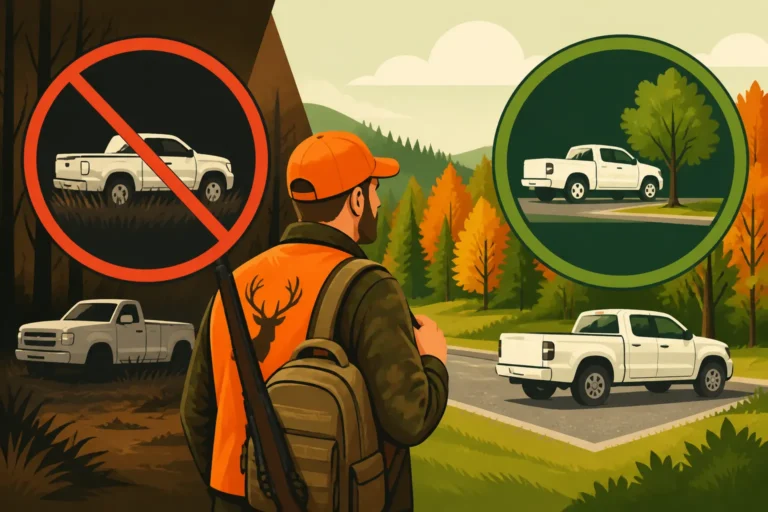
If you are granted permission, uphold your end of the bargain, and then some. Always park where they ask, stay out of areas they designate as off-limits, and leave no trace of your presence. Go above and beyond: if you see a downed tree blocking a lane, ask if you can move it. If you notice a fence post that's broken, offer to fix it. These small gestures show genuine respect and commitment to their land, not just to your hunting interests. Consider offering to share some of your harvest, whether it's venison from a deer you take or a turkey breast from a spring gobbler. This can be a fantastic way to show gratitude and build a deeper connection. Remember, you're not just asking for a place to hunt; you're asking for a privilege, and treating it as such is the best way to maintain and even expand that privilege over time.
What to Offer a Landowner (Beyond Just Asking)
When you approach a landowner, simply asking for permission can sometimes feel one-sided. To truly stand out and increase your chances of success, think about what you can offer them in return. Many landowners, especially those with larger parcels or working farms, might welcome help or benefit from controlled hunting in ways you might not initially consider.
Assistance with Land Management and Maintenance
Many landowners, particularly those who are aging or who have busy lives, might appreciate an extra set of hands around their property. Think about tasks that could benefit both the landowner and wildlife. This could include clearing fallen timber from access roads, helping to mend fences, or even assisting with small repairs around their farm or home. If they have agricultural fields, offering to help with planting or harvesting small areas, or even just clearing brush along fencerows, can be a huge benefit.
For example, a farmer might have an issue with deer browsing their crops or damaging young trees. You could offer to help manage the deer population, specifically targeting does to reduce herd numbers. Perhaps they have an overgrown field they'd like cleared, or a small stream that needs some bank stabilization. Even just offering to walk the property periodically to report any issues like vandalism, dumping, or suspicious activity can be a valuable service. These aren't just one-off tasks; they are opportunities to demonstrate your commitment and build a lasting relationship.
Sharing the Harvest: A Taste of the Wild
One of the simplest, yet most powerful, gestures you can make is to offer to share your harvest. For many non-hunters, the idea of having fresh, wild game meat is appealing but unattainable. Offering a package of venison steaks, a cut of bear meat, or a wild turkey breast from an animal you've taken on their property is a fantastic way to show gratitude and provide a tangible benefit. This can be particularly impactful for landowners who enjoy eating game but no longer hunt themselves, or for those who simply appreciate the thought.
Make sure the meat is properly processed, clean, and packaged. A nicely wrapped package of venison burger or backstrap, perhaps with a simple recipe card, speaks volumes. This gesture reinforces the idea that you're not just taking from their land, but you're also contributing to their table. It fosters a sense of shared experience and can deepen the landowner's appreciation for you as a hunter. This is about more than just a meal; it's about sharing the bounty of the land and creating a positive connection.
Financial Compensation: When and How to Discuss It
The topic of financial compensation can be a tricky one, and it's something to approach with sensitivity. In many parts of Pennsylvania, especially in rural areas, asking for money to hunt is still relatively uncommon, and many landowners might even be offended if it's the first thing you bring up. Their primary concerns are often about trust, safety, and respect for their property, not necessarily income.
However, in certain situations or areas, particularly closer to urban centers or for larger, high-quality tracts of land, offering a lease fee or an annual payment might be appropriate and even expected. Never lead with this offer. It's usually best to gauge the landowner's response to your initial request for permission. If they seem hesitant or mention needing to cover expenses, then you can gently introduce the idea of compensation. You might say, "I completely understand if you're busy, but I'd be happy to discuss a small annual fee to help with property taxes or maintenance, if that would make this arrangement more feasible for you."
Be flexible and willing to negotiate. Some landowners might prefer a lump sum, while others might be open to a per-animal fee. The key is to demonstrate that you value their land and their time, and that you're willing to make it worth their while. For larger, more managed properties, especially those close to major population centers, hunting leases are becoming more common. Pennsylvania Hunting Lease Costs can give you an idea of what might be involved, but always remember to discuss specifics directly with the landowner.
Establishing Clear Expectations and Formalizing Agreements
Once a landowner agrees to let you hunt, the next crucial step is to establish clear expectations. This prevents misunderstandings, protects both you and the landowner, and lays the groundwork for a positive, long-term relationship. A casual "sure, go ahead" is a great start, but it's not a complete plan.
Creating a Written Agreement: More Than Just a Handshake
Even if you're not dealing with Sunday hunting (which requires written permission), a simple written agreement is always a good idea. This doesn't need to be a complex legal document crafted by lawyers; a basic, one-page letter or form can suffice. It simply formalizes the understanding between you and the landowner. This written record can cover key points such as:
- Parties Involved: Your name and the landowner's name.
- Property Description: A clear identification of the property, perhaps with a map you printed from onX Hunt.
- Duration of Permission: For a specific season, a calendar year, or ongoing until revoked.
- Permitted Activities: What you're allowed to hunt (deer, turkey, small game) and by what method (archery, firearms, muzzleloader).
- Restricted Activities: Any areas off-limits, times you can't be there, or activities not allowed (e.g., no ATVs, no overnight camping).
- Safety Zones: Confirmation that you understand and will respect them.
- Emergency Contacts: Both yours and the landowner's.
- Signatures and Date: Both parties sign and date the agreement.
This simple document clarifies everything and can be invaluable if there's ever a dispute, if the landowner forgets what was agreed upon, or if someone else questions your presence on the property. It shows you're serious and professional, and it gives the landowner peace of mind.
Defining Access, Seasons, and Species
Specificity is your friend. Don't leave anything vague. Discuss exactly which areas of the property you are allowed to access. Are there fields you can't walk through during certain times of the year because of crops? Are there particular woodlots that are off-limits? Use your map to clearly mark these areas with the landowner.
Similarly, clarify which seasons you're permitted to hunt and for which species. Can you only hunt deer during archery season, or are you welcome during firearms season too? Is fall turkey hunting allowed, or is their focus primarily on deer management? Pennsylvania Deer Seasons and WMU Rules and Pennsylvania Spring and Fall Turkey Seasons are complex, so make sure your agreement aligns with their wishes for specific seasons. If they have specific concerns about trophy hunting versus deer management, be sure to address that. For instance, if they want deer numbers reduced, emphasize your willingness to take antlerless deer.
Here's a simple table to illustrate key points for a written agreement:
| Aspect | Example Detail for Agreement | Why it's Important |
|---|---|---|
| Hunter Name(s) | John Doe, Jane Smith | Clarifies exactly who has permission. |
| Landowner Name | Farmall Family Trust / Bob Smith | Clearly identifies the granting party. |
| Property Address/ID | 123 Rural Lane, PA, Tax Parcel #12-345-678 | Pinpoints the exact property. |
| Valid Dates | September 1st, 2024 – January 31st, 2025 | Defines the timeframe of permission. |
| Permitted Species | White-tailed Deer (Antlered & Antlerless), Wild Turkey (Fall) | Avoids confusion about what can be hunted. |
| Permitted Methods | Archery, Firearms, Muzzleloader | Specifies legal hunting means. |
| Restricted Areas | No hunting within 100 yards of red barn; no vehicle access past main gate. | Prevents accidental trespass or damage to sensitive areas. |
| Special Rules | Report all harvests; close all gates; no overnight camping. | Addresses specific landowner requests/concerns. |
| Contact Info | Hunter: 555-1234; Landowner: 555-5678 | Critical for emergencies or quick communication. |
Communication is Key: Maintaining the Relationship
Gaining permission is just the first step; maintaining that relationship is an ongoing effort. Regular, respectful communication is absolutely vital. If your plans change, let the landowner know. If you're going to be on their property, send a quick text or make a brief call to inform them. This helps them know who is on their land and when, providing them with security and peace of mind.
After a hunt, particularly if you've harvested an animal, a thank-you call or message is always appropriate. If you see anything concerning on their property – a downed fence, suspicious activity, or even just general wear and tear – report it to them. This proactive approach shows that you care about their land and are not just focused on your own hunting success. Think of it as cultivating a friendship rather than just a transaction. Building and maintaining this trust is how you ensure continued access for years to come, potentially even creating opportunities for others if you move on or expand your hunting repertoire.
Overcoming Common Hurdles and Rejection
Let's face it, not every knock on a door will result in a "yes." In fact, you'll likely hear "no" more often than "yes," and that's perfectly normal. Don't let rejection discourage you. It's part of the process, and understanding how to deal with it can actually make you a more resilient and ultimately more successful hunter.
Dealing with No: Learning from Setbacks
Hearing "no" can be disheartening, but it's important not to take it personally. Landowners have many reasons for denying permission, and often it has nothing to do with you. They might have had bad experiences with hunters in the past, they might already have family or friends who hunt their property, they might be concerned about liability, or they simply might not want anyone on their land. Some folks just value their privacy above all else, and that's their right.
When a landowner says no, respond with grace and understanding. A simple, "I completely understand. Thank you for your time anyway," can leave a positive impression. Even if they don't give you permission this year, your respectful demeanor might lead them to reconsider in the future, or they might even refer you to a neighbor who is looking for hunters. Ask if you could leave a card or your contact information, just in case their situation changes. Never argue, complain, or push the issue. Your goal is to be a good ambassador for hunters, even in rejection.
The Power of Persistence and Expanding Your Search
Just because one landowner says no doesn't mean the next one will. Persistence is key in the private land game. Keep researching properties, identify new potential access points, and continue making those polite introductions. It's a numbers game to some extent. The more landowners you approach, the higher your chances of eventually finding someone willing to grant permission.
Don't limit yourself to just one area or one type of property. If you're focusing on farm country, expand your search to small woodlots tucked away from main roads. If you're looking for larger tracts, consider breaking down your search into smaller, more manageable parcels. Use your mapping tools like onX Hunt to explore different regions and identify areas with high deer density but perhaps less public access. Consider targeting properties adjacent to large public land holdings, as deer often use these private parcels as sanctuaries. Finding Ground Others Walk Past is often about looking in overlooked areas.
Leveraging Local Connections and Community Involvement
Sometimes, the best way to get permission isn't through a cold call, but through a warm introduction. Become involved in your local community. Join local conservation groups, attend township meetings, or patronize local businesses. Striking up conversations with locals at the diner, feed store, or hardware store can open doors. Mention that you're looking for a place to hunt, and you might be surprised by who knows a landowner looking for deer management or someone to simply keep an eye on their property.
Networking can be incredibly powerful. A local farmer might be hesitant to grant permission to a complete stranger, but if a trusted neighbor vouches for you, that hesitation can quickly dissipate. Offer to help out at community events, even if it's unrelated to hunting. The more you become a familiar and trusted face in a community, the more likely people are to help you achieve your goal of finding private land access.
Specific Scenarios: From Small Farms to Large Timber Tracts
Gaining permission isn't a one-size-fits-all endeavor. The type of property you're interested in will often dictate your approach and what you might be able to offer the landowner. Pennsylvania offers a wide array of landscapes, each with its own unique challenges and opportunities for private land access.
Hunting Farm Fields and Woodlots in Agricultural Areas
Agricultural areas, especially in southeastern and southcentral Pennsylvania, can be incredibly productive for deer, turkeys, and small game. Deer often thrive in these areas, benefiting from abundant food sources like corn, soybeans, and alfalfa, and finding refuge in the small woodlots and brushy fencerows. However, farmers also bear the brunt of deer damage to their crops, which can be significant. This presents a prime opportunity for hunters.
When approaching farmers, lead with your willingness to help manage the deer population, particularly by taking antlerless deer. Emphasize your commitment to safety around their buildings and livestock, and assure them you will respect their property and crops. Offer to hunt specific problem areas, or to focus on specific times of the season when deer pressure is highest on their fields. Remember, farmers are busy people, so be concise, respectful of their time, and prepared to offer assistance beyond just hunting. Perhaps they need help with a minor repair, or you could offer to close gates and check fences when you're there. Hunting Pennsylvania Farm Country Edges can be highly effective, and farmers often appreciate knowing someone is watching their property.
Gaining Access to Large Timber Company Holdings
Beyond individual farms, Pennsylvania is home to vast tracts of privately owned timberland, often held by large timber companies or private investment groups. These lands are primarily managed for timber production but often offer excellent hunting opportunities. Access to these lands typically differs significantly from individual farm permissions.
Many larger timber companies have formal lease programs where they lease hunting rights to clubs or individuals for an annual fee. This is a business transaction, and you'll typically be dealing with a land manager rather than an individual landowner. These leases can range from small parcels to thousands of acres. Researching these companies and their land holdings is the first step. Look for companies like Lyme Timber, Campbell Group, or other private timber and investment firms that operate in Pennsylvania. They often have dedicated websites or departments for recreational leasing. While it can be more formal and involve a financial commitment, these leases can provide exclusive access to large, diverse hunting grounds that might otherwise be unavailable. It's a different game than knocking on a farmer's door, but one that can yield fantastic results for long-term access.
Suburban Hunting: Special Considerations
Suburban areas in Pennsylvania, particularly around larger cities like Philadelphia, Pittsburgh, Harrisburg, and Scranton, often have incredibly high deer populations. These deer adapt well to human presence, finding food in gardens and landscaping, and cover in small woodlots and parks. While public hunting is usually very limited or non-existent in these areas, private land hunting can be a crucial tool for deer management.
Gaining permission in suburban environments comes with unique challenges and considerations. Safety is paramount, even more so than in rural areas. Landowners will be highly concerned about firearm discharge near homes and schools. Often, archery hunting is the only viable option due to safety zone restrictions. Emphasize your proficiency with a bow, your commitment to ethical shot placement, and your understanding of local ordinances. Deer Management Assistance Program (DMAP) permits are often utilized in these areas, allowing hunters to take additional antlerless deer to help control overpopulation. Some municipalities even have their own managed hunt programs. If a landowner has significant deer damage to their property, you can highlight your ability to help mitigate this issue. Suburban Deer Hunting in Southeast Pennsylvania details some of these specific challenges and opportunities. Being an excellent, discreet, and responsible archery hunter is key to success in these delicate environments.
Disclaimer
This article is for general informational purposes only and does not constitute professional advice. Laws, prices and regulations vary by location and change over time. Consult a qualified professional for guidance on your specific situation.