How the Game Commission Counts Deer
Pennsylvania white-tailed deer population estimates rely on scientific methods and hunter data to set hunting seasons and permits.
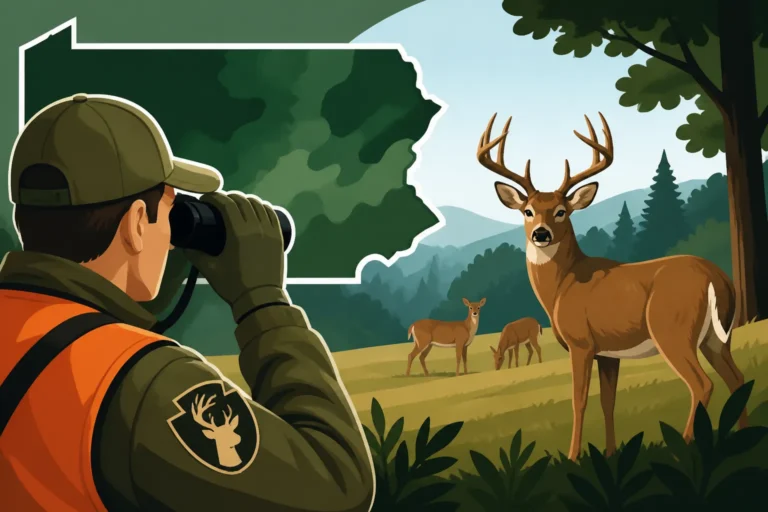
Pennsylvania white-tailed deer population estimates rely on scientific methods and hunter data to set hunting seasons and permits.
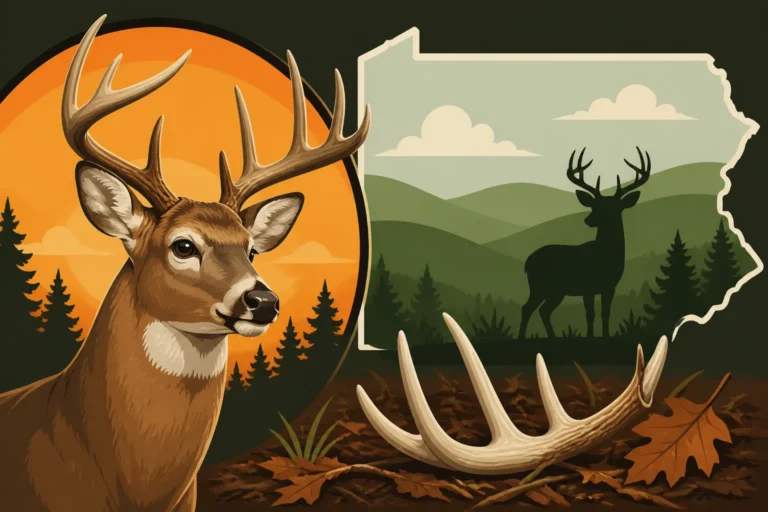
Pennsylvania bucks shed their antlers due to declining testosterone levels and daylight changes, impacting post-season scouting success.
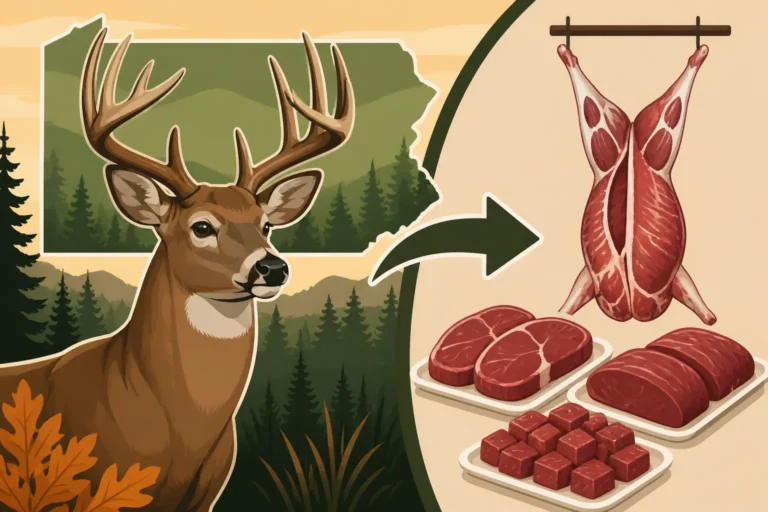
Deer meat yield from a Pennsylvania buck depends on body size, field dressing methods, and shot placement affecting muscle tissue.

Pennsylvania deer vehicle collisions cause severe damage and injuries, explaining why these crashes happen and how drivers avoid them.
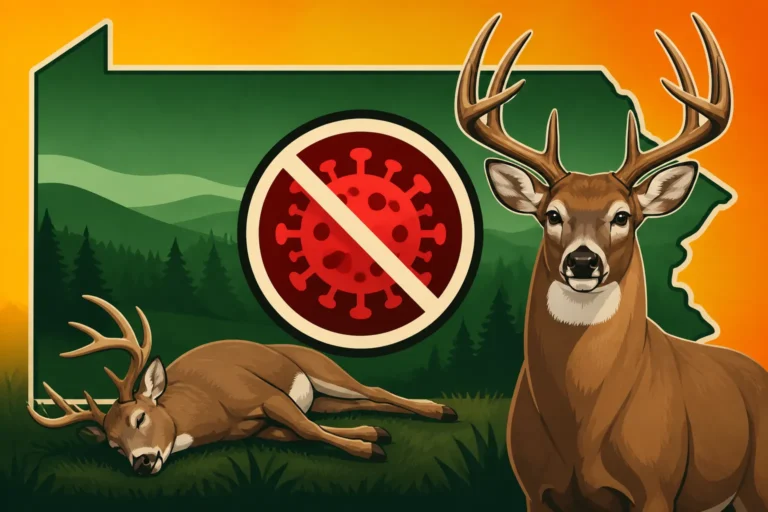
Epizootic Hemorrhagic Disease causes rapid viral infections in Pennsylvania deer, leading to severe symptoms, internal bleeding, and localized die-offs.
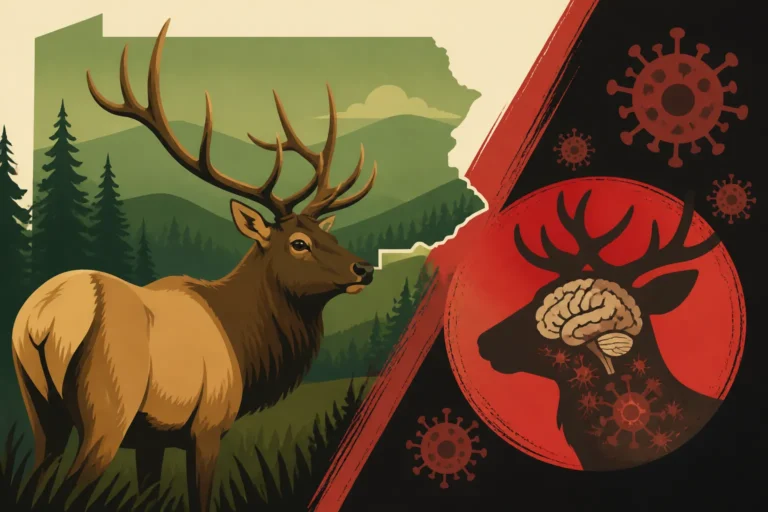
Chronic Wasting Disease threatens Pennsylvania elk through environmental prions, social herd structures, and long lifespans.
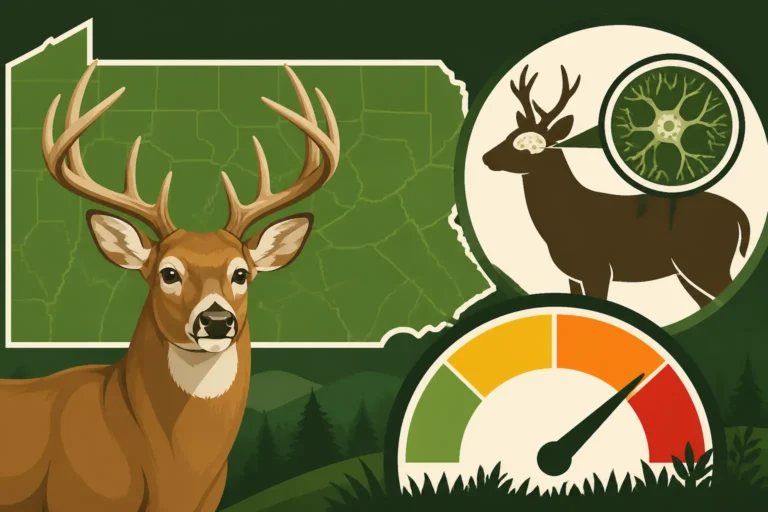
Pennsylvania Chronic Wasting Disease prevalence rates, transmission pathways, and hunting regulations explained for wildlife managers and hunters.
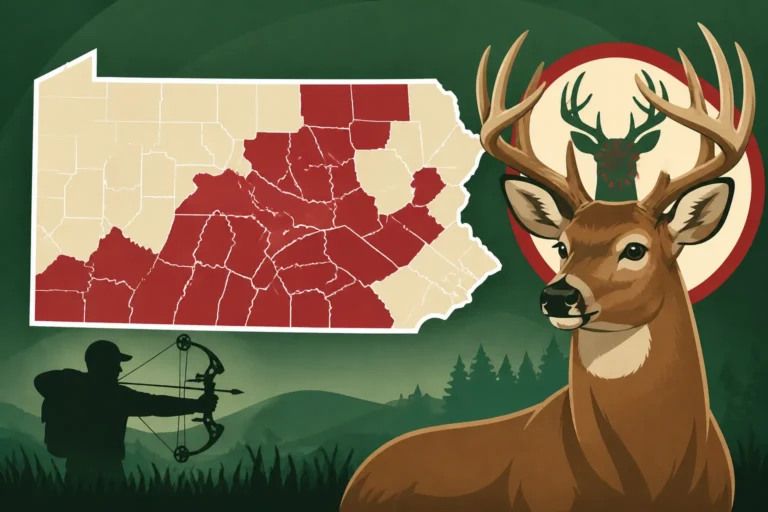
Chronic Wasting Disease in Pennsylvania deer and elk populations tracks affected areas through Disease Management Areas.
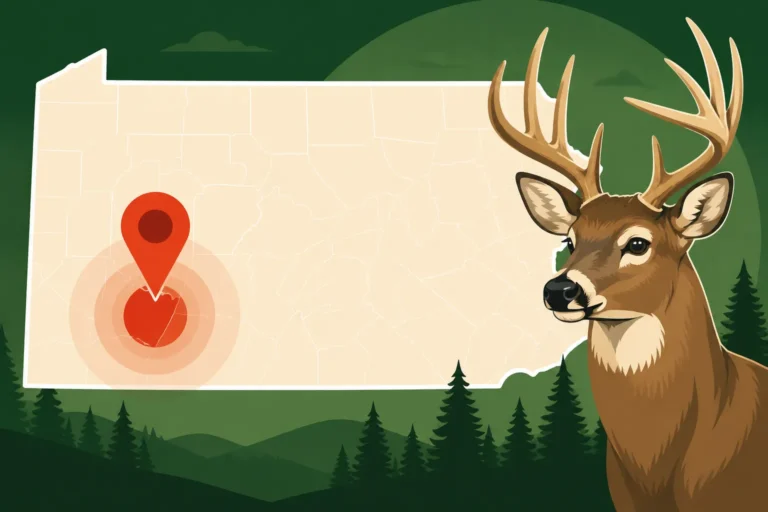
Chronic Wasting Disease first emerged in Pennsylvania at an Adams County captive deer facility during 2012, triggering surveillance and management zones.
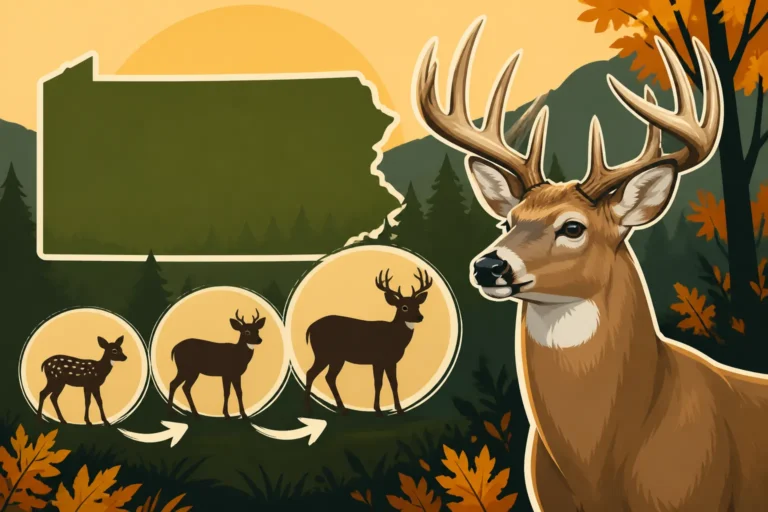
Pennsylvania buck age structure data explains how antler restrictions increased the proportion of male deer reaching three years old.