Hunting After the Acorn Crop Fails
Failed acorn crops disrupt Pennsylvania deer movement, forcing hunters to adapt strategies and locate alternative food sources.
Close the distance.
Archery, muzzleloader, and firearm techniques — calling, stand placement, still-hunting, spot-and-stalk, and the weapon rules that change at the state line.
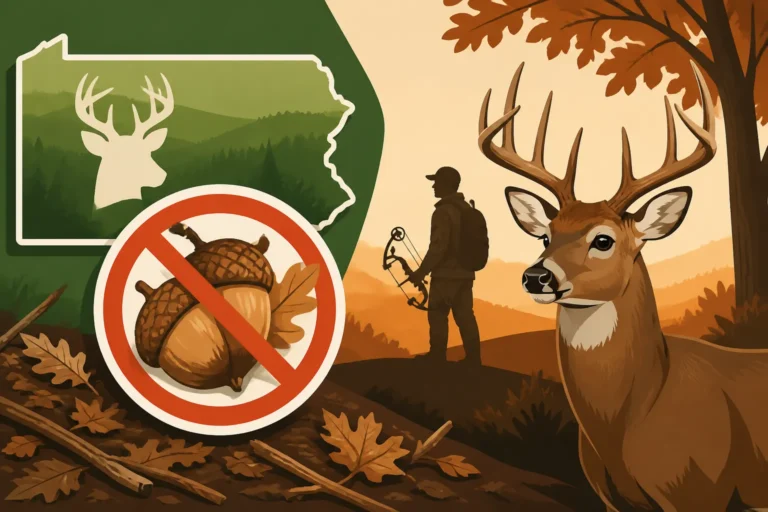
Failed acorn crops disrupt Pennsylvania deer movement, forcing hunters to adapt strategies and locate alternative food sources.
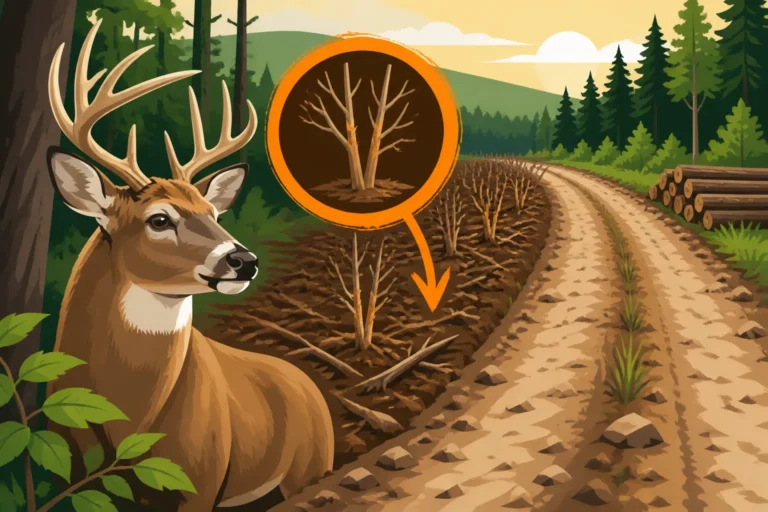
Logging roads concentrate Pennsylvania deer movement, creating ideal travel corridors and edge habitats for finding mature buck scrape lines.
Pennsylvania deer hunting strategies using grunt calls in mature timber help hunters attract bucks in dense woods.

Adjusting rattling volume and technique helps Pennsylvania hunters cut through thick forest cover to pull in nearby bucks.
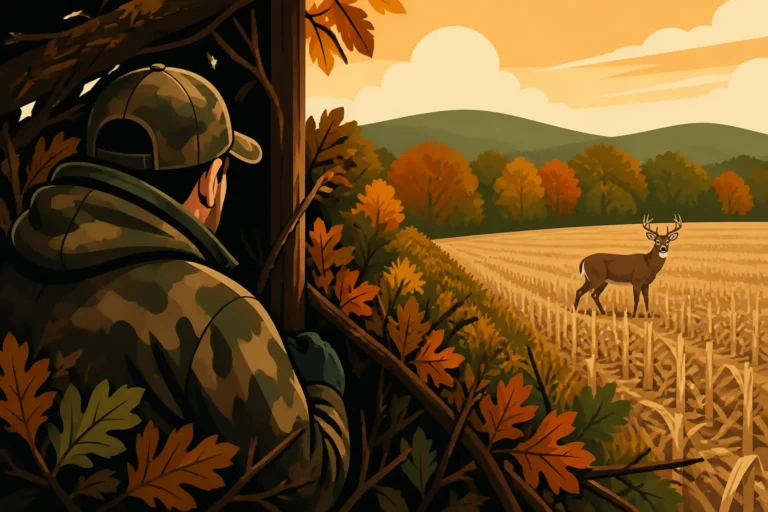
Field edge blind concealment hides unnatural shapes from deer vision, ensuring relaxed shot opportunities during hunting season.
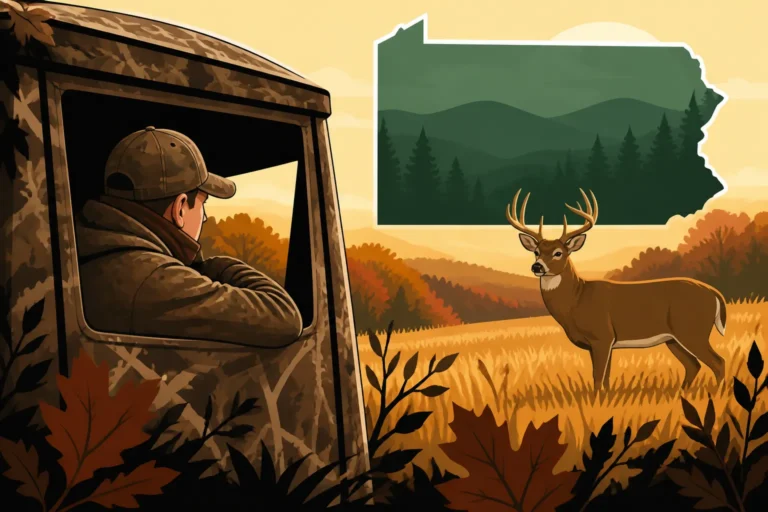
Pennsylvania Game Lands ground blinds require following public regulations while avoiding theft, vandalism, and wary deer.
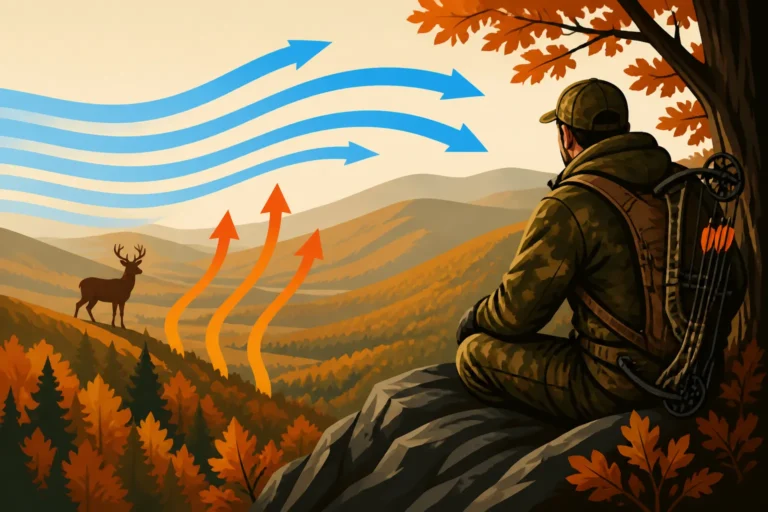
Pennsylvania ridge wind and thermal shifts explain air movement patterns, helping hunters predict scent flow and avoid deer.
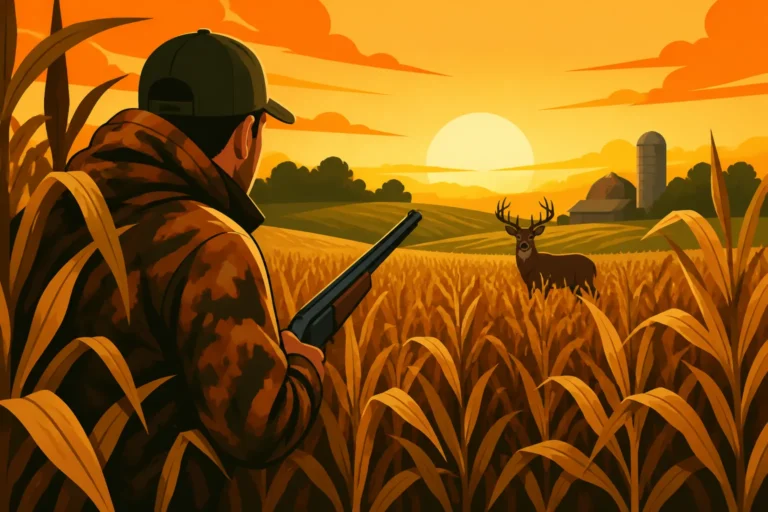
Pennsylvania standing cornfields provide whitetail deer with abundant food, thermal cover, and security during hunting season.

Steep terrain hunting routes in Pennsylvania demand careful stealth, scent control, and safety to reach remote deer areas.
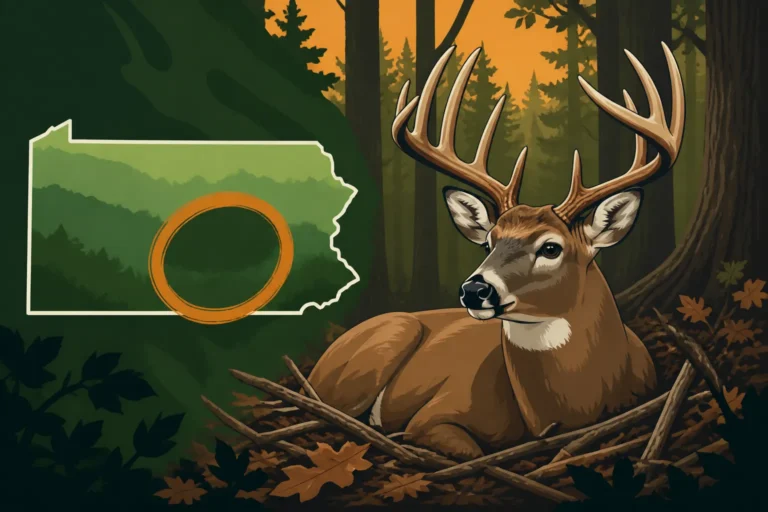
Pennsylvania big woods deer bedding habits, topography, and hunting pressure determine where mature bucks hide on public lands.