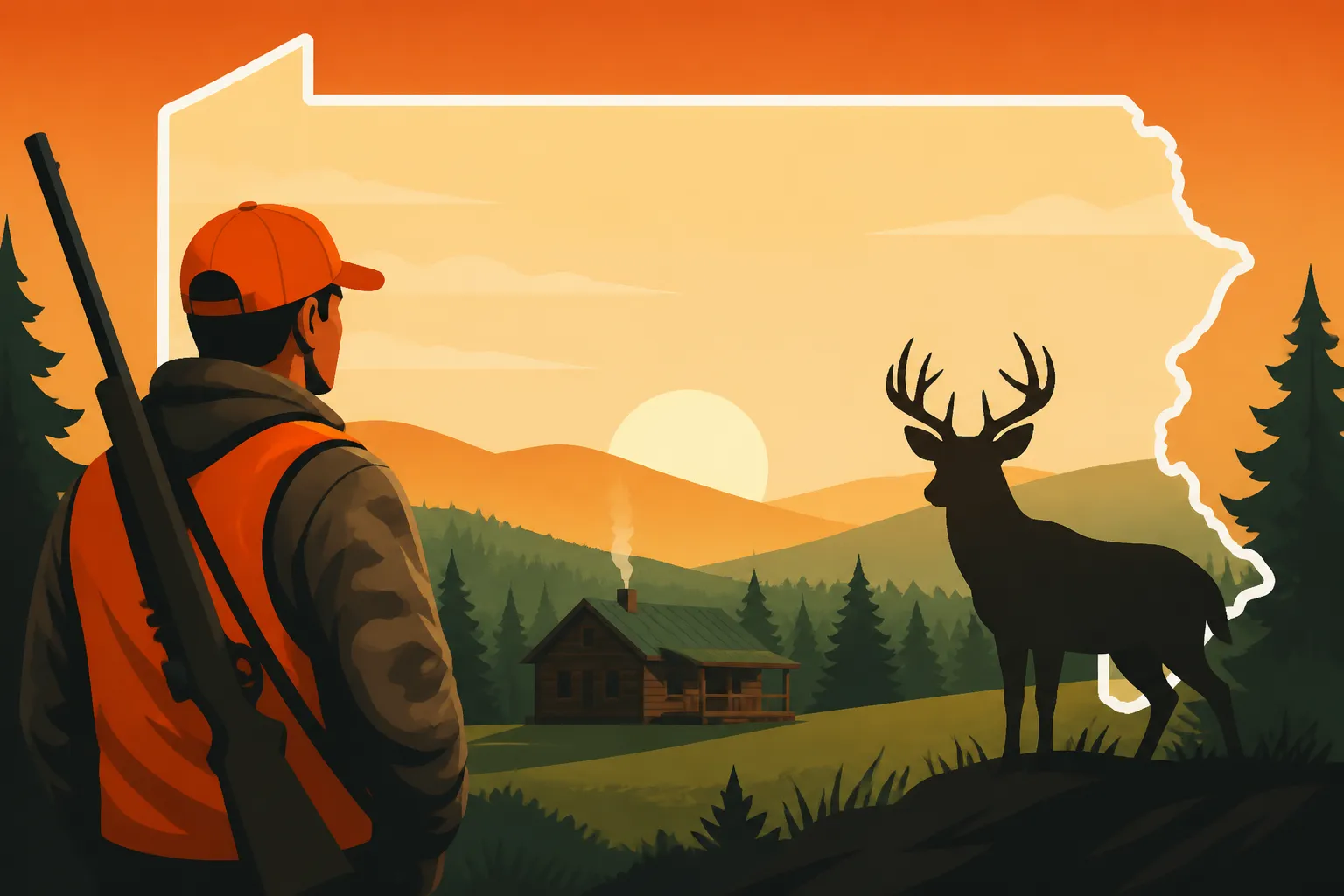
Pennsylvania Hunting Camps and Clubs
Finding consistent, quality hunting ground in Pennsylvania, especially land you can truly call your own, is a challenge many hunters face. The dream of a dedicated spot, a place where traditions are built and memories forged, often feels out of reach amidst crowded public lands and ever-dwindling private access. This comprehensive guide will walk you through everything you need to know about Pennsylvania hunting camps and clubs, from understanding their unique appeal to the practicalities of finding, joining, or even creating your own hunting haven.
What Exactly Is a Pennsylvania Hunting Camp or Club?
When we talk about hunting in Pennsylvania, the terms "camp" and "club" often get used interchangeably, but they actually represent distinct experiences, each with its own charm and set of considerations. Both offer a sense of belonging and dedicated hunting space that can be invaluable, but they cater to slightly different needs and aspirations for the avid outdoorsperson.
The Traditional PA Hunting Camp: A Home Away From Home
Ah, the Pennsylvania hunting camp. For many, this conjures images of rustic cabins nestled deep in the big woods, wood smoke curling from a chimney, and a perpetual pot of coffee on the stove. This is the classic setup: a physical structure, often owned by a small group of friends or family, serving as a basecamp for hunting forays. These camps are more than just a place to sleep; they are repositories of history, tradition, and countless hunting stories. They might be simple structures with bunk beds and an outhouse, or more modern cabins with all the amenities. The common thread is shared ownership or long-term lease of the property itself, which usually includes the land on which the camp sits and the surrounding hunting acreage. It's a place to escape, to reconnect with nature and each other, and to truly immerse oneself in the hunting season, often for weeks at a time. The investment in a traditional camp runs deep, not just financially, but emotionally, becoming a generational touchstone.
These camps are often located in the more remote areas of Pennsylvania, far from urban centers, in counties known for their expansive timberlands and robust game populations. Think places like Potter, Tioga, or Clinton counties, where the land is rugged and the public access, such as State Game Lands and State Forests, is vast. Many of these camps have existed for decades, passed down through families, each nail and beam holding a story. They’re a place where the rituals of hunting—the pre-dawn breakfasts, the midday storytelling, the evening card games, and the shared responsibility of processing a deer—are meticulously observed. This deep connection to a specific piece of land and a particular group of people is what truly defines the traditional Pennsylvania hunting camp experience.
Modern Hunting Clubs: Shared Access and Resources
In contrast, a modern hunting club typically operates on a different model. Instead of individual or small-group ownership of a physical camp structure and associated land, a hunting club usually involves a larger membership base that collectively leases or owns substantial acreage for hunting purposes. Members pay annual dues, which cover the lease costs, property taxes, insurance, and often fund habitat improvements or other amenities. The "camp" might be a shared lodge, a designated meeting area, or simply access to the land itself without a permanent dwelling. The focus here is less on a private, rustic retreat and more on guaranteed access to a managed hunting property, often with specific rules and regulations governing member conduct and hunting practices.
These clubs can vary greatly in size and scope, from smaller, more intimate groups of a dozen members to large organizations with hundreds of members spanning vast tracts of land. They often employ wildlife management strategies, such as food plots, timber stand improvements, and trail maintenance, to enhance hunting opportunities. The appeal of a club is often the combination of guaranteed access to quality land, shared resources (like equipment or blinds), and a community of like-minded hunters without the heavy financial burden and ongoing maintenance of full property ownership. It’s a way to enjoy private land hunting, often in areas closer to civilization, without the commitment of buying land outright.
Distinguishing Between Camps, Leases, and Co-ops
To further clarify, it's helpful to draw a distinction between these various models. A "hunting camp" often implies the ownership of a physical structure and the land it occupies, usually by a small, close-knit group. A "hunting lease" can be simply paying a landowner for exclusive hunting rights on their property for a season or a year, without any permanent structures involved. Sometimes a group of individuals will form a "lease group" which functions much like a small, informal club, sharing the cost and coordinating their hunting efforts.
A "hunting co-op" is another model that sometimes emerges, particularly in farm country. This is where multiple landowners pool their properties, or agree to specific management practices, to create a larger, contiguous hunting area. Hunters then gain access to this broader area, usually for a fee or through a managed permit system. While it's less about a physical camp, the cooperative aspect can create a similar sense of shared stewardship and community that you find in clubs. The key difference lies in the level of personal investment and control. A camp offers the most control and permanence, a club offers shared control and a structured community, and a simple lease or co-op typically offers access with fewer long-term commitments or physical amenities.
The Allure of Having Your Own Hunting Camp
There's something deeply appealing about having a designated hunting camp or becoming part of a dedicated club. It taps into a primal desire for a home base, a territory, and a place where the year's hunting endeavors truly begin and end. For many Pennsylvania hunters, it’s not just about the harvest; it’s about the entire experience, and a hunting camp or club elevates that experience to a whole new level.
Building Lifelong Traditions and Camaraderie
One of the most profound benefits of a hunting camp or club is the sheer opportunity for building traditions and fostering deep camaraderie. Imagine waking up before dawn, the smell of coffee brewing and bacon sizzling, sharing quiet conversations with your hunting partners as the forest slowly awakens. These aren't just hunting trips; they're annual pilgrimages, creating memories that last a lifetime. Stories are told and retold around crackling fires, good-natured ribbing is exchanged over shared meals, and the bonds forged through shared effort, success, and even failure run deep. This is where mentors pass down wisdom to younger generations, teaching not just how to hunt, but how to respect the land and the animals.
These traditions often extend beyond the hunting season itself. Many camps have work weekends in the spring or summer, clearing trails, tending to food plots, or performing cabin maintenance. These times are just as valuable for strengthening friendships and ensuring the camp is ready for the upcoming season. It’s about a shared sense of ownership and responsibility, where everyone contributes to the collective good. The camaraderie found in a well-run hunting camp or club often extends to helping each other out, whether it's tracking a deer after the shot, lending a hand with field dressing, or simply sharing intel on game movement. Pennsylvania Deer Camp Traditions are rich and varied, and a dedicated camp or club is often at their heart.
Dedicated Access to Quality Hunting Ground
Perhaps the most practical and appealing aspect of a hunting camp or club is the dedicated access it provides to quality hunting ground. In a state like Pennsylvania, with its immense popularity among hunters, public land can sometimes feel crowded, especially during the opening days of various seasons. While there are fantastic opportunities on properties like Pennsylvania State Game Lands and Hunting Pennsylvania State Forests, having private, managed land to hunt offers a distinct advantage. It means less competition, more predictable game patterns (due to controlled pressure), and the ability to implement long-term habitat management strategies.
With consistent access, you can truly learn the land – every ridge, hollow, bedding area, and food source. You can scout year-round, set up stands in strategic locations without worrying about them being used by others, and even leave trail cameras out with a greater sense of security. This intimate knowledge of a specific property allows for more effective hunting strategies and a deeper connection to the local ecosystem. Instead of trying to find new spots every year, you're continually refining your understanding of a familiar, productive landscape. Using mapping tools like onX Hunt becomes incredibly powerful here, allowing members to meticulously map out stand locations, deer sign, and property boundaries, ensuring everyone is on the same page and respecting the land.
The Comfort of a Familiar Basecamp
Beyond the hunting itself, the sheer comfort and convenience of a familiar basecamp cannot be overstated. After a long, cold day in the woods, knowing you have a warm, dry place to return to, with your gear organized and a hot meal waiting, is a true luxury. No more fumbling with tents in the dark or packing up hotel rooms every morning. The camp becomes a sanctuary, a place where you can relax, debrief, and recharge for the next day's hunt. This is especially true during Pennsylvania's often unpredictable weather, from early archery season's warm days to the bitter cold of late-season firearms hunts.
The ability to leave gear at camp, set up your personal space, and not have to haul everything back and forth each day saves immense time and effort. It allows for a more relaxed and focused approach to hunting. Whether it's a rustic cabin or a modern lodge, the basecamp is where stories are embellished, plans are hatched, and the unique rituals of hunting are observed. From drying out wet clothes by the stove to having a designated spot for processing game, the camp streamlines the entire hunting experience, making it more enjoyable and efficient.
Joining a Hunting Club: Pros, Cons, and What to Expect
For many, the idea of owning an entire hunting camp might be financially or logistically out of reach. That's where joining a hunting club can be an excellent alternative, offering many of the benefits of private land access and community without the full burden of ownership. However, like any shared endeavor, it comes with its own set of advantages and challenges that are important to consider.
Benefits: Shared Costs, Diverse Knowledge, and Instant Community
The primary benefit of joining a hunting club is often the shared financial burden. Lease payments, property taxes, insurance, and maintenance costs for large tracts of land can be substantial, but when split among multiple members, they become much more manageable. This allows individuals to gain access to prime hunting ground that they could never afford on their own. Beyond the financial aspect, a club offers a built-in community of fellow hunters. This means a diverse pool of knowledge, experience, and skills. You'll likely learn new tactics, discover new gear, and gain insights from hunters who specialize in different aspects of the sport, from tracking to calling.
Many clubs are actively involved in habitat management, which can lead to better hunting opportunities. This might include planting food plots, managing timber, or creating bedding areas. As a member, you contribute to these efforts, knowing your dues are going towards improving the land and the wildlife it supports. Furthermore, most clubs have established rules and expectations for ethical hunting and land stewardship, which can create a more organized and respectful hunting environment compared to crowded public land. This instant community means you're not just buying access; you're joining a collective effort to improve hunting and build lasting friendships. You'll likely find that Scouting Pennsylvania Public Land Before Season becomes much more focused and targeted when you're scouting dedicated club land with shared goals.
Drawbacks: Rules, Personalities, and Limited Autonomy
However, joining a hunting club isn't without its potential drawbacks. The very structure that provides benefits – shared resources and rules – can also be a source of frustration. Clubs, by their nature, have regulations that govern everything from guest policies to harvest limits, stand placement, and even hunting methods. This means a certain degree of personal autonomy is surrendered. You might not agree with every rule, or feel that a specific regulation hinders your personal hunting style. Learning to navigate these rules and contribute constructively to club decisions is part of the membership.
Another significant challenge can be navigating group dynamics and differing personalities. Anytime you bring a group of people together, especially those passionate about a shared interest, there's potential for disagreement. Different opinions on game management, club expenditures, or even social conduct can lead to friction. It’s crucial to find a club whose members' ethics, goals, and personalities align with your own. Some hunters prefer complete independence and may find the committee meetings, shared responsibilities, and compromises of a club to be too restrictive. It’s a trade-off: shared benefits often come with shared decision-making, which isn't always smooth sailing.
Navigating the Application and Membership Process
If you're considering joining a hunting club, the application and membership process can vary widely. Smaller, informal clubs might operate on a word-of-mouth basis, requiring a personal introduction and a vetting period. Larger, more established clubs often have a formal application process, which may include interviews, background checks, and even a probationary period. Dues will be a significant factor, so it’s important to understand the full financial commitment upfront. This includes annual membership fees, potential initiation fees, and any requirements for contributing sweat equity to habitat projects or maintenance.
When evaluating a club, ask about everything: the history of the club, the size of the property, the game species available, the typical harvest success rates, the average age of members, and especially the specific rules and regulations. Inquire about how decisions are made, conflict resolution processes, and guest policies. It's often beneficial to spend some time with current members, perhaps attending a social event or a work day, to get a feel for the group dynamic before committing. A well-chosen club can become a second family and a lifelong hunting home, while a poor fit can lead to wasted time and money. Be sure to understand Pennsylvania Hunter Orange Rules and other safety regulations, as clubs often enforce these strictly.
Finding and Forming Your Own Hunting Camp
The allure of having a dedicated hunting camp, a personal retreat in the Pennsylvania woods, is powerful. For some, joining a club isn't quite the same as having that intimate, family-style connection to a piece of land. If your dream leans more towards owning or establishing your own camp, whether with a few trusted partners or as a solo venture, there are distinct paths you can take.
Identifying the Right Location and Property Type
The first step in forming your own hunting camp is identifying the right location and type of property. Pennsylvania is a diverse state, offering everything from vast tracts of mountainous "big woods" to rolling hills of farmland interspersed with woodlots. Your choice will largely depend on your primary hunting interests. If you dream of tracking mature bucks through dense cover and navigating steep terrain, you might focus on properties in the north-central counties. For those interested in larger deer populations, higher agricultural influence, and potentially bigger-bodied bucks, the farm country of southern Pennsylvania might be more appealing.
Consider the following factors:
- Game Species: Are you primarily interested in deer, bear, turkey, or a mix? Certain areas are stronger for specific species. White-Tailed Deer Across Pennsylvania numbers vary greatly by WMU, as do populations of Pennsylvania's Black Bear Population and Wild Turkeys in Pennsylvania.
- Access: How easy is it to get to the property? Is it accessible year-round? What about power, water, or septic if you plan to build or place a permanent structure?
- Terrain and Cover: Does the land offer varied terrain, good bedding areas, natural funnels, and diverse food sources?
- Proximity: How far is the property from your primary residence? Weekend trips become more feasible if the drive isn't too arduous.
- Local Services: Are there nearby towns for supplies, gas, or emergency services?
- Existing Infrastructure: Does the property already have a cabin, well, or septic system, or will you need to start from scratch?
Using online mapping tools like onX Hunt or even checking county parcel maps can be invaluable for initial research, helping you identify potential properties, understand their topography, and locate nearby public access points. This level of detail helps you visualize the hunting potential before even stepping foot on the land.
Partnering Up: Shared Ownership and Responsibilities
Purchasing land, especially acreage suitable for hunting, is a significant financial investment. For many, the most realistic way to achieve the dream of a private hunting camp is by partnering with a few trusted friends or family members. This shared ownership model spreads the financial burden of purchase, taxes, and maintenance, making it much more attainable. However, it also requires careful planning and clear communication to avoid future disagreements.
Before pooling resources, it is absolutely critical to establish a formal agreement outlining:
- Ownership Structure: How will the property be legally owned (e.g., LLC, Tenants in Common)?
- Financial Contributions: Who pays what share of the purchase price, taxes, insurance, and maintenance?
- Decision-Making: How will major decisions about the property (e.g., selling, major improvements, cutting timber) be made?
- Usage Rules: How will hunting dates, guest policies, and other usage logistics be managed?
- Exit Strategy: What happens if one partner wants to sell their share or can no longer contribute?
Having a written agreement, ideally drafted with legal counsel, protects everyone involved and provides a clear framework for managing the property. While it might feel overly formal for friends or family, it's a crucial step in ensuring the camp remains a source of joy, not contention. Shared responsibilities for maintaining the property, clearing trails, and even doing Butchering a Deer at Camp can strengthen bonds, but only if expectations are clear and equitable.
Leasing Land: An Alternative to Ownership
If outright ownership isn't feasible, or you prefer less long-term commitment, leasing hunting land is a fantastic alternative for establishing a private camp-like experience. Many private landowners in Pennsylvania, particularly those with larger tracts of timber or farmland, are open to leasing their hunting rights for a fee. This grants you exclusive access to their property for a defined period, typically a year or a season.
When seeking a lease, focus on building relationships with landowners. A personal connection often goes a long way. Consider smaller, overlooked parcels that might be less competitive to lease. Be prepared to offer a fair price, but also emphasize your commitment to responsible land use, wildlife stewardship, and respect for their property. Many landowners appreciate hunters who are willing to help with property maintenance, such as fixing fences or checking on things during the off-season.
Leasing provides many of the benefits of private land hunting—reduced pressure, familiar territory, and the ability to implement some habitat improvements (with landowner permission)—without the significant upfront cost of purchase. You might still establish a temporary camp structure, like a pop-up camper or a small shed, to serve as your basecamp during hunting season. Remember to get all lease agreements in writing, clearly outlining access rights, hunting dates, game species, guest policies, and any specific expectations the landowner has. Getting Private Land Permission in Pennsylvania often involves these same principles of respect and clear communication, even for short-term access.
Legality, Costs, and Responsibilities of Hunting Camps and Clubs
Whether you're looking to join a club or start your own camp, understanding the legal framework, financial obligations, and shared responsibilities is paramount. Pennsylvania has specific laws governing hunting, property rights, and land use, and these directly impact how camps and clubs operate. Being prepared for these aspects ensures a smooth and enjoyable experience for everyone involved.
Understanding Property Laws and Access Rights
When dealing with private hunting land, whether owned or leased, understanding property laws and access rights is non-negotiable. This includes:
- Trespass Laws: Pennsylvania has clear laws regarding trespassing. Ensure your camp or club has properly defined boundaries and that all members and guests understand them. Always respect adjacent private property; inadvertently crossing a boundary, even while Tracking a Deer in Pennsylvania Snow, can lead to serious issues.
- Safety Zones: Be aware of safety zones around occupied dwellings and other structures. Pennsylvania mandates specific distances within which you cannot discharge a firearm or bow. These rules apply equally to private land.
- Posting Requirements: If you want to deter unauthorized access, understand the legal requirements for posting your property with "No Trespassing" signs.
- Access Easements: If your property relies on an easement across someone else's land for access, ensure those rights are clearly documented and understood by all parties.
- Local Ordinances: Beyond state laws, local townships or municipalities may have their own ordinances regarding hunting, noise, or building permits. Always check with local authorities before undertaking any significant construction or activity.
Using tools like onX Hunt, which clearly displays property lines and landowner information, can be incredibly helpful in understanding where your boundaries are and who your neighbors are. This can prevent accidental trespass and ensure you're hunting legally and responsibly.
Financial Commitments: From Upkeep to Membership Dues
The financial aspect is often the biggest hurdle for establishing or joining a hunting camp or club. Costs can range dramatically, but here's a general breakdown:
| Type of Expense | Hunting Camp (Owned by Group) | Hunting Club (Membership) | Hunting Lease (Group) |
|---|---|---|---|
| Initial Cost | Significant: Property purchase, cabin construction/renovation | Moderate: Initiation fees (if applicable) | Low-Moderate: First year's lease payment |
| Annual Costs | Property taxes, insurance, utilities, maintenance, supplies | Annual membership dues, potential assessments for improvements | Annual lease payment, minor maintenance, insurance (optional) |
| Ongoing Upkeep | Significant: All property and cabin maintenance, habitat work | Moderate: Shared responsibility for habitat and facilities | Low-Moderate: Basic trail/stand maintenance (with permission) |
| Per-Person Cost | Varies greatly by group size and property value | Annual dues can range from hundreds to thousands | Varies by group size and lease value |
| Long-Term Asset | Yes, property ownership | No, only access rights | No, only access rights for lease term |
It’s important to be completely transparent about these costs with all partners or prospective club members. Beyond the direct fees, consider indirect costs like fuel for travel, food and supplies for the camp, and personal hunting gear. Establishing a budget and a clear system for collecting dues or contributions is crucial for the financial health of any camp or club. Don't forget to factor in the cost of Pennsylvania Hunting Licences and What They Cost for all members, as well as specific tags like Pennsylvania Antlerless Deer Licences Explained or a Pennsylvania Bear Licence and Seasons.
Shared Workload and Habitat Improvement Projects
Beyond the financial contributions, both hunting camps and clubs thrive on shared workload and a collective commitment to improving the land. Habitat management is not just a nice-to-have; it's a critical component of maximizing hunting opportunities and ensuring the long-term health of the wildlife population on your property. This can include:
- Creating Food Plots: Planting beneficial crops like clover, brassicas, or corn to attract and nourish game.
- Timber Stand Improvement: Selective cutting or thinning to promote desirable tree species and create better browse and cover.
- Trail Maintenance: Clearing and maintaining access roads and walking trails for easier movement and to reduce disturbance.
- Bedding Area Creation: Manipulating cover to create dense areas where deer feel safe to bed.
- Water Sources: Developing or enhancing ponds, seeps, or guzzlers.
These projects require time, effort, and sometimes specialized equipment. In a hunting camp, these are often undertaken by the partners. In a club, members might be required to contribute a certain number of "work hours" per year or pay an additional fee if they can't participate. These shared efforts not only improve the hunting environment but also strengthen the bonds between members and instill a deeper sense of stewardship for the land. Using aerial maps from services like onX Hunt or GoHunt can help in planning these projects, identifying areas for new food plots, or marking potential bedding cover to target for improvement.
Making the Most of Your Hunting Camp or Club Experience
Having access to a Pennsylvania hunting camp or being part of a vibrant club is a fantastic opportunity, but it's the active participation and dedication of its members that truly makes the experience unforgettable. It’s about more than just showing up to hunt; it’s about fostering a community, contributing to the land, and passing on a legacy.
Fostering Community and Shared Goals
The heart of any successful hunting camp or club lies in its community. Beyond the hunting, it's the shared meals, the storytelling, the laughter, and the support that truly define the experience. Encourage regular communication, not just about hunting intel but about general updates, camp needs, and social gatherings. Organize events beyond the hunting season, such as summer cookouts, fishing trips, or youth mentoring days. These activities strengthen the bonds between members and reinforce the feeling of being part of something larger than oneself.
Establishing clear, shared goals is also vital. Is the primary goal trophy hunting, meat hunting, or a balance of both? Is habitat improvement a top priority? What are the long-term visions for the property or the club? When everyone is working towards the same objectives, decision-making is smoother, and conflicts are minimized. A spirit of mutual respect, good sportsmanship, and a willingness to compromise will ensure that the camp or club remains a welcoming and enjoyable place for all. After all, the best stories are often made when everyone feels included and valued.
Contributing to Habitat and Land Management
A true hunter understands that good hunting isn't just about the chase; it's about being a steward of the land and its wildlife. Actively contributing to habitat and land management is one of the most rewarding aspects of a hunting camp or club. This can involve anything from planting a small food plot to participating in larger timber stand improvement projects, creating hinge-cut bedding areas, or maintaining trails and roads. These efforts directly benefit the game species you pursue, improving their health, numbers, and the overall quality of the hunting experience.
Consider developing a long-term habitat management plan for your property or club land. This might involve consulting with wildlife biologists or foresters from the Pennsylvania Game Commission or private entities. Even small efforts, consistently applied, can make a significant difference over time. Documenting your work and its impact can be incredibly satisfying and can help guide future efforts. This shared commitment to the land also instills a deeper sense of pride and connection to your hunting grounds, transforming a mere property into a thriving wildlife haven. Utilizing tools like Reading Aerial Photos for Big Woods Deer can help identify areas that could benefit from specific habitat improvements.
Passing Down the Legacy to Future Generations
Perhaps the most profound impact of a dedicated hunting camp or club is its role in passing down the legacy of hunting to future generations. These are the places where children and grandchildren learn the ropes, absorb the traditions, and fall in love with the outdoors. It’s where they learn about conservation, ethics, and responsible hunting. Many camps and clubs prioritize youth involvement, offering mentored hunts and educational opportunities. Pennsylvania Hunter Education and Mentored Permits are designed to facilitate this, allowing new hunters to experience the field under the guidance of experienced adults.
Creating an environment where young hunters feel welcome, safe, and encouraged is crucial. Involve them in camp chores, scouting trips, and even the habitat projects. Share stories, teach them about tracking, and emphasize the importance of respect for wildlife and the land. By nurturing this connection, you ensure that the traditions and values of hunting continue to thrive. A well-established hunting camp or club isn't just a place for today's hunters; it's an investment in the future of Pennsylvania's hunting heritage, ensuring that the next generation has their own stories to tell around the campfire.
Disclaimer
This article is for general informational purposes only and does not constitute professional advice. Laws, prices and regulations vary by location and change over time. Consult a qualified professional for guidance on your specific situation.