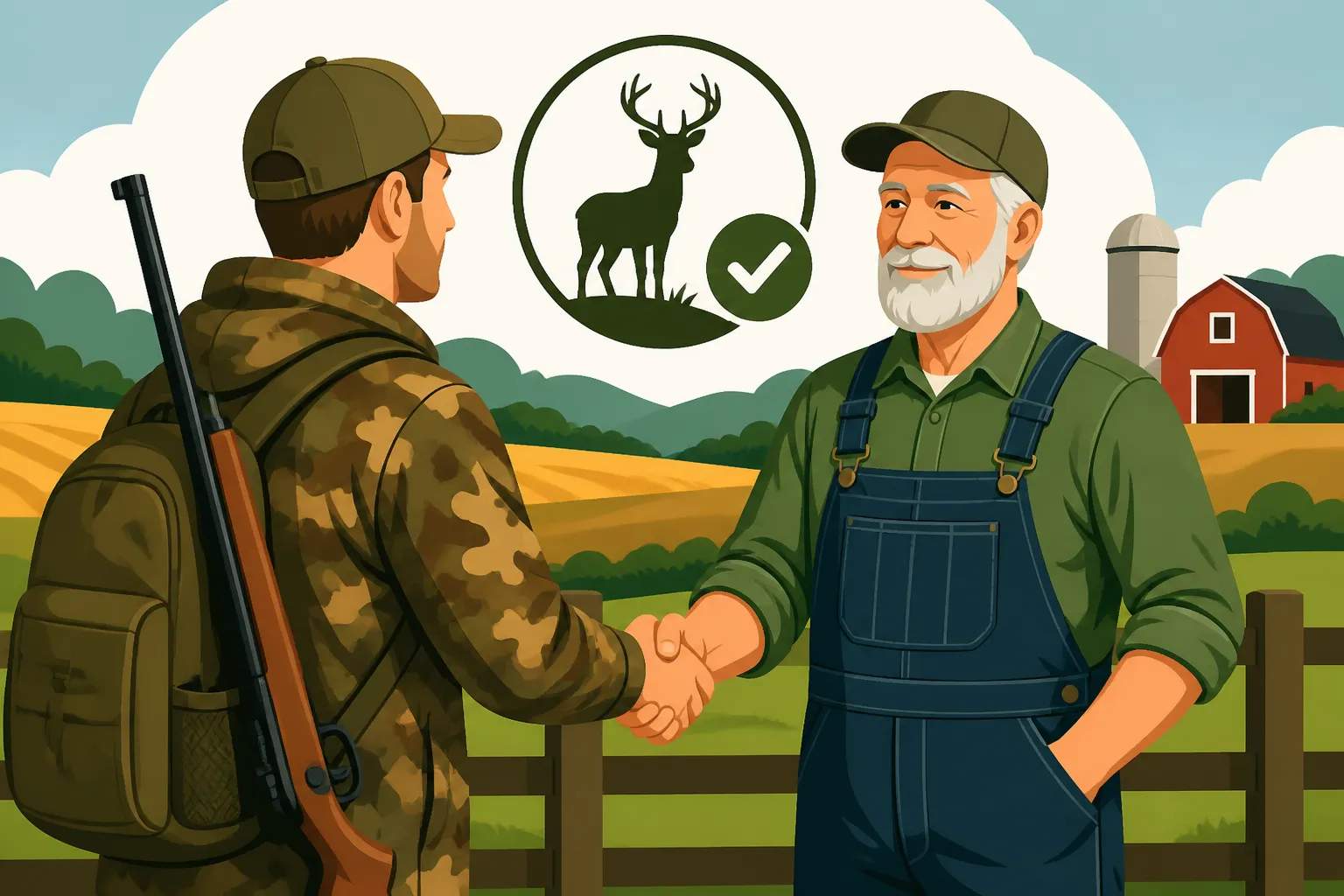
Asking a Pennsylvania Farmer for Permission
It's a common story: you've spent hours poring over maps, dreaming of that big Pennsylvania buck, only to find the prime spots are locked behind "No Trespassing" signs. Public land can feel crowded, especially during peak seasons, and sometimes the best hunting opportunities lie on private farms and woodlots. The good news is, many landowners are open to granting permission, but you can't just show up and expect a welcome. This guide will walk you through the respectful and effective ways to approach Pennsylvania farmers for hunting access, turning those locked gates into open doors.
Understanding the Landscape of Private Land in Pennsylvania
Pennsylvania is a patchwork of public and private ground, and while we're blessed with extensive State Game Lands and State Forests, a significant amount of prime hunting territory, especially in the more fertile agricultural regions, is privately owned. Understanding this landscape, and the motivations of the landowners, is your first step towards earning permission.
Why Private Land is Crucial for Hunters
Let's be honest, hunting pressure on public land, especially in popular areas, can be intense. From opening day of archery to the late muzzleloader season, you might find yourself constantly bumping into other hunters. Private land, on the other hand, often offers a different experience. Deer on private farms can be less pressured, follow more predictable patterns, and potentially grow larger due to consistent food sources and less disturbance. Farm Country Deer Hunting in Southern Pennsylvania often highlights how agricultural areas can hold exceptional deer. Accessing private land can open up opportunities to hunt these less-pressured animals, allowing for more strategic and often more rewarding hunts. It also means you can often hunt closer to home, saving on travel time and expenses.
The Farmer's Perspective: What They Face
Before you even think about knocking on a door, put yourself in the farmer's boots. They are dealing with a multitude of daily challenges: protecting their crops, managing livestock, maintaining their property, and often, dealing with deer damage. Many have also had negative experiences with hunters in the past – gates left open, trash strewn about, crops damaged, or even dangerous shots taken too close to buildings or livestock. These past incidents, sadly, make many landowners hesitant. They're not just guarding their land; they're protecting their livelihood and their family's safety. Understanding this perspective helps you tailor your approach to address their concerns directly, rather than just focusing on your desire to hunt.
Legalities of Access: Posted vs. Unposted Land
In Pennsylvania, the law is pretty clear when it comes to private property. While some states have "implied permission" laws for unposted land, Pennsylvania generally requires permission to hunt on private property, whether it's posted with "No Trespassing" signs or not. It's always safest to assume you need permission. Posted signs, typically bright orange or yellow, are a landowner's way of formally stating that entry is forbidden. Even if land isn't posted, it doesn't mean it's fair game. Trespassing, even unknowingly, can lead to fines and loss of hunting privileges. This is why asking for permission is not just a courtesy; it's a legal necessity. You definitely want to understand Pennsylvania Trespass and Permission Law before stepping foot on private ground.
The Art of the Ask: Approaching Farmers for Permission
Getting permission isn't about luck; it's about strategy, respect, and presentation. Think of it as an interview for a highly sought-after position – you want to make the best possible impression and demonstrate your value.
Pre-Approach Scouting and Research
This step is critical. Don't just pick a random farm; do your homework. Start by identifying areas that look promising for hunting. This might be fields adjacent to public land, woodlots near water sources, or properties with good cover and food. Modern mapping tools are invaluable here. Applications like onX Hunt allow you to see property boundaries, landowner names, and aerial imagery, giving you a comprehensive view of the landscape before you even leave your couch. You can identify potential access points, understand the terrain, and even learn if a property has been recently timbered, which can be fantastic habitat for deer and other game. Scouting With the Pennsylvania Mapping Center can also be a huge help here. Before approaching, you might even drive by the property (from public roads, of course) to get a feel for the operation – is it a working dairy farm, a crop farm, or primarily woodland? This information helps you understand the landowner's context and tailor your conversation.
Timing and Presentation: Making a Good First Impression
The timing of your visit and your personal presentation can make all the difference. Avoid showing up during busy times like planting, harvesting, or milking. Early evenings, after dinner, or mid-morning on a weekend might be better, but always be prepared for the farmer to be busy. If they are, politely offer to come back at a more convenient time.
When you do approach, dress neatly and cleanly. You don't need to wear a suit, but don't show up in your grimy hunting clothes either. Present yourself as a responsible, respectful individual. Your vehicle should be clean, not covered in mud. These small details convey that you are a serious and considerate person, not someone who's going to disrespect their property. Carry a notebook and pen, and perhaps a small map of their property (from your onX Hunt research) to show you've done your homework. This demonstrates professionalism and respect for their time.
What to Say: Crafting Your Pitch
Once you've made contact, your words are your most important tool. Start by introducing yourself clearly and explaining why you're there. Be honest and straightforward.
Example Opening: "Good morning/afternoon, my name is [Your Name], and I live over in [Your Town/Area]. I was admiring your property and noticed [mention something specific you saw, e.g., 'that beautiful woodlot' or 'the cornfield bordering the creek']. I'm an avid hunter, and I was wondering if you ever allow respectful hunters to access your land for [specific game, e.g., 'archery deer hunting']?"
Then, be prepared to answer questions and address their concerns. Here are key points to convey:
- Respect for Property: Emphasize that you will treat their land as if it were your own. Promise to close all gates, avoid crops, stay clear of buildings, and leave no trash behind.
- Safety: Highlight your commitment to safety. Mention your hunter education certification if you have it. Assure them you will always know your backdrop, wear appropriate hunter orange when required, and will never shoot towards buildings or livestock.
- Specific Request: Be clear about what you want to hunt (e.g., deer, turkey, small game) and during which season (e.g., Bowhunting Pennsylvania's October Archery Season, Spring Gobbler Hunting in Pennsylvania). Don't ask for permission to hunt everything; a specific request is less overwhelming.
- Offer of Help: This is a fantastic way to build rapport. Offer to help with chores around the farm, especially if you get permission. "I'd be happy to help out with any chores you might have around the farm if I'm granted permission, perhaps some fence mending or moving firewood." Even if they decline, the offer shows your goodwill.
- CWD Awareness: If you're in a Chronic Wasting Disease (CWD) Disease Management Area (DMA), mention your awareness of Pennsylvania CWD Carcass Rules and your commitment to following them. This shows you're a responsible hunter who stays informed.
- Leave Contact Info: Offer your phone number and ask for theirs. This shows you're reachable and can be trusted.
What NOT to say:
- "Can I hunt whatever I want?" (Too broad, shows lack of respect)
- "I saw a huge buck on your property." (Focuses only on your gain, can sound presumptuous)
- "Everyone else lets me hunt." (Irrelevant to this farmer)
- "I'll pay you." (While some landowners lease land, offering money upfront can sometimes be off-putting. Let them bring it up if that's their practice. If they ask, be prepared to discuss it, but don't lead with it unless you know it's expected).
Building and Maintaining the Relationship
Getting permission is just the beginning. The real work is in maintaining that relationship, ensuring you're invited back year after year, and perhaps even opening doors to other properties.
Setting Clear Expectations and Agreements
Once a farmer agrees, clarify the specifics. It’s always best to get things in writing, even if it’s just a simple note. This protects both you and the landowner. A permission slip should outline:
- Your name and contact information.
- The landowner's name and contact information.
- The specific dates or seasons you're allowed to hunt.
- The species you're allowed to pursue.
- The exact boundaries of where you can hunt. You might use your onX Hunt app to mark these together.
- Any specific rules the landowner has, such as no hunting near certain buildings, specific parking areas, or times they prefer you not to be there.
- Any other conditions, such as whether you can bring a guest or use a treestand. (Remember Treestand Rules on Pennsylvania Game Lands apply to public land, but private land rules might be different, so always ask).
This might seem formal, but it prevents misunderstandings down the line. It's much easier to clarify details upfront than to smooth over a conflict later. Do You Need Written Permission in Pennsylvania? provides more insight into this important aspect.
Being a Model Hunter: Actions Speak Louder Than Words
This is where you prove your trustworthiness. Every time you're on their land, act as if the farmer is watching.
- Follow All Rules: Adhere strictly to both game laws and the landowner's specific rules. If they said no ATVs, don't even think about it.
- Respect Property: Never damage fences, gates, or crops. Stay on designated paths or field edges if requested. Pack out everything you pack in – absolutely no litter.
- Safety First: Always prioritize safety. Be acutely aware of your surroundings, especially if livestock or people are nearby. Be visible with hunter orange when required.
- Communicate: Let the landowner know when you plan to hunt and when you're leaving. If you harvest an animal, inform them promptly. If you encounter any issues (e.g., a downed fence, suspicious activity), report it to them.
- Leave No Trace: Make sure you don't leave any signs of your presence other than tracks. This includes spent casings, food wrappers, or anything else.
By being an exemplary guest, you not only ensure your continued access but also help to improve the reputation of hunters in general, potentially making it easier for others to gain permission in the future.
Showing Gratitude and Giving Back
A thank-you goes a long way. After the season, or if you harvest an animal, express your gratitude. This could be a handwritten thank-you note, a small gift like a gift card to a local diner, or offering a portion of your venison. Many hunters find that offering to help with chores is the most appreciated gesture. This could be helping to fix fences, clear brush, or assist with seasonal tasks like stacking firewood. A few hours of your time can be worth more than any store-bought gift.
Maintaining contact, even outside of hunting season, can also strengthen the relationship. A quick check-in call to see how harvest is going, or an offer of help if you see them working in the fields, shows you care beyond just the hunting opportunity. This long-term relationship building is key to sustained access.
Common Challenges and How to Overcome Them
It's not always easy. You'll face rejections, "No Trespassing" signs, and other hurdles. But with the right mindset and persistence, you can overcome many of these.
Dealing with Rejection Gracefully
You will get "no" as an answer sometimes. It's inevitable. Don't take it personally. A landowner's "no" could be due to a myriad of reasons that have nothing to do with you: they already have hunters, they've had bad experiences, they simply don't feel comfortable, or they plan to hunt it themselves. When you receive a "no," simply thank them for their time and move on. "I understand completely. Thank you for your time anyway, and have a good day." A gracious acceptance of a "no" leaves a positive impression, and you never know when circumstances might change, or if they might recommend another landowner.
Navigating "No Trespassing" Signs
As we discussed, "No Trespassing" signs mean exactly that: no entry without explicit permission. Respect them. These signs are often a response to past issues or simply a blanket policy to manage their property. You might still attempt to contact the landowner if you can identify them, but understand that these signs indicate a strong preference for privacy. Sometimes, a "No Trespassing" sign doesn't mean "never hunt here," it means "don't just walk on without asking." Use your onX Hunt app or county plat maps to find landowner information and make a respectful phone call or letter, rather than a direct approach at a posted property. It shows you respect their boundaries, even as you seek to understand their rules. Pennsylvania Posted Land Rules will offer more detail on what these signs mean for you.
The Value of Persistence and Networking
Finding private land permission can take time. Don't get discouraged by initial rejections. Persistence, combined with a good reputation, is invaluable.
- Start Small: Instead of going for the largest, most obvious farm, try seeking permission on smaller, less desirable tracts first. Prove yourself as a responsible hunter there, and that good reputation might spread.
- Networking: Talk to people in the community – at the hardware store, local diner, or even a church. Let them know you're a responsible hunter looking for permission. Word of mouth can be powerful. A local farmer who trusts you might put in a good word with a neighbor. Knocking on Doors in Pennsylvania Farm Country can be a slow process, but it builds relationships.
- Think Beyond Deer: Sometimes, asking for small game permission first (like Rabbit Hunting With Beagles in Pennsylvania or Squirrel Hunting Pennsylvania Hardwoods) is an easier "yes" for a landowner. It builds trust and a track record, which can lead to deer or turkey permission in later seasons.
- Be Patient: Building trust takes time. It might be years before you get access to that dream property, but the effort is worth it for the unique hunting experiences private land offers. Resources like GoHunt, while often focused on Western hunting, emphasize similar principles of research and respectful outreach to landowners, proving that these core values transcend regional differences.
Ultimately, gaining private land access in Pennsylvania is about respect, communication, and demonstrating you're a responsible conservationist. It's a privilege, not a right, and treating it as such will open up incredible opportunities.
| Action Item | What to Do | Why It Matters |
|---|---|---|
| Research Property | Use mapping tools like onX Hunt to find property boundaries, landowner names, and aerial views. Identify access points and observe the type of farming operation. | Shows you've done your homework, understand the land, and are serious. Helps you find the right landowner. |
| Timing & Presentation | Approach during non-busy hours, dressed neatly and cleanly. Keep your vehicle tidy. Be polite and respectful. | Creates a positive first impression, demonstrating you are considerate and responsible. |
| Craft Your Pitch | Introduce yourself, state your specific request (e.g., archery deer), emphasize safety and respect for property, offer help, and provide contact information. | Addresses common landowner concerns, builds trust, and makes your request clear and manageable for them. |
| Formalize Agreement | Get permission in writing, outlining dates, species, boundaries, and any specific rules. | Protects both you and the landowner from misunderstandings and ensures everyone is on the same page. |
| Be a Model Hunter | Adhere strictly to all game laws and landowner rules. Leave no trash, close gates, avoid crops/buildings, and communicate your movements and harvests. | Proves your trustworthiness, secures future access, and enhances the reputation of hunters. |
| Show Gratitude | Offer a thank-you note, a small gift, or assist with farm chores. Maintain contact. | Strengthens the relationship, shows genuine appreciation, and increases the likelihood of continued access. |
| Handle Rejection | Graciously accept "no" answers, thank the landowner for their time, and move on. | Maintains a positive image and doesn't burn bridges for future opportunities. |
Disclaimer
This article is for general informational purposes only and does not constitute professional advice. Laws, prices and regulations vary by location and change over time. Consult a qualified professional for guidance on your specific situation.