Is a .243 Enough for Pennsylvania Whitetails?
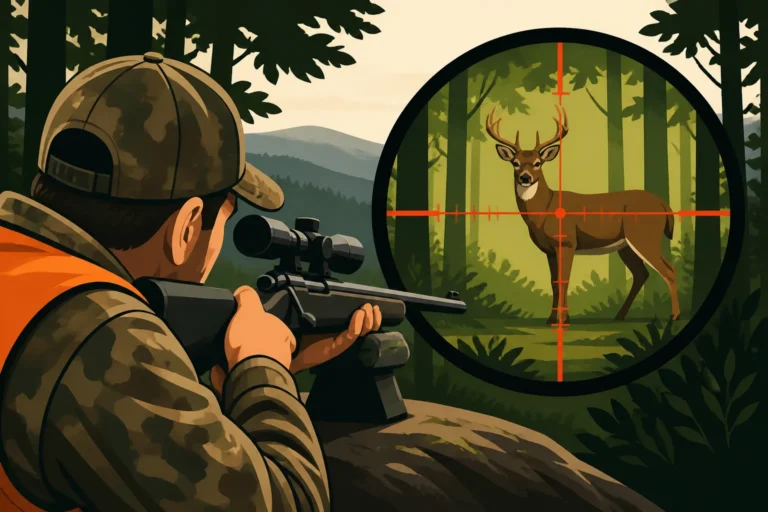
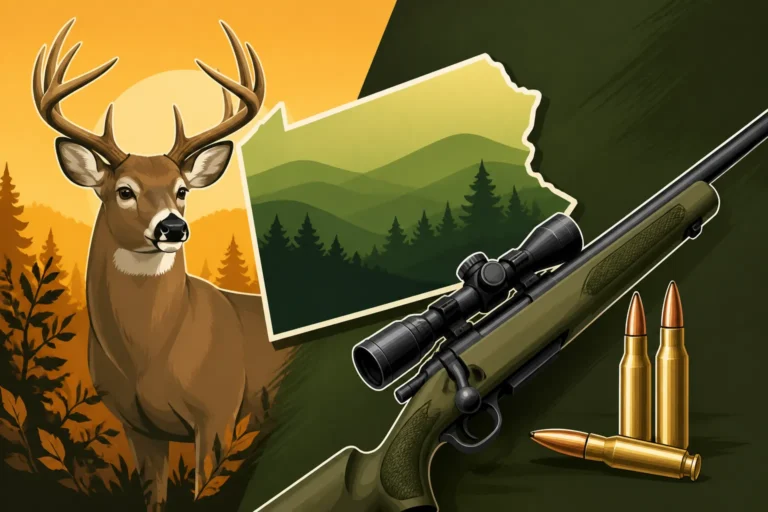
It’s a question that echoes through deer camps and sporting goods stores across the Commonwealth: "Is a .243 enough for Pennsylvania whitetails?" Many hunters, especially those new to the sport or looking for a lighter-recoiling option, grapple with this. They worry about whether this popular cartridge has the knockdown power to ethically harvest a deer in our often challenging terrain. This guide is here to cut through the noise and give you a realistic, experience-backed look at the .243 Winchester and its true capabilities for hunting deer right here in Pennsylvania.
Understanding the .243 Winchester for Deer Hunting
The .243 Winchester is a fantastic cartridge that has been around for decades, earning its stripes with varmint hunters and deer hunters alike. However, its dual-purpose nature sometimes leads to confusion about its effectiveness on larger game like deer. Let's really dig into what makes this cartridge tick and how it performs in the field.
Ballistics and Performance
When we talk about the .243, we're generally looking at bullets in the 80 to 100-grain range. These aren't heavy hitters compared to, say, a .30-06, but they make up for it with impressive velocity. Typically, an 80-grain bullet can scream out of the barrel at over 3,300 feet per second, while a 100-grain bullet will still hit around 3,000 fps. This high velocity translates into a very flat trajectory, which is a huge advantage when you might encounter shots that vary in distance, whether it's a quick 50-yard poke in thick cover or a 200-yard stretch across a power line right-of-way.
The energy delivered by these bullets, especially at reasonable ranges, is more than sufficient for deer. A well-placed 100-grain bullet can deliver over 2,000 foot-pounds of energy at the muzzle and still retain significant energy out to typical hunting distances. This energy, combined with proper bullet construction, creates ample hydrostatic shock and tissue damage to bring a deer down quickly and humanely. The key, as with any caliber, isn't necessarily brute force, but rather placing that force precisely where it needs to go: through the vital organs.
Recoil and Shooter Comfort
One of the most significant advantages of the .243 Winchester, and often the primary reason hunters choose it, is its exceptionally low recoil. For many, especially youth hunters, those sensitive to recoil, or even experienced shooters who simply prefer a more pleasant shooting experience, the difference is night and day. Compared to a .30-06 or even a .308, the .243 feels like a pop gun.
This reduced recoil isn't just about comfort; it directly translates to improved accuracy and increased confidence in the field. When a hunter isn't anticipating a hefty kick, they're less likely to flinch or develop bad habits like jerking the trigger. This allows for better focus on sight alignment and trigger control, leading to more consistent and precise shot placement. A hunter who confidently and accurately places a shot with a .243 is far more effective and ethical than one who shoots a magnum caliber poorly due to recoil apprehension. It's truly about finding a rifle you can shoot well, and for many, the .243 fits that bill perfectly.
Bullet Construction and Terminal Performance
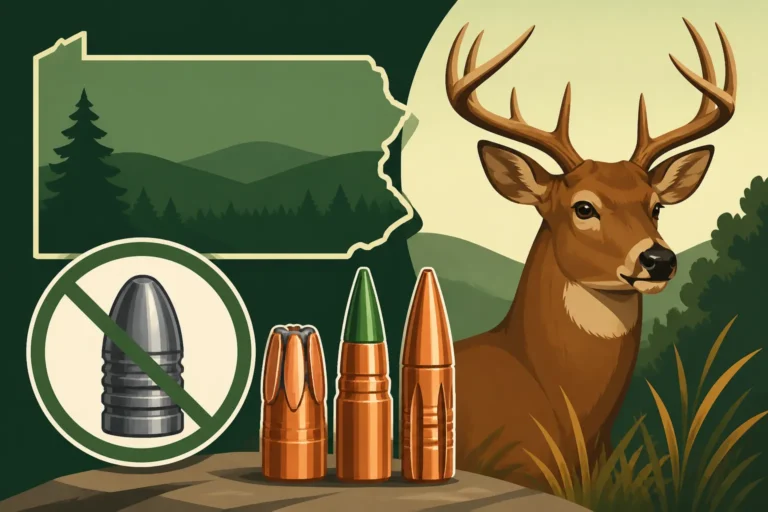
While the .243's ballistics are excellent, its terminal performance on deer hinges heavily on bullet construction. This is where many of the misconceptions about the .243 being "too small" often arise. If you load your .243 with varmint bullets designed for explosive expansion on small critters like groundhogs or coyotes, you're going to have a bad time on deer. These bullets are engineered to fragment rapidly, and they often lack the structural integrity to penetrate deep enough to reach the vitals of a deer, especially if they hit bone.
For deer hunting, it is absolutely paramount to choose bullets specifically designed for medium game. Look for options like bonded core bullets, monolithic copper bullets, or those with interlocked cores. Brands like Federal, Hornady, Remington, and Winchester all offer excellent hunting-specific loads in .243. These bullets are designed to retain their weight, expand reliably, and drive deep through tissue and bone, creating a devastating wound channel. A quality 95-grain or 100-grain bullet designed for deer will perform exceptionally well, offering adequate penetration and energy transfer for a clean kill. Don't skimp on ammunition when it comes to deer hunting with a .243 – it makes all the difference.
Factors to Consider in Pennsylvania's Diverse Hunting Environments
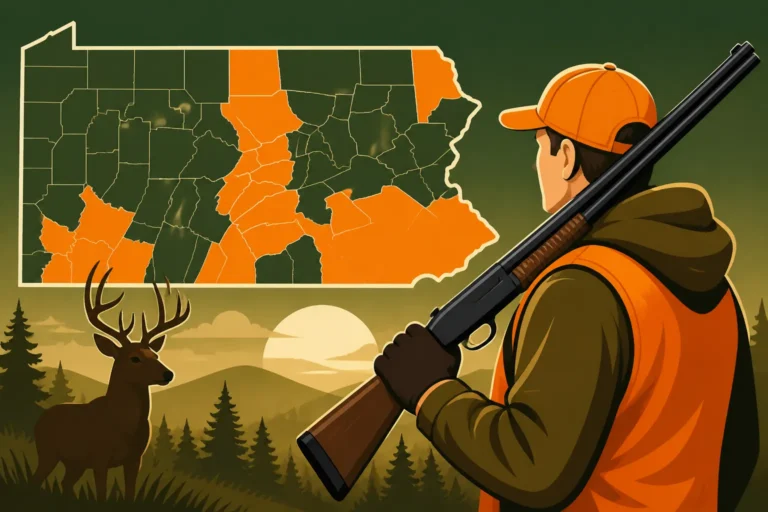
Pennsylvania offers a vast array of hunting landscapes, from the dense, rugged mountains of the Big Woods to the rolling agricultural fields of the south. How the .243 performs can be influenced by these varied environments and the characteristics of our deer herd.
Shot Distance and Terrain
Pennsylvania hunting often presents a mixed bag of shot opportunities. If you're Hunting Pennsylvania's Big Woods for Deer, your shots might be tight, close-range encounters in dense laurel thickets or thick regrowth, often under 100 yards. In these scenarios, the .243's flat trajectory is less critical than its ability to punch through minor brush with a solid bullet. While no bullet is truly "brush-busting," a well-constructed .243 bullet can certainly hold its own. For such close-range work, some hunters might prefer a larger caliber for the perceived added insurance, but the .243 is perfectly capable with good shot placement.
Conversely, if you find yourself Farm Country Deer Hunting in Southern Pennsylvania, you might encounter deer crossing open fields or power lines where shots can stretch out to 200 or even 300 yards. This is where the .243's flat trajectory truly shines. It minimizes trajectory compensation, making those longer shots more manageable for the average hunter. Knowing your rifle's capabilities and practicing at these distances are key. For longer shots, consider using a good rangefinder to precisely determine the distance, which can be easily incorporated into your GoHunt scouting setup.
Deer Size and Anatomy
Let's be realistic: Pennsylvania whitetails, while robust, are not the massive deer found in some western states or Canadian provinces. An average mature buck in much of Pennsylvania might weigh between 130-180 pounds dressed, with some farm country giants pushing closer to 200-220 pounds. These are not "armored" animals requiring magnum cartridges. The vital zone—the heart and lungs—is roughly the size of a dinner plate, and that's the target.
The .243 Winchester, with an appropriate deer-hunting bullet, delivers more than enough energy and penetration to efficiently destroy these vital organs. The critical factor is always shot placement. A 100-grain bullet through both lungs of a Pennsylvania whitetail is a lethal shot, pure and simple. It's far more effective than a poorly placed shot from a larger, more powerful rifle. Understanding deer anatomy and aiming for that engine room is crucial, regardless of the caliber you're using.
Ethical Considerations and Confidence
Ethical hunting is paramount, and it boils down to making the cleanest, most humane kill possible. For many, this means using a caliber that provides ample energy and penetration. The debate often centers on whether the .243 provides "enough" margin for error. While a larger caliber certainly might create a wider wound channel or offer more forgiveness for a slightly off-center hit, relying on a caliber to compensate for poor shooting is never ethical.
The real ethical consideration is whether you can shoot your rifle accurately and confidently. If you can consistently put a .243 bullet exactly where it needs to go, then it is absolutely an ethical choice for deer. In fact, many hunters find they shoot the .243 so much better than larger calibers that it actually leads to more ethical outcomes because their confidence and accuracy are higher. Choose the rifle that allows you to be the most proficient and accurate hunter possible.
Making the .243 Work for You in Pennsylvania
Simply owning a .243 isn't enough; you need to understand how to maximize its potential for Pennsylvania deer hunting. It’s about more than just pulling the trigger; it's about preparation and knowing your equipment.
Ammunition Selection is Critical
As we touched on earlier, this is arguably the most important factor when using a .243 for deer. Do not, under any circumstances, use varmint-specific ammunition for deer. These bullets are designed for rapid, explosive fragmentation on small, thin-skinned animals and will often fail to penetrate deep enough or hold together sufficiently for a clean deer kill.
Instead, seek out bullet designs that prioritize weight retention and controlled expansion. Look for cartridges loaded with bullets like Nosler Partition, Federal Fusion, Hornady InterLock, Remington Core-Lokt, or Winchester Power-Point. Many manufacturers also offer solid copper or bonded bullets, which are excellent for deep penetration. Experiment with different brands and bullet weights (typically 95-100 grain for deer) to see what shoots most accurately out of your specific rifle. Every rifle is a little different, and finding that perfect match between gun and ammo is key to consistent accuracy. If you're using a tool like GoHunt, you can often find reviews and recommendations for specific ammunition types from other hunters in your region.
Practice, Practice, Practice
No matter how inherently accurate your rifle is or how powerful your caliber, it’s all meaningless without regular practice. The saying "aim small, miss small" applies here. Head to the range and spend time not just shooting from a bench, but practicing shots from various field positions: kneeling, sitting, standing, and even simulating shooting from a treestand or a ground blind.
Practice at different ranges too. While many shots in Pennsylvania timber might be inside 100 yards, you need to know your rifle’s capabilities at 150, 200, and even 250 yards. Understand your bullet's drop at these distances. Consider practicing with your hunting clothes and gear on, as this can affect your shooting form. If you're Zeroing a Rifle for Woods Distances, make sure you understand how your bullet performs closer in as well as further out. Confidence comes from competence, and competence comes from practice. The more you practice, the more confident you'll be when that big buck finally steps out.
Understanding Your Limitations
Every hunter, and every rifle, has an effective range. For many hunters, this might be 200 yards. For others, it might be 150, or even 100 yards in challenging conditions. With a .243, it's particularly important to honestly assess your own skill level and your rifle's accuracy with your chosen ammunition. Don't push your ethical limits. If you're not confident in making a clean shot at 250 yards, don't take it.
Patience is a virtue in deer hunting, especially when using a caliber like the .243. Wait for a broadside or slightly quartering-away shot that presents a clear path to the vitals. Avoid risky shots like steep quartering-to or straight-on frontal shots unless you are absolutely certain of your bullet's path and your ability to make that shot. A responsible hunter understands that sometimes, the most ethical decision is to pass on a shot and wait for a better opportunity, or to simply let that deer walk away to be hunted another day.
Comparing the .243 to Other Popular Pennsylvania Deer Calibers
It's helpful to see where the .243 stands in relation to other common deer hunting calibers often used by Pennsylvania hunters. This can help clarify its role and dispel some myths.
.243 vs. Larger Calibers (.308, .270)
When considering Best Rifle Caliber for Pennsylvania Deer, the .243 often gets compared to its big brothers, the .308 Winchester and the .270 Winchester. Both the .308 and .270 throw heavier bullets, generally in the 130-180 grain range, and thus carry more kinetic energy downrange. This translates to a slightly larger margin of error if your shot placement isn't absolutely perfect, as the wider and heavier bullet might disrupt more tissue. However, this comes at the cost of increased recoil.
The .308 Winchester is known for its excellent balance of power and manageable recoil, and it's a very popular choice for timber and open country alike. The .270 Winchester is a flat-shooting powerhouse, often lauded for its long-range capabilities, but with more significant recoil than the .243. While both are undoubtedly excellent deer cartridges, the .243's primary advantage is its significantly reduced recoil, making it easier for many hunters to shoot accurately, which, as we've discussed, is the ultimate factor in a humane harvest.
Here's a quick comparison of these popular calibers for Pennsylvania deer:
| Caliber | Typical Bullet Weight (grains) | Muzzle Velocity (approx. fps) | Typical Muzzle Energy (approx. ft-lbs) | Relative Recoil (subjective) | Key Advantage on Deer |
|---|---|---|---|---|---|
| .243 Win | 80-100 | 3000-3300+ | 1800-2100+ | Very Low | Low recoil, flat trajectory, easy to shoot accurately |
| .308 Win | 150-180 | 2600-2800+ | 2600-2900+ | Moderate | Excellent balance of power and manageable recoil |
| .270 Win | 130-150 | 2900-3100+ | 2700-3000+ | Moderate to Firm | Very flat trajectory, good long-range energy |
Remember, these are general figures, and actual performance can vary with specific ammunition and barrel lengths. But it clearly illustrates the .243's position as a lighter-recoiling option while still delivering significant punch.
Practicality and Versatility
Beyond just deer, the .243 Winchester offers excellent versatility for the Pennsylvania hunter. It’s an ideal round for varmints like coyotes and groundhogs, where its flat trajectory and high velocity truly shine. This means a single rifle can serve multiple purposes throughout the year, which is a great benefit for many hunters.
Furthermore, the .243 makes for an excellent starter rifle. It allows new hunters, including mentored youth hunters, to learn proper shooting fundamentals without developing a flinch from heavy recoil. Many experienced hunters keep a .243 in their safe specifically for these reasons, or as a lighter, faster-handling option for certain hunting situations. It’s a caliber you can grow with and trust for a lifetime of hunting adventures, whether you’re chasing Pennsylvania Small Game and Squirrels or making sure you have the right Rifle Setups for Pennsylvania Deer. Using resources like GoHunt can assist in finding the best ammunition and gear to maximize this versatility.
In conclusion, for Pennsylvania whitetails, a .243 Winchester is absolutely "enough" when paired with the right ammunition and, most importantly, placed accurately by a confident hunter. Focus on bullet selection, ample practice, and understanding your own limitations, and you'll find the .243 to be a highly effective and ethical deer cartridge in the diverse landscapes of our state. From Field Dressing a Deer in Cold Weather to Tracking a Deer in Pennsylvania Snow, knowing your rifle's capabilities is key.
Disclaimer
This article is for general informational purposes only and does not constitute professional advice. Laws, prices and regulations vary by location and change over time. Consult a qualified professional for guidance on your specific situation.