Turkey Vests With a Kickstand Seat
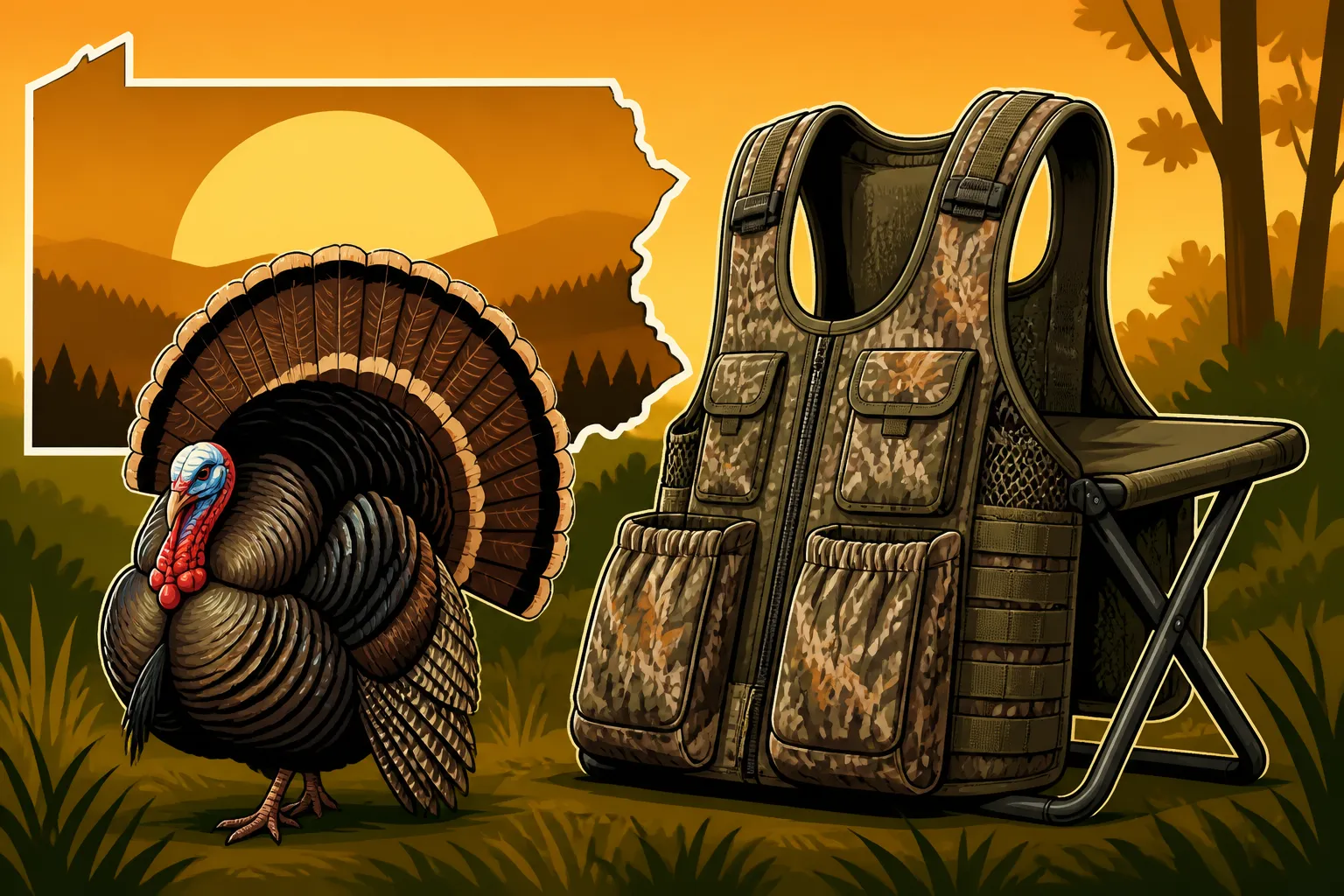
For many turkey hunters across Pennsylvania, the spring woods can be a place of immense beauty and heart-stopping excitement, but also significant discomfort. You're often asked to sit motionless for long stretches on cold, wet ground, leaning against an unforgiving tree. This guide dives deep into why a turkey vest with an integrated kickstand seat can be an absolute game-changer, transforming those painful, fidgety waits into comfortable, effective ambush points for gobblers.
Why a Kickstand Vest for Pennsylvania Turkeys is a Game-Changer
Hunting wild turkeys in Pennsylvania is a unique challenge. Unlike deer hunting, where you might be in a stand for hours, turkey hunting often involves a lot of "run and gun" mobility followed by sudden, prolonged periods of absolute stillness, sometimes in the most awkward spots. You might walk miles only to hear a gobbler sound off from an unexpected direction, forcing an immediate setup. It's in these moments that the traditional setup—finding a tree, clearing a spot, and trying to get comfortable—can be a huge disadvantage, both in terms of noise and sustained comfort.
The Battle Against Discomfort in the Spring Woods
Let's be honest, those early spring mornings in Pennsylvania can be chilly, and the ground is almost always damp, if not outright muddy. You find yourself leaning against the nearest oak, roots digging into your back, a damp chill seeping into your clothes, and within twenty minutes, your legs are cramping, your back aches, and your attention starts to wander. This isn't just uncomfortable; it's detrimental to your hunt. A fidgety hunter is a busted hunter, especially when a keen-eyed gobbler is within twenty yards.
Think about it: you've just spent an hour trying to coax a bird into range. He’s closing the distance, and every fiber of your being is screaming for you to move, stretch, or shift your weight. But you can't. That discomfort becomes a distraction, making it harder to stay focused on subtle movements, listen for soft clucks, or make that critical, quiet adjustment for the shot. An integrated kickstand seat alleviates much of this. It provides a dry, insulated, and stable platform, allowing you to focus on the bird, not on your aching backside. It takes the "ouch" out of sitting, letting you remain motionless and alert for far longer than you otherwise could.
Stealth, Stability, and Quick Deployment
The beauty of a kickstand vest truly shines when a gobbler responds and you need to set up right now. There's no fumbling for a separate chair, no dragging a cushion, no scraping leaves to clear a spot. With a kickstand vest, you simply drop to your desired location, deploy the integrated legs, and settle in. This process is inherently quieter and faster. When a gobbler is hammering away just over the ridge, every second counts, and every rustle or clatter can send him turning tail.
The stability provided by the frame means you can maintain a rock-solid shooting position. This isn't just about comfort; it's about accuracy. Whether you're shouldering a shotgun for a close-range shot or need to hold steady for a longer poke with a pattern, having a stable base is crucial. For newer hunters, or those who get a severe case of "turkey fever," that added stability can make all the difference in making a clean, ethical shot. It’s also incredibly helpful when you find yourself on a less-than-ideal setup, maybe a small sapling or an area with sparse cover where a stable lean-back position isn’t naturally available.
Adapting to Pennsylvania's Diverse Spring Terrain
Pennsylvania's turkey hunting landscape is incredibly varied. From the steep, rocky ridges of the Big Woods to the rolling agricultural fields of the south, and the swampy bottoms of the northwest, you'll encounter a wide array of terrain. A traditional setup often means compromising on comfort or stability depending on what tree is available. A kickstand vest helps bridge this gap.
Imagine setting up on a steep hillside. Without a kickstand, you're constantly fighting gravity, trying to find a purchase, and likely sliding. With a kickstand, you can often level out your seating position, giving you a much more stable and comfortable base from which to call and shoot. Or consider a damp creek bottom with sparse, narrow trees. A kickstand allows you to create your own "tree" to lean against, ensuring you have a steady, comfortable spot regardless of the natural offerings. This adaptability means you spend less time worrying about your setup and more time concentrating on the hunt itself, which is exactly what we want when calling a Pennsylvania gobbler. Hunting Turkeys in Pennsylvania Big Woods and Turkey Tactics for Farm Country Edges are great reads if you want to dive deeper into how diverse our turkey habitats truly are.
Key Features to Look for in a Pennsylvania Kickstand Turkey Vest
Not all kickstand vests are created equal. When you’re investing in gear that will be with you for countless miles and hours in the woods, it pays to know what features truly matter. For Pennsylvania hunting, where weather can be unpredictable and terrain unforgiving, durability, comfort, and intelligent design are paramount.
Kickstand Mechanism and Frame Design
The heart of any kickstand vest is, of course, the kickstand itself. Look for a robust yet lightweight frame, often made from aluminum or a composite material. The mechanism should be intuitive and silent to deploy. You don't want to be fumbling with clips or noisy levers when a gobbler is strutting into view. Some designs feature independent, adjustable legs, which are fantastic for leveling out your seat on uneven ground. Others have a more fixed, A-frame style that relies on a consistent angle. Test them out. Does it feel stable? Can you deploy it quickly and quietly with gloves on?
Consider how the frame integrates with the vest when you're not sitting. Does it dig into your back? Is it cumbersome when walking through thick cover? A well-designed frame will distribute weight comfortably and remain relatively flat against your back while hiking, even when loaded with gear. Brands like ALPS Outdoorz and Tenzing have put a lot of thought into ergonomic frame designs that hunters appreciate for both mobility and stability.
Integrated Seat and Padding
A comfortable seat is non-negotiable. Look for ample padding that offers both cushioning and insulation from the cold, damp ground. Closed-cell foam is a popular choice for its water-resistant properties. The seat should be wide enough to support you comfortably for extended periods without cutting off circulation or forcing an awkward posture. Many vests offer a seat that can be quickly folded up and secured when moving, preventing it from flapping or catching on brush.
Some vests incorporate the seat into a larger, more structured "bucket" design, which offers excellent support and insulation. Others have a simpler, pull-down padded seat. Think about your typical hunting conditions. If you're often in marshy areas or after a spring rain, a highly water-resistant and easily cleaned seat material is crucial. You'll thank yourself for the extra insulation when that early May morning chill lingers well past sunrise.
Pocket Layout, Organization, and Capacity
A turkey vest is essentially a mobile command center. You need easy, silent access to your calls, shells, water, and other essentials. This is where a well-thought-out pocket layout makes all the difference.
- Call Pockets: Dedicated, easy-access pockets for slate calls (with magnetic closures for strikers), pot calls, and diaphragm calls are essential. You don't want to be digging around or making noise when you need to make a quick series of clucks. Many vests include specialized slots for different sized box calls.
- Ammunition: Loops or pockets for shotgun shells should be secure but allow for quick retrieval.
- Hydration: Many modern vests incorporate hydration bladder sleeves, which are a godsend for staying hydrated during long hunts without fumbling with a water bottle. Turkey Vests With a Kickstand Seat should certainly prioritize this feature.
- Game Bag: A large, expandable game bag on the back is a must for carrying out your prize. Ensure it's robust and can comfortably hold a flopping gobbler without tearing or becoming unwieldy.
- General Storage: Pockets for rangefinders, GPS (or your phone running a mapping app like GoHunt), headlamps, snacks, and other small essentials should be strategically placed. Quiet zippers or magnetic closures are critical. Consider if there's enough room for a lightweight rain jacket or extra layers, which are often necessary in fickle Pennsylvania spring weather.
A practical test is to load up the vest with your typical gear and try sitting, standing, and walking around. Can you reach everything you need? Does it feel balanced? Are there any noisy components?
Durability and Material Choices
Pennsylvania turkey hunting can be tough on gear. You're crawling through thickets, sitting on abrasive rocks, and exposing your vest to thorns, mud, and rain. Look for durable, quiet fabrics like ripstop nylon or tough polyester. Reinforced stitching at stress points (shoulders, pocket attachments, frame integration) is a strong indicator of quality.
Quiet operation extends beyond just the kickstand mechanism; it includes zippers, buckles, and fabric itself. Crinkly or stiff materials can give away your position. Water-resistant coatings or treatments are also highly beneficial, helping to keep your gear dry and clean, which is especially important for electronics and calls. A vest that can withstand the rigors of a full Pennsylvania season, year after year, is worth the investment.
Using Your Kickstand Vest Effectively in Pennsylvania's Diverse Terrain
Having the right gear is only half the battle; knowing how to use it is the other. A kickstand vest offers incredible advantages, but maximizing those benefits requires a little thought and practice, especially when facing the varied environments that define Pennsylvania hunting.
Quick Deployment in the Woods
The primary advantage of a kickstand vest is its ability to allow for a rapid and silent setup. When a gobbler is answering your calls aggressively and closing fast, you don't have time to leisurely find the perfect tree. You need to drop, deploy, and be ready.
Practice this at home. Get your vest on, load it with some gear, and simulate hearing a gobble. Can you drop to the ground, deploy the kickstand, get your gun up, and have a call in hand within a few seconds? Pay attention to any noisy buckles, zippers, or fabric that might rustle. Position your most used calls—like a diaphragm call—in an easily accessible pocket, so you don't have to shift much to grab it. This practice will build muscle memory, making the crucial moment of setup second nature. Remember, the less movement you make, the less likely a keen-eyed gobbler will pick you off. Setting Up Against a Big Oak emphasizes the importance of a good setup, and a kickstand vest helps achieve that quickly.
Setting Up on Uneven Ground
Pennsylvania is not flat. Whether you're hunting the steep slopes of the mountains or the rolling hills of agricultural areas, uneven ground is a constant. This is where an adjustable kickstand can truly shine. If your vest has independently adjustable legs, take the time to level your seat. It might seem like a small detail, but sitting uncomfortably angled for 30 minutes can lead to squirming, which can blow your hunt.
When positioning yourself, still try to use natural cover to break up your outline. The kickstand gives you more flexibility to choose a spot for concealment, rather than being dictated by the nearest suitable tree for leaning. Aim for a position that offers good visibility of the likely approach routes while keeping you well-hidden. If on a slope, try to use small dips or rises in the terrain to your advantage. The stability of the frame means you can often set up on smaller, less obvious pieces of cover, giving you an edge over a bird that's looking for a traditional hunter-shaped lump against a tree trunk. For hunters who enjoy staying mobile, a kickstand vest seamlessly transitions between Run-and-Gun Turkey Tactics on Game Lands and committing to a spot.
Mobility Versus Stationing
A kickstand vest excels in scenarios where you need to be both mobile and capable of prolonged sitting. For instance, when you're working a gobbler that's hung up across a field or on a distant ridge, you might need to move, call, move again, and then sit for a long stretch as he slowly covers ground. The lightweight frame and efficient design of a good kickstand vest mean you're not bogged down by a separate chair, allowing for that "run and gun" style that is so effective for spring gobblers.
However, the comfort it offers also encourages patience when you do decide to hold a position. Perhaps you've heard a bird roosting the night before, or you're setting up on a well-used strut zone. In these situations, you might commit to sitting for hours, waiting for the right moment. The kickstand seat allows you to do so in relative comfort, reducing fatigue and increasing your chances of success. It's a versatile tool that supports both aggressive pursuit and patient ambushing. This flexibility is key to adapting to different gobblers and conditions during Spring Gobbler Hunting in Pennsylvania.
Maintenance and Longevity of Your Turkey Vest
Your turkey vest is an investment, both in comfort and in your hunting success. Proper care will ensure it lasts for many seasons, continuing to support you reliably in the Pennsylvania woods. Neglecting it, on the other hand, can lead to premature wear, odors, and potential failure of critical components like the kickstand mechanism or zippers.
Cleaning and Storage
After a long season of crawling through mud, sitting on damp leaves, and sweating through brisk mornings, your vest is going to be dirty and, let's be honest, probably a bit smelly. Don't just toss it in a corner of your garage.
- Initial Clean-up: Start by emptying all pockets and shaking out any loose debris, leaves, or dirt. If you've had a successful hunt, ensure there are no leftover turkey feathers or blood in the game bag.
- Spot Cleaning: For mud or stubborn stains, use a mild detergent and a soft brush or cloth. Gently scrub the affected areas. Avoid harsh chemicals or bleach, as these can damage fabric treatments and colors.
- Full Wash (if necessary): Most vests can be hand-washed in a tub with cold water and a scent-free, non-detergent soap designed for hunting gear. Always check the manufacturer's care instructions first. Some vests with complex frames might not be suitable for full immersion. If hand-washing, pay special attention to areas that absorb sweat, like shoulder straps and the back panel.
- Drying: Air dry your vest completely. Hang it in a well-ventilated area, preferably out of direct sunlight to prevent fading. Ensure all pockets are open to allow air circulation. Never put your vest in a machine dryer, as the heat can damage the fabric, padding, and especially the internal frame components.
- Storage: Once thoroughly dry, store your vest in a cool, dry place away from direct sunlight. Using a garment bag can help keep dust and odors away until the next season. Make sure the kickstand mechanism is clean and free of debris before storing.
Inspecting the Frame and Fabric
Before each season, and periodically throughout, give your vest a thorough inspection. This is especially important for the kickstand frame and all attachment points.
- Frame Check: Examine the kickstand frame for any signs of bending, cracks, or corrosion. If it's an adjustable frame, ensure the locking mechanisms are clean and operate smoothly. Lubricate any pivot points if recommended by the manufacturer, using a dry lubricant that won't attract dirt or create noise. A bent frame can compromise stability and comfort, so address any issues promptly.
- Fabric and Stitching: Look for tears, fraying, or loose stitching, particularly around the shoulder straps, bottom of the game bag, and where pockets are attached. Small tears can often be repaired with a needle and heavy-duty thread or a fabric repair kit. Addressing these early can prevent them from becoming larger, irreparable problems. Pay attention to high-wear areas like where the vest rubs against your gun or calls.
- Zippers and Buckles: Test all zippers to ensure they open and close smoothly. Clean any dirt or debris from the teeth. Apply a zipper lubricant if they're stiff. Check all buckles and straps for cracks or damage, as these are crucial for securing your gear and adjusting fit. Missing or broken buckles can usually be replaced.
- Seat Pad: Inspect the integrated seat for compression, tears, or excessive wear. If the padding has lost its loft, it may no longer offer adequate comfort or insulation. Some vests allow for seat pad replacement.
By performing these simple checks and maintenance steps, you can significantly extend the life of your kickstand turkey vest, ensuring it's ready for every gobbler pursuit during Pennsylvania Spring Gobbler Rules and beyond. A well-maintained vest is a reliable partner in the turkey woods, helping you focus on the hunt, not your gear.
Disclaimer
This article is for general informational purposes only and does not constitute professional advice. Laws, prices and regulations vary by location and change over time. Consult a qualified professional for guidance on your specific situation.