Flintlock Season Tactics in Pennsylvania
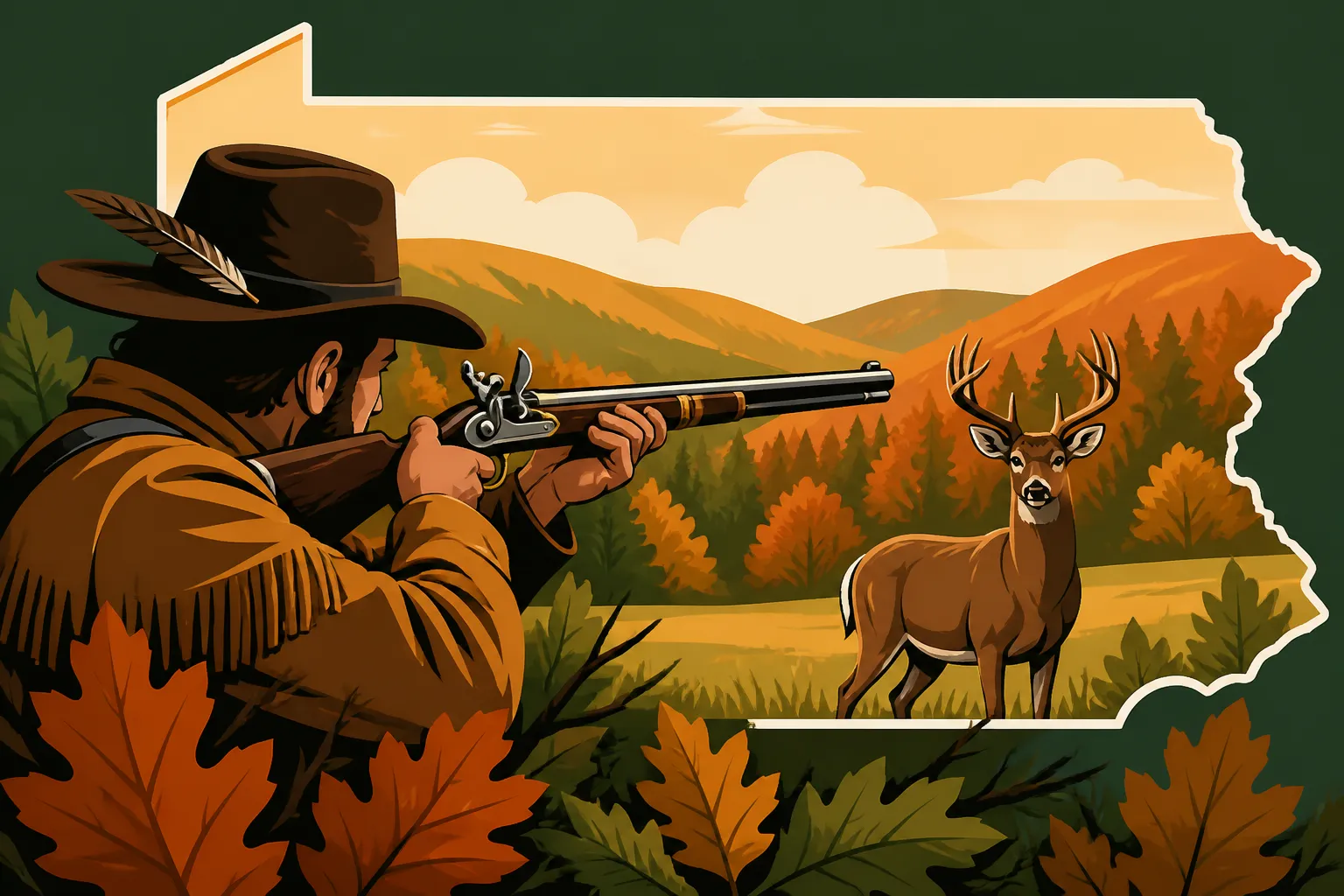
Hunting the Pennsylvania flintlock season can feel like stepping back in time, offering a truly unique challenge for even the most seasoned hunter. The unique demands of a traditional muzzleloader, especially in the often brutal late-season weather, can lead to misfires, missed opportunities, and pure frustration. But don't despair! This guide will walk you through proven tactics and preparation tips to make your flintlock hunt a success, transforming those challenges into deeply rewarding experiences.
Understanding the Unique Demands of Traditional Muzzleloaders
Flintlock hunting isn't just another firearms season; it's a commitment to a different era of hunting. The challenges are real, from the capricious nature of flint and steel ignition to the sheer patience required to reload. Many hunters find themselves drawn to the flintlock for the added test of skill and the profound connection to hunting heritage, but it's important to go into it with eyes wide open about what you're up against.
The Romance and Reality of Traditional Muzzleloaders
There’s an undeniable romance to flintlock hunting – the smell of black powder, the plume of smoke, the historical connection to generations of Pennsylvania hunters. It’s a pursuit that strips away modern conveniences, forcing you to slow down, be more deliberate, and truly earn your harvest. However, the reality often hits hard when that prime buck steps out, and your flintlock just flashes in the pan instead of firing. This isn't a problem of poor marksmanship, but rather the fickle nature of the ignition system itself, which can be easily impacted by moisture or a worn flint.
This deep dive into tradition means accepting a much narrower window of opportunity for a clean shot. You'll likely only get one chance, and reloading is a cumbersome, time-consuming process that will certainly spook any deer within earshot. This means every decision, from stalking approach to shot selection, must be meticulously planned. It’s a steep learning curve, but the satisfaction of dropping a deer with a flintlock is unmatched.
Weather's Impact on Flintlock Performance
Pennsylvania's late season, when flintlock typically opens, can throw a real mixed bag of weather at you. We're talking anything from bone-chilling rain to heavy, wet snow, or even frigid, dry cold. Each of these conditions presents a unique challenge for a flintlock. Moisture is the arch-nemesis of black powder and primer; a damp pan or wet powder charge can easily lead to a misfire. You might hear the "fizz" of the pan igniting, but the main charge never catches, leaving you with a puff of smoke and a running deer.
Conversely, extremely dry and cold conditions can make flints brittle and lead to poor sparking, especially if your flint is worn down. The temperature itself can also subtly affect powder burn rates, though this is less critical than moisture. Hunters who succeed in the flintlock season are those who meticulously prepare their rifle for the elements and know Keeping a Flintlock Dry in Wet Weather. This often involves careful use of pan covers, waterproofing waxes, and even choosing hunting days based on more favorable forecasts if possible.
Limited Range and Shot Placement
Forget those 200-yard shots you might take with a modern rifle. A traditional flintlock, especially one firing patched round balls, is typically effective out to about 75-100 yards, tops. For consistent and ethical kills, many experienced flintlock hunters prefer to keep their shots within 50-60 yards, aiming for absolute certainty. This limited range fundamentally changes your hunting strategy. You can't just set up on a clear-cut and wait; you have to get close.
This necessity for proximity demands exceptional woodsmanship, stealth, and patience. You need to identify deer bedding areas and feeding patterns with precision, then position yourself for a high-probability, close-range encounter. Furthermore, because you're using a large, slow-moving projectile, shot placement is paramount. You need to hit the vitals cleanly, ideally the heart-lung area, to ensure a quick, ethical harvest. Taking marginal shots with a flintlock is a recipe for a lost deer and a disheartened hunter.
Mastering Your Flintlock Rifle
Success with a flintlock isn't just about hunting skill; it's about intimately understanding your rifle. It requires a level of attention to detail and hands-on mechanical understanding that's almost entirely absent from modern firearms. You are the mechanic, the alchemist, and the marksman, all rolled into one.
Choosing the Right Powder and Patch Combination
The "load" in a flintlock isn't just about the bullet; it's a holistic system. The correct combination of black powder (usually FFFg or FFg, depending on caliber and barrel length), patch material (often linen or cotton), patch lubricant, and projectile (typically a pure lead round ball) is crucial for accuracy and consistent ignition. It’s a delicate balance; too much powder and accuracy suffers, too little and you might not get enough velocity. A patch that's too thick can be hard to load and cause tearing, while one that’s too thin can lead to gas blow-by and poor accuracy.
Experimentation is key here. You might find that a specific brand of black powder or a particular patch thickness works best with your rifle. Some hunters prefer a beeswax and bore butter mix for lubrication, while others swear by a spit patch. This process of trial and error is part of the flintlock experience, but it’s essential to do it before the season. Don't wait until opening day to discover your load isn't performing optimally. This commitment to detail ensures your rifle is as accurate and reliable as possible when that crucial moment arrives.
Ignition Reliability and Keeping Your Pan Dry
A flintlock is only as good as its ignition. The "flash in the pan" is the bane of every flintlock hunter's existence. To minimize this, you need to ensure several things are working in harmony. First, your flint must be sharp and properly seated, striking the frizzen with enough force to create a shower of sparks. Carry spare flints and a flint knapper to keep your edge sharp. Second, the frizzen itself needs to be clean and properly hardened to produce good sparks. Third, the priming powder in the pan must be fine-grained (FFFg or FFFFg) and kept absolutely dry.
This last point is where many hunters struggle, especially in typical Pennsylvania late-season weather. Rain, snow, or even heavy fog can quickly dampen the priming charge. Many veteran flintlockers swear by a piece of rawhide or leather covering the pan until the moment of the shot. Some even use a light coat of a waterproof grease or wax around the pan's edges. The goal is to create a small, dry micro-environment for that critical spark to ignite the priming powder, which then ideally flashes through the touchhole to the main charge. Learning to load a flintlock efficiently and safely is a skill honed over time and crucial for success.
Practice, Practice, Practice for Field Accuracy
You wouldn't head into the woods with a modern rifle you've only shot once, and the same (or more so) applies to a flintlock. Regular practice is non-negotiable. Spend time at the range, not just shooting from a bench rest, but also practicing from field positions you might encounter: kneeling, sitting, or even leaning against a tree. Focus on the mechanics of the shot: the rhythm of aiming, the breath control, and the smooth trigger pull. Remember, a flintlock trigger can be heavier than what you're used to, and the lock time (the delay between pulling the trigger and the main charge igniting) is significantly longer.
This longer lock time means you have to maintain your sight picture for a fraction of a second longer than you would with a modern firearm, resisting the urge to flinch or look up. Think of it as a brief mental count after the shot breaks. Consistent practice builds muscle memory and confidence, helping you internalize this extended hold. Furthermore, practice reloading quickly and smoothly, as you never know when you might need to chamber another round, even if it's unlikely to happen in a real hunting scenario. Knowing you can handle your rifle under pressure is invaluable.
Scouting and Stand Placement for Flintlock Season
The flintlock season in Pennsylvania often coincides with the general late deer season, meaning deer have already been pressured. This makes scouting and strategic stand placement even more critical. You need to think like a deer that has seen a lot of orange and heard a lot of shots.
Focusing on Late Season Food Sources
By the time flintlock season rolls around, the natural smorgasbord of acorns and early browse is usually long gone or covered in snow. Deer are laser-focused on reliable, high-energy food sources. This often means agricultural fields – standing corn, leftover soybeans, or winter wheat plots – or specific natural foods like multiflora rose hips, green briar, or even certain evergreen browses that remain accessible under snow. These spots become magnets for deer, especially during cold snaps.
Your scouting should prioritize finding these critical late-season buffets. Use tools like a mapping app, such as GoHunt, to identify potential agricultural areas or south-facing slopes where snow melts faster, exposing vegetation. Look for tracks leading in and out of these fields, browse lines, and fresh droppings. Remember that deer will often move to these food sources in the late afternoon and early morning, sticking to thick cover during the day. Setting up between bedding and feeding areas is often a winning strategy. Understanding Late-Season Food Sources for Whitetails is paramount to success.
Using Terrain to Your Advantage
Pennsylvania is known for its rugged terrain, and understanding how deer use it in the late season is a major advantage. Deer will often favor thermal cover – dense conifer stands, thick clear-cuts, or even thickets of mountain laurel – to escape the cold winds and conserve energy. South-facing slopes that get more sunlight can also be prime bedding areas, warming up slightly during the day. Identifying these pockets of refuge and their connecting travel corridors is key.
You'll often find deer using subtle terrain features like benches on a ridge, saddles between hills, or creek bottoms for travel, especially when pressured. These natural funnels concentrate deer movement, increasing your chances of a close encounter. Before you even step foot in the woods, consult your GoHunt app for detailed topographical maps. Use these to identify natural choke points where deer are likely to pass, then plan your approach and stand placement to intercept them. Remember to always consider wind direction and thermals, which can be tricky in hilly country, to avoid spooking game.
Still-Hunting and Tracking in Snow
While sitting on a stand can be effective, the limited range of a flintlock often makes still-hunting a more proactive tactic, especially after a fresh snowfall. Still-Hunting Pennsylvania Big Woods requires immense patience and keen observation, moving slowly, pausing frequently, and scanning the woods for any sign of movement or a horizontal line that shouldn't be there. The slower pace of still-hunting naturally lends itself to the flintlock's single-shot nature, forcing you to be more deliberate.
When snow covers the ground, tracking becomes an invaluable skill. Fresh tracks can lead you directly to deer, but it’s not just about following them blindly. You need to read the tracks: are they fresh? Is the deer walking, trotting, or running? Where are they heading? If you find yourself Hunting Deer in Deep Pennsylvania Snow, the ability to discern the subtle nuances of deer movement can greatly increase your odds. A fresh snowfall also quietens the woods, making it easier to move silently and detect distant sounds. Just be sure to always keep the wind in your face or crosswind, and move at a snail's pace, constantly evaluating your next step.
Cold Weather and Late Season Hunting Strategies
Flintlock season in Pennsylvania often means bundling up and bracing for the cold. Your comfort and ability to stay focused for extended periods directly impact your hunting success. Being unprepared for the elements can quickly turn a hunt into a miserable, short-lived experience.
Layering for All-Day Sits
Staying warm and dry is paramount during late-season flintlock hunts. The key is strategic layering. Start with a moisture-wicking base layer to pull sweat away from your skin. Next, add insulating mid-layers – fleece, wool, or down – to trap body heat. Finally, an outer shell that is both windproof and waterproof is essential to protect against the elements. You'll likely be sitting for long stretches, so focus on high-quality insulation. Wool, like that used by brands such as First Lite or Minus33, is a popular choice for its ability to insulate even when wet and its quiet nature.
Don't forget your extremities. A good wool or synthetic beanie, a neck gaiter, and insulated gloves or mittens (with finger access for shooting) are non-negotiable. Chemical hand and foot warmers can be a lifesaver on truly frigid days. Remember, it's often warmer walking in than sitting still, so you might need to shed a layer on the hike to your stand and then add it back once you settle in. For a detailed guide on how to stay warm, check out our piece on Cold Weather Sitting Strategy.
Leveraging Snow for Tracking and Visibility
Snow, while cold, can be a flintlock hunter's best friend. As mentioned, it makes tracking fresh deer sign much easier, giving you a clear advantage in finding and following deer. The distinct prints left by deer provide a roadmap to their recent activity, allowing you to gauge their direction, speed, and even approximate size. A skilled tracker can tell if a deer is casually browsing or if it's been spooked. This is especially useful if you need to Tracking a Deer in Pennsylvania Snow after the shot.
Beyond tracking, snow drastically improves visibility in the woods. The white backdrop makes deer, even those camouflaged in their winter coats, stand out like a sore thumb. This increased visibility can help you spot deer at greater distances, giving you more time to prepare for a shot, despite your flintlock's limited range. However, remember that if you can see them better, they can likely see you better too. Use the terrain, natural cover, and careful movement to your advantage, especially on bright, sunny days when shadows are harsh.
Dealing with Frozen Fingers and Numb Toes
The reality of late-season hunting is that comfort often goes out the window, but you can manage the extremes. Frozen fingers and numb toes aren't just uncomfortable; they can compromise your ability to safely and effectively operate your flintlock. Fine motor skills, critical for carefully priming a pan or manipulating a small flint, diminish rapidly when your hands are cold.
Invest in insulated, waterproof boots that are a size up to allow for thick socks and good circulation. Layering socks (a thin liner sock under a thick wool sock) can also help. For your hands, consider wearing thin, tactile gloves for dexterity, with larger, insulated mittens or a hand warmer muff over them that you can easily slip off when it's time to shoot. Chemical hand warmers placed in pockets or a muff are invaluable. Carry a thermos of hot coffee, tea, or soup to warm you from the inside out. Staying hydrated, even in the cold, is also crucial for maintaining core body temperature. Prioritizing your comfort means you can stay out longer and remain focused for that single, perfect shot opportunity.
Safety and Legal Considerations
Flintlock hunting, by its very nature, involves handling black powder and operating an older style of firearm. Therefore, understanding and adhering to safety protocols and Pennsylvania's specific regulations is absolutely critical.
Essential Safety Practices for Muzzleloaders
Working with black powder is different from modern smokeless powder. Always use the correct grade of black powder for your rifle (never smokeless powder in a black powder rifle!) and store it safely in its original container, away from ignition sources. When loading, ensure you have only one charge of powder down the barrel. Double-loading is incredibly dangerous. Use a marked ramrod to verify your charge and projectile are seated properly. Never load a ball directly onto powder without a patch, as this can cause a dangerous air gap.
During the hunt, treat your flintlock as you would any firearm: muzzle control is paramount. While there's no safety lever in the modern sense, the safest way to carry a loaded flintlock is with the hammer resting on the pan, but not on the frizzen, and with no priming powder in the pan until you are ready to shoot. Only prime the pan when you are absolutely ready to take a shot, and be mindful of your surroundings and backstop. For a broader overview of how all types of firearms are handled, you can read about Legal Firearms for Pennsylvania Deer.
Hunter Orange Requirements in Flintlock Season
Pennsylvania has clear requirements for hunter orange, and the flintlock season is no exception, often falling under general firearms rules. Hunters must wear at least 250 square inches of fluorescent orange material on the head, chest, and back combined, visible from all angles (360 degrees) during the firearms seasons, which includes flintlock. This rule applies even if you're hunting during an overlap with the late archery season, where archers generally have different requirements.
While it might feel like more gear to carry, this blaze orange is not just a rule; it's a vital safety measure. It makes you highly visible to other hunters, significantly reducing the risk of accidental shootings. Especially when Hunting Pressure on Pennsylvania Game Lands is high, distinguishing yourself from the surrounding brush is paramount. Always double-check the current Pennsylvania Game Commission regulations for specific dates and exceptions, as rules can sometimes change or have nuances depending on the particular wildlife management unit (WMU) you are in.
Tagging and Reporting Your Harvest
Once you’ve successfully harvested a deer with your flintlock, the excitement is immense, but the work isn't over. Pennsylvania law requires you to immediately tag your deer with the appropriate harvest tag from your hunting license. The tag must be securely attached to the ear and remain there until the deer is processed for consumption or taxidermy. Fill out all required information on the tag before moving the deer.
Beyond tagging, you are required to report your harvest to the Pennsylvania Game Commission within specific timeframes. This can be done online through the PGC website, by phone, or by mail. Accurate harvest reporting is crucial for wildlife management, helping the PGC monitor deer populations and set future regulations. Make sure you know the specific reporting requirements and deadlines, as failing to report can result in penalties. Also, be prepared to perform Field Dressing a Deer in Cold Weather, which can be more challenging with numb fingers but is critical for meat preservation.
Flintlock Season Prep Checklist
To help you get ready for the unique challenges of the Pennsylvania flintlock season, here's a handy checklist:
| Item | Description | Importance | Notes |
|---|---|---|---|
| Rifle & Load | |||
| Flintlock Rifle | Clean, well-maintained, and zeroed. | Essential | Check bore, lock, and trigger. |
| Black Powder | Correct FFFg/FFg, fresh and dry. | Essential | Never use smokeless powder. Store in original container. |
| Patched Round Balls | Correct caliber, pre-lubricated. | Essential | Test for easy loading and accuracy. |
| Priming Powder (FFFFg) | Ultra-fine for quick ignition. | Essential | Keep separate and bone dry. |
| Flints | Fresh, sharp, and spares. | Essential | Carry a flint knapper. |
| Frizzen | Clean and hardened for good spark. | High | Inspect for wear. |
| Loading & Cleaning | |||
| Loading Block/Tubes | Pre-measured powder charges. | High | For quick, safe loading. |
| Ramrod | Sturdy, marked for proper seating. | Essential | Carry a range rod if your rifle rod is flimsy. |
| Patch Worm/Wipers | For cleaning bore between shots/after hunt. | High | Keep bore clean for accuracy. |
| Bore Butter/Protectant | For rust prevention, especially in damp conditions. | Essential | After every shooting session and hunt. |
| Cleaning Supplies | Solvent, patches, brushes. | Essential | Thorough cleaning after shooting. |
| Hunting Gear | |||
| Hunter Orange | 250+ sq. inches (hat, vest, etc.). | Essential | Visible from 360 degrees. |
| Layered Clothing | Moisture-wicking base, insulation, wind/waterproof outer. | Essential | Avoid cotton. Think wool or synthetics. |
| Insulated Boots | Waterproof and comfortable. | Essential | Allow room for thick socks. |
| Hand/Foot Warmers | Chemical packets. | High | Can extend your sit time significantly. |
| Binoculars/Rangefinder | For spotting deer and confirming ranges. | High | Essential for limited-range flintlock shots. |
| Knife/Saw | Field dressing. | Essential | Sharp and readily accessible. |
| Compass/GPS | With maps (e.g., GoHunt app). | Essential | Especially on unfamiliar public land or big woods. |
| Harvest Tag & Pen | Filled out and ready. | Essential | Securely attach immediately after harvest. |
| Water/Hot Drink | Hydration and warmth. | High | Insulated thermos recommended. |
| Small Dry Bag/Pan Cover | To protect powder and pan from moisture. | Essential | Critically important for ignition reliability. |
Disclaimer
Hunting is an inherently risky activity. Always prioritize safety, understand and obey all local and state hunting regulations, and consider taking a hunter education course. This guide provides general information and tactics; conditions and regulations can change, so always consult the most current Pennsylvania Game Commission guidelines before heading afield.