First Aid Kits for Remote Big Woods
There’s nothing quite like the solitude of chasing whitetails or turkeys deep in Pennsylvania’s vast State Game Lands or State Forests, far from any paved road. That profound sense of peace quickly evaporates, though, when a minor mishap turns serious, and you realize true help is hours, not minutes, away. Whether it’s a deep cut from a broadhead, a twisted ankle on steep terrain, or a sudden allergic reaction, being prepared for the unexpected isn't just smart, it's absolutely vital for anyone venturing into our remote big woods. This guide will walk you through exactly what you need in a comprehensive first aid kit designed for Pennsylvania's wilder places, helping you turn potential emergencies into manageable situations.
The Realities of Remote Hunting: Why a Solid First Aid Kit is Non-Negotiable
When you're perched on a remote oak bench in the Tioga State Forest or deep in the Allegheny National Forest, the nearest urgent care clinic might as well be on the moon. Cell service is often nonexistent, and even if you can get a call out, reaching your location can take emergency services a substantial amount of time. This isn't your backyard where a quick trip to the medicine cabinet solves most problems. This is an environment where every hunter needs to be their own first responder, at least for a critical period.
Understanding the "Golden Hour" in the Backcountry
In emergency medicine, the "golden hour" refers to the crucial period following a traumatic injury when prompt medical treatment can significantly improve a person's chances of survival. In the Pennsylvania backcountry, that golden hour can easily stretch into several. Imagine you've taken a nasty fall while navigating a rocky creek bottom, injuring your leg. You're alone, it’s getting dark, and you’re miles from your vehicle. The ability to properly splint that leg, manage pain, and prevent shock could be the difference between walking out with assistance and a much more dire outcome. We hunt in places where help is simply not around the corner. We need to respect that distance and prepare accordingly. It's not about being a wilderness EMT; it's about having the right tools and a basic understanding of how to use them to stabilize a situation until professional help can arrive, or you can self-evacuate.
Common Hunting Injuries and Backcountry Risks
Hunting isn't inherently dangerous if you're careful, but accidents happen, often when you least expect them. Broadhead cuts are a prime example – razor-sharp edges designed to cut flesh can easily nick a finger or hand during field dressing or arrow retrieval. Falls from treestands, though preventable with proper safety harness use, still occur and can lead to broken bones or severe head trauma. Even something as simple as a twisted ankle on uneven ground can become a major ordeal when you’re carrying a heavy pack or dragging a deer.
Beyond direct injuries, we also face environmental hazards. Extreme cold or wet weather can lead to hypothermia if you're not properly dressed or if an injury forces you to stop moving. Allergic reactions to bee stings, poison ivy, or even certain food items consumed during your hunt can quickly escalate. Dehydration, especially during early archery season, is another silent threat. A comprehensive first aid kit directly addresses many of these common, yet potentially serious, backcountry risks. Thinking through scenarios like Dragging a Deer Off a Pennsylvania Mountain or Entry Routes on Steep Ground immediately highlights the physical demands and potential for missteps.
Building Your Core Big Woods First Aid Kit: Beyond the Basics
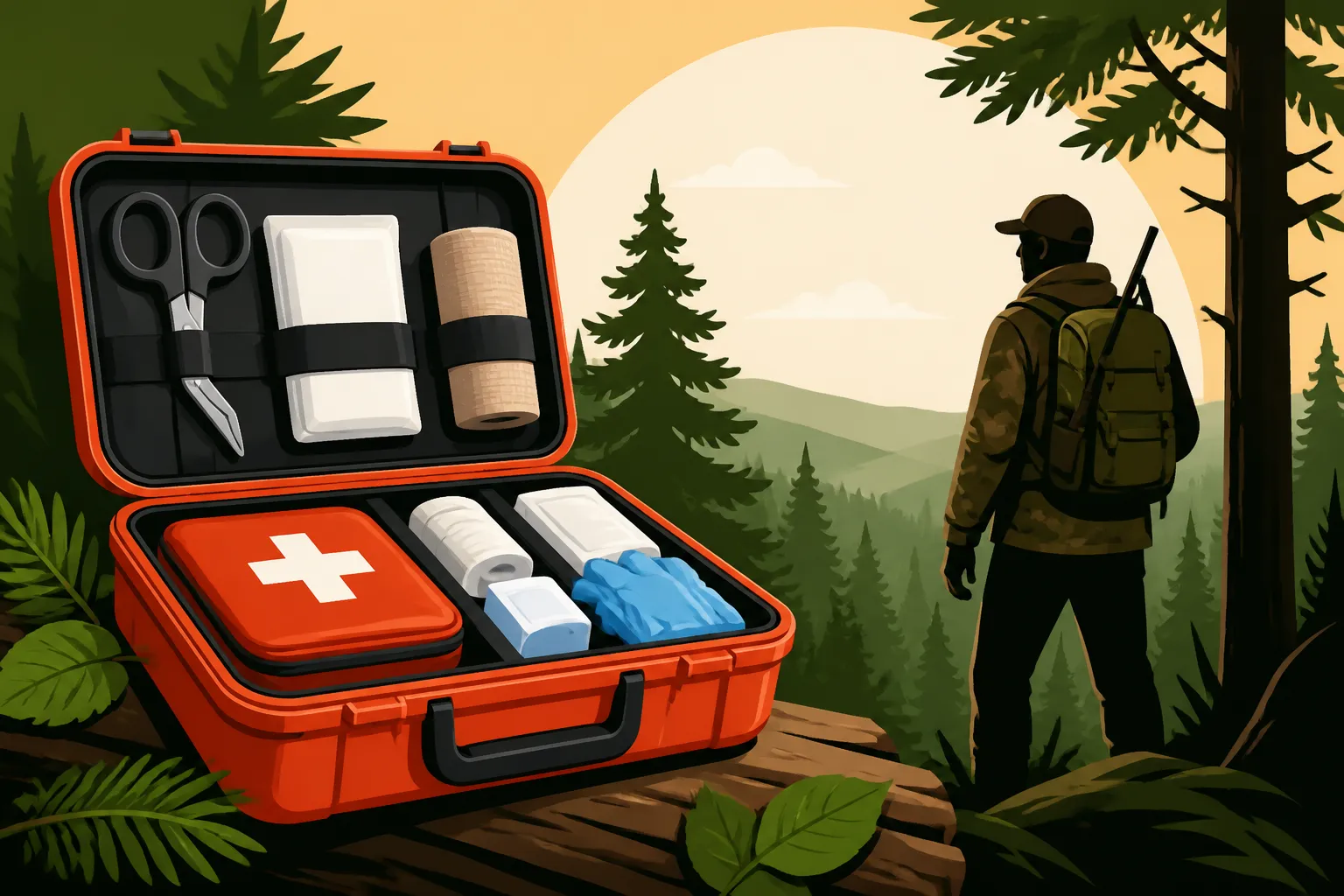
A small, pre-packaged first aid kit found at a big box store is a good starting point for your car, but for the remote Pennsylvania big woods, you need to think bigger and be more specialized. This isn't about carrying a small pouch of band-aids; it's about assembling a robust collection of supplies that can handle anything from a minor cut to a life-threatening trauma.
Essential Wound Care and Trauma Management
This is the bread and butter of any backcountry first aid kit. You're dealing with sharp objects and potentially rough terrain, so cuts, scrapes, and punctures are real possibilities. For anything more severe than a superficial scratch, you'll need serious gear.
- Sterile Gauze Pads and Rolls: Various sizes are key. You'll need large pads for covering substantial wounds and smaller ones for minor cuts. Rolls are excellent for wrapping and securing dressings.
- Adhesive Tape: Medical tape is crucial for holding gauze in place. Look for sturdy, waterproof varieties.
- Trauma Dressing/Abdominal Pads: These are thicker, more absorbent pads designed for heavy bleeding. Don't skimp here; a deer hunter dealing with a broadhead cut to an artery on themselves needs serious absorbency and pressure.
- Ace Bandages/Self-Adherent Wrap: For sprains, strains, or holding splints in place. These provide compression and support without needing clips or tape to secure to themselves.
- Antiseptic Wipes/Solutions: Povidone-iodine wipes or small bottles of antiseptic solution are vital for cleaning wounds to prevent infection, especially important when deep in the woods where cleanliness is a challenge.
- Butterfly Closures/Steri-Strips: For small, clean cuts, these can help hold skin edges together. They're not a substitute for stitches, but they can buy you time.
- Gloves (Non-Latex): Always carry several pairs. You don't want to expose yourself to bloodborne pathogens, nor do you want to introduce more germs into someone else's wound.
- Irrigation Syringe: A small, clean syringe (without a needle) can be used to thoroughly flush a wound with clean water to remove dirt and debris. This can be a game-changer for preventing infection.
- Tourniquet: This is a life-saving device for severe, uncontrolled bleeding from a limb. Learn how to use it before you need it. Options like the CAT (Combat Application Tourniquet) are highly recommended.
- Hemostatic Gauze: Products like QuikClot can significantly accelerate clotting in severe bleeding. These are expensive but invaluable in a dire situation.
Medications and Personal Prescriptions
Even if you’re as healthy as a horse, certain over-the-counter medications are invaluable in the woods. And if you rely on prescription meds, they absolutely must be in your kit.
- Pain Relievers (NSAIDs): Ibuprofen or naproxen for aches, pains, minor injuries, or inflammation. Being able to manage discomfort can be crucial for an injured person to maintain morale or even walk out.
- Acetaminophen: For fever or pain, especially if NSAIDs are contraindicated for you.
- Antihistamines: Diphenhydramine (Benadryl) for allergic reactions to insect bites, stings, or plants. An EpiPen is essential if you have known severe allergies; make sure it's accessible and not buried at the bottom of your pack.
- Anti-Diarrhea Medication: Nothing can ruin a hunt and dehydrate you faster than severe diarrhea.
- Antacids: For indigestion or heartburn.
- Topical Ointments: Antibiotic ointment for wounds, hydrocortisone cream for rashes or insect bites.
- Blister Treatment: Moleskin or specialized blister pads are a foot-saver on long treks over rough terrain.
- Personal Medications: Any prescription medications you or your hunting partners take regularly must be carried in a waterproof container, with extra doses. Do not rely on "I'll be fine for a day."
Tools and Miscellaneous Gear
Beyond bandages and pills, a well-rounded kit includes tools that address various backcountry needs.
- Small Scissors/Trauma Shears: For cutting tape, clothing, or gauze. Trauma shears are safer and more effective for cutting through thick clothing.
- Tweezers: Essential for removing splinters, thorns, or ticks. Knives and Saws Worth Carrying are important, but small, precise tools are also critical.
- Safety Pins: Can be used for securing bandages, slings, or even emergency repairs to clothing.
- Duct Tape (Small Roll): The ultimate backcountry multi-tool. Can repair gear, make an improvised splint, or even patch a hole in a wader.
- Small Mirror: For self-assessment of injuries in hard-to-see places, or for signaling.
- Whistle: For signaling for help if you become lost or incapacitated. A loud, piercing whistle carries much further than a shout.
- Fire Starter: Waterproof matches, a lighter, or a ferro rod. The ability to make fire can be life-saving for warmth, signaling, or boiling water for sterilization.
- Water Purification Tablets/Filter: Access to clean drinking water is vital, especially if you're stuck out longer than planned or need to flush wounds.
- Space Blanket/Emergency Bivvy: Compact and lightweight, these provide crucial warmth if you're injured and unable to move, preventing hypothermia. Even on mild days, an injured person can quickly chill.
- Headlamp/Small Flashlight (with extra batteries): If you're injured or lost as night falls, light is non-negotiable.
- Signaling Device: Beyond a whistle, consider a signaling mirror or even a small, bright strobe light.
- Notepad and Pencil: For jotting down symptoms, medication times, or instructions for rescuers.
Customizing Your Kit for Pennsylvania's Unique Challenges
No two hunts are exactly alike, and the specific risks can change with the season, terrain, and even the game you're pursuing. Your first aid kit should reflect these variables. For instance, Scouting Pennsylvania Public Land Before Season often reveals specific terrain features or water sources that might influence what you pack.
Season-Specific Considerations
The Pennsylvania woods present different challenges throughout the year. Your kit should adapt.
- Early Archery Season (Warm Weather): Dehydration is a major concern. Pack extra water purification, electrolyte packets, and perhaps more comprehensive blister care due to increased foot travel. Insect repellent and sting relief are also paramount. Consider the added risk of rapid meat spoilage if an animal is harvested, which can lead to other issues if you're not careful.
- Late Archery and Firearms Seasons (Cold/Wet Weather): Hypothermia becomes a serious threat. Ensure you have robust fire-starting capabilities, an emergency bivvy or space blanket, and hand/foot warmers. Cold Weather Sitting Strategy emphasizes staying warm, but an injury can quickly undermine those efforts. Frostbite prevention, like extra socks or insulated gloves, can also be critical.
- Spring Gobbler Season (Variable Weather, Ticks): Ticks are out in force. Add a tick removal tool and be extra vigilant. Weather can swing wildly from warm to cold, so versatility in your kit's warmth components is key. Allergic reactions to early spring foliage or insect bites might also be more prevalent.
Terrain and Location-Specific Adjustments
Pennsylvania's landscape is incredibly diverse, from the steep, rocky ridges of the "big woods" to the rolling farmlands.
- Big Woods and Mountainous Areas: If you're hunting areas like the Sproul State Forest or the rugged parts of the Allegheny National Forest, falls and severe sprains are more likely. Increase your supply of elastic bandages, splinting materials (like a SAM Splint), and perhaps a sturdy trekking pole for emergency support. Navigating steep ground inherently raises the risk of falls. Having reliable mapping on a device like GoHunt can help you identify potential hazards and pre-plan extraction routes, making you more aware of the distances involved should an accident occur.
- Farm Country/Suburban Hunting: While generally less remote, injuries can still occur. A comprehensive kit is still wise. Consider what might be prevalent in these areas, like barbed wire cuts, or more encounters with other people, which might influence communication needs. For areas near residences, understanding Safety Zone Rules Around Buildings is as important as having your first aid supplies ready.
- Waterfowl Hunting: If you're out on the Susquehanna River or a lake, the risk of drowning or severe hypothermia from cold water exposure is high. Your kit should include items specific to these risks, such as quick-drying emergency blankets, extra thermal layers in a waterproof bag, and perhaps even flares for signaling on open water.
Group vs. Solo Hunting Considerations
The size of your hunting party greatly influences your first aid strategy.
- Solo Hunter: Your kit must be comprehensive, and you must know how to use every item on yourself. You are your only option. Consider carrying a satellite messenger or a personal locator beacon (PLB) as well, as cell service is often unreliable in areas like the Moshannon State Forest or other remote regions.
- Hunting with a Partner or Group: While you might spread out some supplies, each individual should still carry a basic, personal first aid kit for minor issues. The main, more extensive kit should be with the most experienced first aid provider or centrally located within the group. Ensure everyone knows where it is and what's inside. Regular check-ins and shared knowledge of the GoHunt app for location sharing are excellent practices for group safety.
Preparation and Practice: Making Your Kit an Effective Tool
Having a well-stocked first aid kit is only half the battle. If you don't know how to use it, or if it's buried under a pile of gear you can't access quickly, it's virtually useless. The goal is not just to carry it, but to integrate it into your overall hunting preparedness.
Knowing Your Kit: Inventory and Familiarity
Once you've assembled your kit, don't just throw it in your pack and forget about it.
- Regular Inventory: Go through your kit before each season and after any significant use. Check expiration dates on medications, replace used items, and ensure everything is clean and functional. Batteries in headlamps or flashlights can corrode or drain, so check those too. It's frustrating to reach for something critical only to find it's expired or missing.
- Organized Storage: Store your kit in a durable, waterproof bag that's easily identifiable and accessible. Use smaller Ziploc bags or mesh pouches within the main kit to organize items by category (e.g., wound care, medications, tools). This prevents you from fumbling for a small band-aid when you need to stop major bleeding. Consider a bright color for your kit bag so it's easy to spot, especially in low light.
- Learn to Use Each Item: You don't need to be a paramedic, but you should know the basics. How do you apply a tourniquet? How do you splint a broken bone? How do you treat severe bleeding? There are excellent resources online, through local EMS, or even wilderness first aid courses that can teach you these vital skills. Practice makes perfect – simulating injuries and practicing treating them, even in a non-emergency setting, builds confidence.
Location and Accessibility
Where you carry your kit is almost as important as what's in it.
- Keep it Accessible: The kit should be in a consistent, easily reachable spot in your pack – not buried at the bottom. Some hunters prefer to attach a smaller, quick-access trauma kit to their hip belt or shoulder strap for immediate needs. If you’re using a larger pack for Hunting Pennsylvania's Big Woods for Deer, ensure the kit is in an external pocket or top compartment.
- Communicate its Location: If hunting with others, everyone in the group should know where the main first aid kit is located. If you become incapacitated, your partner needs to be able to find it without searching.
The Importance of Training and Mindset
Beyond the physical items, your mental preparedness and training are paramount.
- Basic First Aid/CPR Certification: Consider taking a basic first aid and CPR course. Knowing how to perform chest compressions or rescue breathing could be the most valuable skill you bring to the woods.
- Wilderness First Aid (WFA) or Wilderness First Responder (WFR): If you spend a lot of time in truly remote areas or lead groups, these specialized courses are highly recommended. They teach you how to improvise with limited resources and manage extended care in a backcountry setting.
- Scenario Planning: Before heading out, take a moment to mentally walk through "what if" scenarios. What if I fall? What if I get lost? What if my buddy gets hurt? Thinking these through, especially when using a robust mapping tool like GoHunt to visualize your hunting area, can help you respond more calmly and effectively if an actual emergency arises. Knowing your potential Hunting Pressure on Pennsylvania Game Lands can also inform your preparedness—some areas are so remote, you won't see another soul all day.
Sample Backcountry First Aid Kit Checklist
Here's a table to help you build out your comprehensive kit. Remember, this is a starting point; customize it to your specific needs and the particular hunt you're undertaking.
| Category | Essential Items | Additional/Advanced Items |
|---|---|---|
| Wound Care | Assorted Band-Aids | Large Trauma Dressings (e.g., Israeli Bandage) |
| Sterile Gauze Pads (4×4, 2×2) | Hemostatic Gauze (QuikClot, Celox) | |
| Gauze Rolls (various sizes) | Irrigation Syringe | |
| Medical Tape (waterproof) | Skin Closure Strips (Steri-Strips) | |
| Antiseptic Wipes (Povidone-iodine) | Burn Gel/Dressings | |
| Antibiotic Ointment | Finger Splints | |
| Non-Latex Gloves (multiple pairs) | ||
| Trauma Support | Tourniquet (CAT, SOF-T) | Chest Seal (for penetrating chest wounds) |
| Ace Bandage/Self-Adherent Wrap | Triangular Bandages (for slings) | |
| SAM Splint (for fractures) | Cervical Collar (if trained, for neck injuries) | |
| Medications | Ibuprofen/Naproxen | Epinephrine Auto-Injector (EpiPen) |
| Acetaminophen | Prescription Meds (as needed, with extra doses) | |
| Antihistamines (Diphenhydramine) | Oral Rehydration Salts/Electrolyte packets | |
| Anti-Diarrhea Meds | Activated Charcoal (for poison ingestion, if trained) | |
| Antacids | ||
| Tools & Gear | Small Scissors/Trauma Shears | Satellite Messenger/PLB (Personal Locator Beacon) |
| Tweezers | Water Filter/Purification Tablets | |
| Safety Pins | Survival Fishing Kit/Snare Wire | |
| Small Duct Tape Roll | Compass and Map (physical, waterproof) | |
| Whistle | ||
| Fire Starter (lighter, waterproof matches) | ||
| Headlamp/Flashlight (extra batteries) | ||
| Space Blanket/Emergency Bivvy | ||
| Notepad & Pencil | ||
| Personal Care | Blister Treatment (Moleskin, pads) | Insect Repellent |
| Sunscreen/Lip Balm | Toilet Paper/Wipes |
Venturing into Pennsylvania's remote big woods offers unparalleled experiences, but it demands respect and preparedness. A well-thought-out first aid kit isn't just another piece of gear; it's an investment in your safety and the safety of your hunting partners. Take the time to assemble it, know it inside and out, and practice using its contents. That peace of mind, knowing you're ready for whatever the wild throws your way, is truly invaluable.
Disclaimer
This article is for general informational purposes only and does not constitute professional advice. Laws, prices and regulations vary by location and change over time. Consult a qualified professional for guidance on your specific situation.