Hunting After the Acorn Crop Fails
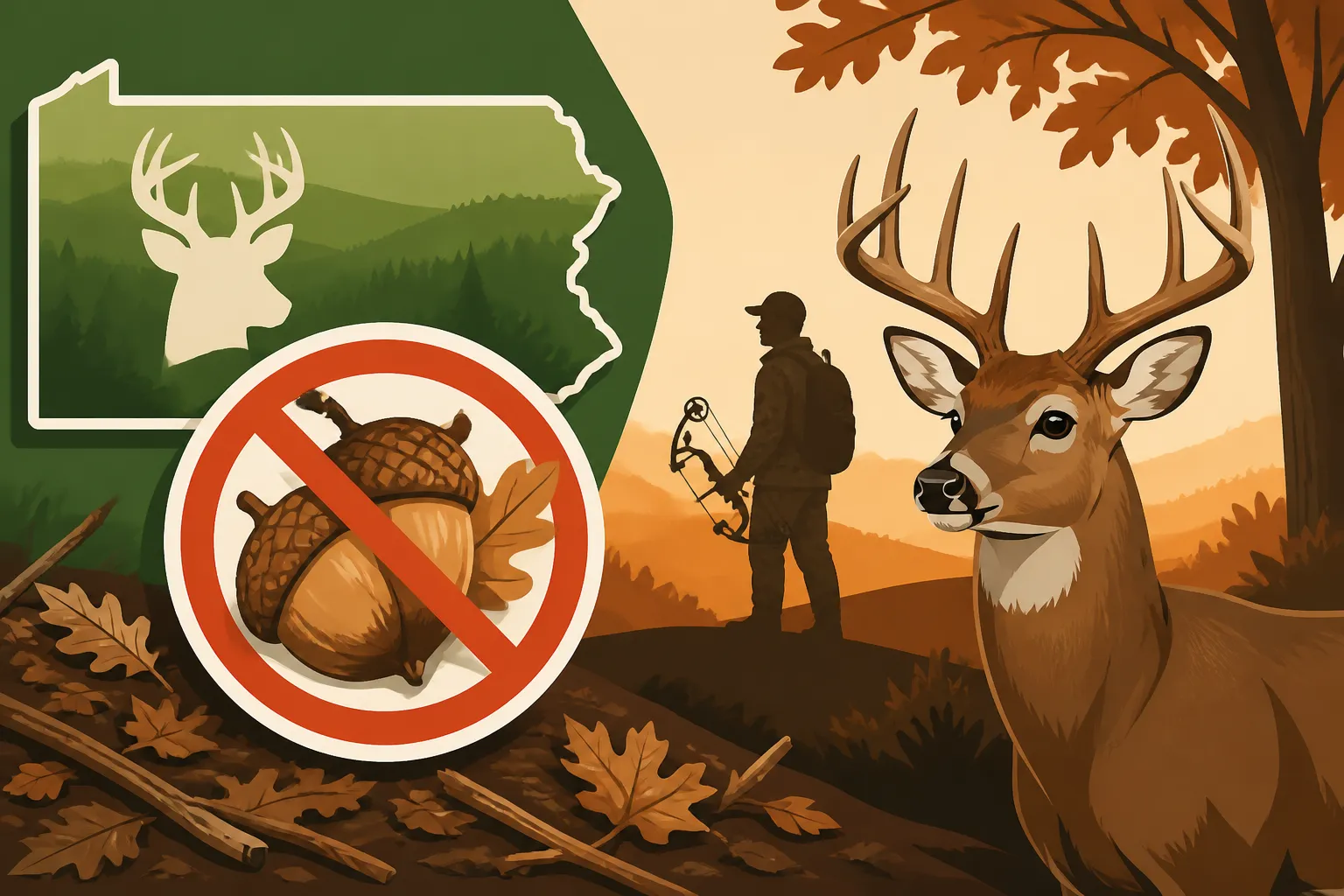
There's nothing quite as frustrating as heading into the Pennsylvania deer woods, full of anticipation for a crisp October morning, only to find the oak stands you scouted so diligently are eerily quiet. You walked those ridges in late summer, saw the ground littered with green acorns, maybe even found a few rubs – you had a plan! But then, for whatever reason, that acorn crop just never materialized, or it dropped early and was quickly devoured, leaving deer scattered and your once-promising spots barren. This guide will walk you through understanding why a failed acorn crop throws deer patterns into a tailspin and, more importantly, how to adapt your hunting strategy to find those whitetails when their favorite food source vanishes.
Understanding the Impact of a Failed Acorn Crop
When the acorns aren't falling, or they've already been eaten up, it changes everything for deer in Pennsylvania. Their entire world revolves around calories, and acorns are typically a goldmine. When that goldmine dries up, deer don't just sit around feeling sorry for themselves; they immediately shift their focus, and you need to shift with them.
Why Acorns Are So Important to Pennsylvania Deer
Acorns, particularly from red oaks and white oaks, are an absolute powerhouse of nutrition for whitetail deer. They're packed with carbohydrates and fats, providing a crucial energy boost as deer prepare for the lean winter months and the demanding rut. White oak acorns, which are less tannic, are usually preferred and are often consumed first, sometimes even before they fully ripen. Red oak acorns, while having more tannins, still provide incredible energy and tend to last longer on the ground, making them a sustained food source well into late fall and early winter. Deer seek them out relentlessly because these tiny power pellets allow them to put on critical weight that helps them survive severe cold. It's not just about taste; it's about survival, and deer are hardwired to capitalize on abundant mast. For a significant portion of Pennsylvania's deer, especially in the big woods regions, acorns are the primary driver of their movement and location throughout the fall.
The Immediate Effects on Deer Movement
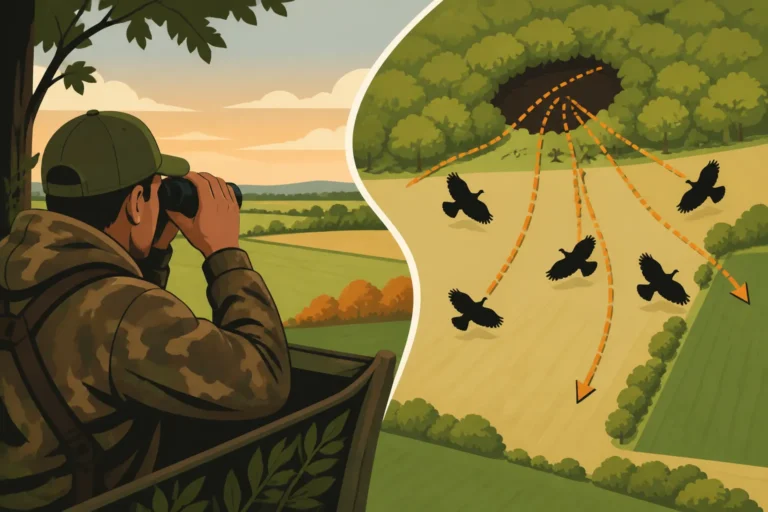
When that coveted acorn crop fails or is quickly depleted, the deer's behavior changes almost overnight. Instead of congregating on oak-studded ridges and benches, their patterns become much less predictable. They're forced to disperse and actively search for alternative food sources, which can be scattered across a much larger area. This means those well-worn trails leading to your favorite oak flat might suddenly go cold. Bucks that were once cruising specific ridges, checking scrapes and rubs that were tied to acorn areas, might now be moving through completely different parts of the woods, often through thicker cover, as they look for sustenance. The deer are still there, of course, but their home ranges might temporarily expand, and their travel corridors will undoubtedly shift. It's like a grocery store suddenly running out of everyone's favorite item – people will go to different stores, or find different things to eat, and they'll likely be more spread out in the process.
Locating Alternative Food Sources
A failed acorn crop isn't the end of your hunting season; it's just a call to pivot. Your job now is to put on your deer detective hat and figure out what other natural or agricultural buffet lines are open. This means getting out there and scouting harder than ever, looking for what the deer are now prioritizing.
Identifying Mast Alternatives
While acorns might be king, they're not the only game in town when it comes to mast. Pennsylvania's diverse forests offer several other options that deer will readily switch to. Think about beech nuts, for example. In areas where American beech trees are present, a good beech nut crop can be an absolute magnet for deer. These small, triangular nuts are high in fat and protein, and deer will work tirelessly to find every last one. You'll often see distinct signs like disturbed leaf litter, chewed nuts, and fresh droppings under beech trees.
Beyond hard mast, don't overlook soft mast. Apples, especially those from old, abandoned orchards or wild trees, are a huge draw. Persimmons, if you're in an area that has them, are another favorite. Even wild grapes, sumac berries, or certain hawthorn varieties can provide supplemental nutrition. Remember that these soft mast sources tend to drop earlier and spoil faster, so their window of opportunity might be shorter. The key is to actively walk areas where these trees and shrubs grow, looking for fresh sign. If you find one, chances are deer are hitting it hard, so set up accordingly.
Agricultural Fields and Browse
When natural mast falters, deer often turn their attention to agricultural areas. If you're hunting in farm country, this is where your focus needs to be. Standing cornfields are a massive draw, providing both food and thick thermal cover. Deer will bed in them during the day and feed on the kernels, especially as they dry down. Once harvested, the residual corn can still be highly attractive. Similarly, soybean fields, particularly if they haven't been completely harvested or if there are leftover pods, offer valuable protein. Winter wheat or rye fields, planted in late summer or early fall, provide tender green shoots that are highly palatable to deer. These fields act like giant salad bars in areas where natural food is scarce.
Even in more wooded settings, don't forget about natural browse. Deer are primarily browsers, and they'll always eat twigs, leaves, and new growth from a variety of plants. In the absence of preferred mast, they'll ramp up their browsing significantly. Look for areas with dense greenbriar, honeysuckle, or succulent saplings like maple, aspen, or oak regeneration. Clearcuts are phenomenal for this, as the sunlight reaching the forest floor stimulates an explosion of new growth. A fresh clearcut can become a deer haven, providing both food and security cover. Think about Hunting Pennsylvania Clearcuts and Regrowth as a primary strategy in these situations. Spending time scouting around the edges of these clearcuts can reveal heavily browsed areas and new travel patterns.
Adjusting Your Hunting Strategy
Once you've wrapped your head around the change in deer behavior and started identifying potential alternative food sources, it’s time to adapt your hunting strategy. This isn't just about moving your treestand; it's about fundamentally rethinking how deer are using the landscape.
Shifting Focus from Oak Ridges
The first and most critical adjustment is to mentally detach from those once-hot oak ridges and benches. If the acorns aren't there, the deer likely aren't either, or at least not in the numbers you'd expect. Instead of stubbornly clinging to old habits, you need to transition your thinking. Focus your efforts on the new food sources you've identified, whether that's a small pocket of beech trees, an old apple orchard, or the edges of a sprawling cornfield.
But don't just set up directly on the food. Deer, especially mature bucks, often approach these areas cautiously, using cover and terrain to their advantage. Look for funnels and pinch points leading into these alternative food sources. This could be a narrow strip of woods between two fields, a creek bottom leading from bedding to a food plot, or a saddle on a ridge connecting thicker cover to a feeding area. When you're Reading a Pennsylvania Hollow for Deer, consider how those hollows might now serve as protected travel routes to secondary food. Your old stand locations might still be good for catching deer traveling between bedding and water, but their primary movement will be dictated by available calories.
Increased Emphasis on Scouting and Sign
A failed acorn crop demands an intensified scouting effort. You can't rely on past knowledge as much; you need real-time intel. This means putting boots on the ground, often. Walk slowly through potential feeding areas, looking for fresh tracks, droppings, and browse lines. Pay close attention to what's been eaten – are the ends of twigs clipped? Are there fresh droppings with bits of corn or apple in them? This tells you exactly what they're currently feeding on.
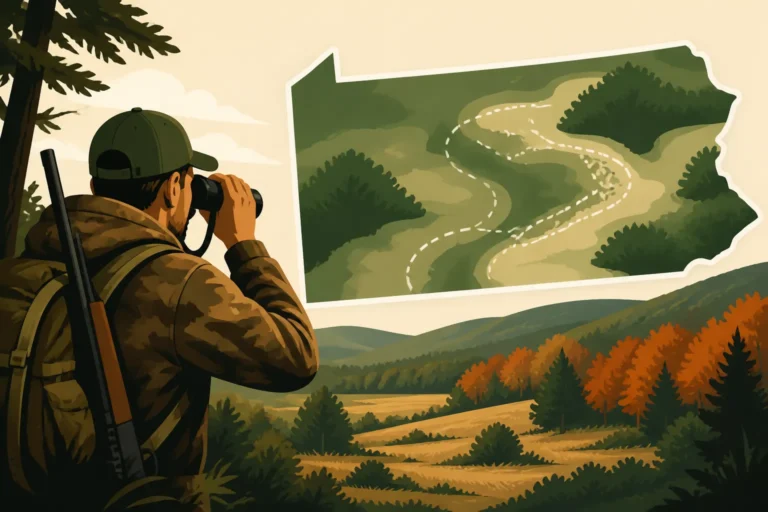
Utilize mapping tools to help you identify potential areas. Services like GoHunt can be invaluable for pinpointing agricultural fields, identifying different timber types (which might indicate beech or other mast trees), and understanding topography. By Reading Aerial Photos for Big Woods Deer, you can often spot clearcuts, logging roads, or pockets of different timber that might be holding food or cover that deer are now using. Mark any fresh sign you find, noting the date, so you can start to piece together new patterns. The deer are constantly leaving clues; you just need to learn to interpret them in this new context. Look for scrape lines along these new travel routes, indicating active buck movement. You might find that Finding Sign in Mature Timber now takes on a new meaning as deer move through it to reach previously overlooked food sources.
Patience and Persistence
Hunting after an acorn crop failure can be frustrating, no doubt about it. Deer might be more dispersed, and their movements less predictable. This isn't the time to give up; it's the time to double down on your efforts with a dose of patience and persistence. You might not see as many deer as you would in a banner acorn year, but the deer that are there are still catchable.
Be prepared to move your stands more frequently based on new information. If a spot isn't producing after a few sits, move to another area where you've found fresh sign. Consider methods like Still-Hunting Pennsylvania Big Woods where you slowly move through areas, actively looking for deer, rather than relying solely on a stationary ambush. This active approach can be incredibly effective when deer are scattered and their patterns are less defined. Remember, deer still need to eat, and if you can find their current grocery store, you'll find the deer.
Specific Tactics for Difficult Conditions
When the primary food source is gone, deer are often more concentrated in the few areas that still offer calories or exceptionally dense cover for security. Your tactics need to reflect this reality, focusing on thoroughness and exploiting the landscape.
Still-Hunting and Cover Tactics
In situations where deer are scattered and moving more frequently through thicker cover in search of food, still-hunting becomes an incredibly effective strategy. Instead of sitting in a stand hoping deer come to you, you become the hunter, slowly and deliberately moving through the woods. This involves taking a few steps, pausing for several minutes to scan, listen, and look for movement or deer parts, then repeating. Focus your still-hunting efforts in areas adjacent to new food sources or through dense bedding cover that deer are using for security now that they're not spending as much time in open oak flats.
Look for areas of dense regrowth, conifer stands, or thick creek bottoms. Deer will feel safer in these areas, especially if they are moving between fragmented food sources. Don't be afraid to hunt the nastiest, thorniest stuff you can find. Often, these are the places where deer are moving and bedding unnoticed. Combining still-hunting with an understanding of Wind and Thermals on a Ridge is crucial, as you'll want to move in a way that keeps your scent from alerting deer before you see them. This method requires extreme patience and attention to detail, but it allows you to cover more ground and potentially intercept deer that would never walk past a stationary stand.
Utilizing Topography and Water Sources
When food sources are sparse and scattered, deer rely even more heavily on topography for efficient travel and security. Instead of focusing solely on food, think about how deer move between areas. Benches, saddles, and creek bottoms become superhighways for deer in these conditions. A bench, a relatively flat spot on the side of a ridge, provides an easy travel route, especially if it connects bedding areas to new feeding locations. A saddle, the low point between two ridge tops, acts as a natural funnel that deer will almost always cross.
Creek bottoms and drainages, particularly those with dense cover or thickets, offer concealed travel lanes. Deer will often use these to move from higher elevation bedding to lower elevation food sources, or even just to access water. While water might not be a primary driver of movement like food, it's a daily necessity. If the weather is warm and dry, deer will be hitting consistent water sources, so scouting for these can reveal new opportunities. Consider setting up a ground blind along one of these natural funnels or on an overlooked bench above a creek. These topographical features can concentrate deer movement even when their feeding patterns are less predictable.
Ultimately, hunting after an acorn crop fails in Pennsylvania is about being adaptable. The deer are still out there, but they've changed their routine. If you're willing to change yours, do your homework, and put in the legwork, you can absolutely find success.
Disclaimer
Hunting is a challenging and rewarding pursuit that carries inherent risks. Always prioritize safety, follow all Pennsylvania Game Commission regulations, and obtain appropriate licenses and permits. This guide provides general information and should not replace professional instruction or local expertise. Always check current regulations before heading afield.