Still-Hunting After a Fresh Snow
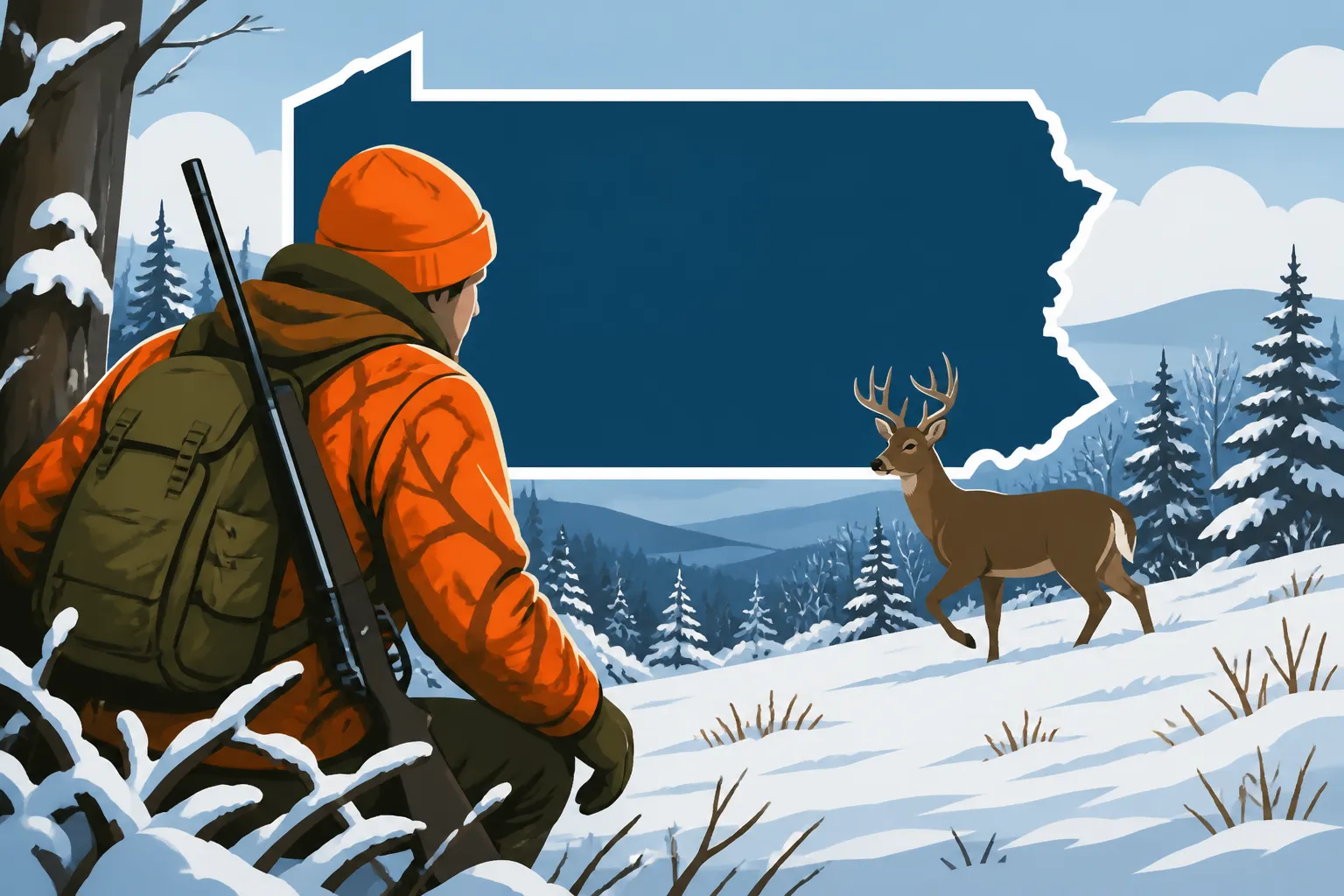
For many Pennsylvania hunters, a fresh blanket of snow can feel like a sudden challenge, coating familiar trails and making the woods seem impossibly quiet yet strangely revealing. This guide is all about embracing that transformation, showing you how to leverage a fresh snowfall into one of the most effective and rewarding tactics for late-season deer: still-hunting.
Why Fresh Snow is a Still-Hunter's Best Friend
There's nothing quite like stepping into a Pennsylvania woodlot after a fresh snow. The world is hushed, the air is crisp, and suddenly, the landscape tells a story you might have missed before. For the still-hunter, snow isn't just pretty; it's a game-changer that tips the odds in your favor.
Reading the White Page: Interpreting Tracks and Sign
Think of fresh snow as a giant, pristine canvas that deer have just walked across, leaving their story etched for you to read. On bare ground, a rub line might be old, a scrape might be long abandoned, and tracks can be hours or even a full day old, making it tough to discern current activity. But with fresh snow, you get a clean slate. Every track, every disturbed patch of snow where a deer has pawed for acorns or browsed on a sapling, is new.
You can instantly tell the direction a deer is moving, the size of its hooves (which can sometimes give you a hint about age, though not definitively), and even its gait – walking, trotting, or bounding. A track that's still "sharp" with crisp edges and no snow in the bottom tells you it's very recent, possibly within the last hour or two. If there's a light dusting of snow in the track, it's a bit older. Learning to read these nuances is paramount. For instance, a long, leisurely stride might indicate a buck casually moving through an area, while bunched-up tracks with signs of digging could mean it's feeding heavily. This fresh sign eliminates much of the guesswork, allowing you to focus your efforts on areas where deer are actively moving and feeding right now. You're essentially hunting a living map of recent activity.
The Acoustic Advantage: Muffling Footsteps
Anyone who's tried to still-hunt on dry, frozen leaves knows the frustration. Every step sounds like you're crunching potato chips, broadcasting your presence to every deer within a quarter-mile. But deep, soft snow acts like a natural sound dampener. It cushions your footsteps, absorbing much of the noise that would otherwise carry far and wide.
This acoustic advantage is monumental for still-hunting. You can move through the woods with a stealth that's almost impossible in other conditions. Of course, not all snow is created equal. A light, fluffy powder is generally quieter than wet, heavy snow that can clump on your boots or create a "squeaky" sound. Similarly, a thin crust of ice over soft snow can be surprisingly noisy. However, even with these variations, snow almost always provides a significant advantage over dry leaves. It allows you to get closer, to pause and observe for longer periods, and to react to a deer's subtle movements without giving yourself away instantly. This quiet movement is key to catching deer off guard, especially in thick cover where they rely heavily on their hearing.
Visual Cues: Highlighting Deer Against the Landscape
Let's face it, whitetails are masters of camouflage. Their mottled brown and gray coats blend seamlessly with tree trunks, shadows, and dead leaves, making them incredibly difficult to spot in the normal fall woods. But against a fresh blanket of white snow, they suddenly become beacons.
That stark contrast of a deer's dark body against the white background makes them stand out like a sore thumb. Even a subtle flicker of an ear, a patch of brown fur, or the outline of an antler can grab your eye from a distance that would be impossible in other conditions. This is particularly helpful when you're trying to pick apart thickets or heavy evergreen cover where deer often seek shelter in winter. You might not see the whole deer, but you'll catch a glint of an antler tip or a section of its body that suddenly doesn't match the surrounding snow. This visual advantage allows you to spot deer sooner, giving you more time to evaluate, plan your approach, and get into a shooting position before the deer even knows you're there. It makes those subtle movements of a deer feeding or slowly walking through the woods much more detectable.
Mastering the Art of Still-Hunting in Snow
Still-hunting isn't just walking slowly; it's a deliberate, almost meditative practice that truly shines when snow covers the ground. It demands patience, keen observation, and a deep understanding of deer behavior.
The "Five Steps, Stop, Look, and Listen" Method
This isn't just a catchy phrase; it's the core philosophy of effective still-hunting. The idea is simple: take a few quiet steps – maybe five, maybe ten, depending on the terrain and cover – and then stop. And when you stop, you don't just glance around. You become a statue, using your binoculars to meticulously pick apart every branch, every shadow, every clump of brush within your visible range. You're not just looking for a deer; you're looking for parts of a deer. An antler tine, a horizontal backline, a patch of brown fur that looks "out of place."
This looking phase should last a good minute or two, sometimes even longer in particularly dense cover. Let your eyes unfocus slightly, then refocus on specific areas. Then, you listen. In the quiet of a snowy woods, you might hear the subtle crunch of a deer feeding, the swish of its tail, or the faint sound of footsteps you missed earlier. Only after you've thoroughly scoured the area and listened intently do you take another few slow, deliberate steps and repeat the process. This agonizingly slow pace is what makes still-hunting so effective in snow, allowing you to capitalize on the visual and acoustic advantages. It allows you to truly observe the woods unfolding around you.
Picking Your Terrain and Path: Funnels, Edges, and Bedding
With a fresh snow on the ground, deer movement often becomes more predictable, driven by the need for food, thermal cover, and energy conservation. This gives you a massive advantage in choosing where to still-hunt. Instead of aimlessly wandering, focus on areas that naturally concentrate deer.
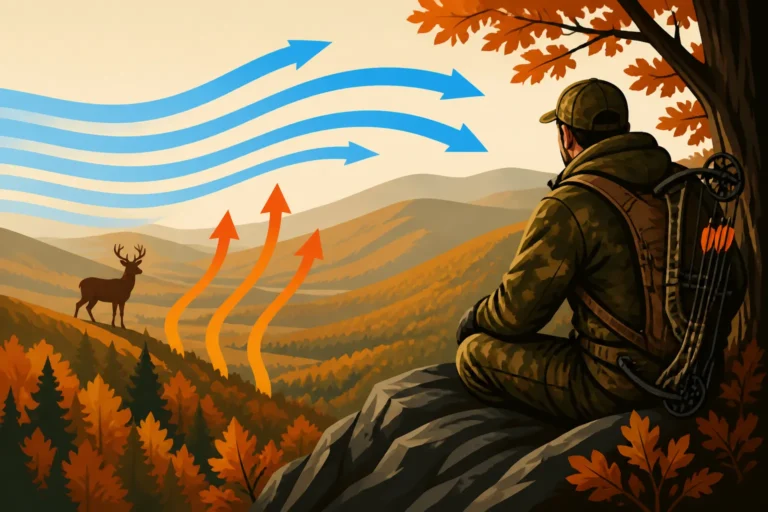
Funnels, like saddles between ridges, narrow strips of timber connecting larger woodlots, or draws that lead down to food sources, are prime spots. Deer will often use the path of least resistance, and snow can sometimes highlight these subtle travel corridors. You want to hunt downwind or crosswind, always paying attention to how the wind currents are swirling, especially in hilly terrain. As a Pennsylvania hunter, you know our topography can be rugged, so understanding how wind and thermals interact on a ridge is crucial.
Edges are another hot ticket – the transition zones between different types of cover, such as a clearcut and mature timber, or a woodline bordering an agricultural field. Deer often use these edges for security while still being close to food. In winter, thermal cover becomes paramount. Look for dense stands of conifers (pines, hemlocks, spruces) or thick laurel and rhododendron thickets. Deer will bed in these areas to escape the cold and wind. Still-hunting slowly through the fringes of these bedding areas, or along the trails leading into and out of them, can be incredibly productive. You might find that looking at tools like GoHunt can help you identify these specific features on public land, allowing you to plan your route through a State Game Land before you even lace up your boots. For more on specific terrain, check out our guide on how to hunt oak ridges and benches or even how to hunt a bench above a creek bottom.
Understanding Deer Behavior in Winter Conditions
Deer behavior shifts significantly when snow covers the ground and temperatures drop. They're no longer focused on the rut; their primary drivers are now survival, specifically finding food and conserving energy.
Immediately after a fresh snowfall, especially if it's accompanied by colder temperatures, deer will often move to feed heavily, trying to replenish calories. This means focusing your still-hunt around available food sources like remaining acorn crops (if any are still exposed), browse in young clearcuts, or agricultural fields where corn or soybeans might be accessible. If the snow gets deep, they'll often "yard up" in thermal cover, moving less and staying put for longer periods. During these times, still-hunting into and around those thick thermal cover areas becomes your best bet. Their movements tend to be slower and more deliberate, making them potentially easier to intercept if you're moving just as slowly and deliberately. Look for areas with dense evergreen cover, which offers both shelter from the elements and a visual break from predators. Understanding these shifts in their daily routines – from feeding patterns to bedding locations – will greatly increase your success. For more on late-season food sources for whitetails, check out our in-depth article.
Essential Gear and Tactics for Snowy Still-Hunting
Still-hunting in the snow demands more than just patience; it requires the right gear to keep you warm, dry, and effective in challenging conditions. You don't want to be thinking about shivering; you want to be thinking about deer.
Layering for Cold, Wet Conditions
The key to comfort in a snowy Pennsylvania woods is proper layering. Your goal is to stay warm without overheating while you're moving, and then retain that warmth when you stop to glass. Start with a good base layer that wicks moisture away from your skin – synthetic or merino wool are excellent choices. Avoid cotton at all costs, as it retains moisture and will make you cold the moment you stop moving.
Next, add an insulating mid-layer, like a fleece jacket or a puffy vest. Finally, your outer layer needs to be quiet, waterproof, and windproof. This protects you from the elements while also allowing for silent movement through snow-covered brush. Make sure your outer shell is breathable enough to prevent sweat buildup. Think about having a packable puffy coat you can easily throw on during long stops. Investing in quality hunting clothing specifically designed for cold-weather performance will make a world of difference. Your comfort directly impacts your ability to focus and hunt effectively. You want gear that moves with you, doesn't make a racket, and insulates efficiently. If you're wondering how to manage warmth during longer static periods, our guide on cold weather sitting strategy offers some excellent advice, even for a mobile hunter who might decide to sit and watch.
| Layer Type | Purpose | Recommended Materials | What to Avoid |
|---|---|---|---|
| Base Layer | Wicks moisture, provides initial warmth | Merino wool, synthetic blends (polyester, polypropylene) | Cotton |
| Mid Layer | Insulation, traps body heat | Fleece, down (if protected), synthetic insulation | Bulky, non-compressible |
| Outer Layer | Wind/waterproof, abrasion protection | Gore-Tex, proprietary waterproof-breathable fabrics | Noisy, non-breathable |
| Accessories | Head, hands, feet protection | Wool socks, insulated gloves/mitts, warm hat | Cotton gloves/hat |
Footwear and Traction in the Snow
Your feet are your foundation, and in snowy conditions, they need to be warm, dry, and secure. Opt for insulated, waterproof boots that are comfortable for miles of walking. Look for boots with aggressive tread patterns for good traction on slippery snow, ice, and uneven terrain. You'll encounter everything from soft powder to slush to frozen crusts, and good grip is essential to prevent slips and falls that can be both dangerous and noisy.
Consider wearing gaiters to keep snow from getting into the top of your boots, especially if you're navigating deeper drifts or thick brush. Nothing ruins a hunt faster than wet, cold feet. Brands like Danner or Schnee's offer excellent options for serious cold-weather hunting, providing the warmth and waterproofness needed for deep woods excursions. Having a reliable mapping application, like the one offered by GoHunt, can help you visualize the elevation changes and potential icy areas on your route, allowing you to prepare your footwear accordingly.
Weapon and Optics Considerations
When still-hunting in snow, your firearm or bow needs to be ready for action despite the elements. For rifle hunters, ensure your scope lenses are covered with flip-up caps to keep snow and moisture off. A light coating of wax or a silicone cloth on your rifle can help prevent snow from sticking and freezing onto metal parts. For bowhunters, keep your strings dry and your sights clear.
Binoculars are an absolute necessity for still-hunting. They allow you to effectively "pick apart" cover from a distance without moving, helping you spot those subtle deer parts against the white background. Choose binoculars with good low-light performance and a comfortable harness system so they're always accessible. A rangefinder is also invaluable for confirming distances in open areas or across clearcuts. Remember, in the quiet of a snowy woods, any clang or excessive movement of gear can alert deer, so ensure everything is secure and silent. Consider checking out our guides on rifle setups for Pennsylvania deer or optics for Pennsylvania timber hunting to help you choose the right tools for the job.
Safety and Ethics in Snowy Conditions
Hunting in snow adds a layer of adventure, but it also introduces unique challenges and responsibilities. Being prepared and knowing the rules are critical for a safe and ethical hunt.
Navigation and Staying Found
Snow can drastically alter the appearance of familiar terrain. Trails might be completely obscured, and landmarks you rely on in other seasons can disappear under a blanket of white. This is where solid navigation skills become absolutely non-negotiable. Always carry a reliable GPS unit or a smartphone with a robust mapping app like GoHunt that allows for offline map downloads. Know how to use it! Mark your vehicle's location and any significant terrain features.
Before you even step out of the truck, tell someone exactly where you're going and when you expect to be back. A simple text message or a note left on the dashboard can be a lifesaver. Carry a compass and a physical map as a backup, especially if you're venturing deep into remote areas of State Game Lands or State Forests. Snow can make it harder to hear other hunters, so wear plenty of hunter orange (as required by Pennsylvania law) and be hyper-aware of your surroundings. Our article on scouting Pennsylvania public land before season can help you familiarize yourself with your chosen hunting grounds, making snowy navigation less daunting.
Tracking and Recovering Deer
One of the greatest advantages of hunting after a fresh snow is the ease of tracking. A blood trail on white snow is typically much easier to follow than on bare ground or dry leaves. However, this doesn't mean you should rush a shot. Take only ethical shots, and if there's any doubt about the shot placement, give the deer time.
Even on snow, a sparse blood trail can be tough to follow, especially if the deer travels through dense cover or crosses a stream. If the blood trail becomes difficult to find, take your time. Go slow, look for disturbed snow, broken twigs, or even overturned leaves under the snow. Mark your last known blood spot and expand your search in a grid pattern. If you lose the trail, it might be beneficial to back out and return a few hours later, or even the next morning if temperatures are cold enough to preserve the meat. Always be aware of Pennsylvania's regulations regarding blood trailing after dark in Pennsylvania and retrieving game from private land. Recovering your animal quickly and efficiently is a core tenet of ethical hunting, and snow can be a huge asset in achieving that. Our detailed guide on tracking a deer in Pennsylvania snow offers even more pointers.
Disclaimer
Please note: Hunting regulations and seasons in Pennsylvania can change. Always consult the current Pennsylvania Game Commission Digest for the most up-to-date and complete information before heading afield. This guide is for informational purposes only and should not replace official sources.