Hunting Pennsylvania Concurrent Antlerless Days
Many Pennsylvania deer hunters often find themselves scratching their heads when it comes to the concurrent antlerless days. It's not just about getting an antlerless tag; it's about understanding how these specific dates weave into the broader deer season, creating unique opportunities and challenges. This guide is here to untangle the confusion, helping you grasp the specifics, develop effective strategies, and ultimately succeed during these often-underutilized hunting periods.
What Exactly Are Pennsylvania's Concurrent Antlerless Days?
For years, many of us in Pennsylvania grew up with a very distinct separation: rifle season for bucks, and then, in some areas, a later antlerless-only season. But the PGC has evolved, and concurrent antlerless days have become a staple of our deer hunting landscape. This means that during certain firearms seasons, often running alongside the general antlered deer season, hunters holding a valid antlerless license for that specific Wildlife Management Unit (WMU) can harvest an antlerless deer. It’s a game-changer that has taken a while for some folks to fully embrace, and it certainly adds a layer of complexity to our traditional understanding of deer season.
Demystifying the Concurrent Season Structure
At its core, concurrent antlerless hunting means that for a specified period, typically the entire two-week regular firearms season, you can legally harvest either an antlered or antlerless deer, provided you have the correct tags. This wasn't always the case across the board, and many still recall the "buck-only" first week. That era is largely behind us now. The specific dates for these concurrent seasons are outlined in the annual Pennsylvania Hunting & Trapping Digest, and they can vary slightly by WMU or even change from year to year, so always double-check. The goal behind this structure is primarily deer management – allowing hunters to help control antlerless populations alongside the antlered harvest, which contributes to healthier deer herds and reduced crop damage or deer-vehicle collisions. It also provides hunters with more flexibility and opportunity, particularly for those looking to fill the freezer early.
For instance, if you're hunting in WMU 2B (a special regulations area where antler restrictions differ) or WMU 5C (a high-density WMU in the southeast), the concurrent season might look slightly different in terms of what's allowed. Understanding these nuances is crucial before you even step foot in the woods. The key is that you need an antlerless tag specific to that WMU to harvest an antlerless deer during the concurrent period. Without it, even if an antlerless deer presents a perfect shot, you must let it walk. This is a critical point that trips up many hunters, especially those who might buy their licenses later in the season when certain WMUs have already sold out of their antlerless allocations.
The Rationale Behind Concurrent Antlerless Opportunities
The Pennsylvania Game Commission’s shift to concurrent antlerless hunting wasn't arbitrary; it's rooted in scientific wildlife management principles. For decades, traditional "bucks-only" seasons, followed by a brief antlerless season, often led to an imbalance in the deer herd's sex ratio and age structure. Bucks were heavily targeted, while does often reproduced unchecked in many areas. This could lead to overbrowsing of habitat, reduced deer health due to competition for food, and an increase in agricultural damage.
By allowing hunters to harvest antlerless deer concurrently with antlered deer, the PGC aims to achieve several objectives:
- Population Control: This is perhaps the most significant reason. Managing the female segment of the herd directly influences population growth. If you're a seasoned hunter, you've probably seen firsthand how effective, or sometimes ineffective, the antlerless harvest can be in specific regions.
- Improved Herd Health: A balanced population, closer to the carrying capacity of the land, generally results in healthier deer, better fawn survival rates, and often, improved antler quality on the bucks. It's a long-term strategy, but one that benefits everyone.
- Increased Hunter Opportunity: Let's be honest, not every hunt yields a big buck. Having the option to fill an antlerless tag during the regular season means more chances to put venison in the freezer, which for many, is the primary goal of hunting. This flexibility helps hunters make the most of their time afield, rather than waiting for a separate, shorter season that might conflict with other commitments or weather conditions.
- Reduced Pressure on Specific Seasons: Spreading out the antlerless harvest opportunity can help distribute hunting pressure over a longer period, potentially reducing the intense crowding seen during very short, specific antlerless-only seasons that might have existed in the past. It's about finding that balance between opportunity and experience.
Strategies for Hunting During Concurrent Antlerless Periods
Hunting during concurrent antlerless days requires a slightly different mindset and approach than a pure "buck-only" hunt. You're not just looking for antlers; you're open to any legal deer, which can change how you scout, how you set up, and even how you approach your hunt. The woods will also be full of other hunters, so being prepared for that is key.
Adapting Your Tactics to Deer Behavior
During the firearms season, deer behavior can be quite dynamic. The initial flurry of the rut might be winding down, but deer are still moving, often pushed by hunting pressure.
- Focus on Food Sources: As the weather turns colder, deer become much more focused on high-energy food sources. This might include residual acorns (especially white oaks if they haven't all been consumed), standing cornfields, or even certain browse in clearcuts. Identifying these areas is crucial. Spending time Scouting Pennsylvania Public Land Before Season can give you a huge advantage here. If you know what the deer are keying in on, you can set up accordingly.
- Observe Travel Corridors: Deer are still using specific travel corridors between bedding areas and food sources. These might be subtle trails along a ridge, through a creek bottom, or connecting two patches of thick cover. Look for pinch points, saddles, and funnels that concentrate deer movement. These can be goldmines, especially as deer try to avoid heavy pressure.
- Consider the Impact of Pressure: With more hunters in the woods, deer will often become more nocturnal or seek out the thickest, nastiest cover they can find. This means you might need to adapt your hunting style. Still-hunting Pennsylvania Big Woods in these areas, moving slowly and deliberately, can be very effective. Alternatively, posting up on a well-used escape route near a known bedding area could pay off. Early mornings and late evenings, when deer feel safer moving between cover and food, are often prime times.
- The Power of a Drive (If Permitted): If you're hunting with a group, organizing Deer Drives With Three or Four Hunters can be incredibly effective for pushing deer out of thick cover during concurrent seasons. This tactic is especially useful when deer are holed up due to pressure. Plan your drive carefully, ensuring everyone knows their role, safety protocols, and shooting lanes. It's a traditional method that still works wonders for filling multiple tags.
Handling Increased Hunter Pressure
Let's face it, opening day and the first week of firearms season can feel like a small army has descended upon the woods, especially on State Game Lands. This intense pressure impacts deer movement and can be frustrating if you're not prepared for it.
- Go Deeper, Go Nastier: The easiest way to escape pressure is to go where others won't. This often means walking further from roads and parking areas, or tackling steep, rugged terrain. Deer quickly learn where the pressure is light and will gravitate to those overlooked pockets. Don't be afraid of the thorns, the thickets, or the steepest climb – that's often where the deer are hiding.
- Hunt Mid-Week: If your schedule allows, hunting on Tuesday, Wednesday, or Thursday can often mean significantly fewer hunters in the woods compared to the weekends. Deer will start to relax a bit, and their movements might become more predictable again.
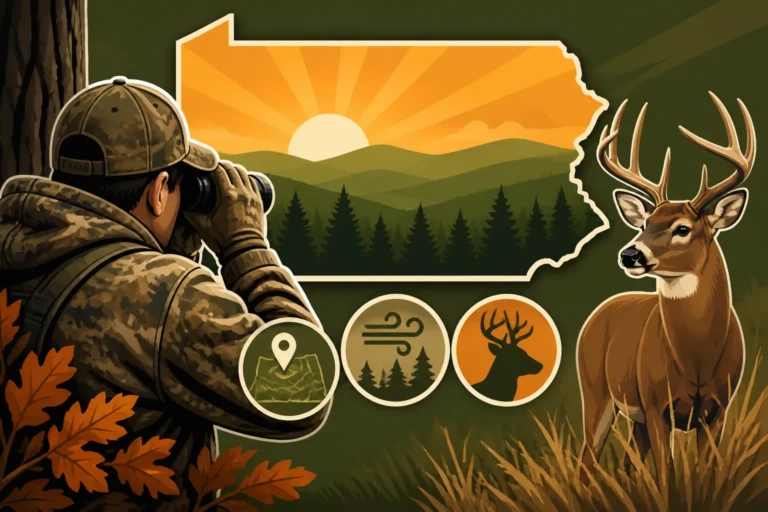
- Utilize Mapping Tools: Digital mapping tools, like those found on platforms such as GoHunt, can be invaluable for identifying potential sanctuaries and difficult-to-access areas that other hunters might bypass. These tools allow you to study topography, cover types, and access points from your couch, helping you plan your attack and find those hidden gems. You can mark potential bedding areas, escape routes, and key food sources to maximize your efficiency.
- Silent Approach: With more hunters around, any unnecessary noise can spook deer (and other hunters). Focus on a quiet, slow approach to your stand or hunting area. Pay attention to wind direction, especially if you're still-hunting, as human scent travels far.
Essential Gear and Safety Considerations
Hunting during firearms season, especially when targeting antlerless deer, means you need to be extra vigilant about safety.
- Hunter Orange: Pennsylvania Hunter Orange Rules are very specific during the firearms deer season. You'll need to wear 250 square inches of fluorescent orange on your head, chest, and back combined, visible 360 degrees. This isn't just a recommendation; it's the law, and it's there to keep everyone safe. Don't skimp on this, and make sure your companions are also properly adorned.
- Proper Firearms: For the concurrent antlerless days, the same Legal Firearms for Pennsylvania Deer apply as for the regular firearms season. This typically includes shotguns, muzzleloaders, and most centerfire rifles. Double-check your specific WMU regulations, as some special regulations areas might have limitations (e.g., shotgun-only zones). Ensure your firearm is sighted in and you're proficient with it.
- Warm Clothing: Late November and early December in Pennsylvania can bring anything from crisp autumn days to freezing rain and snow. Layering your clothing is essential. Think good base layers, insulating mid-layers, and a waterproof/windproof outer shell. Your ability to stay warm and comfortable directly impacts your ability to stay focused and still for long periods.
- Field Dressing Kit: If you're successful, you'll need to process your deer. A sharp knife, game bags, and perhaps a small saw are essential. For those colder days, learning to do Field Dressing a Deer in Cold Weather quickly and efficiently will help preserve your meat.
- Deer Recovery Aids: Once you've harvested a deer, getting it out of the woods can be a real chore, especially if you've followed the advice to go deeper. Consider a deer cart or a heavy-duty sled, particularly if you're Hunting Pennsylvania's Big Woods for Deer. These tools can save your back and make the recovery process much smoother. Using a Deer Cart on Game Lands, for example, is a common and practical solution.
Navigating WMU Rules and Tagging Requirements
Understanding the specific rules for your chosen Wildlife Management Unit (WMU) and the antlerless license system is paramount. Pennsylvania has a unique system that requires careful attention to detail to avoid violations.
Understanding Your Antlerless Licence and WMU Boundaries
The Pennsylvania Game Commission divides the state into 22 WMUs, each with its own deer population goals and specific antlerless allocation. This means that an antlerless license for WMU 1A is not valid in WMU 2B. You must have the correct license for the WMU you are hunting in to legally harvest an antlerless deer during the concurrent season.
- Early Purchase is Key: Antlerless tags for popular WMUs, especially in farm country or near urban centers, often sell out very quickly, sometimes within days or weeks of going on sale. If you plan to hunt antlerless deer during the concurrent season, secure your tag as early as possible. There’s nothing worse than having a perfect opportunity arise only to realize you don’t have the proper tag. For detailed information on this, check out our guide on Pennsylvania Antlerless Deer Licences Explained.
- DMAP Permits: In addition to general antlerless licenses, some private and public lands offer Deer Management Assistance Program (DMAP) permits. These are site-specific tags that allow for the harvest of an antlerless deer on designated properties. If you have a DMAP tag, be sure you understand the boundaries of the property it covers.
- WMU Boundaries on the Ground: Always know your WMU boundaries. While digital apps like GoHunt can help visualize these, it's also wise to carry a physical map or be very familiar with local landmarks. Accidentally crossing into another WMU without the correct tag is a common, avoidable mistake.
Legal Firearms and Hunter Orange Mandates
As mentioned, during the concurrent antlerless days, the firearms rules mirror the regular firearms deer season. This means a wide array of options are available, but always confirm the current digest.
- Rifles, Shotguns, Muzzleloaders: Most hunters will be using centerfire rifles, shotguns (especially in shotgun-only zones or for close-range opportunities), or muzzleloaders. Each has its advantages. For example, a rifle offers range and precision, while a shotgun with slugs might be preferred in denser cover or for specific WMUs.
- Semi-Automatics: It's worth noting that semi-automatic rifles are legal for deer hunting in Pennsylvania, though this was a more recent change in regulations. Always ensure your chosen firearm complies with all state and local regulations, including magazine capacity.
- Hunter Orange Table: To emphasize the importance, here’s a quick reference for hunter orange requirements during firearms season:
| Item | Requirement | Notes |
|---|---|---|
| Minimum Exposure | 250 square inches (combined) | Must be worn on head, chest, and back. |
| Visibility | Visible 360 degrees | Crucial for safety from all angles. |
| Garment Type | Hat, vest, jacket, or combination | Any garment meeting the square inch and visibility requirements. |
| Archery/Muzzleloader | No requirement outside of firearms seasons | Required during concurrent firearms seasons, even if you are hunting with a bow or muzzleloader. |
| Placement | Outer layer of clothing | Cannot be covered by other clothing, gear, or tree branches. |
- Safety First: Beyond orange, always treat every firearm as if it's loaded, be sure of your target and what's beyond it, and keep your finger off the trigger until you're ready to shoot. These are fundamental rules that become even more critical when more hunters are sharing the woods.
Maximizing Your Chances for a Successful Harvest
Success during Pennsylvania's concurrent antlerless days often boils down to preparation, adaptability, and ethical decision-making. It's not just about pulling the trigger; it's about the entire hunting experience, from scouting to meat care.
Pre-Season Scouting and In-Season Adaptations
Your chances of success don't start when the season opens; they begin long before. Pre-season scouting is fundamental for understanding deer movement patterns and identifying key areas.
- Trail Cameras: Deploying trail cameras on potential travel routes, near food sources, or along scrape lines can give you invaluable insight into what deer are in the area and when they're moving. Knowing if a group of does is consistently hitting a specific area can help you plan your concurrent hunt.
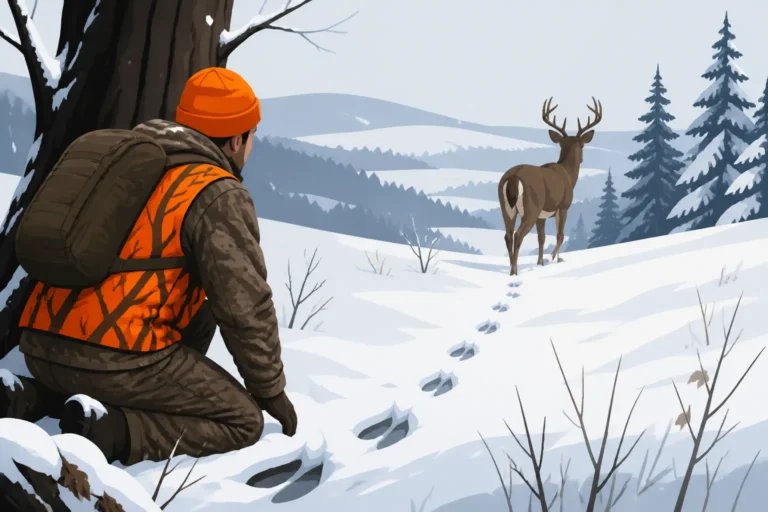
- Sign Reading: Look for fresh deer tracks, rub lines, and especially active scrape lines Along a Logging Road or in transition areas. While scrapes are often associated with buck activity, they also indicate general deer movement. Pay attention to droppings to gauge freshness and deer density.
- Evolving Strategies: Don't be afraid to adjust your plans mid-season. If your initial spot isn't producing, or if hunting pressure pushes deer out, be prepared to move. Use aerial maps on GoHunt to identify alternative bedding areas or overlooked pockets of cover. Sometimes, just moving a few hundred yards can make all the difference. Our guide on Hunting the Second Week of Rifle Season delves into how deer behavior changes after the initial opening day pressure.
- Wind and Thermals: Always be mindful of wind direction. Deer rely heavily on their sense of smell, and a shifting wind can quickly give away your position. In hilly or mountainous terrain, understand how thermals work – typically rising in the morning and falling in the evening – and set up to use them to your advantage. For insights on this, refer to our article on Wind and Thermals on a Ridge.
Post-Harvest Care and Recovery
Taking care of your harvest properly is just as important as the hunt itself. Especially with the colder temperatures often found during the concurrent antlerless days, immediate field dressing and proper handling are critical for preserving the quality of the meat.
- Tagging Requirements: Once you've harvested an antlerless deer, you must immediately complete the harvest tag that came with your license and attach it to the deer's ear. This is a non-negotiable step. Be familiar with all Pennsylvania Deer Tagging Requirements before you go afield.
- Field Dressing: Get to work quickly. Field dressing removes the internal organs, allowing the carcass to cool down rapidly. This prevents spoilage and significantly improves meat quality. Even on cold days, the internal heat can cause issues if not addressed promptly.
- Recovery and Transport: Getting a deer out of steep or remote terrain can be a challenge. Whether you're dragging, using a deer cart, or packing it out, plan your recovery route. On public lands, check regulations regarding vehicle access, but often you’ll be doing some manual labor. Getting a Deer Out of a Pennsylvania Hollow, for example, often requires planning and brute force.
- Reporting Your Harvest: Remember to report your harvest to the Pennsylvania Game Commission within 10 days. This can usually be done online, by mail, or over the phone. This data is vital for wildlife managers to assess deer populations and set future seasons and allocations. GoHunt also offers features that can help you keep track of your hunts and report harvests, making it easier to stay compliant.
Disclaimer
Please note: Hunting regulations are subject to change. Always consult the most current Pennsylvania Hunting & Trapping Digest published by the Pennsylvania Game Commission for the official and most up-to-date rules and seasons before heading afield. This guide is for informational purposes only and does not supersede official regulations.