Hunting Pennsylvania’s Late Archery Season
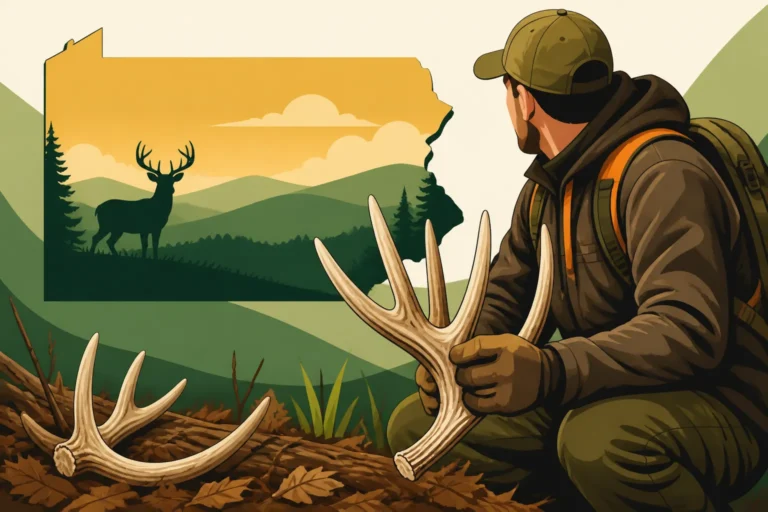
Many Pennsylvania hunters find themselves facing a unique set of challenges as the late archery season rolls around. The woods can feel completely different from the bustling early season or the frenzied rut. Deer, having endured months of pressure and the brutal cold, become ghost-like, their patterns shifting drastically, and finding them can feel like searching for a needle in a haystack. This guide will take a deep dive into how to adapt your strategies, hone your skills, and leverage the right tools to punch your tag during these frigid, often overlooked weeks.
The Unique Dynamics of Late Archery Season
If you've spent any time in the woods during Pennsylvania's late archery season, you know it's a completely different ballgame. The crisp air of September and the vibrant chaos of November are long gone, replaced by a stark, often silent, and undeniably challenging landscape. Deer aren't the same animals they were just weeks or months prior, and understanding these fundamental shifts is crucial for any late-season hunter hoping to find success.
Post-Rut Recovery and Survival Instincts
By late December and especially into January, whitetail deer are well past the peak of the breeding season. The frenetic energy that defined the rut has dissipated, and bucks are no longer cruising miles for does. In fact, many bucks are utterly exhausted. They've burned through a tremendous amount of energy chasing, fighting, and breeding, often foregoing critical feeding opportunities in the process. Their focus, and indeed the focus of all deer, shifts entirely to two things: finding enough calories to survive the harsh winter and conserving energy.
This means their patterns become far more predictable and localized. Instead of random wanderings, deer movements are typically dictated by the most efficient routes between bedding and the best available food sources. They're trying to put weight back on, repair their bodies, and stay warm. If you're still hunting the same travel corridors or scrapes you did during Hunting the Peak Rut Week in Pennsylvania, you're likely to be disappointed. Bucks might be sporting their antlers, but their behavior mirrors that of a survivalist, not a lover. They become incredibly wary, often moving only in the dim light of dawn and dusk, sometimes even becoming entirely nocturnal to avoid human interaction.
Dwindling Food Sources and Their Impact
Another major hurdle in the late season is the scarcity of quality food. The lush green browse of summer is long gone. The bountiful acorn crops that sustained deer through early fall have likely been picked clean by deer, squirrels, and other wildlife. What's left? Often, it's sparse pickings, but those sparse pickings become high-value targets for hungry deer. Agricultural fields, if they haven't been completely harvested and plowed, might offer leftover kernels of corn, soybeans, or wheat. These fields, particularly those with standing crop still available, become magnets.
Natural browse like honeysuckle, green briar, and tender woody stems can become critical, especially in areas without extensive farming. Deer will also hit persistent mast like beechnuts if available, or even browse on hemlock and other conifers as a last resort. Your scouting efforts now need to pivot dramatically from looking for rub lines and scrapes to identifying exactly where deer are concentrating their feeding. A single patch of standing beans or a thicket of honeysuckle on a south-facing slope can hold the majority of deer in an area, simply because it offers the most readily available nutrition. Understanding these specific, often small, pockets of food is the difference between an empty truck bed and a successful hunt.
Navigating Increased Pressure and Shifting Patterns
By late December and January, deer in Pennsylvania have been hunted relentlessly. They've seen rifle hunters, early archery hunters, and muzzleloader hunters. They've heard gunshots, smelled human scent, and witnessed their cohorts being harvested. This cumulative pressure turns them into incredibly smart, spooky animals. They've learned where safe zones are, which usually translates to the thickest, nastiest cover imaginable, or private land sanctuaries where hunting pressure is minimal.
On public land, this means deer often become almost entirely nocturnal, only venturing out into open feeding areas under the cover of darkness. Daytime movement will be extremely limited, usually confined to short forays from thick bedding cover to a nearby food source. This shift means that simply sitting on a well-used trail might not cut it anymore. You might need to adjust your approach to focus on intercepting them much closer to their bedding areas, or identifying overlooked, hard-to-access spots that other hunters have ignored. Sometimes, success in these situations comes from Hunting Small Private Tracts in Pennsylvania where deer haven't been educated by constant pressure. The deer you're hunting now are veterans; you need to be a veteran hunter to outsmart them.
Strategizing for Late Season Success
The late archery season demands a complete recalibration of your hunting strategy. What worked in October or November might be completely ineffective now. Success hinges on a deep understanding of deer behavior in harsh conditions, precise scouting, and the relentless pursuit of their most critical needs: food and shelter.
Pinpointing Key Food Concentrations
As mentioned, food is the ultimate currency in the late season. Without it, deer simply cannot survive the cold. Your job as a hunter is to find the absolute best, most concentrated sources of calories. This often means switching your focus from natural mast crops, which are typically depleted, to agricultural fields or specific types of browse. Scout for standing corn or soybean fields that haven't been completely harvested, or even those with significant waste grain on the ground. Winter food plots, especially those planted with brassicas like turnips or kale, can be absolute deer magnets in areas where they exist.
On public land or in big woods settings, you'll need to look for specific types of natural browse. Honeysuckle thickets, greenbriar patches, and areas of new growth from clearcuts or timber harvests offer vital woody browse that deer will eagerly consume. Pay attention to south-facing slopes, as these areas often receive more sunlight, warming the ground and potentially retaining more green forage. Spend time observing from a distance with good optics during the golden hours to confirm deer are using these areas. Remember, finding Late-Season Food Sources for Whitetails is not just about locating any food, but the best food in the area.
Targeting Thermal Cover and Bedding Areas
Along with food, thermal cover is non-negotiable for deer in the winter. They need places to escape the biting winds and conserve body heat. Think dense conifer stands (pines, hemlocks), thick cedar swamps, or impenetrable tangles of briars and regenerating timber. These areas provide a barrier against the elements, allowing deer to bed down out of the wind and soak up any available sunlight.
South-facing slopes are also key here, as they get more direct sunlight, warming the ground slightly and offering a critical advantage in sub-freezing temperatures. Deer will often bed on these slopes, especially if there's thick cover present, allowing them to warm up during the day. Your strategy should involve identifying these prime bedding areas and then scouting for the most efficient travel routes between them and the concentrated food sources you've found. This connection between food and cover is where you'll find late-season deer. If you're hunting in mountainous terrain, understanding Where Big Woods Bucks Bed can give you a significant advantage, as deer will often use elevation changes to their benefit for thermal protection.
Leveraging Trail Camera Intelligence and Digital Scouting
Trail cameras become even more indispensable in the late season. They can tell you exactly when and where deer are moving to those critical food sources, often confirming nocturnal patterns or revealing a brief window of daytime activity. Instead of spreading cameras out looking for rutting bucks, consolidate them around your identified food sources and along the direct travel routes leading to and from thermal bedding cover. Look for daylight photos and use the data to inform your stand placement. A buck showing up consistently at 9 PM won't help you, but one at 4 PM offers a real opportunity.
Complementing your trail camera intel with digital scouting tools is a powerful combination. Platforms like GoHunt, with their detailed mapping features and satellite imagery, allow you to analyze topography, identify south-facing slopes, locate dense thermal cover, and even spot potential hidden food plots or clearcuts from the comfort of your home. You can mark potential bedding areas, food sources, and travel corridors, saving valuable time and reducing disturbance in the field. When you combine the ground truth from your trail cameras with the aerial perspective provided by Scouting With the Pennsylvania Mapping Center, you gain an incredibly clear picture of how deer are navigating their winter landscape. This integrated approach minimizes your impact while maximizing your chances of being in the right place at the right time.
Tactics for Enduring the Cold and Making the Shot
Late season archery isn't just about finding the deer; it's also about enduring the conditions and being prepared to execute when the moment arrives. The cold can be brutal, making every minute on stand feel like an eternity, and deer will punish any mistake you make.
Essential Cold Weather Sitting Strategy
Sitting still for hours in Pennsylvania's late-season cold is a true test of mental and physical fortitude. Your success often hinges on your ability to stay comfortable and focused for extended periods. Layering is absolutely paramount. Start with a moisture-wicking base layer against your skin, followed by insulating mid-layers like fleece or down, and topped with a windproof and waterproof outer shell. Wool and high-quality synthetics are your best friends here. Don't forget extremities: heavily insulated boots, thick wool socks (maybe even two pairs), a warm hat that covers your ears, and insulated gloves or mittens. Hand warmers in your pockets or a hand muff are almost mandatory.
A well-insulated seat pad can make a huge difference, preventing heat loss to a cold treestand or ground. Some hunters even use portable heaters or chemical warmers (like the popular HotHands brand) strategically placed in their clothing. The goal is to avoid shivering, which not only makes you uncomfortable but also makes it impossible to draw your bow smoothly and accurately. Remember, deer might move slower in the cold, but they're still incredibly alert. Being able to sit still and quiet is critical. For more in-depth advice on staying warm, check out Cold Weather Sitting Strategy.
Meticulous Scent Control
In the cold, still air of late winter, scent hangs heavy and travels far. Deer are moving slower, more deliberately, and often through thick cover where close encounters are more likely. Their noses are their primary defense, and any whiff of human odor will send them packing without a second thought. Your scent control regimen needs to be meticulous. Wash your hunting clothes in scent-free detergent, store them in airtight containers, and dress in the field to minimize sweat and transfer of foreign odors.
Using scent-eliminating sprays on your outer layers, boots, and even your bow can help, but nothing replaces playing the wind. Always position yourself so the wind is carrying your scent away from where you expect deer to approach. If the wind isn't right, don't hunt that spot, or find an alternative setup. On still mornings, thermals can be a big factor, often carrying scent uphill as the air warms and downhill as it cools. Understanding and respecting the wind is your single most important scent control tool, especially when deer are so wary.
Low-Impact Entry and Exit Routes
By the late season, deer have learned to associate human activity with danger. Busting deer on your way to or from your stand can ruin a hunt for days, especially in an area with Hunting Pressure on Pennsylvania Game Lands. Planning your entry and exit routes to be as quiet and undetected as possible is critical. Use natural terrain features, dense cover, or ditches to obscure your movement. Avoid walking through known bedding areas or across primary feeding fields in the dark.
If possible, choose routes that allow you to approach and depart with the wind in your favor, or at least crosswind to primary travel paths. Consider how your silhouette might appear against the skyline at dawn and dusk. Sometimes, this means taking a longer, more circuitous route, but the payoff of not alerting a wary buck is well worth the extra effort. The goal is to slip in and out like a ghost, leaving no trace of your presence.
Making the Shot in Challenging Conditions
Drawing your bow and making a precise shot when your fingers are numb with cold is no easy feat. Practice shooting in similar conditions. Wear your gloves or mittens and try to draw your bow smoothly and quietly. Ensure your broadheads are razor-sharp, as a quick, clean pass-through is even more important when tracking conditions might be difficult (frozen ground, minimal blood). Be patient. Deer often move more slowly in the cold, offering a slightly longer window, but their natural caution means you might only get one brief, clear opportunity.
When the shot presents itself, take a deep breath, focus on a spot behind the shoulder, and execute your shot process flawlessly. In the late season, with deer focused on survival and likely to be skinnier than earlier in the year, ethical shot placement is paramount. While this advice is typically applied to larger game like when discussing Shot Placement on a Black Bear, the principle of aiming for vital organs and waiting for the perfect angle is universal across all species. Avoid risky shots and be prepared to track in potentially challenging conditions.
Navigating Late Season Regulations
Even seasoned hunters can get tripped up by the nuances of Pennsylvania's hunting regulations, especially when seasons shift and specific requirements change. It's always your responsibility to know the rules.
Specific Season Dates and WMU Rules
Pennsylvania's late archery season typically runs from late December through mid-January, but exact dates can vary slightly year to year and sometimes by Wildlife Management Unit (WMU). It's crucial to consult the current Pennsylvania Game Commission (PGC) Hunting & Trapping Digest. Some WMUs might have extended archery seasons, particularly in areas with high deer populations or where specific management goals are in place.
Always double-check the opening and closing dates for your specific WMU to avoid any unfortunate violations. What might be legal in one part of the state could be out of season just a county away. This is distinct from When Pennsylvania's Archery Season Opens in early fall, and hunters must ensure they are compliant with the specific late-season framework. Also be aware of potential overlap with other seasons, such as the Hunting Pennsylvania's Uninterrupted Firearms Season for antlerless deer, which could affect hunter orange requirements in certain situations.
Hunter Orange Requirements
During the late archery season, especially when it overlaps with other firearms seasons (like the extended antlerless firearms season or flintlock season), hunter orange requirements can come into play. Generally, archery hunters are not required to wear hunter orange during a pure archery season. However, if you are archery hunting during a period when a firearms deer season is also open in your WMU, you are required to wear at least 250 square inches of fluorescent orange material on your head, chest, and back combined, visible 360 degrees.
This is a critical safety regulation. Always err on the side of caution. If there's any doubt, wear your orange. It protects you from other hunters who might be in the woods for different seasons. The PGC digest will clearly outline these requirements. For a detailed breakdown of the exact specifications, review Pennsylvania Hunter Orange Square Inches.
Tagging and Reporting Your Harvest
The regulations for tagging and reporting your deer harvest remain the same in the late archery season as they do for any other deer season. Immediately after harvesting a deer, you must fill out your tag completely and attach it to the deer's ear. This needs to be done before moving the deer from the kill site. Failure to properly tag a deer is a serious violation.
You are also required to report your deer harvest to the Pennsylvania Game Commission within 10 days of the kill. This can be done online through the PGC website, by phone, or by mail. Harvest data is incredibly important for wildlife management, helping the PGC monitor deer populations and set future seasons and tag allocations. Don't skip this step. Make sure you understand all of Pennsylvania Deer Tagging Requirements to stay compliant.
Late Archery Season: Challenges & Solutions
| Challenge | Description | Late Season Solution |
|---|---|---|
| Deer Behavior | Wary, nocturnal, focused on survival, post-rut exhaustion | Focus on food-to-bed patterns, low-impact entry/exit routes. |
| Food Scarcity | Acorns gone, natural browse limited, fields harvested | Scout for standing ag crops, specific persistent browse (honeysuckle, briars). |
| Hunter Pressure | Deer educated from prior seasons, seek dense cover/sanctuaries | Target overlooked thickets, private land (with permission), observe from distance. |
| Extreme Cold | Numb fingers, shivering, discomfort, difficulty staying still | Meticulous layering, insulated boots/gloves, hand warmers, proper stand setup. |
| Scent Detection | Scent hangs heavy in cold, still air | Strict scent control, washing clothes, always play the wind. |
| Shot Execution | Cold affects accuracy, gear, and hunter's ability to draw | Practice shooting in cold weather, ensure sharp broadheads, prioritize ethical shots. |
| Regulatory Compliance | Overlap with other seasons, specific WMU dates | Consult current PGC digest, understand hunter orange rules for overlap, proper tagging/reporting. |
| Tracking Conditions | Frozen ground, minimal blood, deep snow | Wait for the perfect shot, use good optics, be prepared for tough trailing. |
Disclaimer
Please remember that hunting regulations and seasons can change. Always consult the most current Pennsylvania Game Commission Hunting & Trapping Digest or their official website for the most up-to-date and accurate information before heading into the field. This guide is for informational purposes only and does not supersede official regulations.