Flushing Grouse Without a Dog
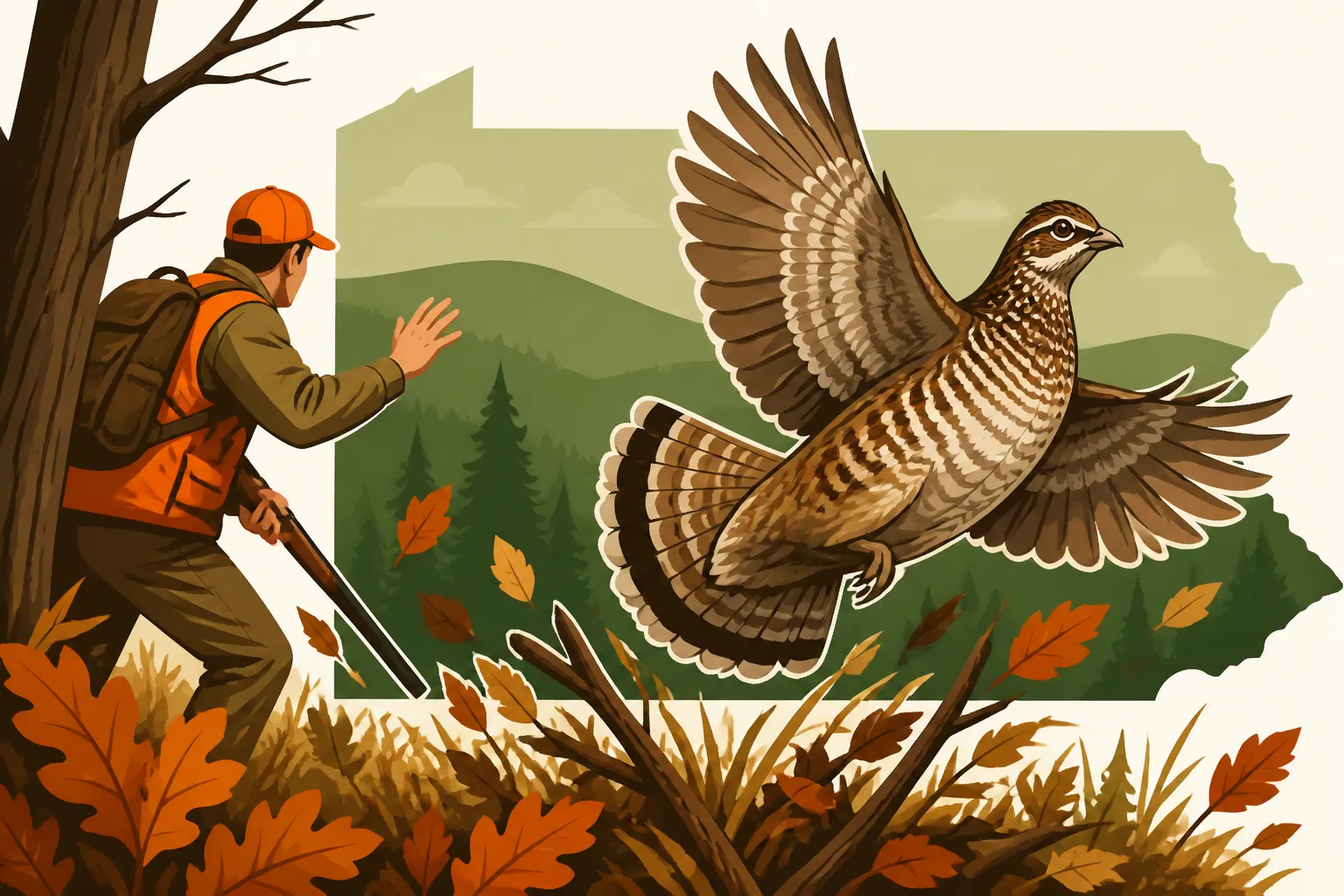
The distinct drumming of a ruffed grouse taking wing is a sound etched into the memories of Pennsylvania hunters, but for many, the traditional image of a bird dog quartering a cover is just that — an image. The reality is, a lot of us don't have the luxury of a well-trained canine companion. If you've been hesitant to chase Pennsylvania's "King of Game Birds" because you lack a four-legged flushing machine, this guide is for you. We're going to dive deep into effective strategies for finding and flushing grouse in Pennsylvania without a dog, turning what many see as a disadvantage into an opportunity for a different, equally rewarding hunting experience.
Understanding Ruffed Grouse Behavior Without a Dog
Before you can flush a grouse, you need to be where grouse are, and that means understanding their habits. Without a dog to cover ground and point, your senses become your primary tool, and knowing where to direct them is paramount.
Their Preferred Habitat and Food Sources
Ruffed grouse are creatures of dense cover, preferring young forests, thick brush, and areas of diverse vegetation that offer both food and protection from predators. In Pennsylvania, this often translates to regenerating clearcuts, old logging roads grown over with saplings, thick stands of conifers like hemlock or spruce, and brushy creek bottoms. They need that thick stuff to hide in, whether it's from a hawk circling overhead or a coyote slinking through the underbrush. During the fall hunting season, their diet shifts, and they'll be found foraging on a variety of foods. Look for areas with wild grapes, greenbriar berries, aspen or birch catkins, and the buds of various trees. If you can locate a thick patch of young growth that also has a good food source nearby, you've found a potential grouse haven. This is where your scouting, even without a dog, truly pays off. Knowing what to look for on a topographical map or an aerial view can save you countless steps. To really dig into where they prefer to hide, check out our guide on Grouse Hunting Pennsylvania Cover.
Reading the Sign in the Woods
Since you don't have a dog to tell you a bird is present, you'll need to sharpen your observational skills. Grouse are often silent, but they do leave clues. Keep an eye out for fresh droppings, which are typically dark and cylindrical. These can indicate recent activity. Another key sign is "cuttings" – small, clipped twigs and buds on the forest floor, especially around aspen, birch, or hazelnut stands. These are tell-tale signs of grouse feeding. They literally snip off the buds and twigs as they eat. You might also find dusting bowls, shallow depressions in soft soil or sand where birds have ruffled their feathers to clean themselves. While these signs won't tell you a bird is there right now, they confirm grouse are using the area and give you confidence to work the cover thoroughly. Look for these subtle hints as you move, paying close attention to the ground, especially near the edges of thickets or where different cover types meet.
Tactics for Still-Hunting Grouse Cover
Still-hunting for grouse without a dog is an art form that demands patience, keen observation, and a precise understanding of how grouse react to human presence. It’s about being deliberate, not just walking aimlessly through the woods.
The "Stop-and-Go" Method
This is, hands down, the most crucial tactic for the dogless grouse hunter. Grouse are champions at holding tight, often letting you walk right past them before flushing when you least expect it. The "stop-and-go" method capitalizes on this behavior. Instead of walking at a steady pace, take 5-10 slow, deliberate steps, then stop completely for 10-20 seconds. During this pause, be absolutely still. Listen for the rustle of leaves, the quiet whir of wings, or any sound that breaks the silence. More importantly, allow your eyes to scan the cover for any flicker of movement. Often, a grouse will become nervous when you stop, especially if it thought it had successfully let you pass. It might decide to flush in that moment of stillness, breaking its camouflage. Many times, it's that subtle shift in pressure or the sudden silence after movement that triggers the flush. It takes discipline, but it's incredibly effective, essentially using your own presence to mimic the stop-start pressure a dog might apply.
Walking Patterns and Lanes
The way you traverse a cover can significantly impact your success. Without a dog to systematically work a covert, you need to impose your own pattern. Instead of straight lines, which can leave large unsearched areas, consider walking in zig-zag patterns or even S-shapes through dense sections. This allows you to cover more ground effectively and approach potential hiding spots from multiple angles. When working along a dense edge, like a clearcut or a brushy stream bank, walk parallel to the edge, but slightly into the cover, not just on the outside. Grouse often prefer to be just inside the thick stuff. If hunting with a partner, one person can walk a bit slower, slightly behind the other, creating a staggered line. This provides two sets of eyes and ears, and the slight lag can sometimes push a bird that held for the first hunter into flushing for the second. Remember, the goal is to surprise the bird and force it into the air, giving you a shot.
Leveraging Terrain and Coverts for Dogless Hunting
Pennsylvania's diverse topography offers a multitude of coverts for grouse, and knowing which ones to focus on can maximize your dogless hunting efforts. It's not just about walking through any thick stuff; it's about walking through the right thick stuff.
Hunting Clearcuts and Young Forest
Regenerating clearcuts and young forest stands are absolute magnets for ruffed grouse in Pennsylvania. These areas, often created by timber harvesting or even natural disturbances like strong winds, provide the dense, multi-layered cover that grouse rely on. Think about those areas where the saplings are so thick you can barely push through, where blackberry brambles are rampant, and where fallen logs offer ideal drumming stages. These are prime locations. When hunting these areas, focus on the edges where the young growth transitions to mature timber, or around any small pockets of mature trees left within the clearcut. Grouse will often feed on the edge of the mature timber and retreat into the dense regeneration when disturbed. Remember, these can be incredibly tough to navigate, but the rewards are often worth the effort. For more detail on these specific habitats, our guide on Hunting Pennsylvania Clearcuts and Regrowth offers valuable insights. Also, understanding Why Young Forest Matters to Grouse can help you identify these hotspots more quickly.
Bottomlands, Bench Cuts, and Edge Cover
Beyond clearcuts, certain topographical features consistently hold grouse. Bottomlands, especially along small creeks or swampy areas, provide a constant source of moisture, which supports a different variety of undergrowth and food sources. Look for areas with thick alders, grapevines, and dense evergreen cover like hemlocks. Grouse also love benches and points on hillsides, particularly those that offer a bit of sun exposure and dense cover like mountain laurel or rhododendron. These locations can be microclimates, offering slightly warmer spots in cold weather or cooler, shadier spots when it's mild. Always work the edges where different cover types meet – the seam between an open hardwood stand and a thick conifer patch, the border of a field and a brushy fence row, or where a logging road cuts through dense growth. These transition zones are high-traffic areas for grouse moving between feeding and loafing cover. Using tools like the GoHunt app can be incredibly useful here, allowing you to scout these specific topographical features and cover types from your phone before you even set foot in the woods. You can mark potential hotspots and plan your approach, giving you a significant advantage.
Essential Gear for the Dogless Grouse Hunter
Without a dog to do some of the heavy lifting, your gear choices become even more critical. You need to be mobile, protected, and have the tools to navigate and take the shot when the opportunity arises.
Shotgun and Loads
For grouse, you'll want a fast-handling shotgun. Over-unders, side-by-sides, or lightweight semi-automatics in 20 gauge or 16 gauge are popular choices, though a 12 gauge can certainly work. The key is balance and ease of swing, as shots are often close, fast, and through thick cover. A shorter barrel (26 inches or less) is generally preferred for navigating dense brush. When it comes to chokes, an open choke is almost always the way to go. Improved Cylinder (IC) or Skeet (SKT) are excellent choices, as grouse shots are typically under 25 yards, and you need a fast-spreading pattern in the thick stuff. Many hunters will even run a Skeet choke in the first barrel and an Improved Cylinder in the second if they're using a double gun. As for loads, lighter shot sizes like 7.5 or 8 are ideal. You don't need heavy pellets for these birds, and the higher pellet count of smaller shot increases your chances of connecting in a fleeting moment. For a deeper dive into choosing your firearm, consult our guide on Best Shotgun Gauge for Pennsylvania Grouse and Shot Size for Grouse in Thick Cover.
Clothing, Navigation, and Safety
Hunting Pennsylvania grouse without a dog means you'll be pushing through some seriously nasty cover, so your clothing needs to be up to the task. Heavy-duty brush pants or chaps are non-negotiable to protect your legs from briars and thorns. Layers are also important, as you'll be exerting a lot of energy, even in cold weather. Remember, a good upland vest with plenty of pockets for shells, water, and perhaps a small game bag is incredibly useful. You'll want to choose a vest with sufficient blaze orange to meet Pennsylvania's requirements, and perhaps even exceed them for added visibility in dense woods. Consider an upland vest with a "game bag" or a larger pocket on the back to carry your harvested birds and any other essentials, as well as an Upland Vests With Water Capacity to stay hydrated.
Navigation is paramount. While physical maps are great, a good GPS unit or a reliable hunting app on your smartphone, like GoHunt, is invaluable. The GoHunt app can help you identify property lines, locate specific cover types, and track your movements, ensuring you don't get turned around in thick woods or accidentally trespass. It’s also fantastic for marking flush locations or areas where you've found good sign. Always carry a compass and know how to use it as a backup, and ensure your phone is fully charged with a portable power bank. Safety glasses are also a smart addition to protect your eyes from snapping branches. Finally, because you're often alone or with just one partner, a small first-aid kit is a wise inclusion in your pack.
Table: Dogless Grouse Hunting Tactics at a Glance
| Tactic/Focus Area | Description | Why It Works for Dogless Hunters |
|---|---|---|
| Stop-and-Go Method | Walk 5-10 steps, stop for 10-20 seconds. Repeat. | Grouse often hold tight, flushing when the perceived threat (you) pauses or moves again. |
| Zig-Zag/Grid Patterns | Traverse cover in S-shapes or grid-like paths, not straight lines. | Maximizes coverage in dense areas, ensures you approach cover from multiple angles. |
| Focus on Edges | Prioritize hunting the seams between different cover types, especially dense to open. | Grouse use edges for travel, feeding, and escaping; often caught moving between. |
| Leverage Topography | Hunt clearcuts, creek bottoms, benches, and thick conifer stands. | These areas consistently provide the food and security grouse need. |
| Read the Sign | Look for droppings, cuttings, dusting bowls. | Confirms grouse presence, guides you to active areas even without a dog's nose. |
| Use Navigation Apps | Utilize apps like GoHunt to identify prime cover, property lines, and track movement. | Replaces a dog's broad coverage with precise, pre-scouted knowledge and in-field guidance. |
| Patience & Persistence | Take your time, re-work promising cover, and don't get discouraged by empty flushes. | Grouse are elusive; consistent, deliberate effort is key to increasing encounters. |
Hunting grouse without a dog is a distinctly different challenge, one that tests your woodsmanship, patience, and ability to read the landscape. While you might not cover as much ground as a seasoned bird dog, the satisfaction of outsmarting one of Pennsylvania's most elusive game birds on your own terms is incredibly rewarding. Keep these tactics in mind, gear up properly, and don't let the absence of a canine companion stop you from experiencing the thrill of a ruffed grouse flush in the beautiful Pennsylvania woods.
Disclaimer
Hunting is an activity that carries inherent risks. Always prioritize safety, adhere to all local, state, and federal hunting regulations, and ensure you have proper training and licensing before heading afield. The information provided in this guide is for informational purposes only and should not replace professional instruction or local wildlife agency guidelines.