Pennsylvania Firearms Deer Season Structure
Navigating Pennsylvania's firearms deer season can feel like deciphering a cryptic puzzle with all the different dates, antler restrictions, and WMU-specific rules. It's frustrating to pour over the digest, trying to make sense of what's legal where and when, especially when you've invested so much time and effort into scouting. This guide aims to clear up the confusion, providing a comprehensive breakdown of the firearms deer season structure so you can hunt with confidence and clarity.
The Evolution of Pennsylvania's Firearms Deer Season
For decades, the Pennsylvania firearms deer season was a pretty straightforward affair: a two-week stretch, always starting the Monday after Thanksgiving, with bucks-only for the first week, then antlerless tags becoming valid for the second week. But things have changed, and honestly, sometimes it feels like they're changing faster than we can keep up! Understanding the historical context helps us appreciate why the season looks the way it does today and why those frustrating changes were implemented.
Historical Context and Recent Changes
Gone are the days of a split season for bucks and does, which often meant hunters had to choose between chasing antlers or filling the freezer. The Pennsylvania Game Commission (PGC) made significant adjustments over the years, driven by herd management goals, hunter opportunity, and reducing deer-vehicle collisions. One of the biggest shifts was the move to a completely concurrent season for both antlered and antlerless deer, meaning you can harvest either on any legal day of the firearms season, provided you have the correct tags. This change, while initially met with mixed reactions, has largely been seen as a benefit, allowing hunters more flexibility and increasing harvest efficiency for deer management. Before this, you either focused solely on a buck or waited for the second week. Now, the opportunities are there from day one. It shifted the mindset from a "buck hunt" to a "deer hunt," which is a subtle but important distinction in how many of us approach the woods.
General Season Dates and Statewide Regulations
The general statewide firearms deer season typically runs for about two weeks, usually starting the Saturday after Thanksgiving, although specific dates can shift slightly each year. It’s absolutely crucial to check the current year’s digest from the PGC, because you don’t want to be caught off guard by a schedule tweak. During this period, all hunters with a valid general hunting license can pursue antlered deer, provided they adhere to the specific antler restrictions for their Wildlife Management Unit (WMU). For antlerless deer, you must possess a valid WMU-specific antlerless license for the unit you are hunting. Without that second tag, taking a doe is illegal, even if you see plenty. The legal shooting hours for deer during the firearms season are generally from one-half hour before sunrise to one-half hour after sunset. These are standard rules across the board, but remember, the details matter.
The Impact of Sunday Hunting
For generations, Sunday hunting in Pennsylvania was almost a mythical concept, something talked about but never truly realized. That all changed relatively recently, bringing with it a huge shift in hunter opportunity and strategy. Now, there are three Sundays open to hunting throughout the year, with one of them specifically allocated for deer during the general firearms season. This particular Sunday usually falls within the middle of the two-week season, offering a precious extra day of hunting that many hunters eagerly anticipate. This change has been a game-changer for those who work Monday through Friday, giving them a full weekend to hunt during the firearms season, not just a Saturday. It also spreads out hunting pressure somewhat, though some areas can still feel quite crowded. While it's a welcome addition for many, it's also important to remember that not all species are open to Sunday hunting, especially migratory birds. You can learn more about What Sunday Hunting Changed in Pennsylvania to understand the full scope of these new regulations. This extra day requires a different approach to planning, as it might extend your hunt or allow you to recover a deer that you might have otherwise had to wait until Monday for, which is a huge benefit for responsible game recovery.
Navigating Wildlife Management Units (WMU) Specifics
Pennsylvania's system of Wildlife Management Units (WMUs) is probably one of the most confusing aspects for new hunters, and even seasoned veterans sometimes need a refresher. It's not just about knowing the season dates anymore; it's about knowing where you are and what the specific rules are for that particular area. These units were designed to allow the PGC to manage deer populations more precisely based on local habitat conditions, deer densities, and human tolerance levels.
Understanding WMU Boundaries
There are 23 WMUs across Pennsylvania, each with its own set of regulations regarding antler restrictions and antlerless license allocations. These boundaries often follow major roads, rivers, or county lines, but they can sometimes be a bit arbitrary, especially if you're hunting on a large tract of public land that straddles two units. This is where detailed maps, like those available on platforms such as GoHunt, become invaluable. Using a GPS or a hunting app on your phone with overlaid WMU boundaries is almost essential these days. Imagine you're hunting a ridge line, and one side is in WMU 2F with a 3-points-on-one-side antler restriction, while the other side is in WMU 2G, which might be 4-points. It's vital to know exactly where you are before you pull the trigger, or you could face a hefty fine and lose your deer. Understanding Pennsylvania Deer Seasons and WMU Rules is critical to avoid any legal mishaps.
Antler Restrictions by WMU
The antler restrictions are perhaps the most talked-about and debated aspect of WMU-specific rules. They were put in place to shift the age structure of Pennsylvania's buck herd, allowing more young bucks to survive and mature, theoretically leading to more older, larger-antlered deer. These restrictions vary significantly by WMU, generally falling into one of two categories for antlered deer:
- Three points on one side: This means a buck must have at least three measurable points on one antler, not necessarily three on each side. If it has less than three points on one side, it generally needs to have a main beam of at least three inches in length.
- Four points on one side: This is a more restrictive rule, requiring at least four measurable points on one antler. This rule typically applies to WMUs in the northern tier and "big woods" regions where deer densities are generally lower and the habitat might be less productive for antler growth.
Junior license holders, disabled persons permit holders, and active duty military personnel are often exempt from these antler point restrictions, but they still need to adhere to the one-antlered deer per license year limit. This is a common point of confusion. Always double-check the current digest for the specific WMU you plan to hunt. A useful table for common WMU antler restrictions might look like this:
| WMU | Antler Restriction for Adult Hunters (General) | Notes |
|---|---|---|
| 1A | 3 points on one side | Also applies to 1B, 2A, 2B, 2C, 2D, 2E, 2F, 2G, 2H, 3A, 3B, 3C, 3D, 4A, 4B, 4C, 4D, 4E, 5A, 5B, 5C, 5D |
| 2B | 3 points on one side | Special regulations apply in parts of this WMU (SRA) |
| 3A | 3 points on one side | The most common restriction |
| 5C | 3 points on one side | Highly urbanized areas often have unique challenges |
For a comprehensive list, you really need to consult the official PGC hunting and trapping digest, or use a reliable app like GoHunt which typically updates these rules. The goal is to allow younger bucks to survive, and understanding Pennsylvania Antler Restrictions by WMU is key to participating ethically.
Antlerless Tag Allocation and Purchase
Securing an antlerless tag is an entirely different beast than getting your general hunting license. Unlike the general license, which allows you to take one antlered deer statewide, antlerless licenses are WMU-specific and are sold on a staggered schedule. This system is designed to control harvest pressure in each unit. Some popular WMUs, particularly those in the southeastern part of the state or around prime agricultural areas, sell out of antlerless tags within minutes or hours of going on sale. You have to be ready to purchase them on the exact day and minute they become available for your desired WMU.
The sales typically start with residents for the most desirable WMUs, then open up to other WMUs, and finally, any remaining tags become available to non-residents. Knowing when How Pennsylvania Antlerless Licence Sales Work is crucial. It's a high-stakes game for many hunters, especially those who rely on antlerless tags to fill their freezers. These tags are critical for herd management, allowing the PGC to adjust deer numbers in specific areas. If you plan to hunt does, you really need to prioritize getting those tags.
Strategies for the Firearms Season: Success Beyond Opening Day
Opening day of Pennsylvania's firearms deer season is an event, a tradition almost as sacred as Thanksgiving itself for many families. The woods are typically buzzing with activity, deer are on the move, and opportunities can come fast and furious. However, the season is two weeks long, and a savvy hunter knows that success isn't limited to the first morning. In fact, some of the best hunting can happen after the initial rush subsides.
Adapting to Pressure and Hunter Density
After the chaos of opening day, deer become incredibly wary. They've been pushed, bumped, and perhaps even shot at. Their natural instincts kick into overdrive, and they often seek out the thickest, nastiest cover they can find – places most hunters aren't willing to go. This is where you can gain an advantage. Instead of hunting the usual funnels and oak flats that saw heavy traffic on day one, start looking at dense clearcuts, swampy bottoms, laurel thickets, or even tiny pockets of cover on the edges of suburban developments where deer might feel safe.
Consider a strategy of still-hunting slowly and deliberately through these less-pressured areas. Rather than sitting in a stand for hours, you might find success by moving through cover against the wind, pausing frequently, and using your binoculars to pick apart dense foliage. Deer often bed down right in these spots, waiting out the pressure. Also, think about hunting mid-week. Hunting the Second Week of Rifle Season often proves fruitful because many hunters have gone back to work, leaving the woods quieter and the deer less disturbed. Being realistic about hunter density means adapting your tactics and hunting smarter, not necessarily harder.
Utilizing Food Sources and Cover
As the season progresses into late November and early December, natural food sources become increasingly important. Acorns, if they were abundant, are often mostly gone by now. Deer will turn to browse, lingering soft mast, and cultivated crops. Farmers' fields, especially those with standing corn or winter wheat, become magnets for deer, particularly in the agricultural regions of the state.
On public land, look for areas with late-dropping oaks (like red oaks), hemlock thickets for thermal cover, or areas with persistent browse like witch hazel or mountain laurel. Deer need both food and cover, and during the firearms season, they'll often prioritize secure cover close to a reliable food source. Hunting the edges of these cover blocks, especially during the last hours of daylight, can be very effective. Scouting is key here, even during the season. A quick mid-day walk to check for fresh tracks near a likely food source can be a game-changer. If the acorn crop failed in your area, deer might be moving more, creating new opportunities.
Mid-Season Tactics and Weather Considerations
The weather in late November and early December in Pennsylvania can be a mixed bag – mild and rainy one day, bitter cold and snowy the next. Each weather condition presents unique challenges and opportunities.
- Rainy days: Many hunters shy away from hunting in the rain, but deer are still active. Rainy conditions can muffle sound, allowing you to move through the woods more quietly. Deer often move to feed during light rain, but heavy downpours will send them to thick cover.
- Cold snaps: A sudden drop in temperature will make deer need to feed more to maintain their body heat. Focus on prime food sources during these times.
- Snow: A fresh blanket of snow can be a tracker's dream, revealing fresh deer movement and allowing for effective blood trailing. It also provides excellent contrast, making deer easier to spot against a white background. Learning to read the sign after a fresh snow, especially when Still-Hunting After a Fresh Snow, can be incredibly rewarding.
Mid-season can also be a good time for small, organized deer drives, especially on public lands where deer have been pushed into specific thickets. Even with just three or four hunters, a well-executed drive can move deer past standers. Remember to plan your drives safely and communicate clearly.
Concurrent Antlerless Hunting and Special Regulations Areas
One of the most significant changes to Pennsylvania's deer season in recent memory is the concurrent antlerless firearms season. No longer do hunters have to wait for the second week to use their antlerless tags; you can now take a doe (with the proper license) from day one. This provides immense flexibility but also adds a layer of responsibility and decision-making during your hunt.
The Why and How of Concurrent Antlerless Season
The shift to concurrent antlerless hunting was primarily a deer management tool. It allows the PGC to achieve harvest objectives more efficiently, especially in WMUs with higher deer populations, by giving hunters more opportunities to harvest does. For the hunter, it means if a prime doe comes into range on opening morning, and you have your antlerless tag for that WMU, you can take her without hesitation. This is a huge benefit for filling the freezer, particularly for those whose primary goal isn't just a trophy buck.
To participate in the concurrent antlerless season, you must purchase a WMU-specific antlerless license in addition to your general hunting license. You can hold multiple antlerless licenses, up to the statewide limit, but each must be for a specific WMU. For example, if you hunt in WMU 2B and also have permission on a farm in WMU 5C, you would need separate antlerless licenses for each unit. There are days specifically designated as Hunting Pennsylvania Concurrent Antlerless Days, so pay attention to the PGC schedule. It's a system designed for precision, allowing the PGC to manage localized deer populations effectively.
Specifics of Special Regulations Areas (SRAs)
Within Pennsylvania, there are a few designated Special Regulations Areas (SRAs) that have even more specific rules, often due to high human populations, limited hunting access, or unique management challenges. These areas typically include parts of WMUs 2B, 5C, and 5D, which encompass the suburban and urban fringes around Pittsburgh, Philadelphia, and Allentown/Bethlehem.
In SRAs, hunters often have a wider array of legal implements for deer hunting, including certain types of firearms (like semi-automatic rifles that are otherwise restricted in some general seasons), crossbows, and sometimes even extended seasons or increased bag limits. The rationale is to allow more flexible and effective deer control in areas where traditional hunting methods might be less practical or where deer populations pose a higher risk to public safety (e.g., deer-vehicle collisions) or property (e.g., crop damage). If you plan to hunt in an SRA, it's absolutely crucial to consult the digest for that specific WMU and any additional SRA rules. For example, some SRAs might allow the use of centerfire semi-automatic rifles during the regular firearms season, while others might restrict them. This level of detail is paramount to hunt legally and safely.
Youth and Mentored Hunter Opportunities During Firearms Season
Pennsylvania has a strong tradition of introducing new hunters to the sport, and the firearms deer season offers specific opportunities for mentored youth and junior hunters. These programs are designed to provide a safe and educational experience, fostering the next generation of conservationists.
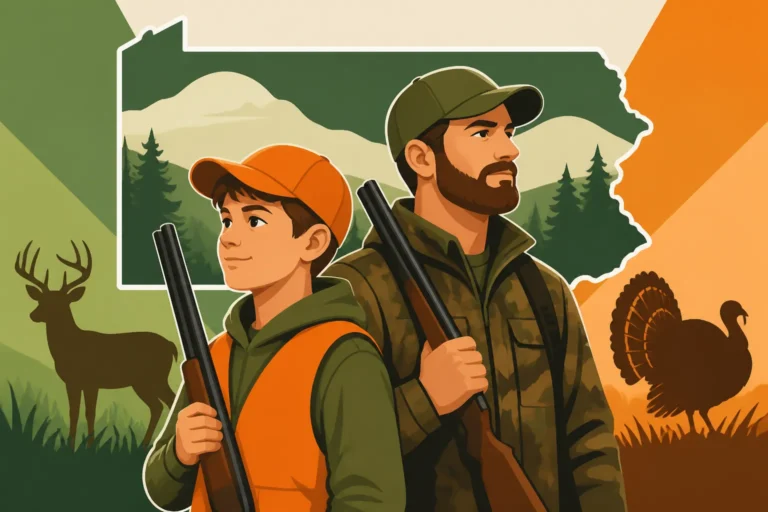
- Mentored Youth Program: Children under the age of 12 (who do not yet qualify for a junior license) can participate in hunting with a Mentored Youth Permit, always under the direct supervision of a licensed adult mentor. They share the mentor's tag (often an antlerless tag), allowing them to harvest an antlered or antlerless deer. This is an incredible way to introduce young ones to the outdoors without the pressure of needing their own license or antler point restrictions.
- Junior Hunters: Hunters aged 12-16 with a junior license have their own tag for an antlered deer and can purchase antlerless licenses. Critically, junior hunters are typically exempt from antler restrictions, meaning they can harvest any antlered deer with one or more points or a spike of at least three inches, regardless of the WMU. This exemption is designed to increase their chances of success and keep them engaged.
It’s important that both mentors and junior hunters understand the specific rules. For instance, mentor adult hunters must possess all required licenses and tags for the season in which they are mentoring. These opportunities are vital for passing on our hunting heritage, and the firearms season provides many avenues for new hunters to experience success. Understanding the details of Pennsylvania Hunter Education and Mentored Permits is a great first step for anyone looking to get involved or mentor a young hunter.
Post-Harvest Considerations and Reporting
Successfully harvesting a deer during the firearms season is a moment of triumph, but the work isn't over. You've got responsibilities that extend beyond the shot, including proper tagging, field care, and reporting. These steps are not just legal requirements; they're ethical practices that ensure we respect the animal and contribute to sound wildlife management.
Tagging and Field Care in Cold Weather
Immediately after harvesting a deer, you must detach the valid kill tag from your license and attach it to the ear of the deer. This tag must be completed with the date, time, and WMU of the harvest. Failing to tag your deer immediately is a violation. Don’t wait until you get back to the truck or camp.
Once tagged, proper field care is essential, especially given the varying temperatures during Pennsylvania's late fall and early winter. If the weather is mild, above 40 degrees Fahrenheit, it’s crucial to field dress the deer as quickly as possible to allow the carcass to cool and prevent meat spoilage. In colder weather, spoilage is less of a concern, but proper dressing still aids in transport and hygiene. Learning Field Dressing a Deer in Cold Weather can save you a lot of headache and ensure your venison is top-notch.
After field dressing, consider how you’ll get the deer out of the woods. Whether it’s dragging, using a deer cart (where allowed), or boning out the animal for a frame pack, having a plan is key. Many parts of Pennsylvania, especially in the big woods, involve steep terrain and long hauls. Having a game bag can be useful to keep the meat clean, even in cold weather, especially if you plan on aging the deer for a few days.
Reporting Your Harvest and CWD Guidelines
Within 24 hours of harvesting a deer, you are legally required to report your harvest to the Pennsylvania Game Commission. This can be done online through the PGC website or by calling a toll-free number. Reporting accurately and promptly is vital for the PGC's population estimates and management decisions. It allows them to assess harvest success and adjust future tag allocations. You can find more specific information on Pennsylvania Deer Tagging Requirements.
Furthermore, hunters must be aware of Chronic Wasting Disease (CWD) and its implications. CWD is a serious neurological disease that affects deer, elk, and moose. Certain areas of Pennsylvania are designated as Disease Management Areas (DMAs) or CWD Established Areas (CEAs) due to the presence of CWD. If you harvest a deer within a DMA or CEA, there are specific carcass transportation and testing rules you must follow. This includes restrictions on moving certain parts of the deer carcass out of the DMA/CEA and opportunities for voluntary or mandatory CWD testing. For example, the head of a deer harvested in a DMA often needs to be taken to a PGC drop-off location for testing. Understanding Pennsylvania CWD Carcass Rules is not just about compliance; it's about protecting the future of our deer herd and ensuring the venison you consume is safe. Always check the most current PGC regulations for DMAs and CWD testing protocols before you head afield. These regulations are designed to minimize the spread of CWD and are a critical part of being a responsible hunter in Pennsylvania.
Disclaimer
The information provided in this guide is for general informational purposes only and is not a substitute for the official Pennsylvania Game Commission hunting and trapping digest. Regulations can change annually. Always consult the current year's official PGC digest and local regulations before hunting.