Why the Rifle Season No Longer Breaks for Sunday
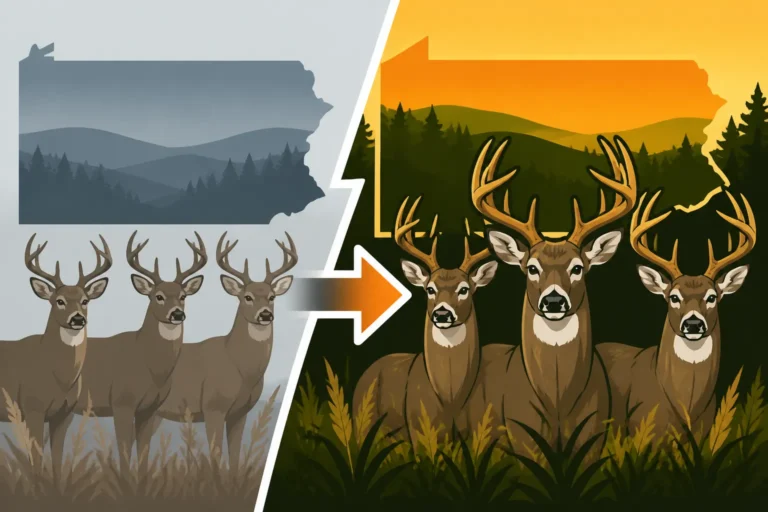
For generations, Pennsylvania deer hunters endured a frustrating tradition: the general firearms season halted on the second Sunday, forcing a break right in the middle of prime hunting. This mandatory pause, often a point of contention for those traveling to deer camp or with limited time off, felt like an unbreakable rule. But times have changed, and that once-unyielding Sunday barrier has finally fallen, creating a continuous rifle season that many of us have long advocated for. This guide will walk you through why this significant change occurred and what it means for your hunting strategies today.
The Long History of Sunday Hunting Bans in Pennsylvania
For what seemed like forever, the idea of hunting on Sunday in Pennsylvania was, for most game species, simply off-limits. It was a deep-seated "blue law" that felt as permanent as the rugged terrain of the Allegheny Mountains themselves, eliciting countless sighs of frustration from hunters who yearned for just one more day in the woods, especially during the much-anticipated rifle season.
Tracing Back the Blue Laws and Their Origins
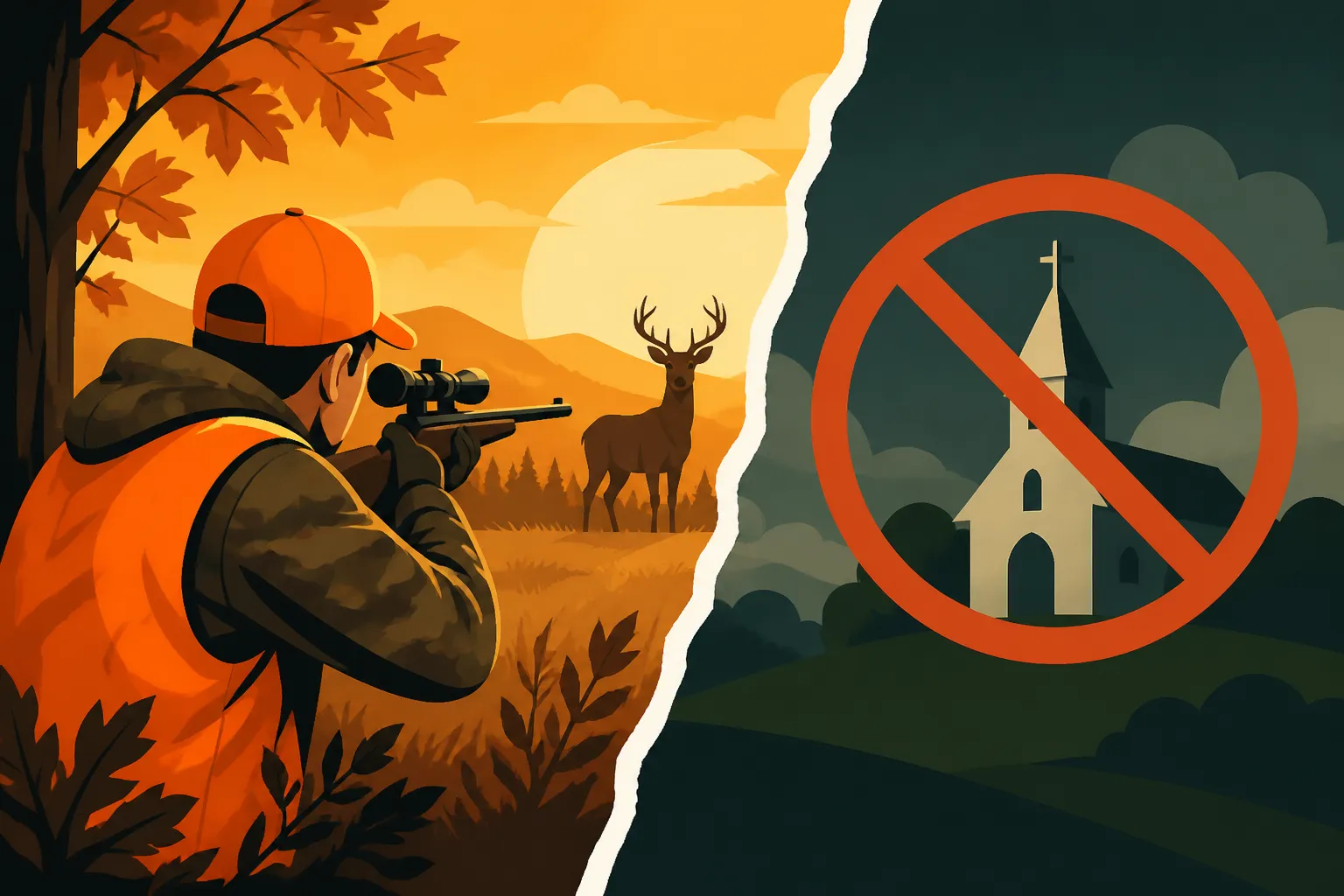
To truly grasp the significance of Sunday hunting restrictions, we need to understand their historical roots. These limitations weren't primarily about wildlife management; they were a direct inheritance of "blue laws" that emerged centuries ago, tied closely to religious observances. Pennsylvania, much like many other states, maintained these archaic laws for an extensive period, designating Sunday as a day of rest and prohibiting specific activities, including most commercial transactions and, notably, hunting. While many of these blue laws gradually faded away, the Sunday hunting ban remained a stubborn vestige, particularly for big game like deer. It became a recurring point of contention for a significant portion of the hunting community, often viewed as an outdated regulation that no longer served modern conservation efforts or recreational needs.
For decades, families meticulously planning their annual deer camp excursions to cherished locations like the Moshannon State Forest or Michaux State Forest understood that Sunday was a day reserved for cabin maintenance, an early departure home, or perhaps some non-intrusive scouting without a firearm. This interruption broke the natural rhythm of the hunt, disrupted established momentum, and frequently meant foregoing prime hunting opportunities, especially for individuals with limited vacation days. The palpable frustration among hunters was widespread, particularly for those confined to a Monday-to-Friday work schedule who treasured every precious hour they could dedicate to being afield.
Persistent Arguments Against Sunday Hunting
It wasn't solely antiquated legislation that sustained Sunday closures. There were, and to some extent still are, legitimate arguments presented by various stakeholders against expanding Sunday hunting opportunities. Farmers and rural landowners, in particular, frequently voiced genuine concerns about potential increases in trespass, heightened noise levels, and possible conflicts with non-hunting recreational pursuits like hiking, biking, or horseback riding, which typically see a surge in popularity on Sundays. The prospect of an increased number of hunters on or near their private property, seven days a week, represented a very real apprehension for many in these communities. Furthermore, some individuals articulated concerns about wildlife needing a designated "day of rest" from hunting pressure, though scientific data concerning deer populations rarely provided substantial support for this as a biological necessity.
These concerns were undeniably valid and warranted careful consideration. The Pennsylvania Game Commission (PGC) and state lawmakers faced the complex task of navigating a delicate balance between deeply entrenched traditions, the legitimate rights of landowners, and the fervent desires of the hunting public. For years, virtually every legislative attempt to introduce Sunday hunting faced substantial opposition, resulting in a protracted stalemate that many hunters believed would never be resolved. The widespread sentiment that "it will never happen" was a common refrain echoed in deer camps across the Commonwealth, making the eventual legislative change even more profound and widely celebrated.
The Legislative Breakthrough and Continuous Season Implementation
After what felt like an endless cycle of impassioned debates, strategic lobbying efforts, and the tireless dedication of hunter-advocacy groups, the long-anticipated tide finally turned. What once appeared to be an insurmountable obstacle suddenly became a tangible reality, fundamentally reshaping the very essence of deer hunting within the Commonwealth.
Act 31 of 2020: A Game Changer for Hunters
The pivotal shift arrived with the successful passage of House Bill 2083, which was subsequently enacted into law as Act 31 of 2020. This landmark legislation didn't merely fine-tune existing rules; it systematically dismantled the long-standing Sunday hunting prohibition for specific, designated seasons. This was a hard-won triumph, largely orchestrated by a powerful coalition of hunting and conservation organizations, including influential groups like the National Rifle Association, coupled with the unified and persistent voices of countless Pennsylvania hunters who had tirelessly advocated for this change over many decades. The core rationale behind the legislative push was straightforward: allowing Sunday hunting would significantly broaden opportunities for working families, serve as a potent incentive to attract new participants to the hunting tradition, and facilitate more effective wildlife management strategies through the potential for increased harvest, particularly concerning deer populations.
Crucially, Act 31 did not universally open all Sundays for hunting. Instead, it meticulously designated three specific Sundays for newly permitted hunting activities: one dedicated to archery deer season, one for firearms deer season, and one for black bear season. For the general firearms deer season, this meant that the traditional interruption following the second Saturday of the season was eliminated. Consequently, the season now operates continuously, granting hunters an uninterrupted weekend to pursue deer without the previous mandatory break. This represented a truly massive paradigm shift, especially for the immensely popular statewide firearms deer season.
How the Firearms Deer Season Now Operates
Prior to the enactment of Act 31, the Pennsylvania firearms deer season typically commenced on a Monday, ran through the subsequent Saturday, observed a mandatory closure on Sunday, and then resumed on Monday for the duration of the second week. That enforced Sunday break was a constant source of frustration, particularly for hunters whose limited availability meant they could only make it to camp for the weekend. They would enjoy Saturday's hunt, then be compelled to remain inactive on Sunday, or, even worse, prematurely pack up their gear and depart.
With the passage of Act 31, the general statewide firearms deer season now seamlessly incorporates that previously closed middle Sunday. This significant modification ensures that if the season traditionally opens on a Saturday (or a Monday, depending on the year's calendar), it now progresses without interruption through Sunday, Monday, and subsequent days. This critical change effectively established an Pennsylvania's Uninterrupted Firearms Season, which now includes a middle Sunday, providing hunters with a much-desired additional day during what is often considered a prime hunting period. This legislative overhaul also brought clarity to associated regulations, such as What Sunday Hunting Changed in Pennsylvania, ensuring hunters are fully informed about the revised rules.
For a clearer understanding, here’s a comparison:
| Season Phase | Pre-Act 31 (Example) | Post-Act 31 (Example) |
|---|---|---|
| Opening Week Start | Monday (or Saturday) | Monday (or Saturday) |
| First Full Weekend | Sat (Open), Sun (Closed) | Sat (Open), Sun (Open) |
| Total Season Duration | ~11 days (with Sunday break) | ~12 days (continuous) |
| Mentored Youth Deer | Limited Sunday hunts | Expanded Sunday hunts |
| Late Archery/Flintlock | No Sunday hunting (still) | No Sunday hunting (still) |
It's absolutely vital to remember that not all Sundays are open for hunting. Migratory bird seasons, for instance, still operate under federal guidelines that, at present, do not permit Sunday hunting. However, for deer, specifically during the general firearms season, that middle Sunday is now a viable hunting day, and this change has been overwhelmingly embraced by a vast majority of the hunting community.
Addressing Concerns and Future Implications
The legislative journey was characterized by extensive dialogue, negotiation, and necessary compromises. To assuage the legitimate concerns of landowners, the new law expressly reinforced the requirement for obtaining written permission to hunt on private land on Sundays. This provision was a critical element in garnering broader support for the legislation and in safeguarding private property rights. The Pennsylvania Game Commission has also diligently undertaken efforts to educate hunters about these updated rules, consistently emphasizing the importance of respectful conduct and strict adherence to all regulations, including the crucial Pennsylvania Hunter Orange Rules, which remain non-negotiable for ensuring safety in the field.
The implementation of the continuous season has been largely heralded as a success by the hunting community, providing enhanced flexibility and expanded opportunities. While initial apprehensions regarding potentially increased hunting pressure or escalated landowner conflicts were certainly voiced, the overall transition has proceeded with remarkable smoothness. This shift reflects a progressive approach to wildlife management and hunter access, acknowledging that the demands on modern hunters' time have considerably evolved. Moreover, this change serves as a potent incentive for prospective new hunters to engage with the sport, secure in the knowledge that more valuable weekend time is now available to them, a factor critical for sustaining conservation funding and the future of hunting in Pennsylvania. For more details on the overall season structure, consult Pennsylvania Firearms Deer Season Structure.
The Impact of the Uninterrupted Rifle Season on Hunter Strategy
With the middle Sunday now officially open for firearms deer hunting, a significant number of hunters have found themselves needing to re-evaluate and adjust their long-standing traditional approaches. This isn't merely about gaining an extra day in the woods; it fundamentally alters the dynamics of hunting pressure, travel logistics, and how one strategically plans their time during the season.
Maximizing the Middle Weekend Opportunity
For a vast majority of hunters, that newly opened middle Sunday is nothing short of a golden opportunity. It translates into a full, uninterrupted two-day weekend of hunting instead of just a Saturday, which represents an enormous benefit for those who embark on journeys to deer camp or operate with strictly limited vacation time. Hunters who, in previous years, were compelled to pack up their gear on Saturday evening now possess the invaluable chance to hunt that extra day, thereby significantly increasing their odds of success and making their entire trip far more worthwhile. Imagine dedicating the time and effort to travel from, say, Pittsburgh to the expansive Tioga State Forest. Having that additional day to capitalize on Hunting the Pennsylvania Rut in November or simply to strengthen bonds with friends and family at camp makes a profound difference in the overall hunting experience.
This newly continuous weekend proves particularly advantageous for hunting parties that prefer to employ cooperative tactics, such as Deer Drives With Three or Four Hunters. Instead of being forced to curtail a drive on Saturday and then endure a mandatory waiting period until Monday, these groups can now execute a comprehensive weekend-long strategy. This allows for the application of more consistent pressure on deer, potentially dislodging them from the dense hiding spots they might have retreated to during the former Sunday break. This also directly impacts those focusing on Hunting the Second Week of Rifle Season, as the momentum and insights gained from the first week can now seamlessly carry through without interruption.
Shifting Deer Pressure and Hunter Dynamics
One of the initial, pressing questions after the rule change was how this added hunting day would ultimately influence deer movement patterns and overall hunter pressure. While it's still relatively early to formulate definitive, long-term conclusions, anecdotal observations suggest several key shifts. Hunters might indeed observe a slightly higher level of hunter activity on that middle Sunday compared to what was previously seen on a typical Monday commencement of the second week. However, it's possible that the overall pressure isn't necessarily drastically increased but rather redistributed differently throughout the season. Deer, being incredibly adaptable and resilient creatures, will invariably continue to seek refuge from perceived pressure, retreating into the thickest cover available or onto adjacent private lands where hunting may be restricted.
This continuity also implies that established deer patterns you might have meticulously observed in the pre-Sunday hunting era could now be subject to change. Deer that previously enjoyed a guaranteed "day of rest" might now exhibit increased caution and wariness. This heightened awareness makes diligent Scouting Pennsylvania Public Land Before Season even more critically important, as a deep understanding of natural escape routes and primary bedding areas becomes paramount to success. Utilizing advanced mapping and planning tools, such as GoHunt, with its robust geospatial capabilities, can prove instrumental in identifying overlooked pockets of public land or specific topographical features where deer are likely to seek sanctuary from sustained hunter traffic, thereby providing you with a distinct strategic advantage when meticulously planning your approach.
Logistical Considerations for Hunters and Camps
For many deeply rooted Pennsylvania deer camps, the traditional Sunday break served as a designated period for essential chores, cherished family gatherings, or the inevitable journey home. Now, with genuine hunting opportunities readily available, these long-standing traditions may naturally evolve. Camps might extend their operational periods, or individual hunters might consciously opt to maximize their invaluable time in the woods rather than dedicating Sunday to camp-related duties. The choice, of course, remains a personal one, but the very existence of the option represents a significant shift.
This newfound continuity also directly influences practical considerations such as game processing. If you are fortunate enough to harvest a deer on Saturday and wish to continue hunting on Sunday, you absolutely need to have a well-thought-out plan for proper field dressing and effective cooling of the meat, especially if ambient temperatures are mild. Proactive planning for acquiring sufficient ice, utilizing appropriate coolers, or making arrangements for a timely visit to a local butcher becomes even more crucial. Always remember to strictly adhere to Pennsylvania Deer Tagging Requirements and promptly report your harvest to the Pennsylvania Game Commission.
Planning Your Modern Pennsylvania Firearms Season Hunt
The updated season structure ushers in fantastic new opportunities, but it inherently demands an adaptive approach to your hunting strategy. Let’s delve into how you can optimally capitalize on this continuous season, paying particular attention to those pivotal middle weekend days.
Leveraging Mapping and Reconnaissance Tools
In the contemporary hunting landscape, truly effective scouting extends far beyond mere physical walks through the woods. Modern tools like GoHunt provide an invaluable suite of resources for comprehensively understanding terrain features, precisely identifying property lines, and predicting potential deer movement patterns. You can meticulously utilize their high-resolution satellite imagery to pinpoint prime bedding areas, discern established travel corridors, and even identify subtle pinch points that deer are likely to exploit to evade hunter pressure, especially when activity intensifies over a continuous weekend. Before you even physically set foot in the wilderness, you can be proactively Reading Aerial Photos for Big Woods Deer to identify the most promising and productive spots.
Consider this crucial scenario: during the continuous rifle season, particularly on that middle Sunday, deer are highly likely to be seeking refuge in dense cover. They will exhibit significantly less open movement compared to opening day. This is precisely where detailed map study becomes an indispensable asset. Search for subtle topographical features such as elevated benches situated above creek bottoms, areas of thick, regenerating growth within Hunting Pennsylvania Clearcuts and Regrowth, or secluded pockets of overlooked territory within extensive tracts of public land, similar to those found in Hunting Pennsylvania's Big Woods for Deer. These are the precise locations where deer will frequently choose to hunker down when the surrounding woods are bustling with hunter activity. GoHunt can be an instrumental aid in marking these potential hideouts and in meticulously planning discreet entry and exit routes that minimize disturbance, thus increasing your chances of success. For more general public land information, consult Using the Pennsylvania Mapping Center.
Adapting Your Hunting Tactics
With the middle Sunday now actively in play, it’s imperative to deeply consider how deer might react to sustained and continuous pressure. Early in the season, during the initial few days, deer might exhibit more pronounced activity. However, by the Saturday and Sunday of that inaugural weekend, they are highly likely to become more cautious and "tighten up." This is the precise moment when unwavering patience and strategically planned movements become paramount. Instead of aimlessly still-hunting, seriously consider positioning yourself at a strategic vantage point overlooking dense cover or a well-known travel corridor, and simply waiting. Deer displaced by other hunters will frequently utilize these established escape routes.
If you find yourself hunting on smaller, more heavily pressured tracts, a profound understanding of Hunting Pressure on Pennsylvania Game Lands is absolutely critical. You might need to adjust your approach from active still-hunting to a more passive form of stand hunting, or vice-versa, depending entirely on how the deer in that specific area are reacting to the pressure. The continuous season also provides significantly more flexibility for changing your hunting location if your initial chosen spot isn't yielding the desired results.
Remaining Vigilant and Responsible
As members of the hunting community, we share the woods with a diverse array of other users, and thus, safety must always remain our paramount concern. The continuous season simply translates to more available time for hunter activity, meaning vigilance is more critical than ever. Always meticulously identify your target and be unequivocally certain of what lies beyond it, especially during the peak intensity of the season. Ensure you are consistently wearing the legally required amount of hunter orange to maximize your visibility.
Beyond immediate safety considerations, responsible hunting also intrinsically includes strict adherence to all regulations, ranging from correct tagging procedures to ensuring ethical shot placement. The extended day offers expanded opportunity, but it simultaneously reinforces the absolute necessity for sound judgment and ethical decision-making. If you are utilizing a specific mapping application like GoHunt, take the time to thoroughly understand all its features for accurately marking downed game, effectively communicating with your hunting partners, and navigating the terrain safely. This collective commitment ensures a successful, enjoyable, and sustainable hunting experience for everyone involved, and it directly contributes to safeguarding the hard-won privilege of Sunday hunting for all future generations.
Disclaimer
Please note that hunting regulations, seasons, and licensing requirements are subject to change. Always consult the official Pennsylvania Game Commission Digest or website for the most current and accurate information before planning any hunting trip. This content is for informational purposes only and does not constitute legal advice.