The Pennsylvania Pheasant Permit
It can be incredibly frustrating to think you've got all your ducks in a row for hunting season, only to realize there's another permit you might need, especially when planning a trip for a specific species like pheasants. Many Pennsylvania hunters, myself included, have stood at the counter or clicked through the online portal, scratching our heads about the Pennsylvania Pheasant Permit. This guide is here to clear up all that confusion, detailing exactly who needs this permit, why it exists, and how to make sure you're properly licensed for a successful pheasant hunt.
Understanding the Pennsylvania Pheasant Permit Requirement
The world of hunting licenses and permits can feel like a labyrinth sometimes, can't it? You get your general license, maybe an archery tag, then suddenly you're faced with an extra fee for specific game. The Pennsylvania Pheasant Permit is one of those additions that often raises questions, especially for those new to upland hunting or just trying out pheasant season for the first time. It’s not just another hoop to jump through; it serves a very specific purpose for game management in the Commonwealth.
Who Needs the Permit and Why It Exists
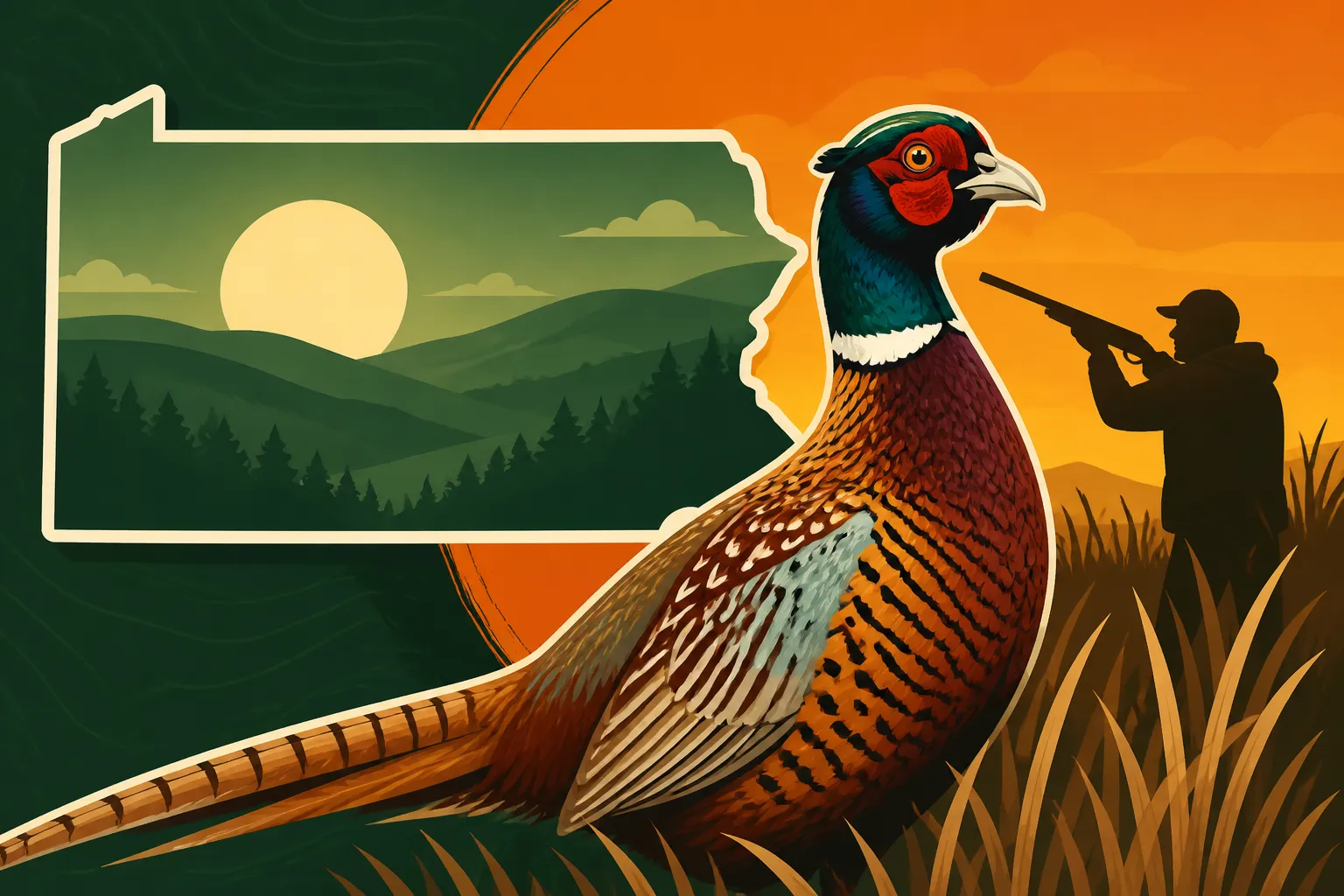
At its core, the Pennsylvania Pheasant Permit is a requirement for anyone aged 12 and older who intends to hunt pheasants in Pennsylvania, with very few exceptions. This isn't about funding general wildlife programs; it's a direct user-pay system designed to support the Pennsylvania Game Commission's extensive pheasant propagation and stocking program. You see, truly wild pheasant populations in Pennsylvania are, sadly, quite sparse these days, largely due to habitat loss and changes in agricultural practices. To ensure there's still a pheasant hunting opportunity for folks who enjoy it, the PGC raises tens of thousands of pheasants each year at its game farms and releases them on public and some private lands across the state.
Think about the sheer scale of that operation: breeding, raising, feeding, and then transporting all those birds to release sites. It’s a massive undertaking, and it’s not cheap. The revenue generated from the sale of these pheasant permits directly offsets a significant portion of those costs. Without it, the program simply wouldn't be sustainable at its current level. So, while it might feel like another cost out of your pocket, it’s actually a direct investment in keeping pheasant hunting alive and well in Pennsylvania. It's a system designed to ensure that when you head out, there are birds to be found. For more general information on licenses, check out our guide on Pennsylvania Hunting Licences and What They Cost.
Exemptions from the Pheasant Permit
Now, as with almost any rule, there are a few exceptions to the pheasant permit requirement. These are important to know, as they can save you an unnecessary purchase or, conversely, prevent you from being in violation.
Firstly, individuals under the age of 12 are exempt. This means that if you're participating in Pennsylvania's Mentored Youth Hunting Program, and you're under 12, you do not need to purchase a pheasant permit to hunt pheasants. This is a fantastic initiative to get youngsters involved in the outdoors without overburdening their parents with additional fees right out of the gate. However, if you are 12 or older, even if you’re still considered a junior hunter, the permit is required.
Another very specific, and quite rare, exemption theoretically applies to hunters pursuing truly wild pheasants. Given the incredibly low numbers of self-sustaining wild pheasant populations in Pennsylvania, this exemption is practically irrelevant for 99.9% of hunters. If you were somehow fortunate enough to find an area with a bona fide wild pheasant population – not just a few stragglers that weren't harvested from a release – and you could prove you were only hunting those wild birds, then you wouldn't technically need the permit. But honestly, for almost all practical purposes, if you’re hunting pheasants in Pennsylvania, you’re hunting stocked pheasants, and the permit is a must-have. Don't risk a fine over a technicality that's almost impossible to meet in the field.
How and When to Purchase Your Pheasant Permit
Once you understand why the permit exists and who needs it, the next logical step is figuring out how and when to get your hands on one. Luckily, the Pennsylvania Game Commission has made the process fairly straightforward, offering a couple of convenient ways to purchase your pheasant permit, alongside your general hunting license.
Online, In-Person, and GoHunt Options
The easiest and most common way to purchase your Pennsylvania Pheasant Permit these days is through the Pennsylvania Game Commission's online Outdoor Shop. This portal allows you to purchase all your necessary licenses and permits from the comfort of your home. You'll simply need your customer ID (from a previous license purchase) or some personal information to get started. Navigate to the "Purchase a License" section, select your resident or nonresident status (if you're a nonresident, make sure you know your Pennsylvania Nonresident Licence Options), add your general hunting license if you haven't already, and then choose the "Pheasant Permit" from the available options. It's a quick and efficient process, and you can print your permit right away or save it digitally to your phone.
For those who prefer a more traditional approach, or perhaps like to chat with a knowledgeable local, permits can also be purchased in person at any authorized issuing agent. These include many sporting goods stores, bait and tackle shops, and county treasurer's offices across the state. A quick call ahead can confirm their hours and availability. Buying in person allows you to get real-time advice and maybe even hear about recent pheasant sightings or good areas to check out.
While not a direct purchasing platform for Pennsylvania licenses, hunting apps like GoHunt can be invaluable tools for planning your pheasant hunts after you've secured your permit. GoHunt, for example, offers detailed mapping features that can help you scout potential public land pheasant release sites. You can identify habitat types, access points, and even gauge hunting pressure in various areas. It complements your physical or digital permit by giving you the strategic advantage in the field. For more information on using digital tools, consider exploring Using the Pennsylvania Mapping Center.
The Cost and Validity of the Permit
Let’s talk brass tacks: what’s it going to cost you? As of recent seasons, the Pennsylvania Pheasant Permit typically costs around $26.97 for residents and nonresidents alike. This fee is subject to change, so always check the official PGC website or at an issuing agent for the most current pricing before you buy. Remember, this fee is in addition to your general Pennsylvania hunting license, which is a prerequisite for all hunting in the state. If you’re getting your first license, be sure to understand all your Pennsylvania Resident Licence Options.
The validity of the permit is tied to the pheasant hunting season itself. Once purchased, your pheasant permit is valid for the entire duration of the established pheasant season in Pennsylvania, from the opening day through its close. You only need to purchase one permit per license year, regardless of how many times you go pheasant hunting or how many birds you harvest within your daily and season limits. This means you don't need to re-purchase if you fill your bag limit on opening day; you're covered for subsequent hunts throughout the season. You'll want to check the specific Pennsylvania Pheasant Season Dates for the current year to ensure you're hunting within the legal timeframe.
Here's a quick summary of the permit requirements:
| Requirement | Details | Cost (approx.) |
|---|---|---|
| Who Needs It | Hunters aged 12 and older targeting pheasants | $26.97 |
| Who is Exempt | Hunters under 12 (Mentored Youth Program), theoretical "wild pheasant only" hunters (extremely rare scenario) | N/A |
| Prerequisite | Valid Pennsylvania General Hunting License | Varies |
| Validity | Entire pheasant season for the current license year | Annual |
| Where to Buy | PGC Outdoor Shop (online), authorized license issuing agents (in-person) | N/A |
Where to Hunt Stocked Pheasants in Pennsylvania
Now that you've got your permit squared away, the next big question is: where do you actually find these stocked pheasants? It's not like they're just wandering around every woodlot. The Pennsylvania Game Commission is very strategic about its release sites to maximize accessibility and fair chase opportunities for hunters.
Identifying Pheasant Release Sites
The PGC maintains a comprehensive list of Pheasant Release Sites, which are primarily located on State Game Lands (SGLs), though some private lands enrolled in cooperative programs may also host releases. These sites are carefully selected to provide suitable habitat – typically a mix of brushy cover, tall grasses, fallow fields, and sometimes hedgerows – that offers pheasants places to hide and allows hunters to work dogs or walk them up effectively.
The best way to stay informed about where and when pheasants are released is to regularly check the Pennsylvania Game Commission's official website. They publish maps detailing these release sites, often categorized by Wildlife Management Unit (WMU). More importantly, they provide a schedule of releases, often indicating specific days when birds will be put out. This information is crucial for planning your hunts, especially for When Pennsylvania Stocks Pheasants. Hunters who can hit these areas shortly after a release often have the best chance of encountering birds.
Remember, these are usually popular spots, especially on opening day and weekends immediately following a release. Knowing the lay of the land, scouting beforehand, or using mapping apps from companies like GoHunt (which often integrate public land boundaries and sometimes even habitat type overlays) can give you an edge in finding less pressured pockets within a larger release area. We delve deeper into Hunting Stocked Pheasant Release Sites in another article.
Tactics for Hunting Stocked Pheasants
Hunting stocked pheasants isn't just about showing up at a release site; it involves some specific tactics to be successful. Firstly, using a good bird dog is a huge advantage. Pointers, setters, and flushers like Labs and Springer Spaniels are all excellent for finding and flushing pheasants from dense cover. A dog's nose can locate birds that a human would surely walk past, making for a much more productive and enjoyable hunt. If you don't have a dog, you'll need to work cover very thoroughly, walking in lines with hunting partners, or "still-hunting" slowly through promising areas, pausing frequently to make pheasants nervous and flush.
Safety is paramount, especially on popular public lands. Always be aware of other hunters, and ensure you're wearing adequate Pennsylvania Hunter Orange Rules. The PGC requires 250 square inches of fluorescent orange material on the head, chest, and back combined during certain seasons, which often applies to small game. This visibility is not just a legal requirement but a critical safety measure when multiple parties are pursuing birds in dense cover.
Understanding pheasant behavior, even stocked ones, is also key. While they might be farm-raised, once released, they quickly revert to natural instincts. They love to run before flying, so pushing ahead of them and cutting them off can be an effective strategy. They’ll often hold tight in heavy cover, so don't be afraid to bust through those briar patches and thickets. If you're wondering How Many Pheasants Pennsylvania Releases, rest assured there are plenty of opportunities, but success often comes down to effort and good strategy.
Common Questions and Misconceptions
The Pennsylvania Pheasant Permit, like many specific regulations, can sometimes lead to misunderstandings among hunters. Let's tackle a couple of the most frequently asked questions and clear up some common misconceptions to ensure you're fully prepared and compliant.
Wild Pheasants vs. Stocked Birds
This is a recurring point of confusion: "Do I need a permit if I'm hunting wild pheasants?" As touched on earlier, the permit is unequivocally for stocked pheasants. The Pennsylvania Game Commission's pheasant program, and thus the permit, is designed to support the artificial propagation and release of birds to create hunting opportunities where natural populations are insufficient.
The reality is that viable, self-sustaining populations of truly wild pheasants are exceedingly rare in Pennsylvania. Habitat loss, predation, and other environmental factors have severely impacted them over decades. While there might be isolated pockets or "Wild Pheasant Recovery Areas" where the PGC is trying to re-establish wild birds, these are typically either closed to hunting or present such limited opportunities that they are not a practical target for most hunters. Don't go into pheasant season banking on finding a wild bird to avoid the permit. Unless you have explicit, confirmed information about a genuinely wild population and you are absolutely certain that's all you're hunting, assume you need the permit. It's better to be safe than sorry and ensure you're contributing to the program that puts birds in the field for everyone. Our main guide on Stocked Pheasants in Pennsylvania goes into more detail.
Combining the Permit with Other Licenses and Regulations
It’s easy to get bogged down in all the permits, but it’s crucial to remember that the pheasant permit doesn’t replace your fundamental hunting requirements. You absolutely must possess a valid Pennsylvania General Hunting License before you can purchase a pheasant permit or hunt pheasants. The pheasant permit is an add-on, not a standalone license.
Beyond the licenses, several other important regulations apply to pheasant hunting.
- Hunter Orange: As mentioned, mandatory fluorescent orange requirements are in effect during small game seasons in Pennsylvania. Make sure you meet the 250 square inch minimum, visible from 360 degrees. This keeps everyone safe in often crowded hunting areas.
- Legal Shooting Hours: Like all game in Pennsylvania, pheasants can only be hunted during specific legal shooting hours. These typically run from one-half hour before sunrise to sunset. Always consult the current year's digest for exact times.
- Daily Bag Limits: There are strict daily bag limits for pheasants, usually two males per day. Exceeding this limit is a serious violation. Ensure you know the current limits before heading afield.
- Ammunition: For shotguns, which are the primary firearm used for pheasants, lead shot is generally permissible in most areas, but always verify any specific restrictions, especially in certain wildlife management areas or federal lands where non-toxic shot might be required. When considering your gear, think about your 12 Gauge Versus 20 for Stocked Pheasants.
- Tagging and Reporting: While pheasants don't require the same tagging and reporting procedures as deer or bear, it's always wise to be aware of any harvest reporting requirements for small game, though they are less common for pheasants than for big game.
By understanding these additional layers of regulation and ensuring all your paperwork is in order, you can enjoy a hassle-free and productive pheasant season in the beautiful fields and covers of Pennsylvania. Don't forget to check out our broader guide on Pennsylvania Small Game and Furbearer Seasons for information on other species.
Disclaimer
Please remember that hunting regulations, license costs, and season dates can change. Always consult the official Pennsylvania Game Commission website or the latest Pennsylvania Hunting & Trapping Digest for the most accurate and up-to-date information before planning any hunting activity. This content is for informational purposes only and should not be considered legal advice.