How Many Pennsylvania Bucks Reach Age Three
It's a question every Pennsylvania deer hunter has probably asked themselves while staring at a young basket-rack buck, or watching a parade of spikes and forks walk past their stand: how many of these deer actually make it to be mature? We all dream of a truly old, heavy-antlered monarch, but the reality of hunting pressure and natural attrition often leaves us wondering if those older bucks even exist in our hunting grounds. This guide aims to shed some light on the age structure of Pennsylvania's buck herd, specifically focusing on the proportion of bucks that reach the coveted age of three years or older, and what that means for your hunting experience.
Understanding Pennsylvania's Buck Age Structure
For decades, Pennsylvania was known for its "if it's brown, it's down" mentality, especially when it came to bucks. Harvest figures often reflected a herd dominated by yearling bucks, those just 1.5 years old. While this provided plenty of hunting opportunities, it left many hunters feeling like they rarely saw — let alone harvested — a truly mature whitetail. The goal of deer management in Pennsylvania has shifted significantly over the years, with a strong emphasis on fostering an older age structure in the buck population.
Why Age Matters to Hunters
The allure of a mature buck isn't just about antler size, though that's certainly a big part of it. Older bucks are warier, more experienced, and often present a far greater challenge to hunters. They’ve survived multiple hunting seasons, learned to avoid pressure, and developed intricate movement patterns. For many, the satisfaction comes from outsmarting an animal that has proven itself adept at survival. Beyond the thrill of the chase, older bucks also contribute to a healthier, more balanced deer herd. They participate in the rut differently, pass on stronger genetics, and generally create a more vibrant ecosystem. Seeing an increase in older bucks signifies a successful management strategy and a more rewarding hunting landscape.
The Impact of Antler Restrictions
The most significant change in Pennsylvania deer management, directly aimed at increasing the number of older bucks, was the implementation of antler restrictions. Beginning in the early 2000s, these regulations dictated that a buck had to have a certain number of points on one antler, or an antler of a minimum length, to be considered legal. These rules varied by Wildlife Management Unit (WMU), with some areas requiring "three up" on one side, meaning three points not including the brow tine, while others had less stringent rules.
The core idea behind antler restrictions was simple: protect yearling bucks with smaller antlers, allowing them to survive another year or two and mature. By letting these young bucks walk, the hope was that they would contribute to a healthier population of 2.5-year-old and older bucks. This strategy was a considerable shift from previous years and, understandably, met with both enthusiasm and skepticism from the hunting community. However, over time, the data has shown a clear impact on the age structure of the buck herd. You can dive deeper into What Antler Restrictions Did to Buck Ages to understand the full scope of these changes.
The Numbers: How Many Bucks Reach Age Three in PA?
So, after all these efforts, what's the verdict? How many Pennsylvania bucks are actually making it to three years old and beyond? The good news is, quite a significant portion.
Pennsylvania's Success in Aging Bucks
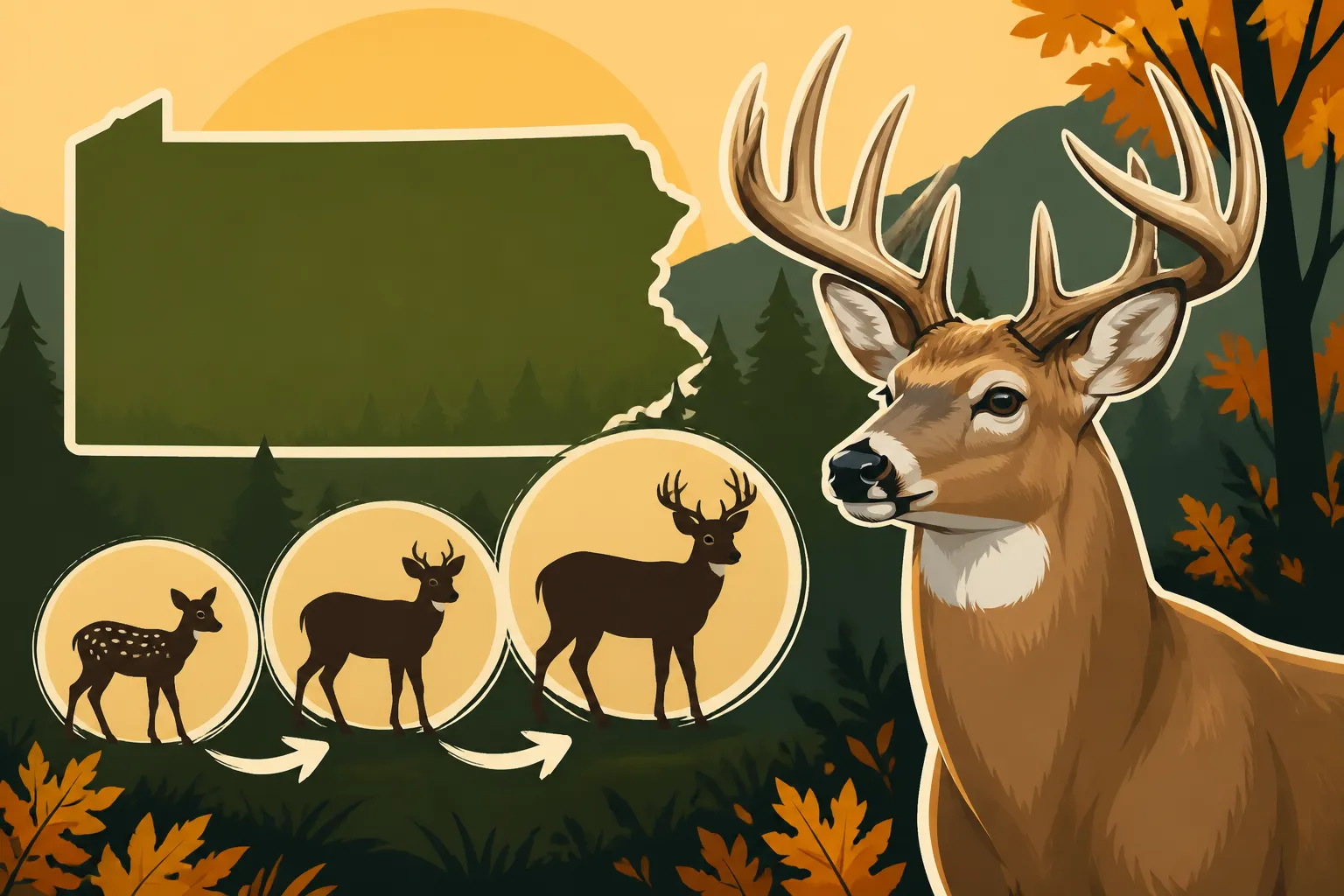
Thanks to consistent management efforts and hunter cooperation with antler restrictions, Pennsylvania has seen a remarkable increase in the proportion of bucks reaching older age classes. In the pre-antler restriction days, yearling bucks (1.5 years old) often comprised 70-80% of the annual buck harvest. This meant very few bucks lived long enough to reach their physical prime.
Today, those numbers have flipped dramatically. While the exact figures can fluctuate annually and vary by WMU, it's common to see yearling bucks making up a much smaller percentage of the harvest, often in the 30-40% range. Conversely, 2.5-year-old bucks now represent a significant portion of the harvest, often exceeding 40-50%. This means that a substantial percentage of bucks are now surviving their first year of hunting pressure and are reaching at least two-and-a-half years old. And crucially, a notable percentage of those 2.5-year-olds are making it to 3.5 years old and even older. While specific annual percentages are always subject to change, the overall trend points to a much healthier and older buck age structure than Pennsylvania has seen in decades. This shift provides hunters with more opportunities to pursue mature deer and contributes to a more robust and resilient deer population across the state. Understanding Buck Age Structure Since Antler Restrictions can give you even more context on this success.
Factors Influencing Buck Survival to Age Three
While antler restrictions have been a major catalyst, several other factors play a crucial role in determining how many bucks ultimately reach that three-year mark. It's a complex interplay of habitat, pressure, and deer health.
- Hunting Pressure: This is, arguably, the biggest variable. In heavily hunted areas, especially public land with easy access, bucks are simply harvested at a younger age. Hunters, especially those eager to fill their tag, might take the first legal buck they see, regardless of age. Conversely, properties with limited access, private land managed for quality, or remote big woods areas often produce a higher proportion of older bucks. Hunters who scout thoroughly and use tools like GoHunt to understand pressure areas might find those overlooked pockets.
- Habitat Quality and Food Availability: Bucks need good cover to hide and ample food sources to grow. Areas with diverse habitat – dense thickets for bedding, mature timber for acorns, agricultural fields for browse – provide the necessary resources for bucks to thrive and avoid detection. A buck that consistently finds good food and secure bedding has a better chance of surviving. You can learn more about Late-Season Food Sources for Whitetails and how they influence deer movement and survival.
- Predation: While not the primary driver of buck mortality compared to hunting, predators like coyotes and bears can impact fawn survival, which indirectly affects the future buck population. However, healthy adult bucks are generally less susceptible to predation.
- Disease: Chronic Wasting Disease (CWD) is an ever-present concern in Pennsylvania. In areas with high CWD prevalence, the disease can reduce deer populations and affect the age structure, as infected deer are more vulnerable. Hunters in Pennsylvania CWD Disease Management Areas need to be especially vigilant.
- Weather and Accidents: Harsh winters, especially with deep snow, can take a toll on deer, particularly fawns and older animals. Additionally, vehicle collisions are a significant source of deer mortality across the state.
Implications for Hunters and Management
Knowing that a good percentage of bucks are now reaching maturity changes how we approach hunting in Pennsylvania. It offers new opportunities and reinforces the value of certain hunting philosophies.
Hunting Strategies for Older Bucks
If you're looking to tag a three-year-old or older buck, your strategy needs to adapt. Simply walking into the woods on opening day and hoping for the best might still yield a buck, but probably a younger one. To increase your odds for a mature deer, consider these approaches:
- Intense Scouting: Older bucks are incredibly patternable until hunting pressure hits. Learn their travel corridors, bedding areas, and preferred food sources before the season. Utilizing mapping tools, perhaps even those found on platforms like GoHunt, can help you identify these pockets, especially on public land. Look for rub lines, old scrapes, and distinct trails. Pay close attention to Wind and Thermals on a Ridge to understand how deer use topography.
- Patience and Persistence: These bucks don't just walk into the open carelessly. They move during low light, often checking the wind and listening for danger. You might need to sit longer, in less obvious spots, and be prepared to pass on younger deer to achieve your goal. This is particularly true when Hunting the Peak Rut Week in Pennsylvania, as even mature bucks become more active but remain cautious.
- Hunt Overlooked Areas: The biggest, oldest bucks often reside in places most hunters avoid – steep hillsides, dense swamps, or thick clearcuts. These "sanctuaries" offer safety. Learning to hunt Hunting Pennsylvania Clearcuts and Regrowth or Hunting Pennsylvania's Big Woods for Deer can be key.
- Understand Deer Movement in Relation to Pressure: As the season progresses, older bucks become even more nocturnal and seek refuge. Anticipating how pressure affects their movement is crucial. Sometimes, finding those hard-to-reach spots that other hunters pass by, or hunting during less popular times, like mid-week, can pay off.
The Role of WMUs and Local Variation
It's important to remember that Pennsylvania is a vast and varied state. The buck age structure isn't uniform across all its Wildlife Management Units (WMUs). Farm country in southern Pennsylvania, with its rich food sources and fragmented cover, might produce different results than the sprawling big woods of the north-central region. Some WMUs, particularly those with strong antler restrictions and less intense pressure, might naturally harbor a higher proportion of older bucks. Conversely, some high-pressure areas might struggle to retain as many bucks to the three-year mark, even with the regulations. This is why paying attention to specific WMU regulations and harvest data, often available through resources like GoHunt, can be incredibly beneficial. Knowing your specific WMU and its unique challenges is vital for successful hunting.
Here's a quick look at factors that influence a buck's chance of reaching age three:
| Factor | Impact on Buck Reaching Age 3+ | Hunter's Influence |
|---|---|---|
| Antler Restrictions | Directly increases survival of younger bucks, allowing them to age. | Follow regulations, practice patience, pass on younger legal bucks. |
| Hunting Pressure | High pressure reduces survival; low pressure increases it. | Hunt remote areas, private land with permission, or during less popular times. |
| Habitat Quality | Good cover and consistent food sources improve survival and health. | Scout for diverse habitats, understand food sources. |
| Food Availability | Abundant nutrition leads to healthier, stronger deer, better able to withstand challenges. | Focus scouting on areas with prime food sources like acorns or agricultural fields. |
| Predation | Can impact fawn survival, indirectly affecting future buck numbers; less impact on adults. | Minimal direct influence on individual buck survival to age three. |
| Disease (CWD) | Can reduce deer populations and age structure in affected areas. | Be aware of Pennsylvania CWD Disease Management Areas, follow carcass regulations, get deer tested if required. |
| Severe Weather | Harsh winters can increase mortality, especially for young or old deer. | Minimal influence. |
The journey of a Pennsylvania buck to reach three years old is a testament to both nature's resilience and dedicated wildlife management. As hunters, we play a critical role in supporting these efforts by understanding and respecting the regulations, practicing ethical hunting, and continually educating ourselves on deer biology and behavior. The increased presence of older bucks is a win for both the deer and the hunters who pursue them.
Disclaimer
This article is for general informational purposes only and does not constitute professional advice. Laws, prices and regulations vary by location and change over time. Consult a qualified professional for guidance on your specific situation.