How Elk Were Restored to Pennsylvania
It’s truly a marvel to think of elk roaming the Pennsylvanian landscape today, their powerful bugles echoing through the fall woods. But for a long stretch of our history, that sound was utterly silent. Many folks don't realize that Pennsylvania's elk herd didn't just magically appear; it's a testament to dedicated conservation efforts, a story of near-extinction, and ultimately, a spectacular comeback. This guide will walk you through the incredible journey of how these magnificent creatures were brought back from the brink to once again thrive in the wilds of Pennsylvania.
The Vanishing Giants: Elk in Pennsylvania's Past
Before European settlement, elk, also known as wapiti, were a significant part of Pennsylvania's diverse wildlife. They roamed freely across vast tracts of wilderness, from the dense northern forests to the rolling hills further south. Their sheer size and majestic antlers made them an iconic presence, and they played a crucial role in the ecosystem. However, with the arrival of settlers and the subsequent expansion of agriculture and industry, their fortunes took a drastic turn.
Early Abundance and Decline
In the early days of Pennsylvania, elk were plentiful. Historical accounts describe vast herds, and they were a significant food source for Native American tribes and early pioneers. But as the population grew and settlements spread, the elk faced relentless pressure. Unregulated hunting, driven by the need for meat, hides, and antlers, took a heavy toll. There were no seasons, no bag limits, and no real concept of wildlife management in those early years. Every elk was fair game, year-round, for sustenance and profit.
Simultaneously, the landscape itself was undergoing a dramatic transformation. The clearing of forests for farming, the burgeoning timber industry, and later, the demand for charcoal to fuel the iron furnaces, led to widespread habitat destruction. Elk, being creatures of large, contiguous forest blocks, found their traditional ranges shrinking rapidly. They were pushed into smaller, more fragmented pockets of wilderness, making them even more vulnerable to hunting pressure. It was a perfect storm of unsustainable practices that quickly began to decimate their numbers. The sheer scale of forest clearing in Pennsylvania during the 18th and 19th centuries is hard to fathom today, and it fundamentally altered the wild places these animals called home.
The Last Stand
By the mid-1800s, the writing was on the wall. Elk populations across the state had plummeted to critically low levels. What had once been a common sight became a rare glimpse, and then, tragically, no sight at all. The last wild elk in Pennsylvania is generally believed to have been killed in 1867, near the present-day community of Ridgway, in Elk County ironically enough. After centuries of thriving, these grand animals were officially extirpated from the state. Their absence left a void in the wilderness, a quiet reminder of what had been lost.
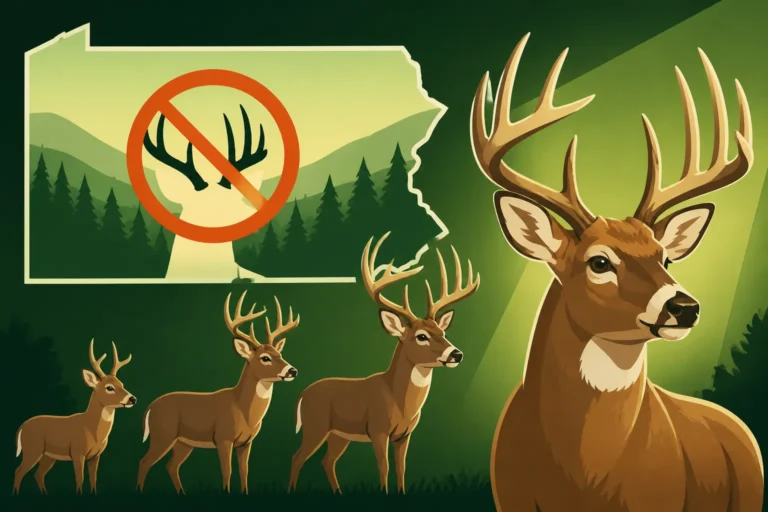
This wasn't an isolated incident; similar stories played out across much of the eastern United States. The pattern of exploitation followed by local extinction was a harsh lesson in the consequences of unchecked resource use. For decades, the bugle of an elk would be heard only in history books, a haunting echo of Pennsylvania's wild past. It would take a profound shift in conservation philosophy and a monumental effort to even consider bringing them back. Understanding this complete loss is crucial to appreciating the subsequent struggle and eventual triumph of the restoration efforts. White-Tailed Deer Across Pennsylvania faced similar pressures, though they proved more resilient.
A Vision for Restoration: Bringing Elk Back
The idea of bringing elk back to Pennsylvania wasn't an immediate one. It emerged as conservation ethics began to take root in the early 20th century. Visionaries recognized the ecological and cultural significance of having these animals return to their native range. This wasn't just about restoring a species; it was about restoring a piece of Pennsylvania's natural heritage.
The Initial Reintroductions
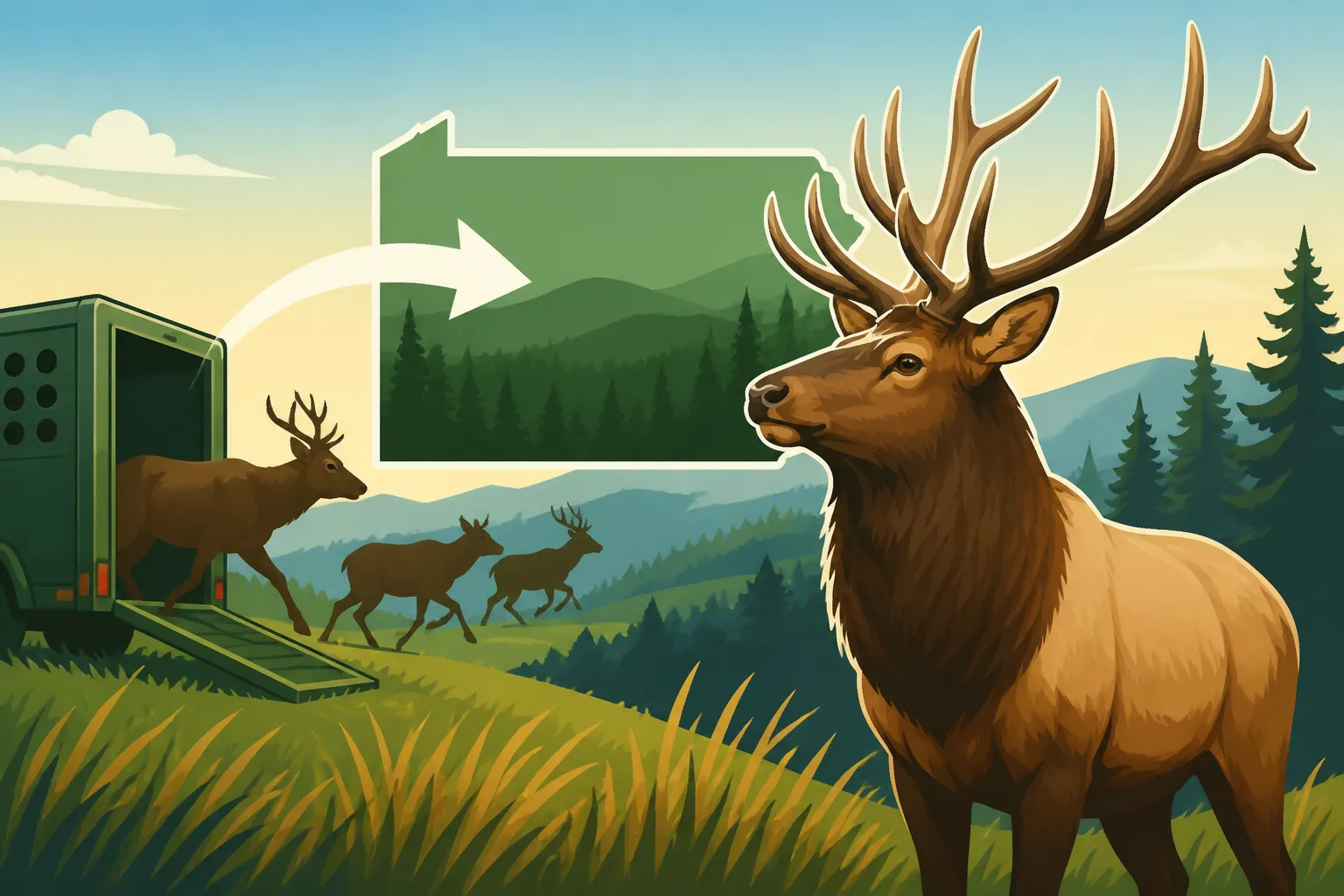
The Pennsylvania Game Commission, established in 1895, played a pivotal role in this ambitious undertaking. After years of advocacy and planning, the first reintroductions began in 1913. Small numbers of elk were sourced from other states, primarily Yellowstone National Park, which harbored one of the last remaining healthy herds in the country. These animals were carefully transported and released into suitable habitat in north-central Pennsylvania, primarily in what would become Elk and Cameron counties. This was a challenging logistical feat for the time, considering the distances and the need to handle large, wild animals.
These early releases were not without their difficulties. The elk were wild animals placed into a landscape that had changed dramatically since their ancestors roamed it. There were concerns about their ability to adapt, the availability of sufficient food and cover, and potential conflicts with agricultural interests. Some releases struggled, with animals dispersing widely or succumbing to various pressures. However, enough of these initial efforts took hold to establish a small, founding population. It was a slow and painstaking process, but the groundwork for the future herd was laid. The goal was to establish a breeding population that could sustain itself without further human intervention.
Early Challenges and Setbacks
The journey of elk restoration was far from a smooth ride. The small, newly established herds faced a litany of challenges that threatened to derail the entire project. One major hurdle was human-elk conflict. As the elk population grew, albeit slowly, they sometimes ventured into agricultural fields, causing crop damage. Farmers, who had grown up without elk on the landscape, were understandably frustrated, and managing these conflicts became a delicate balancing act for the Game Commission.
Disease was another ever-present concern for a recovering population with limited genetic diversity. Furthermore, poaching, while not as rampant as in the 19th century, still posed a threat. Some individuals saw the burgeoning herd as an opportunity for illegal gain, undermining the painstaking efforts of conservationists. The Game Commission had to dedicate significant resources to law enforcement and public education to protect these vulnerable animals. The early restoration period was a constant battle, requiring vigilance, adaptability, and unwavering commitment from those who believed in the elk's return. It proved that simply releasing animals wasn't enough; sustained management was absolutely critical. Hunting Pennsylvania's Big Woods for Deer often involves understanding habitat diversity, a lesson applied to elk.
Building a Future: Modern Management and Success
Fast forward to today, and Pennsylvania's elk herd is a resounding success story. From a handful of reintroduced animals, the population has grown to over 1,400 strong, occupying a core range of about 800 square miles in the north-central part of the state, centered around Elk and Cameron counties. This remarkable achievement is the result of decades of strategic management, habitat work, and a careful balance of conservation and regulated hunting.
Habitat Improvement and Land Acquisition
A cornerstone of modern elk management has been proactive habitat improvement. The Game Commission and the Department of Conservation and Natural Resources (DCNR), alongside private conservation organizations like the Rocky Mountain Elk Foundation (RMEF), have invested heavily in creating and maintaining ideal elk habitat. This includes timber management to create a mosaic of clearcuts, regenerating forests, and mature stands, providing both forage and cover. Food plots, planted with clover, corn, and other browse, are strategically placed to supplement natural food sources, particularly during lean winter months. This comprehensive approach ensures the elk have access to the diverse resources they need to thrive.
Furthermore, acquiring and preserving critical elk habitat has been paramount. Organizations work to purchase private lands, secure conservation easements, and manage public lands specifically for the benefit of elk. This effort connects fragmented parcels, expands the core range, and reduces human-elk conflicts by providing ample space for the herd away from agricultural areas. The commitment to land stewardship ensures that as the elk population grows, they have a secure and expanding home. Hunters who seek Hunting Pennsylvania Bear in the Big Woods also benefit from these large, contiguous blocks of healthy forest. For anyone looking to understand the lay of the land, whether for hunting or just viewing, digital mapping tools and resources like GoHunt can be incredibly helpful for exploring the vast timberlands and public access points that are vital to the elk range.
Managing the Herd Through Hunting and Conservation
Perhaps one of the most significant aspects of the modern elk program is the implementation of a tightly controlled hunting season. While it might seem counterintuitive to hunt a once-endangered species, regulated hunting is actually a crucial management tool. It helps to control population size, ensuring the herd remains healthy and within the carrying capacity of its habitat. It also helps manage herd distribution, reducing agricultural conflicts and promoting a healthy age structure within the bull population. The demand for an Pennsylvania Elk Licence Application is incredibly high, making it a true once-in-a-lifetime draw for most hunters.
Pennsylvania Elk Hunt Zones & Allocation Overview
| Hunt Zone Type | Primary Purpose | Number of Tags (approx.) | Success Rate (historically) |
|---|---|---|---|
| General Public Hunt | Population control, trophy potential | Limited | High |
| Archery Elk Hunt | Special opportunity, extended season | Very Limited | Moderate to High |
| Youth Elk Hunt | Mentored hunting experience | Extremely Limited | Very High |
| DMAP Elk (Specific) | Targeted harvest for specific land management units | Varies by DMAP | High |
Note: Specific tag numbers and success rates fluctuate annually. Consult the Pennsylvania Game Commission for current figures.
The hunting season is extremely limited, with a very small number of tags allocated each year through a lottery system. This ensures that the harvest is sustainable and provides an incredible opportunity for the lucky few drawn to participate in this unique hunt. Funds generated from elk license sales directly support elk research, habitat improvements, and ongoing management efforts, creating a self-sustaining conservation model. Many hunters dreaming of this opportunity utilize platforms like GoHunt to research Pennsylvania Elk Draw Odds and keep tabs on the overall health and distribution of the herd.
Community Involvement and Economic Impact
The elk restoration project has also become a powerful engine for local economies in the Pennsylvania Wilds. Elk viewing has become a major draw, with thousands of tourists flocking to areas like Benezette, Pennsylvania, particularly during the fall rut to witness the spectacular bugling bulls. This tourism generates significant revenue for local businesses, from lodging and restaurants to gift shops and guide services. It has transformed communities, giving them a unique identity centered around this magnificent animal.
Beyond tourism, the hunting season itself brings in hunters from across the state and beyond, contributing to local economies through equipment purchases, accommodation, and food. The pride that locals take in "their" elk herd is palpable, leading to strong community support for conservation initiatives. Organizations like the Keystone Elk Country Alliance (KECA) play a vital role in public education, maintaining viewing areas, and facilitating partnerships between various stakeholders. The story of the elk's return is not just a biological success; it's a social and economic triumph, demonstrating how wildlife conservation can benefit both nature and people. When considering travel, resources on Elk Viewing in Pennsylvania are always popular. Hunters preparing for a potential tag often consult platforms like GoHunt for information on Pennsylvania Elk Hunt Zones or general scouting strategies to maximize their once-in-a-lifetime experience.
From the quiet emptiness of the late 19th century to the resounding bugle of today, Pennsylvania's elk herd stands as a testament to what dedicated conservation, strategic management, and passionate community support can achieve. It's a living legacy, reminding us that with effort and vision, even what seems irrevocably lost can be restored.
Disclaimer
This article is for general informational purposes only and does not constitute professional advice. Laws, prices and regulations vary by location and change over time. Consult a qualified professional for guidance on your specific situation.