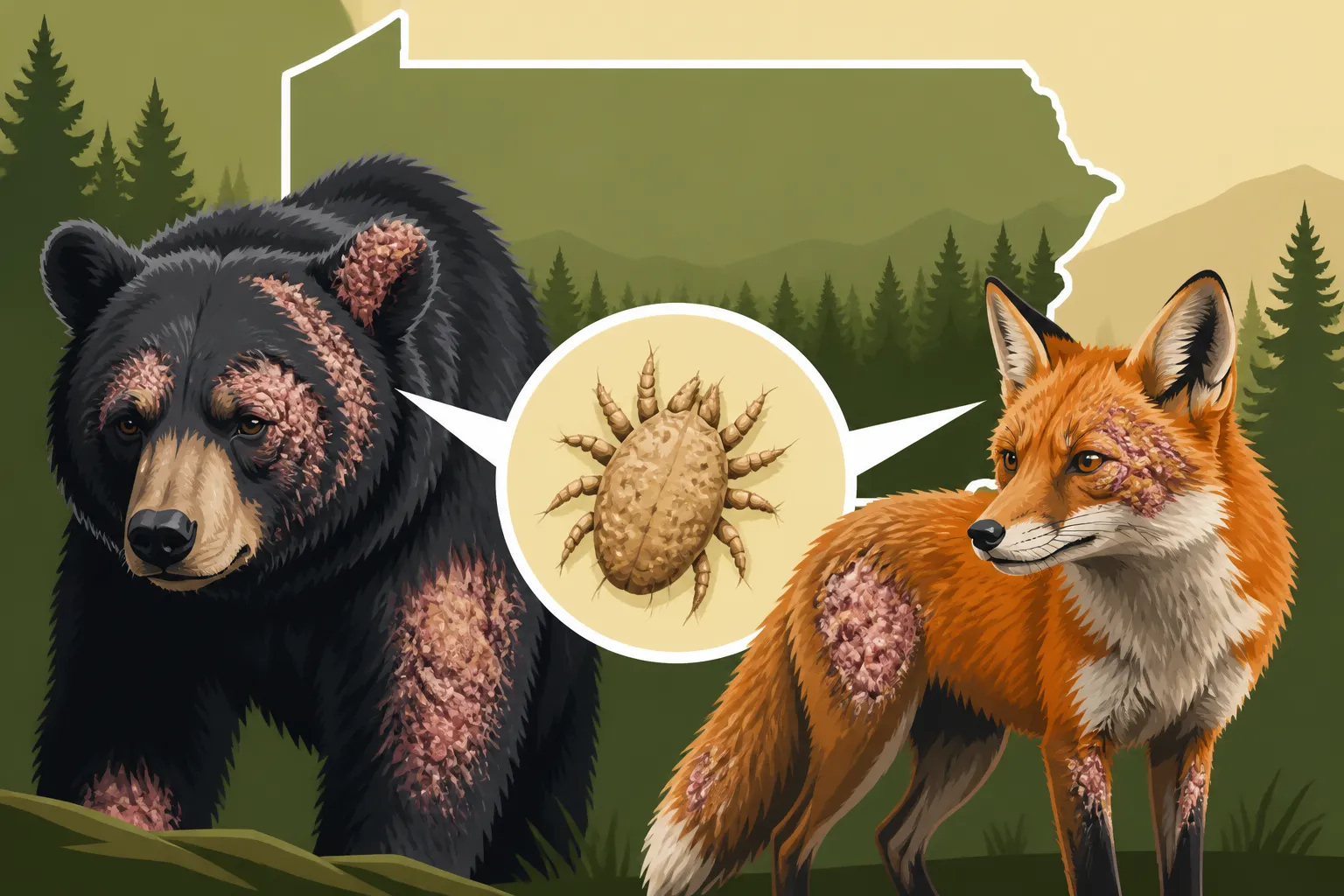
Mange in Pennsylvania Bears and Foxes
It's incredibly disheartening, as a hunter or even just a nature lover, to stumble upon an animal suffering from mange. This isn't just a mild skin rash; it’s a debilitating, often fatal condition that makes life miserable for the infected creature. In Pennsylvania, we've seen mange impact our black bear and fox populations significantly, and understanding this disease is crucial for both wildlife management and responsible outdoor stewardship. This guide aims to shed light on what mange is, how it affects these iconic Pennsylvania species, and what you, as a concerned individual or hunter, can do to help.
Understanding Mange: A Persistent Problem for Wildlife
Mange isn't a single disease but rather a severe skin condition caused by parasitic mites that burrow into the skin. These tiny invaders cause intense itching, irritation, and eventually, hair loss, leaving the affected animal vulnerable to the elements and other health issues. While different types of mites can cause mange, sarcoptic mange, caused by the Sarcoptes scabiei mite, is the most common and devastating form seen in Pennsylvania wildlife, particularly our foxes and black bears.
Imagine trying to survive a brutal Pennsylvania winter without your insulating fur coat. That's the grim reality for an animal suffering from advanced mange. The continuous scratching leads to open wounds, secondary bacterial infections, and a constant drain on the animal's energy reserves. This can lead to emaciation, weakness, and ultimately, death, especially in colder months. It's a truly terrible way for an animal to suffer, and it's a visible indicator of a serious wildlife health concern that often leaves us feeling helpless.
The Lifecycle of Sarcoptic Mange Mites
The sarcoptic mange mite is a microscopic arachnid, not visible to the naked eye, that completes its entire life cycle on the host animal. A female mite burrows into the skin and lays eggs, which hatch into larvae. These larvae then develop into nymphs and finally into adult mites, all while tunneling through the skin, feeding, and reproducing. This constant activity beneath the surface is what causes the intense itching and irritation.
Transmission typically occurs through direct contact between an infected animal and a healthy one. This can happen during mating, fighting, or even by sharing dens, bedding areas, or common travel corridors. Environmental transmission is also possible, as mites can survive off a host for a period, though usually not for an extended time. This means that areas with high densities of animals, or those where animals frequently congregate, can become hotbeds for transmission. It's a silent, persistent threat that can spread through a local population with alarming speed once it takes hold.
Recognising the Signs of Mange in Animals
Spotting mange in wildlife isn't always easy in its early stages, but as it progresses, the signs become unmistakable. The most obvious symptom is hair loss, often starting around the muzzle, eyes, and ears, then spreading to the shoulders, flanks, and hindquarters. The skin beneath the lost fur will appear thickened, crusted, and often dark or greyish, sometimes with visible scabs and sores from constant scratching.
Affected animals often appear underweight, lethargic, and disoriented. They might spend an excessive amount of time scratching, biting, or rubbing themselves against objects to relieve the unbearable itch. Their movements might be slow and uncoordinated, making them easier targets for predators or prone to accidents. As a hunter or hiker, if you see an animal exhibiting these symptoms, it's a clear indication that something is very wrong. It's important to keep your distance and observe without disturbing the animal further, then report your findings.
Mange in Pennsylvania Black Bears
For years, mange wasn't really on the radar as a major threat to Pennsylvania's robust black bear population. We'd occasionally hear about a mangy fox or coyote, but bears seemed relatively immune. That changed drastically in the mid-2010s, and suddenly, reports of bears with severe hair loss started flooding in from across the state. It was a concerning development, and something the Pennsylvania Game Commission quickly took seriously.
The initial outbreaks were alarming, particularly in certain regions of the state. It was a new challenge for our wildlife biologists and a distressing sight for anyone who cherishes our black bears. The disease spread through local populations, impacting bear health and, in some cases, survival rates, especially for cubs or smaller bears that couldn't cope with the energy demands of fighting the infection. Pennsylvania's Black Bear Population has generally been thriving, but mange introduced a significant stressor.
The Impact of Mange on Bear Health
When a black bear contracts sarcoptic mange, the physical toll is immense. They suffer from severe itching, leading to extensive hair loss, especially on their legs, belly, and flanks. The skin becomes thick, dry, and cracked, often developing secondary bacterial infections. These infections, coupled with the constant irritation, drain the bear's energy. They lose their insulating fur, making them highly susceptible to hypothermia during our cold Pennsylvania winters.
Affected bears often become emaciated because they expend so much energy scratching and fighting infection that they can't forage effectively. Their immune systems are compromised, making them vulnerable to other diseases and parasites. If you've ever seen a mangy bear, it's a truly heartbreaking sight – a shadow of the majestic animal it should be. The sheer effort of merely existing becomes an overwhelming challenge, and many succumb to the elements or starvation.
Geographic Spread and Management Efforts
Mange in bears was first extensively documented in areas like southeastern Pennsylvania, then it seemed to spread. The Game Commission has been actively monitoring the situation, collecting samples, and even attempting treatment in some cases. They've identified particular hot zones where the prevalence is higher. While it hasn't decimated the entire Where Pennsylvania Black Bears Live population, it remains a serious localized threat that requires ongoing vigilance.
The challenge with managing mange in a large, wild population like black bears is immense. Treatment options, such as medicated baits, exist but are difficult to administer effectively and ethically on a broad scale without impacting other wildlife. Therefore, a significant focus is on public reporting and understanding the disease's spread. If you're out Pennsylvania Black Bear Hunting or just enjoying the woods, your observations are vital for wildlife officials to track and understand these outbreaks.
Mange in Pennsylvania Foxes
Long before bears started showing severe mange, foxes in Pennsylvania, particularly red foxes, were known to be highly susceptible to sarcoptic mange. It's a disease that seems to regularly cycle through fox populations, sometimes causing significant localized declines. A healthy red fox is a beautiful, cunning creature, but a mangy one is a pitiful sight, its once bushy tail reduced to a thin, rat-like appendage, its coat patchy and crusted.
While we might take foxes for granted sometimes, they are an important part of our ecosystem, and seeing them suffer is never easy. Mange seems to hit them particularly hard and fast. Unlike bears, which are larger and can potentially fight off the infection more successfully in early stages, foxes often decline rapidly once the mites take hold. This makes timely identification and reporting even more crucial for these smaller furbearers.
Why Foxes Are So Vulnerable
Foxes are incredibly susceptible to sarcoptic mange, often with devastating results. Their social structure, which involves shared dens and territories, facilitates easy transmission of mites between individuals. Additionally, a fox's natural hunting and scavenging behaviors can bring them into contact with infected carcasses or bedding areas, further aiding spread. Once a fox kit gets mange from its mother or siblings, the disease can quickly spread throughout the litter, and often, the entire family group.
The intense itching and discomfort mean that mangy foxes spend less time hunting and more time scratching. This leads to severe emaciation and dehydration. Their thin skin, combined with hair loss, offers little protection from the cold, making them highly vulnerable to exposure. We often see foxes, driven by desperation and compromised immune systems, becoming less wary of humans, sometimes appearing in residential areas during the day, which is a clear sign of distress.
Identifying Mange Versus Other Conditions
It can sometimes be tricky to differentiate mange from other conditions like rabies, especially when a fox exhibits unusual behavior. Both can cause an animal to appear disoriented or less afraid of humans. However, mange primarily manifests as severe hair loss and skin crusting, whereas rabies typically presents with neurological symptoms first, like paralysis, aggression, or excessive salivation, before physical deterioration. A fox with advanced mange will often look like a walking skeleton with patches of dark, crusty skin.
When you're out and about, perhaps scouting for Pennsylvania Small Game and Furbearer Seasons or just observing wildlife, pay close attention to the overall condition of any fox you see. A healthy fox has a thick, vibrant coat and is typically wary of human presence. A mangy fox, by contrast, will look sickly, with significant hair loss, particularly on the tail, hindquarters, and face. It might also move slowly or appear confused, an indication that its suffering is severe.
What Hunters Can Do: Reporting and Prevention
As hunters and outdoor enthusiasts, we spend a lot of time in the woods, observing wildlife up close. This puts us in a unique position to be the eyes and ears for the Pennsylvania Game Commission when it comes to wildlife health issues like mange. Your observations are incredibly valuable, and reporting suspected cases of mange in bears or foxes is a crucial step in helping wildlife officials understand the disease's prevalence and spread.
It's natural to feel a pang of empathy when you see an animal suffering, and sometimes the urge to help is strong. However, approaching a sick or injured wild animal can be dangerous for both you and the animal. Always prioritize your safety and the animal's welfare by maintaining a respectful distance. Remember, a sick animal might be unpredictable, and even a small fox can inflict a serious bite.
How to Report a Suspected Mange Case
If you encounter a bear or fox that you suspect has mange, the most important thing you can do is report it to the Pennsylvania Game Commission. They have specific protocols for handling these reports and investigating outbreaks. Don't try to intervene yourself. When reporting, be prepared to provide as much detail as possible.
Here's a breakdown of what information is most helpful:
- Location: Be as precise as possible. GPS coordinates are ideal, but if you don't have them, use landmarks, road names, and mileage markers. The more exact, the better.
- Date and Time: When did you observe the animal?
- Species: Was it a black bear, a red fox, or another animal?
- Observations: Describe the animal's condition in detail. What percentage of its fur is missing? Where is the hair loss concentrated? Are there visible lesions or scabs? How is the animal behaving? Is it alert or lethargic?
- Photos/Videos: If you can safely get a clear photo or video without disturbing the animal, this can be extremely helpful for identification and assessment.
You can typically find the appropriate contact information for your regional Game Commission office on their website. Many offices also have a specific email address or online form for Reporting a Sick Animal in Pennsylvania. Using tools like GoHunt, for example, can help you accurately pinpoint your location with GPS functionality if you're in a remote area, which is incredibly useful for these reports. These mapping apps allow you to drop a pin precisely where you saw the animal, which is far more accurate than trying to describe it later.
| Characteristic | Mange in Black Bears | Mange in Foxes |
|---|---|---|
| Primary Symptom | Patchy hair loss, thickened skin, scabs | Extensive hair loss (especially tail), crusty skin |
| Appearance | Often looks "moth-eaten," emaciated, dark skin | "Rat-tailed," skeletal, often appears disoriented |
| Behavior | Increased scratching, lethargy, sometimes less wary of humans | Constant scratching, less wary, may wander into yards |
| Vulnerability | Susceptible to hypothermia, secondary infections | Highly vulnerable to hypothermia, rapid decline |
| Transmission | Direct contact, shared dens/bedding areas | Direct contact, shared dens, high population density |
| Impact | Localized population declines, individual suffering | Significant local population impacts, high mortality |
Practicing Responsible Outdoor Ethics
Beyond reporting, there are ways we can all contribute to minimizing the spread of wildlife diseases and supporting healthy populations. While we can't eliminate mange from the wild, we can avoid actions that might exacerbate its spread or weaken animals' natural defenses.
- Avoid Feeding Wildlife: This is a big one. Attracting wildlife with food concentrates animals in one area, increasing the chances of disease transmission. It also makes them dependent on human food sources, leading to unhealthy diets and behavioral issues. This applies to everything from deer to bears to smaller furbearers you might encounter while Predator and Furbearer Hunting in Pennsylvania.
- Proper Carcass Disposal: If you harvest an animal, especially one in an area where mange is known to be present, dispose of its carcass and any remains properly. Do not leave carcasses in areas where other wildlife might come into contact with them. Follow Game Commission guidelines for carcass disposal, particularly in Pennsylvania CWD Disease Management Areas, as rules might overlap for general disease prevention.
- Clean and Disinfect Gear: If you've been in an area with a known mange outbreak, especially if you've handled an animal, consider cleaning and disinfecting your gear, including boots and clothing. While unlikely, it's a good practice to prevent the potential transfer of mites to other areas. This is especially true if you are actively Scouting Pennsylvania Public Land Before Season in various locations.
- Stay Informed: Keep an eye on Game Commission updates regarding wildlife diseases. They often provide valuable information on current outbreaks and recommendations for hunters and the public. Understanding Pennsylvania Wildlife Disease Monitoring efforts can help you contextualize what you're seeing in the field.
Ultimately, by being observant, responsible, and proactive in reporting, we can all play a role in helping manage the challenges posed by mange and other diseases to Pennsylvania's incredible wildlife.
Disclaimer
This article is for general informational purposes only and does not constitute professional advice. Laws, prices and regulations vary by location and change over time. Consult a qualified professional for guidance on your specific situation.