Elk Viewing at Benezette
Oh, the sheer thrill of seeing a Pennsylvania elk! For many of us, it’s a bucket-list experience, a chance to witness truly wild, magnificent creatures in their natural habitat. But it's not always as simple as just showing up; these majestic animals have their routines, and understanding them is key to a memorable encounter. This guide is all about helping you plan your visit to Benezette, the heart of Pennsylvania's elk country, so you can maximize your chances of witnessing these incredible animals up close, respectfully and safely.
The Magic of Benezette: Why It's Elk Central
Benezette isn't just a dot on the map; it's a living testament to one of America's greatest wildlife conservation stories. It's become synonymous with elk viewing, drawing thousands each year, and for good reason. The entire region breathes elk, and the landscape seems custom-made for their thriving existence.
A History of Return: How Elk Came Back
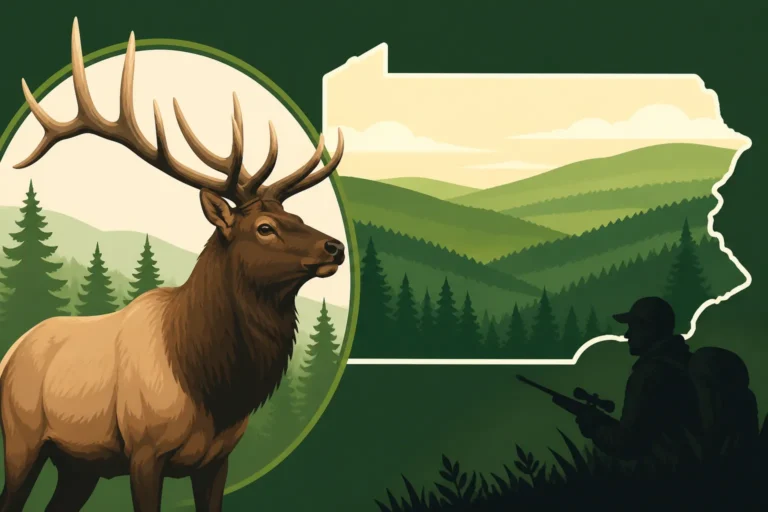
It's almost hard to imagine now, but there was a time when elk were completely gone from Pennsylvania. Overhunting and habitat destruction in the 18th and 19th centuries pushed these incredible animals out of the state entirely. It's a somber chapter in our wildlife history, one that reminds us of the profound impact humans can have. But then, a flicker of hope emerged in the early 20th century. Beginning in 1913, the Pennsylvania Game Commission, along with local conservationists, started reintroducing elk from other states, primarily from Yellowstone National Park.
It wasn't an overnight success story, mind you. It took decades of careful management, protection, and habitat work. But slowly, painstakingly, the small herds began to grow and spread. What we see today is the fruit of that tireless labor – a thriving, wild elk population that brings immense pride and joy to Pennsylvanians and visitors alike. It's a powerful reminder that with dedication and foresight, we can right past wrongs and bring back species from the brink. If you're interested in the full journey, you might enjoy reading about How Elk Returned to Pennsylvania.
The Landscape that Holds Them: Habitat and Geography
So, why Benezette? Why here, in this seemingly quiet corner of Elk County? The answer lies in the unique blend of habitat. The region around Benezette, nestled within the broader Pennsylvania Wilds, offers everything an elk could want: vast tracts of state forest land for bedding and cover, interspersed with reclaimed mine lands that have been transformed into lush, grassy food plots. These openings, often managed by the Game Commission, provide crucial forage, especially during winter and early spring.
You'll notice a mosaic of dense timber, old logging roads, and open fields, often bordered by thick brush. This combination provides both security and sustenance. The elk can graze in the open, keeping an eye out for potential threats, and then melt back into the thick woods for safety and rest. The undulating terrain, with its rolling hills and creek bottoms, also plays a role, offering varied microclimates and additional foraging opportunities. It’s this rich, diverse environment that supports the Pennsylvania Elk Herd Size and Range so well.
Understanding Elk Behavior for Better Viewing
To truly appreciate and successfully view elk, it helps to understand a bit about their daily lives. Elk are generally crepuscular, meaning they are most active during dawn and dusk. This is when they're typically out feeding in open areas, moving between their bedding and foraging grounds. During the hotter parts of the day or when seeking refuge, they'll often retreat into dense timber, making them much harder to spot.
Their social structure is also fascinating. You'll often see cows (females) and their calves in larger herds, sometimes joined by younger bulls. Mature bulls, particularly outside of the rut, tend to be more solitary or form smaller "bachelor groups." They're constantly evaluating their surroundings, using their keen sense of smell, sight, and hearing. Being aware of these natural tendencies can significantly increase your chances of a successful and rewarding viewing experience.
Prime Times and Places for Elk Encounters
Knowing when and where to look is half the battle when it comes to wildlife viewing. Elk in Benezette follow seasonal patterns that dictate their movements and visibility, and understanding these can help you plan the perfect trip.
The Best Seasons: From Calving to the Rut and Beyond
Each season offers a unique opportunity to witness the elk, with some periods being more action-packed than others.
- Spring (April-May): As the snow melts and the landscape greens up, elk begin to move more freely. This is calving season, usually late May to early June, but cows will be very secluded and protective, so don't expect to see many newborn calves up close. Still, it's a beautiful time to see elk feeding on fresh growth.
- Summer (June-August): Longer days mean more time for viewing. Bachelor groups of bulls, with their antlers in velvet, will often be seen in the open fields. Cow-calf herds are also more visible as calves grow larger and more adventurous. The heat of midday will often push them into shaded cover.
- Fall (September-October): This is, without a doubt, the prime time to visit. The fall rut, or breeding season, is an electrifying display of nature. Bulls are bugling – that iconic, haunting call echoing through the valleys – challenging rivals, and herding their cows. You'll witness sparring matches and majestic displays of dominance. The antlers are hard, the air is crisp, and the atmosphere is charged. This is the time when you'll understand why people travel from all over to see When Pennsylvania Elk Bugle.
- Winter (November-March): While colder, winter can offer excellent viewing opportunities, especially after a fresh snowfall. The elk's dark coats stand out against the white landscape, and they tend to congregate in lower elevations or around managed food plots to conserve energy. Their movements might be more restricted, but they can be easier to spot. Just be prepared for Pennsylvania's sometimes harsh winter weather!
Daily Rhythms: Dawn, Dusk, and Midday Secrets
Just as seasons dictate overall patterns, the time of day plays a critical role in elk visibility.
- Early Morning: As the sun barely peeks over the ridge, elk are often still out grazing from their nighttime foraging. The air is cool, and the golden light is perfect for photography. This is a fantastic time to catch them moving from fields to bedding areas.
- Late Afternoon/Dusk: This is arguably the most popular and often most successful viewing window. Elk begin to emerge from their daytime cover, heading back to the fields to feed as evening approaches. During the rut, this is when the bugling really picks up.
- Midday: While less active, don't rule out midday entirely. Elk might still be visible in shaded areas, especially on cooler days. Sometimes, a passing disturbance can get them moving. Patience is your best friend during these hours. Always keep your eyes peeled, even when it seems quiet.
Key Viewing Areas: Where to Park and Perch
The Pennsylvania Game Commission and the Keystone Elk Country Alliance have done a remarkable job creating accessible viewing opportunities around Benezette. While elk can pop up anywhere in the region, there are specific spots designed to maximize your chances.
- Elk Country Visitor Center: This is your absolute first stop, the hub of all things elk. Located right in Benezette, it offers panoramic views, interpretive exhibits, and knowledgeable staff who can give you up-to-the-minute information on recent elk sightings and activity. There are multiple viewing blinds and areas within easy walking distance of the center.
- Winslow Hill Viewing Area: Just a short drive from the Visitor Center, Winslow Hill is perhaps the most famous viewing spot. It features expansive open fields where elk regularly graze, especially during peak activity times. There are designated parking areas and often many other viewers, creating a shared excitement. It's a fantastic place to set up with binoculars or a spotting scope. For more on this specific spot, check out Winslow Hill and the Elk Viewing Area.
- Other Roads and Turnoffs: Don't be afraid to drive the scenic roads around Benezette, like Quehanna Highway or others leading through the State Forests. Always keep an eye out for pull-offs and clearings. Sometimes, the most unexpected sightings happen when you're simply driving through. Just remember to always pull completely off the road and be mindful of traffic.
- Mapping Tools: When planning your route or scouting out potential viewing spots, an app like GoHunt can give you invaluable insights into land ownership and topography, helping you navigate the public access points around Benezette. This kind of digital scouting can really make a difference in finding those less-pressured areas.
Remember, this isn't a zoo. Elk are wild animals, and there are no guarantees. But by focusing your efforts on these well-known locations during peak times, you significantly boost your odds.
| Season | Elk Activity Highlight | Visibility Likelihood | Best Time of Day | Special Considerations |
|---|---|---|---|---|
| Spring | Fresh green-up, calving | Moderate | Morning/Evening | Calves are secluded, cows are protective. |
| Summer | Bachelor bulls, growing calves | Good | Morning/Evening | Midday heat sends them to cover. |
| Fall (Rut) | Bugling, sparring, breeding | Excellent | All Day, especially Dawn/Dusk | High energy, bulls can be aggressive. Peak tourism. |
| Winter | Yarded in lower elevations | Good | Midday (sunny), Morning/Evening | Deep snow can make travel difficult. Dark coats stand out. |
Etiquette and Safety for Respectful Viewing
Elk are magnificent, but they are also large, powerful, and wild animals. Their sheer size (bulls can weigh over 800 pounds!) demands respect. To ensure both your safety and the well-being of the elk, it's crucial to follow some basic rules of etiquette.
Keeping Your Distance: Respecting Wildlife
This is perhaps the most critical rule of all. Never approach elk closely. While they may seem docile from a distance, they are unpredictable, especially during certain times of the year.
- Rutting Bulls: During the fall rut, bulls are full of testosterone, focused on breeding, and can be extremely aggressive towards anything they perceive as a threat – including people. Give them a wide berth, far more than you think you need.
- Cows with Calves: Mama elk are fiercely protective of their young. Getting between a cow and her calf is asking for trouble. Keep your distance, especially in late spring and early summer when calves are small.
- Never Feed Them: As tempting as it might be, never, ever feed wild elk. It habituates them to humans, makes them lose their natural fear, and can lead to dangerous encounters. It also often introduces unnatural foods to their diet, which can be harmful. It's illegal and detrimental to the animals.
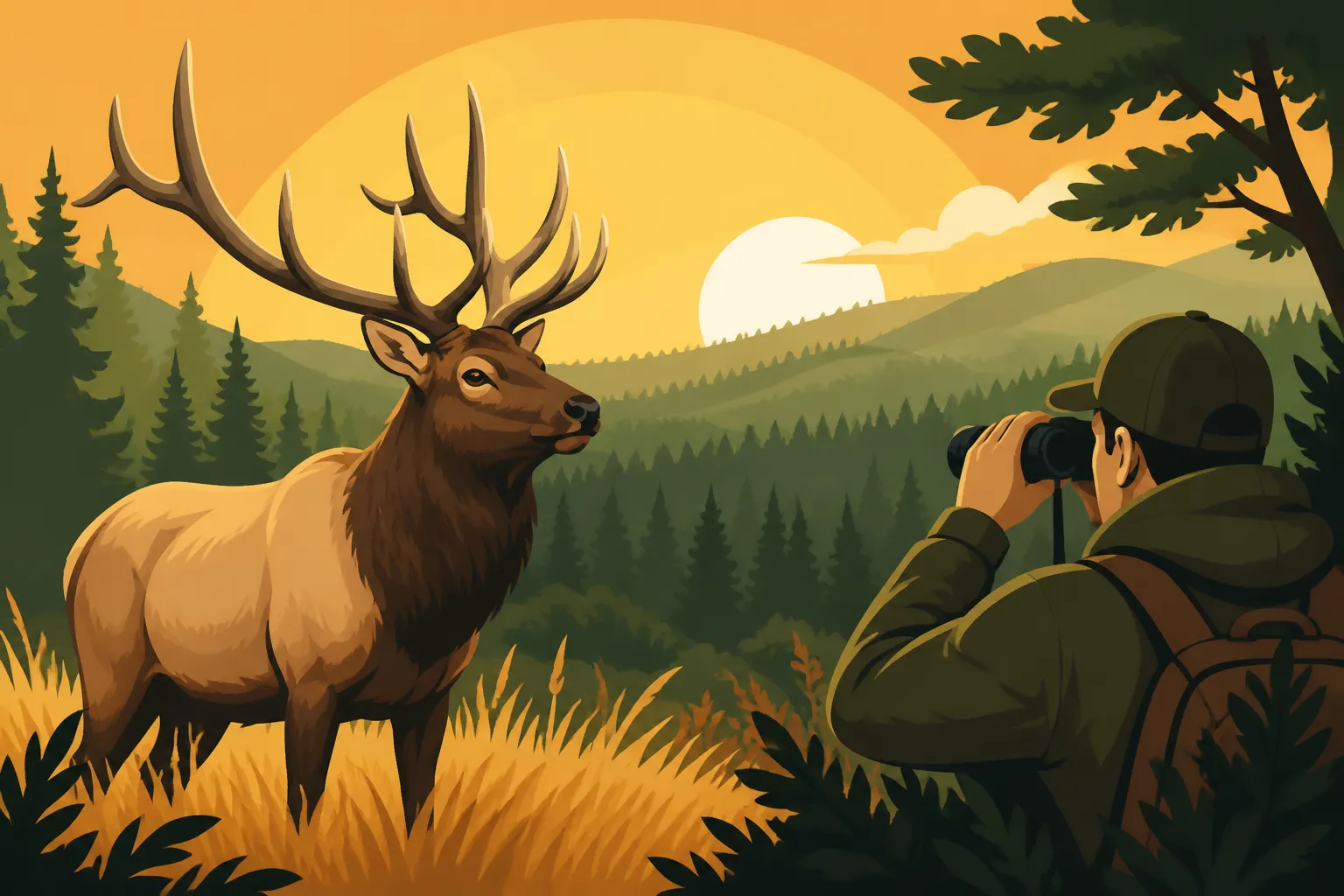
- Use Optics: Bring good binoculars or a spotting scope. These tools allow you to get "close" without physically approaching the animals, giving you fantastic views from a safe distance. If you're interested in good optics for the woods, check out Binocular Power for Timber Hunting.
A good rule of thumb: if the elk change their behavior because of your presence (stop feeding, lift their heads to watch you, move away), you're too close. Back off.
The Quiet Observer: Minimizing Disturbance
Your presence in elk country is a privilege, and we want to ensure these animals remain wild and undisturbed.
- Keep Noise Down: Loud voices, slamming car doors, or unnecessary commotion can easily spook elk, driving them deeper into cover and ruining the viewing experience for everyone. Speak in hushed tones, move quietly, and turn off car radios.
- Stay in Your Vehicle: In many of the designated viewing areas, staying in your vehicle acts as a mobile blind, making you less threatening to the elk. If you do get out, move slowly and deliberately, and be aware of your surroundings.
- Avoid Large Crowds (when possible): While Benezette can get busy, especially during the rut, try to spread out and avoid converging on one spot in a large, noisy group. The more spread out and quiet everyone is, the better the chances for good viewing.
- No Flash Photography at Night: If you're out viewing at dusk or after dark, avoid using flash photography. It can disorient and disturb the animals.
- Respect Private Property: Much of the land surrounding public viewing areas is privately owned. Always respect property lines, don't trespass, and understand that any land marked with "No Trespassing" signs is off-limits. Using mapping apps like GoHunt can help you easily identify public versus private boundaries.
Photography and Patience: Getting the Shot Responsibly
For many, capturing an incredible photograph of a Pennsylvania elk is a major goal. Here's how to do it responsibly.
- Long Lenses are Your Friend: To get those stunning close-up shots without disturbing the elk, invest in or rent a telephoto lens. This allows you to maintain a safe distance.
- Patience is Paramount: Good wildlife photography is less about quick draws and more about waiting. Find a good spot, get comfortable, and be prepared to wait for the elk to move into a favorable position or light.
- Anticipate Movement: Watch the elk's behavior. Are they grazing slowly? Moving towards a water source? Observing their patterns can help you anticipate where they might go next and position yourself accordingly (from a safe distance, of course).
- Focus on Natural Behavior: The best photos often capture elk doing what they naturally do – grazing, bugling, interacting with each other. Avoid any action that might make them nervous or change their natural behavior just to get a shot.
Planning Your Benezette Elk Adventure
A little preparation goes a long way in ensuring your elk viewing trip is enjoyable and successful. From what to pack to where to stay, thinking ahead can make all the difference.
Essential Gear for Elk Viewing
You don't need to outfit yourself for an Arctic expedition, but a few key items will significantly enhance your experience.
- Optics: As mentioned, binoculars (8×42 or 10×42 are popular choices) and a spotting scope are indispensable. They bring distant elk right to you without moving an inch. Don't skimp here; good optics are worth their weight in gold.
- Camera Gear: If photography is a goal, bring your DSLR or mirrorless camera with a telephoto lens. Extra batteries and memory cards are a must, especially in cold weather.
- Layered Clothing: Pennsylvania weather, particularly in the mountains, can be unpredictable. Dress in layers, even in summer. Mornings and evenings can be cool, even if the midday is warm. Think moisture-wicking base layers, an insulating mid-layer, and a waterproof/windproof outer shell. Clothing for a Pennsylvania December might seem extreme for fall, but the principles of layering apply year-round.
- Comfortable Footwear: You'll likely be doing some walking, even if just to a viewing blind. Sturdy, comfortable, and waterproof hiking boots are a good idea.
- Snacks and Water: Bring plenty of both. You might be out for several hours, and amenities aren't always right at hand.
- Chair/Pad: A small, portable chair or even a foam pad can make a big difference if you plan to sit and wait at a viewing area for an extended period.
- Map/GPS: Even though the main viewing areas are well-marked, having a map (physical or on a phone app) is always wise, especially if you plan to explore less-traveled roads in the surrounding Hunting Pennsylvania State Forests.
Accommodation and Local Amenities
Benezette itself is a small community, but the surrounding region offers various options for lodging and dining.
- Cabins and Guesthouses: Many private cabins and guesthouses are available for rent in and around Benezette, offering a cozy, rustic experience perfect for an elk country getaway. Book well in advance, especially for the fall rut!
- Hotels/Motels: Larger towns like St. Marys, Emporium, or Renovo, usually within a 30-60 minute drive, offer more traditional hotel and motel options.
- Camping: State parks and state forest campgrounds in the region provide camping opportunities, but again, reservations are highly recommended during peak seasons. Camping Rules on Pennsylvania Public Land can give you more details on what's allowed.
- Dining: Local eateries in Benezette and nearby towns offer classic comfort food, often with a local flair. Plan to bring some snacks or even packed lunches, as dining options can be limited, especially outside of peak hours.
- Gas: Fill up your tank before you get deep into elk country. Gas stations are sparse in some areas.
Beyond Benezette: Other Elk Country Experiences
While Benezette is the epicenter, the entire Elk in the Pennsylvania Wilds region is worth exploring.
- Scenic Drives: Take advantage of the extensive network of scenic byways and state forest roads. The views are breathtaking, and you never know what wildlife you might encounter.
- Hiking and Biking: The Pennsylvania Wilds is crisscrossed with trails for all skill levels. It's a fantastic way to immerse yourself in the natural beauty of the region.
- Local Towns: Explore the charming small towns surrounding elk country. Many have unique shops, historical sites, and friendly locals eager to share stories of the area.
- Other Wildlife: Keep an eye out for other Pennsylvania wildlife! Deer, black bears, turkeys, and a huge variety of bird species call this region home. You might be interested in learning more about Pennsylvania's Black Bear Population while you're there.
- Hunting Opportunities: For those who pursue game, the Pennsylvania Wilds offers excellent hunting for various species. Of course, elk hunting in Pennsylvania is extremely limited and requires a special, Pennsylvania's Once-in-a-Lifetime Elk Draw license, but deer, bear, and turkey are abundant.
The Impact of Elk on the Pennsylvania Wilds
The return of the elk to Pennsylvania is more than just a biological success story; it's a powerful force that has reshaped the economy and spirit of a significant part of the state.
Economic Boost from Elk Tourism
It's hard to overstate the economic impact of the elk herd on the communities within the Pennsylvania Wilds. Before the elk, this region, like many rural areas, faced economic challenges. The return of the elk, however, has created a thriving ecotourism industry.
- Increased Visitors: Thousands of visitors flock to Benezette each year, especially during the fall rut. These visitors need places to stay, food to eat, and gas for their vehicles.
- Local Businesses Thrive: This influx of tourism directly supports local restaurants, hotels, cabins, gift shops, and outdoor outfitters. It creates jobs and injects much-needed revenue into small, often family-owned, businesses.
- Conservation Funding: The interest generated by elk viewing also helps to bolster conservation efforts. Revenue from tourism can be reinvested into habitat management, research, and educational programs, creating a virtuous cycle that benefits both the wildlife and the local economy. It’s a compelling argument for the value of healthy wildlife populations.
Conservation Success: A Model for Wildlife Recovery
The Pennsylvania elk story is frequently cited as one of the most successful wildlife restoration efforts in North America. It stands as a powerful example of what can be achieved through dedicated conservation.
- Dedicated Management: The Pennsylvania Game Commission, through careful population monitoring, habitat enhancement projects, and controlled hunting, has maintained a healthy and growing elk herd. They manage the Pennsylvania Elk Herd Size and Range with great care.
- Community Involvement: The success wouldn't have been possible without the support and involvement of local communities, landowners, and organizations like the Keystone Elk Country Alliance. Their dedication to educating the public and stewarding the land is paramount.
- Lessons Learned: The lessons learned from Pennsylvania's elk restoration have informed wildlife management efforts across the country. It demonstrates the importance of reintroducing species into suitable habitats, controlling harvest, and managing human-wildlife interactions. It’s a testament to the power of science-based conservation, showing that even after local extinction, a species can make a triumphant return, enriching both the ecosystem and the human spirit.
Disclaimer
This article is for general informational purposes only and does not constitute professional advice. Laws, prices and regulations vary by location and change over time. Consult a qualified professional for guidance on your specific situation.