How West Nile Virus Reaches Grouse
For Pennsylvania grouse hunters, few topics spark as much concern and frustration as the undeniable decline of our beloved state bird. It's heartbreaking to walk prime coverts that once buzzed with flushes, only to find an eerie silence, and while habitat loss is a huge piece of that puzzle, an invisible threat called West Nile Virus has quietly taken a devastating toll. This guide will delve into how West Nile Virus reaches our ruffed grouse and the profound impact it's having on their populations across the Commonwealth.
The Alarming Decline of Pennsylvania's Ruffed Grouse Population
For generations, the drumming of a ruffed grouse echoing through Pennsylvania's autumn woods was as iconic a sound as the rustle of falling leaves. But if you've spent any time chasing these feisty birds in recent years, you know that sound has become tragically rare. Many of us have witnessed firsthand the dramatic downturn, feeling it in the quiet covers and the fewer flushes our dogs point. It's a disheartening reality that challenges our memories of grouse hunting in its prime.
More Than Just Habitat Loss
When we talk about declining grouse numbers, the conversation often—and rightly so—starts with habitat. Clear-cutting practices, the maturation of forests, and the overall loss of early successional habitat are absolutely critical factors contributing to fewer birds. Grouse thrive in young, regenerating forests, the kind of thick, brushy cover that provides food, nesting sites, and protection from predators. As our forests age, these critical habitats shrink, leaving birds vulnerable.
However, even in areas with seemingly good cover, grouse populations haven't rebounded as we might expect. This points to other underlying issues that are quietly chipping away at their numbers. It’s a complex problem, and understanding all the pieces, including emerging diseases, is vital if we hope to see these birds recover. You can read more about the broader issue in Ruffed Grouse Decline in Pennsylvania.
A Silent, Invisible Threat
Among these less obvious threats, West Nile Virus (WNV) has emerged as a particularly insidious foe for our grouse. Unlike habitat loss, which is visible in the landscape, WNV operates on a microscopic level, leaving few obvious signs until its impacts are already widespread. It’s not something you can see or hear, but its effects are profoundly felt in the reduced numbers of birds in our woods. This silent killer complicates an already challenging conservation picture, making it harder for our ruffed grouse to bounce back even when habitat improvements are made.
Understanding West Nile Virus and Its Cycle
West Nile Virus isn't just a concern for humans; it's a pathogen that circulates widely in nature, affecting a range of animal species, particularly birds. To understand how it reaches our grouse, we first need to grasp the fundamental mechanics of its transmission cycle. It’s a fascinating, if concerning, biological dance that relies heavily on certain environmental factors.
The Mosquito Connection
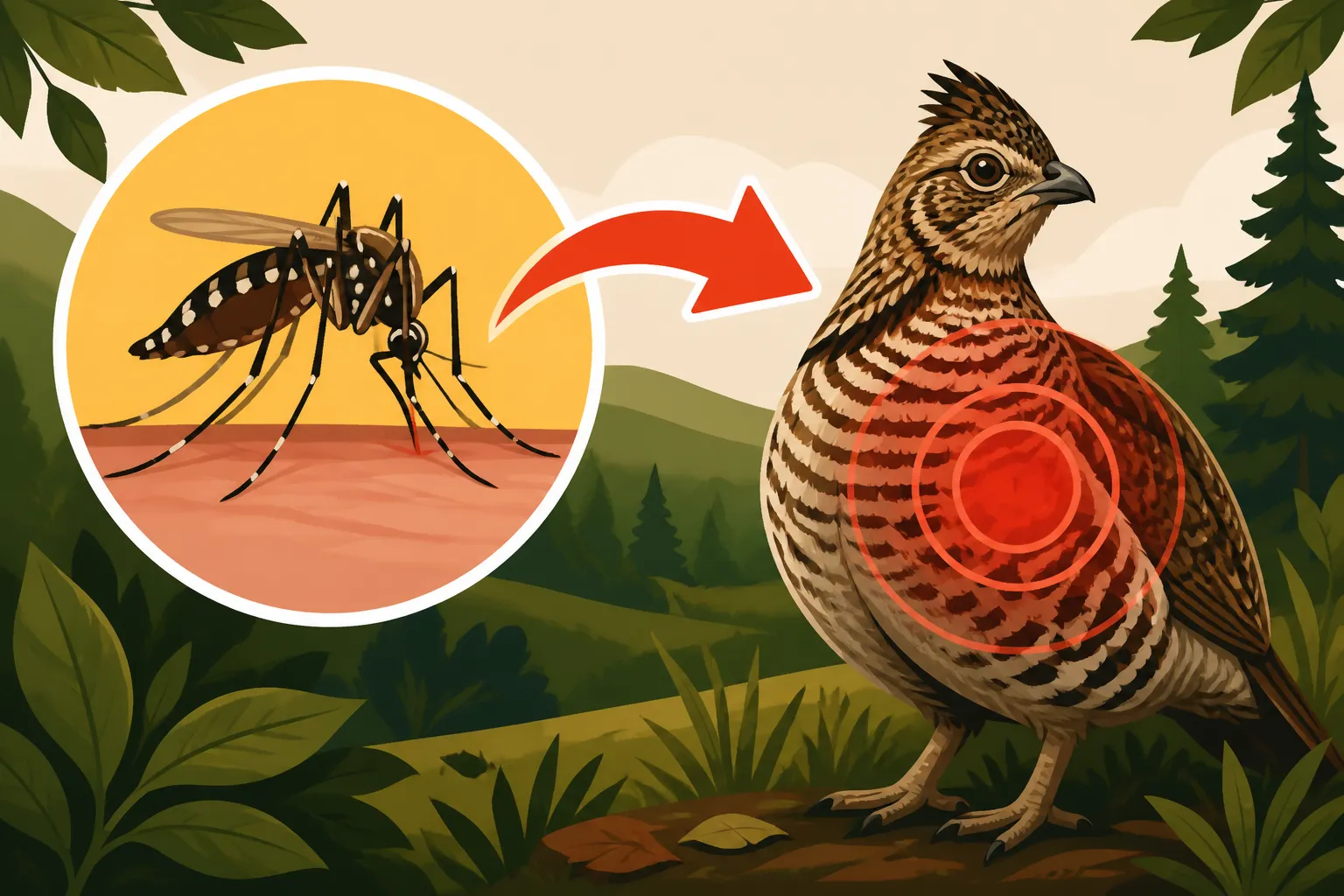
At the heart of the West Nile Virus transmission cycle is the mosquito. Specifically, certain species of mosquitoes, often referred to as "vector" mosquitoes, pick up the virus from infected hosts. They act as the bridge, carrying the virus from one animal to another. When an uninfected mosquito bites a bird that has WNV in its bloodstream, the mosquito can become infected. This is a critical step, as mosquitoes don't just carry the virus passively; it replicates within them before they can transmit it to a new host.
Once the virus has multiplied sufficiently within the mosquito, it moves into the insect's salivary glands. This means that the next time that infected mosquito bites another animal, it can inject the virus into its new host. Given that mosquitoes are abundant in many of the damp, forested areas where grouse live, they are unfortunately perfect intermediaries for spreading this disease.
How Birds Become Carriers
Birds are the primary "reservoir hosts" for West Nile Virus. This means they are the animals in which the virus naturally lives, replicates, and can be maintained for long periods, infecting new mosquitoes. While many bird species can carry WNV, not all are equally susceptible to developing severe illness, nor do they all produce high enough levels of the virus in their blood to infect mosquitoes. However, those that do—often referred to as "amplification hosts"—are key to the virus spreading in the environment.
Crows and jays are well-known examples of birds highly susceptible to WNV and often die from it, making their deaths a visible indicator of the virus's presence. Other birds, like robins, might carry the virus with few symptoms, yet have high enough viral loads to infect multiple mosquitoes, thus driving the cycle forward. When a mosquito bites an infected bird, it picks up the virus, and the cycle continues, potentially bringing WNV to other susceptible species, including our beloved ruffed grouse.
| WNV Transmission Cycle Stage | Key Player | Role in Transmission |
|---|---|---|
| 1. Acquisition | Mosquito | Bites an infected bird, ingests virus-laden blood. |
| 2. Amplification | Infected Bird | Virus replicates in the bird's bloodstream, reaching high levels. |
| 3. Replication | Mosquito | Virus replicates within the mosquito's body and salivary glands. |
| 4. Transmission | Infected Mosquito | Bites a new, uninfected bird, injecting the virus. |
| 5. Impact | Susceptible Bird (e.g., Grouse) | Develops illness, potentially fatal, affecting population. |
The Specific Impact on Ruffed Grouse
Understanding the general WNV cycle is one thing, but pinpointing why it has such a disproportionate impact on ruffed grouse is another. It’s not just about mosquitoes being present; there are specific biological vulnerabilities that make these birds especially susceptible to the virus's devastating effects. The implications for hunting seasons and the future of grouse populations in Pennsylvania are significant.
Why Grouse Are Particularly Vulnerable
Research, particularly from states like Pennsylvania, has indicated that ruffed grouse are highly vulnerable to West Nile Virus. Studies have shown that grouse, once infected, often develop a severe form of the disease. Their immune systems seem to struggle to effectively fight off the virus, leading to high viral loads in their bloodstream and significant organ damage. This high susceptibility means that even a single bite from an infected mosquito can be lethal. In contrast, some other bird species might carry the virus with minimal ill effects.
Furthermore, the habitat preferences of grouse may inadvertently expose them more frequently to infected mosquitoes. Grouse spend a lot of time in dense, moist undergrowth, often near water sources, which are prime breeding grounds for many mosquito species. This close proximity to the vector, combined with their low natural immunity, creates a "perfect storm" for WNV to take a serious toll. The Pennsylvania Game Commission has been keenly aware of this dynamic, and their studies have confirmed the strong link between WNV prevalence and grouse mortality. You can sometimes find data and reports on wildlife health issues through platforms like GoHunt, which aggregates hunting information, though direct disease data usually comes from state agencies.
Symptoms and Mortality in Wild Populations
It's tough to observe WNV symptoms in wild grouse directly because the birds often become ill quickly and retreat into dense cover, or they become easy prey for predators. However, sick birds may appear lethargic, disoriented, or have trouble flying. They might seem "tame" or unwilling to flush, which is highly uncharacteristic of a healthy grouse. Unfortunately, for ruffed grouse, WNV infection frequently leads to mortality. Unlike some birds that recover, a significant percentage of infected grouse do not survive.
The cumulative effect of this high mortality rate is a noticeable dip in local populations. While we might attribute fewer birds to simply poor reproduction or a lack of habitat, WNV can be an invisible force multiplier, significantly reducing grouse numbers even in seemingly optimal areas. This adds another layer of complexity to managing and conserving a species already facing considerable pressure. Hunters who actively track their outings, perhaps using a mapping tool or a hunt-tracking app like GoHunt, might notice a decline in flush rates over several seasons, even in consistent areas, which could be an indicator of WNV impact.
What Hunters and Conservationists Can Do
The challenges posed by West Nile Virus to Pennsylvania's ruffed grouse population can feel overwhelming, but there are tangible steps that hunters, conservationists, and concerned citizens can take. From diligent observation to supporting critical research and habitat work, our collective efforts are essential to give these birds a fighting chance.
Monitoring and Reporting Sightings
As hunters, we are often the first eyes on the ground, witnessing the health of wildlife firsthand. If you encounter a grouse that appears sick, lethargic, or disoriented while afield, it’s incredibly important to report it. While it's tempting to think it's "just one bird," these observations contribute to a larger understanding of disease prevalence. Contact the Pennsylvania Game Commission directly if you find a dead or visibly sick grouse, especially if you suspect WNV. Provide as much detail as possible about the location and symptoms. This data helps wildlife biologists track the spread and intensity of diseases like WNV. Read more about Reporting a Sick Animal in Pennsylvania to understand the proper protocols.
It's also crucial to practice good biosecurity when hunting. If you harvest a grouse, inspect it for any unusual lesions or signs of illness. While WNV in grouse does not pose a direct threat to humans through consumption of properly cooked meat, handling sick animals or carcasses requires care. Washing hands thoroughly and cleaning equipment are always good practices.
Supporting Research and Habitat Efforts
The long-term solution to combating the effects of West Nile Virus on grouse involves both understanding the disease better and bolstering the birds' overall resilience. This means supporting scientific research into WNV and its specific impacts on grouse, which can lead to better management strategies. Organizations like the Ruffed Grouse Society, along with the Pennsylvania Game Commission, are at the forefront of these efforts. They conduct studies, monitor populations, and strive to implement habitat projects that create more robust grouse populations. Information from such research, sometimes distilled into accessible formats, can even be found on hunting information platforms such as GoHunt, helping hunters understand the broader conservation landscape.
Secondly, continuing to advocate for and participate in habitat improvement projects is paramount. While habitat won't prevent WNV infection, strong, healthy grouse populations in prime habitat are better equipped to withstand disease pressures. Think about the importance of Why Young Forest Matters to Grouse and how critical it is for their survival and reproductive success. Creating more dense, early successional forests provides not only food and cover but also helps to mitigate the overall stress on the population, potentially making individual birds more resilient. Even small-scale efforts, like pushing for managed timber harvests on public lands, can make a difference. Understanding Pennsylvania Grouse Flush Rate Surveys can also give you insight into where populations might be struggling the most and where efforts are most needed.
Disclaimer
This article is for general informational purposes only and does not constitute professional advice. Laws, prices and regulations vary by location and change over time. Consult a qualified professional for guidance on your specific situation.