Pennsylvania Rabbit Population Trend
Pennsylvania rabbit population trends, including Eastern and Appalachian cottontail habitats, regional abundance, and farming impacts.
Know what you’re after.
Big game, small game, upland birds, and waterfowl — identification, behavior, rut and migration timing, and how each species moves through the season.
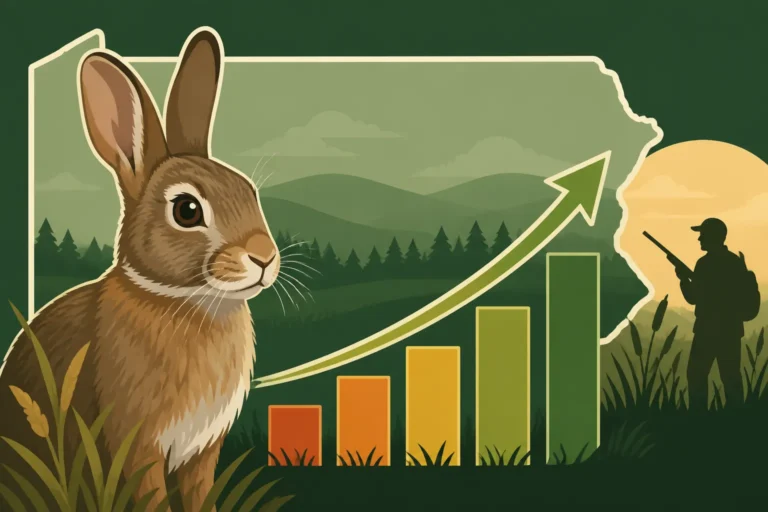
Pennsylvania rabbit population trends, including Eastern and Appalachian cottontail habitats, regional abundance, and farming impacts.
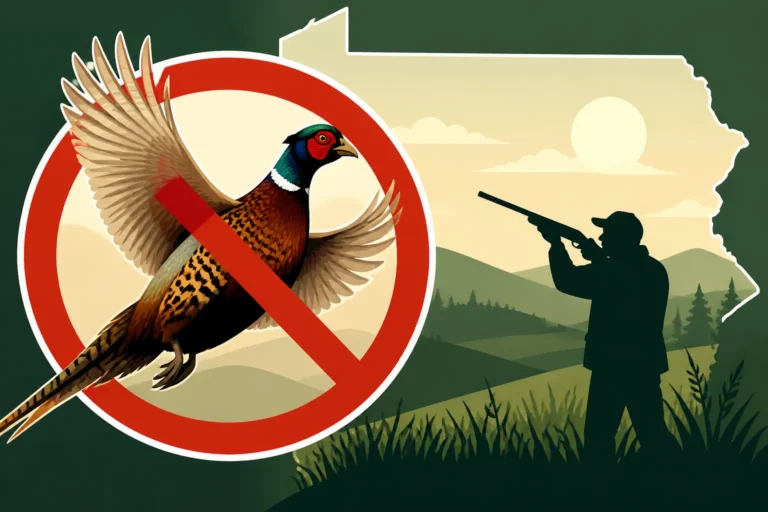
Pennsylvania wild pheasants disappeared due to landscape changes, modern agriculture, and habitat loss from urban sprawl.
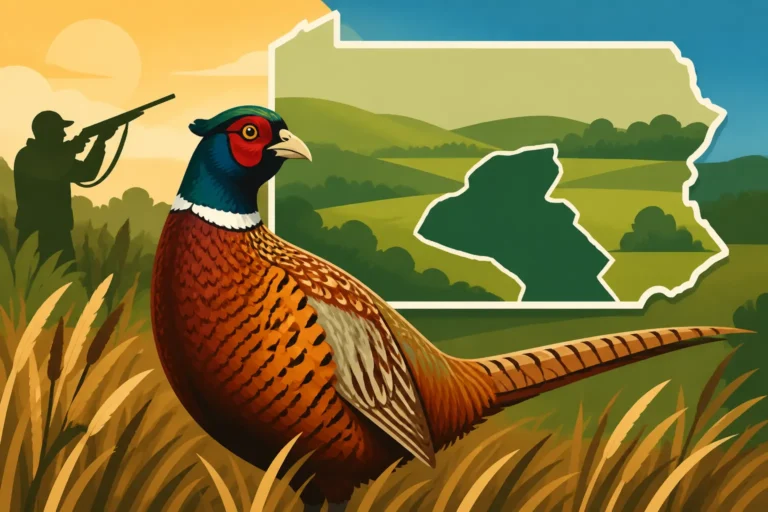
Pennsylvania Wild Pheasant Recovery Areas aim to restore self-sustaining game bird populations and improve agricultural grassland ecosystems.
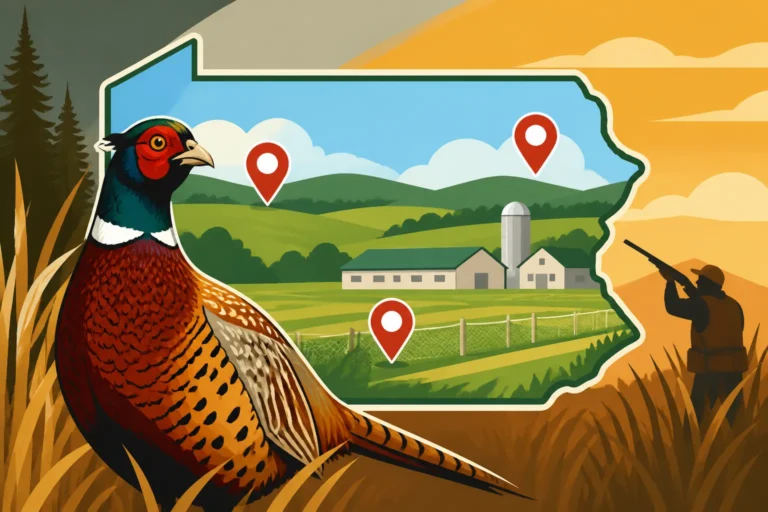
Pennsylvania Game Commission pheasant farms in Cambridge Springs and Schwenksville raise hundreds of thousands of birds annually.
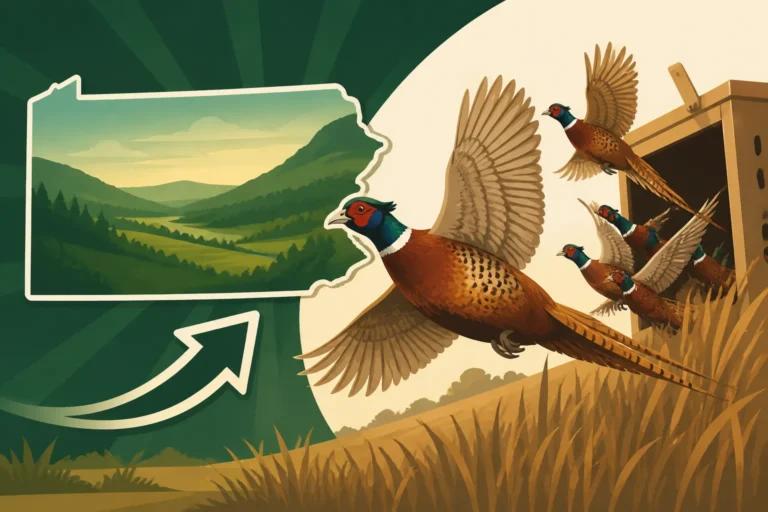
Pennsylvania pheasant stocking program details annual releases of over two hundred thousand birds across numerous state release areas.
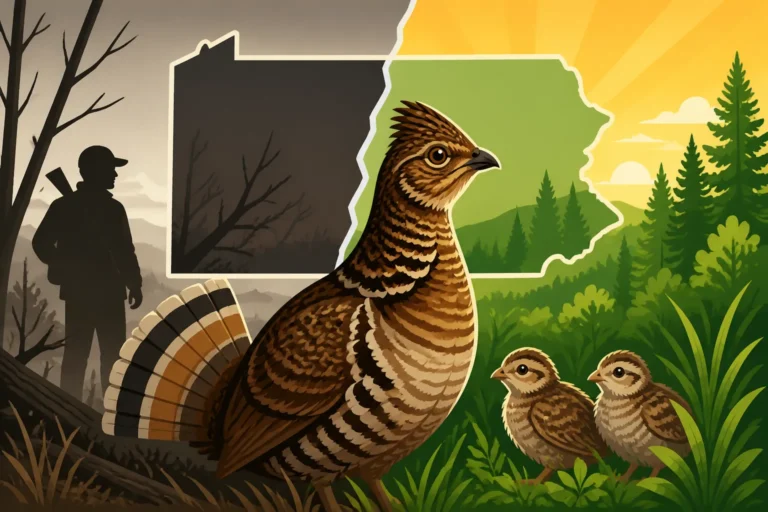
Pennsylvania ruffed grouse recovery depends on habitat loss, forest fragmentation, and West Nile virus impacts since 1999.
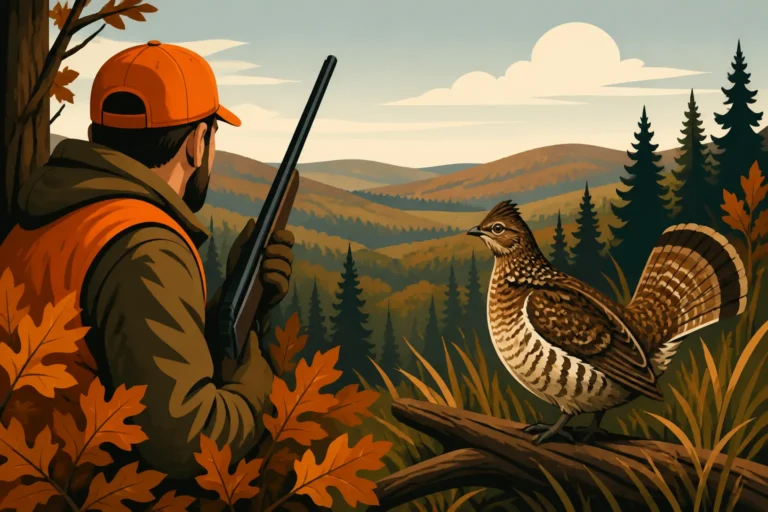
Pennsylvania ruffed grouse population decline, habitat loss from maturing forests, and regions where these birds still survive today.
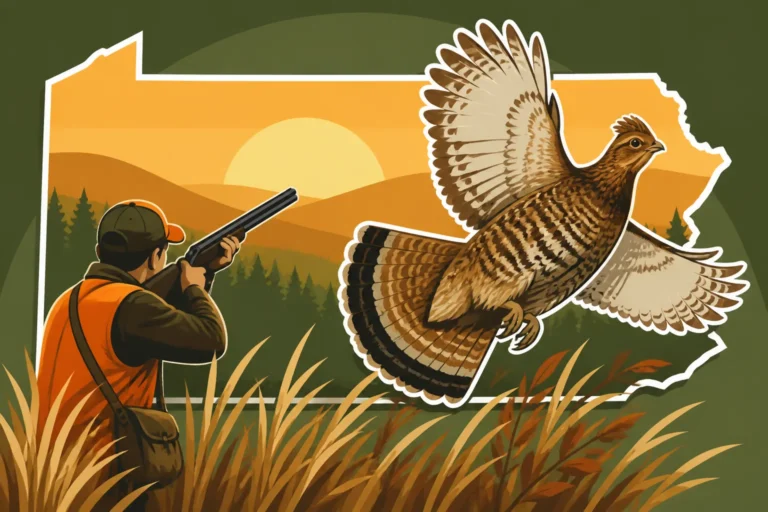
Pennsylvania grouse flush rate surveys measure relative bird abundance to guide conservation and state wildlife management strategies.
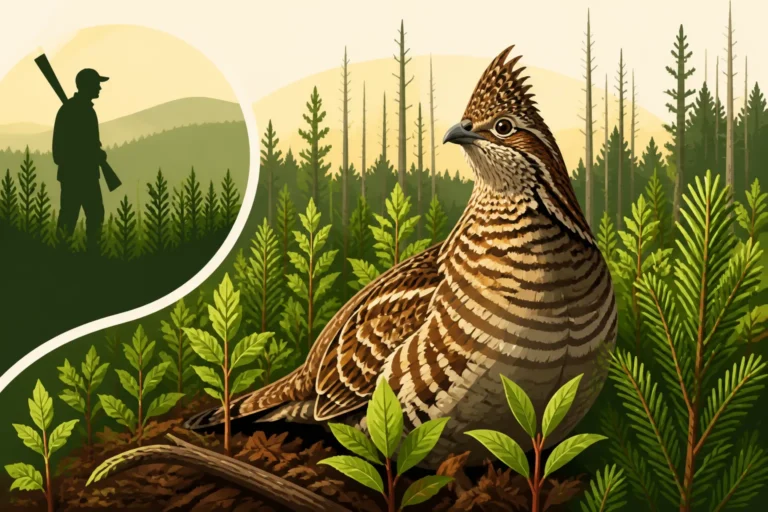
Young forest habitat provides Pennsylvania ruffed grouse with protective cover and diverse food sources for year-round survival.
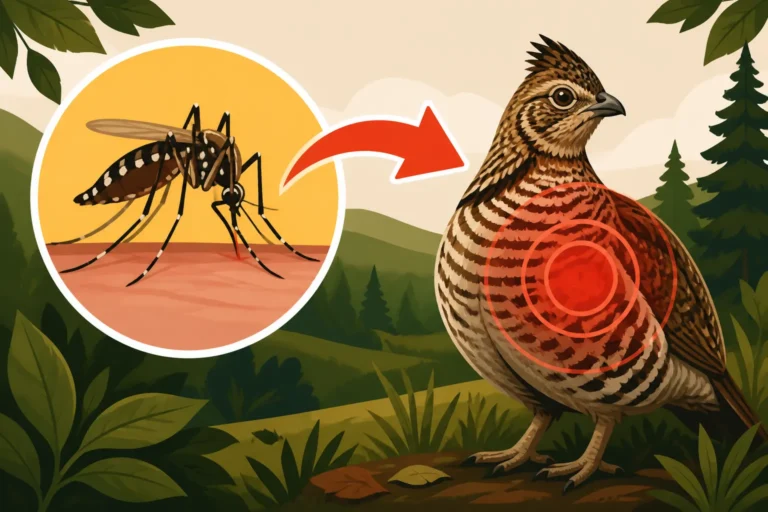
West Nile Virus transmission cycles by vector mosquitoes explain the devastating decline of Pennsylvania ruffed grouse populations.