Middle Creek Wildlife Management Area
Hunting in Pennsylvania can sometimes feel like a puzzle, especially when you're looking at special areas with their own unique rules and environmental considerations. One place that often sparks curiosity, and a bit of head-scratching, is the Middle Creek Wildlife Management Area. It's renowned for its incredible waterfowl populations, particularly the massive snow goose migrations, but understanding how to legally and effectively hunt there, while respecting its conservation mission, can be a real challenge for new and even seasoned hunters. This guide aims to break down everything you need to know about hunting Middle Creek, helping you navigate its distinct landscape, regulations, and opportunities.
Understanding Middle Creek's Unique Landscape and Purpose
Middle Creek Wildlife Management Area, spanning parts of Lebanon and Lancaster counties, isn't just another patch of public hunting ground; it's a critical wildlife sanctuary, primarily managed for waterfowl. This unique identity means it operates under a specific set of guidelines that balance hunting opportunities with its paramount role in conservation, particularly for migratory birds. Many hunters are familiar with State Game Lands, but Middle Creek has a different flavor, one that's designed to provide both sanctuary and regulated public access.
A Haven for Migratory Birds
The primary mission of Middle Creek is to provide food, water, and sanctuary for migratory waterfowl, especially during their epic journeys along the Atlantic Flyway. This makes it an absolutely vital stopover for countless ducks, geese, and swans. The Pennsylvania Game Commission works tirelessly to manage the habitat, which includes vast expanses of agricultural fields, shallow impoundments, and woodland. When you visit during peak migration, the sheer number of birds can be breathtaking, turning the sky into a living, honking, quacking spectacle. This focus on waterfowl means that the hunting regulations and available species are tailored to this unique ecological role. It’s not just a place to hunt; it’s a living, breathing ecosystem that supports millions of birds.
Think about the long flights these birds undertake, from breeding grounds far to the north down to their wintering areas. Middle Creek provides a crucial refueling and resting station, ensuring their survival. This also means that certain areas are designated as absolute refuge, off-limits to hunting and even entry during specific times, to ensure the birds have undisturbed spaces. Understanding this core purpose helps hunters appreciate the rules and plan their trips accordingly, knowing they are part of a larger conservation effort.
Management Philosophy and Zones
The management philosophy at Middle Creek is deeply rooted in providing diverse habitats while also offering regulated hunting. This is achieved through a zoned system that clearly delineates areas for refuge, wildlife observation, and public hunting. It’s not a one-size-fits-all approach, and knowing these zones is paramount to a successful and legal hunt. You’ll find maps detailing these zones, and it's highly recommended to consult them beforehand. Tools like onX Hunt can be incredibly useful for overlaying these boundaries and understanding your location relative to restricted areas.
These zones are not static; they can change with management objectives or seasonal needs. For instance, areas might be open to hunting early in the season but close once bird numbers swell, creating an undisturbed refuge. This dynamic management ensures the health of the waterfowl populations while still offering opportunities for hunters. The fields are often managed to provide forage, with corn, soybeans, and other crops left standing or harvested strategically to benefit the wildlife. This intensive habitat work is what makes Middle Creek so attractive to birds and, by extension, to hunters. It’s a testament to active land management and its benefits for both wildlife and outdoor enthusiasts.
Navigating Hunting Opportunities and Regulations at Middle Creek
Hunting at Middle Creek is unlike hunting on many other State Game Lands in Pennsylvania. Due to its status as a premier waterfowl management area, the regulations are more specific, and knowing them inside and out is crucial. It’s not a place where you can just show up and expect to hunt whatever you want, wherever you want. Preparation is key, and that starts with understanding the rules of the game.
Permitted Hunting Seasons and Species
While Middle Creek is famous for its waterfowl, it actually offers opportunities for a few different game species. Waterfowl, of course, are the main draw. Duck and goose seasons here align with the broader Pennsylvania Waterfowl Seasons and Zones, but with specific area restrictions. You'll find opportunities for various duck species, Canada geese, and, most notably, snow geese during their conservation order. Beyond waterfowl, there are often limited opportunities for small game suchters as rabbits and squirrels, and sometimes even pheasants, especially in designated areas where the Game Commission might release birds.
It's vital to check the specific Middle Creek regulations each year, as they can sometimes vary slightly from statewide rules, particularly concerning open areas, shooting hours, and method of take. This often means consulting a dedicated Middle Creek hunting guide or leaflet provided by the Game Commission. Don't assume that what's legal elsewhere in the state applies equally here; always double-check. For example, some small game seasons might be shorter or have different opening and closing times within the WMA's boundaries.
Special Regulations and Restrictions
The most significant aspect of hunting at Middle Creek lies in its special regulations. These are put in place to manage hunting pressure, ensure hunter safety, and maintain the primary conservation objectives of the area. One of the biggest challenges hunters face is understanding and adhering to the various zones, particularly the "controlled hunting areas" and "refuge areas." Hunting is strictly prohibited in refuge areas, and sometimes even entry into these areas is restricted. Violating these rules is taken very seriously.
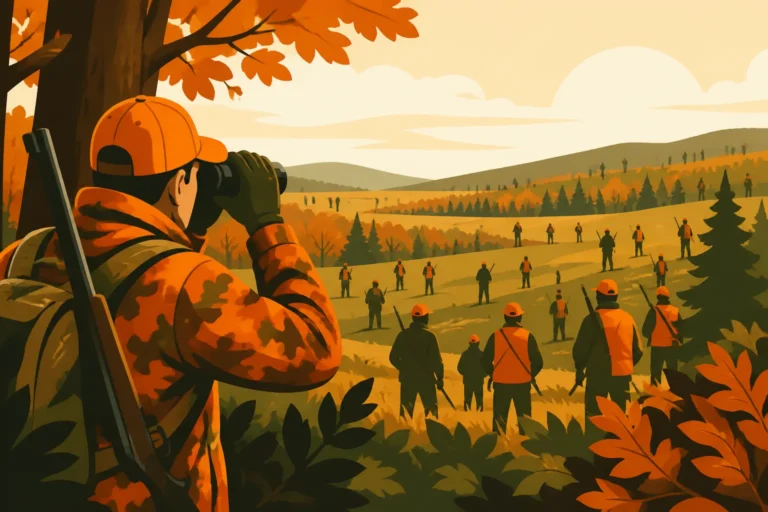
Another common restriction involves designated hunting blinds or zones, especially for waterfowl. Access might be limited to specific parking areas, and you might need to register for a blind or be part of a lottery system during peak times. This is particularly true for Middle Creek Snow Goose Viewing areas which attract large crowds, requiring careful management to avoid conflicts and ensure safety. Hunters need to be aware of safety zones around buildings and public viewing areas, which are often much larger than typical statewide requirements due to the high volume of visitors. For example, during the snow goose migration, certain roads and viewing areas are thronged with people who are there to observe, not to hunt. Maintaining a respectful distance and understanding where you can and cannot shoot is not just about legality; it's about being a responsible ambassador for hunting.
| Hunting Activity Category | Middle Creek Status | Typical Rules/Considerations |
|---|---|---|
| Waterfowl (Ducks/Geese) | Primary focus, highly regulated | Specific zones, possible blind lotteries, non-toxic shot required. |
| Snow Goose Conservation Order | Major draw, specific areas | Special permit/registration might be needed, electronic calls sometimes allowed (check regulations). |
| Small Game (Rabbit/Squirrel) | Limited opportunities | Check specific open areas and season dates, might be shorter than statewide. |
| Pheasant | Possible stocking in designated zones | Check stocking schedule and open areas, a Pennsylvania Pheasant Permit may be required. |
| Deer/Bear | Generally not a primary hunting area | Often restricted or entirely closed; check annually for any limited opportunities. |
| Trapping | Very limited/specific | Only by special permit and with strict conditions. |
Accessing the Hunting Areas
Access to Middle Creek's hunting grounds can be different from your average State Game Land. There are designated parking areas, and some routes might be closed seasonally. It’s not uncommon to find gates or signs indicating vehicle restrictions, especially around sensitive wildlife areas. Walking is often the primary mode of transportation once you've parked, and that can mean carrying your gear a good distance. This is where scouting ahead of time, perhaps with an app like onX Hunt, can be a game-changer. You can mark parking areas, potential hunting spots, and, most importantly, the boundaries of the various zones to ensure you stay legal.
Remember, the land is managed for public enjoyment beyond just hunting. This means you might share trails and access points with birdwatchers, hikers, and photographers, especially during the peak spring and fall migrations. Courtesy and patience are essential. Always be aware of your surroundings, understand the concept of a "safety zone" around other users, and choose your hunting locations wisely to minimize conflict. The Pennsylvania Game Commission provides detailed maps, both online and sometimes in print at the visitors center, which clearly mark hunting zones, refuge areas, and access points. Don't leave home without consulting these maps.
Species You Can Hunt and What to Expect
Middle Creek, while celebrated for its migratory birds, isn't solely a waterfowl hunting destination. Depending on the time of year and the specific regulations, hunters can pursue a select few other game species. However, it's always critical to consult the most current regulations for the WMA, as rules and opportunities can change annually.
Waterfowl Hunting: The Main Event
When people think of hunting at Middle Creek, their minds immediately go to waterfowl, and for good reason. The area is a magnet for ducks and geese, offering some truly spectacular hunting experiences, particularly during the snow goose conservation order. You can expect to find various puddle ducks like mallards and wood ducks, along with diver ducks in the larger impoundments, though the focus is often on geese. Canada geese are prevalent, but the sheer numbers of snow geese during their migration make for a bucket-list experience for many hunters.
Hunting waterfowl here often means dealing with specific designated hunting areas, which might be managed blinds or open fields. For snow geese, it typically involves setting up large decoy spreads in agricultural fields, hoping to intercept flocks flying between feeding and roosting areas. This can be a high-volume, intense hunt, but it requires significant scouting to understand flight patterns and feed sources. You'll need non-toxic shot, as required for all waterfowl hunting in Pennsylvania, and a good call. Don't forget your Waders for River Duck Hunting if you're venturing into the wetter areas or setting decoys in the impoundments. The competition can be stiff, so getting out early and being prepared is vital. Remember that the sight and sound of hundreds of thousands of snow geese is a spectacle even without pulling the trigger.
Small Game Opportunities
While not as prominent as waterfowl, Middle Creek does offer some chances for small game. Rabbits are often found in the brushy edges and fencerows that border the agricultural fields and woodlots. Squirrels can be abundant in the mature timber stands, especially during the fall when acorns and other nuts are dropping. For those looking for a more traditional small game experience, these opportunities can be a welcome change of pace.
Hunting small game here follows the general Pennsylvania Small Game Seasons and Bag Limits, but again, always check for any specific Middle Creek modifications. You'll need to be mindful of your surroundings and any nearby refuge areas, ensuring you're only hunting in designated open zones. It's often a walk-and-stalk approach, especially for rabbits in the thicker cover or still-hunting for squirrels in the hardwoods. Remember your Grouse Hunting Pennsylvania Cover tactics might not apply directly here, as the habitat is more open and managed for different species.
Limited Pheasant Hunting
In some years, the Pennsylvania Game Commission does stock pheasants at Middle Creek, creating limited hunting opportunities for this popular upland bird. These stocked pheasant hunts are typically very popular and occur on specific dates in designated areas. If you're planning to hunt pheasants, you'll definitely need to confirm the stocking schedule and locations directly with the Game Commission, and be aware that a Pennsylvania Pheasant Permit is usually required in addition to your general hunting license.
Expect significant hunter pressure on stocking days. These hunts can be fast-paced, and dogs are often employed to help flush and retrieve birds from the dense cover. It's an exciting experience for those who enjoy upland bird hunting, but it requires patience and a good understanding of where the birds are likely to be released and hold. Respect for other hunters and dog handlers is paramount in these busy environments.
Essential Gear and Tactics for Middle Creek Hunters
Hunting at Middle Creek isn't just about knowing the rules; it's about being properly equipped and employing the right tactics for this unique environment. The specific demands of waterfowl hunting, combined with the potential for mixed bag opportunities and high public traffic, mean your gear and approach need to be on point.
Waterfowl Gear: From Decoys to Waders
For waterfowl hunting at Middle Creek, your gear list will look a bit different than a typical deer hunt. First and foremost, you'll need a reliable shotgun (12 gauge is standard) and plenty of non-toxic shot. Steel, bismuth, or tungsten loads are all options, with steel being the most common. Decoys are critical, especially for snow geese, where spreads often number in the hundreds or even thousands. Layout Blinds for Pennsylvania Cut Corn fields are essential for concealment, allowing you to blend seamlessly into the environment.
Beyond the basics, warm, waterproof clothing is a must. You'll often be sitting for long periods in potentially wet and cold conditions. Layering is key, and good quality waterproof boots or chest waders are indispensable, particularly when retrieving birds from water or navigating damp fields. A good set of calls – goose and duck calls – that you know how to use effectively will dramatically improve your chances. Don't forget a dependable headlamp for early morning setups and late evening retrieves, and a sturdy game bag or sled for hauling out your birds.
Scouting and Understanding Bird Behavior
Successful hunting at Middle Creek, particularly for waterfowl, hinges on meticulous scouting. This isn't just a "show up on opening day" kind of place. You need to understand where the birds are feeding, where they're roosting, and their flight paths between these locations. Observing these patterns before your hunt will tell you where to set up your decoys and blind for the best results. Pay attention to wind direction, as birds typically land into the wind.
Knowing when to call, how loudly, and when to be completely silent is an art. Educated birds, which are common in pressured areas like Middle Creek, are very wary. Sometimes, less calling is more. Patience is also a virtue; waiting for the right moment when a flock is committed to your spread can be the difference between a successful shot and an empty sky. Utilizing mapping apps like onX Hunt during your scouting can help you mark concentrations of birds, identify potential setup locations, and avoid inadvertently entering refuge areas.
Adapting to Public Land Pressure
Middle Creek can experience significant Hunting Pressure on Pennsylvania Game Lands, especially during peak seasons like the snow goose migration or pheasant stocking days. This means your tactics need to account for other hunters. Being courteous, respecting space, and communicating with those around you can make for a more enjoyable and safer experience for everyone. Setting up too close to another hunting party, for example, is poor etiquette and can ruin both hunts.
Consider hunting during weekdays if your schedule allows, as weekends tend to be much busier. If you do hunt on a weekend, be prepared to walk further than most to find less pressured spots. Sometimes, a slightly out-of-the-way fencerow or a small, overlooked woodlot can hold unexpected small game opportunities. Remember, Middle Creek is a shared resource, and being a good steward means being considerate of all users, not just other hunters.
The Delicate Balance: Hunting and Wildlife Viewing
Middle Creek Wildlife Management Area embodies a unique challenge: it's a world-renowned birdwatching destination and a popular public hunting ground. This dual identity means that hunters here operate in a highly visible environment, often sharing space and observation points with non-hunting wildlife enthusiasts. This dynamic requires a heightened sense of responsibility, courtesy, and an understanding of the area's multifaceted purpose.
Sharing the Landscape with Non-Hunters
It’s inevitable that during your hunt at Middle Creek, you will encounter birdwatchers, photographers, and general nature lovers. Many of these individuals travel specifically to Middle Creek for the incredible spectacle of the snow geese and other migratory birds. This makes demonstrating ethical hunting practices and respect for the environment even more crucial. A negative interaction or perceived irresponsible behavior can quickly cast a shadow over all hunters.
One of the best ways to navigate this shared space is simply to be aware. Know where the primary viewing areas are and try to avoid setting up directly adjacent to them, even if technically legal. Keep your firearms cased when walking through parking lots or near the visitors center. A friendly wave or a polite conversation can go a long way in fostering understanding. Remember, the majority of the public, especially those who enjoy wildlife, may not understand hunting, and your actions are often their only reference point. Hunters are often the best conservationists, and showing that respect and care can help bridge the gap.
Designated Viewing Areas and Refuge Zones
To manage the balance between wildlife observation and hunting, Middle Creek has clearly delineated viewing areas and refuge zones. These are often marked with prominent signage. The purpose of refuge zones is to provide undisturbed resting and feeding areas for wildlife, especially during sensitive migration periods. Hunting is strictly prohibited in these areas, and in many cases, human entry is also restricted. Respecting these boundaries is not just a matter of law; it's fundamental to the long-term health of the wildlife populations that draw everyone to Middle Creek.
The main visitors center and surrounding areas, which include key impoundments and fields, are typically designated as viewing-only or refuge. During peak migration, thousands of people might gather at these points. While these areas are spectacular for observation, they are not for hunting. Understanding where these zones are located, perhaps using a detailed map or a mapping app, is crucial for both planning your hunt and avoiding unintentional incursions into restricted areas. Always prioritize the safety and enjoyment of all visitors, and remember that Hunting Rules at Middle Creek are designed to protect the resource for everyone.
Promoting a Positive Image of Hunting
Every hunter at Middle Creek has an opportunity to be an ambassador for our sport. By demonstrating safe firearm handling, adhering to all regulations, practicing ethical harvesting, and showing respect for both the wildlife and other public land users, you help paint a positive picture of hunting. This might mean retrieving a bird quickly and discreetly, or it might mean offering to help someone who looks lost with a map.
Cleanliness is also key. Leaving no trace behind – no spent shells, no trash, no tangled decoy lines – reinforces the idea that hunters care about the environment. When you pack out more than you pack in, you leave the area better than you found it. This conscious effort helps build understanding and appreciation for the role hunters play in conservation, rather than perpetuating negative stereotypes. It's about being part of the solution, not adding to the problem, in a place that holds such significance for so many different people.
Planning Your Visit and Avoiding the Crowds
Middle Creek is a gem, and like any popular gem, it attracts a crowd. While the sheer number of migratory birds is a draw, the number of people, both hunters and observers, can be a challenge. Strategic planning can help you maximize your hunting experience and find some peace amidst the popularity.
Best Times to Hunt Middle Creek
Timing is everything at Middle Creek. If you're targeting snow geese, the peak migration periods in late winter/early spring are when the numbers are truly astonishing. However, these are also the times when the crowds are at their absolute heaviest. For ducks and Canada geese, earlier in the fall waterfowl season might offer a more relaxed experience with fewer overall visitors. Small game opportunities can be found throughout their respective seasons, often with less competition than the waterfowl spectacle.
Consider hunting during weekdays if your schedule permits. The difference in pressure between a Saturday and a Tuesday can be dramatic. Also, early mornings, right at legal shooting hours, tend to be busy, but sometimes things thin out mid-morning after the initial rush. The same goes for late afternoons; as the sun begins to set, some hunters and observers start to pack up, potentially opening up new opportunities. Always consult the Pennsylvania Legal Shooting Hours to know exactly when you can be in the field.
Utilizing Resources for Scouting and Information
The Pennsylvania Game Commission provides invaluable resources for hunters planning a trip to Middle Creek. Their website is often updated with the latest regulations, maps, and even bird counts or migration updates. The visitors center at Middle Creek itself is an excellent source of information, with staff who can answer questions about current conditions, open areas, and specific rules. Don't be shy about asking for advice; they're there to help.
In addition to official resources, modern technology can be a huge asset. Mapping apps like onX Hunt are indispensable for understanding property lines, public land boundaries, and navigating the various zones within Middle Creek. You can mark potential hunting spots, access routes, and areas to avoid. Using these tools for Scouting Pennsylvania Public Land Before Season can give you a distinct advantage, helping you locate less pressured areas and plan your approach effectively. While GoHunt is typically focused on western big game, the mapping layers and satellite imagery features found in similar platforms can still provide valuable intel for understanding terrain and access points at Middle Creek.
Adapting to Conditions and Being Flexible
No matter how well you plan, conditions at Middle Creek can change rapidly. Bird numbers fluctuate daily with weather patterns and migration pushes. Hunter pressure can shift, and even the availability of specific hunting zones might be temporary. Successful hunters are flexible hunters. If your primary spot is crowded, have a backup plan. If the birds aren't flying where you expected, be prepared to move.
Being adaptable also means being prepared for different weather conditions. Pennsylvania weather in fall and winter can be unpredictable, ranging from mild and rainy to frigid and snowy. Having the right layers, rain gear, and a good understanding of how Cold Weather Sitting Strategy might need to adapt is crucial. Ultimately, a trip to Middle Creek is an experience, and while success is great, the journey, the sights, and the sounds of this incredible wildlife haven are rewards in themselves. Respect the resource, respect other users, and enjoy the unique hunting opportunities it provides.
Disclaimer
This article is for general informational purposes only and does not constitute professional advice. Laws, prices and regulations vary by location and change over time. Consult a qualified professional for guidance on your specific situation.