ATV Rules on Pennsylvania Public Land
Navigating the labyrinth of regulations surrounding ATV use on Pennsylvania's public lands can feel like a head-scratching puzzle for even the most seasoned outdoors enthusiast. It's frustrating to want to explore our beautiful state, only to be constantly second-guessing whether you're even allowed to be on that dirt road or trail. This guide is here to untangle those rules, clarify where you can and cannot ride your ATV, and help you enjoy Pennsylvania's vast public acreage responsibly and legally.
The Basics of ATV Regulations on Pennsylvania Public Land
Let's face it, the convenience and thrill of an ATV can make reaching remote hunting spots or simply enjoying a day in the woods incredibly appealing. But it’s not a free-for-all out there, and for good reason. Pennsylvania has a delicate balance to maintain between recreational access and preserving our natural resources. Understanding the fundamental "no" before you look for the "yes" is crucial when it comes to riding ATVs on public land.
General Prohibitions and Exceptions
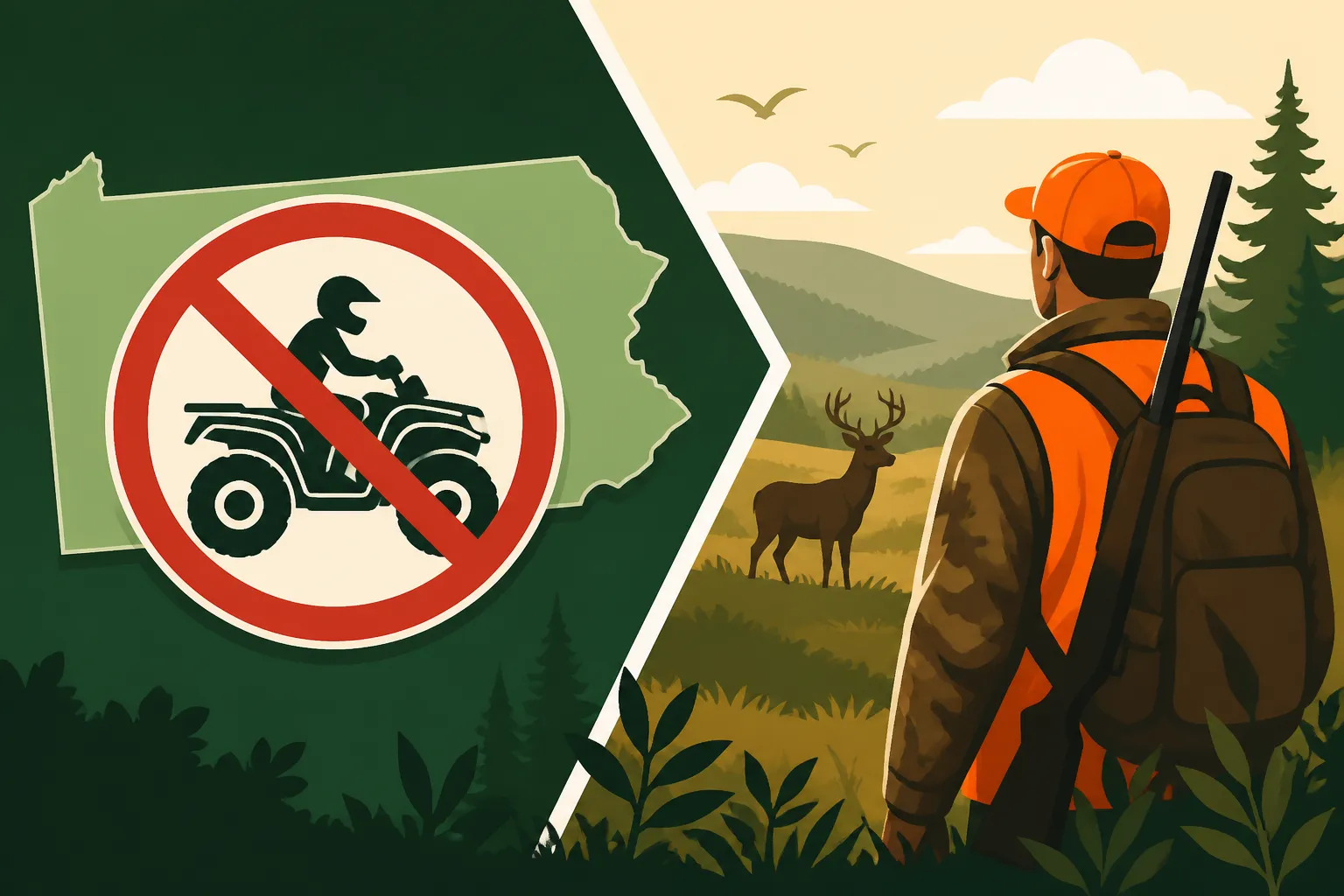
The overarching rule of thumb in Pennsylvania is that ATV use on public land is generally prohibited unless specifically designated and marked for such use. This is a critical distinction that many folks misunderstand, often leading to accidental trespass or violations. You can't just assume a dirt road or old logging path is open to ATVs just because it's not explicitly blocked off. Public lands, whether they are State Game Lands, State Forests, or even some State Parks, operate under this principle.
This general prohibition exists to prevent habitat destruction, minimize noise disturbance to wildlife and other users (like hikers and hunters), and maintain the integrity of our wild spaces. Think about it: a rogue ATV tearing up a wet trail can cause erosion that takes years to repair, impacting water quality and sensitive plant life. The exceptions to this rule are the designated ATV trails, which are carefully managed and often require specific permits. These trails are generally built or maintained to withstand the impact of ATV traffic and are placed in areas where their presence will have the least negative environmental effect. If you're not on a clearly marked, designated trail, assume you shouldn't be there.
Understanding Designated Trails and Permitting
When the rules say "designated and marked," they mean it quite literally. Designated ATV trails in Pennsylvania are usually clearly signed, often with specific trail markers, maps at trailheads, and clearly defined boundaries. These aren't hidden gems you stumble upon; they are official, intentional routes. The Pennsylvania Department of Conservation and Natural Resources (DCNR) manages the vast majority of the state's public ATV trails, primarily within State Forests. These trails are often part of larger, interconnected systems designed for various types of off-highway vehicle (OHV) use.
To ride these designated trails, you absolutely need to make sure your ATV is registered with the state, insured, and that you have any required permits. Pennsylvania requires all ATVs operating on public land or lands acquired with public funds (including designated private trail systems) to be registered with the DCNR. There are different types of registration – a "restricted" registration for those operating solely on private land and an "unrestricted" registration for those using public trails. Most people aiming for public land access will need the unrestricted registration. This registration fee goes directly back into maintaining and expanding the trail systems, so it’s an investment in your own recreation. Always check the DCNR website for the most current information on registration and any specific permits required for certain trail systems. Using the Pennsylvania Mapping Center can also be a huge help in identifying these legal trails.
Specific Rules for Different Public Land Types
Pennsylvania boasts a diverse array of public lands, each with its own management goals and, consequently, its own set of rules regarding ATV use. What's permissible on State Forest land might be strictly forbidden on State Game Lands, and vice-versa. It’s not enough to know it's "public land"; you need to know which kind of public land. This distinction is critical to staying on the right side of the law and respecting the various uses these lands serve.
State Game Lands: What You Need to Know
Pennsylvania's State Game Lands (SGLs) are managed by the Pennsylvania Game Commission (PGC) primarily for wildlife habitat and public hunting, trapping, and fishing. Their core mission is wildlife management, and motorized vehicle use, particularly ATVs, is tightly restricted to minimize disturbance to game and habitat. The general rule on SGLs is very clear: ATVs are not permitted for general recreational riding.
There are extremely limited exceptions, and these are usually for specific administrative purposes (like PGC staff doing habitat work) or for hunters with disabilities who have obtained a special permit. Even then, such use is restricted to designated administrative roads, not trails, and only during specific periods. For the vast majority of hunters and outdoor enthusiasts, using an ATV on State Game Lands is simply not an option. You might see administrative roads marked on maps, but these are generally for PGC use only, not public ATV access. It's easy to get confused if you see a gravel road, but if it's on SGL property, assume no ATV access for general public use. Make sure you're familiar with the broader Pennsylvania State Game Lands Rules to avoid any issues.
For hunters, this often means lacing up your boots and preparing for a hike, or using a deer cart on designated routes if permissible. The PGC's focus on maintaining quiet, undisturbed habitat means that motorized vehicles are seen as a detriment to the primary mission of these lands.
State Forests: A Different Set of Guidelines
State Forests, managed by the DCNR Bureau of Forestry, offer a much different landscape for ATV enthusiasts. While not every road or trail is open to ATVs, State Forests are where you'll find the bulk of Pennsylvania's designated public ATV trail systems. These areas are managed for multiple uses, including timber production, recreation, and watershed protection, which allows for more varied recreational opportunities.
The key here is "designated routes." You cannot simply drive your ATV on any State Forest road or trail. You must stick to those clearly signed and marked as part of the DCNR ATV trail system. These trails are often open seasonally, typically from May to late September/early October, and sometimes for a winter season if conditions allow. Always check the DCNR website or contact the specific State Forest district office for current trail conditions, opening and closing dates, and any temporary closures due to weather or maintenance. Maps of these designated trails are usually available online and at district offices. Motor Vehicle Maps for State Forests are incredibly important resources for planning your trip.
It's also important to note that while ATVs are allowed on designated trails, other types of vehicles might not be. For instance, sometimes "joint use" roads might allow registered dirt bikes and ATVs, but often, the more rugged ATV trails are exclusive to OHVs. Always be on the lookout for signage indicating specific vehicle types allowed.
Allegheny National Forest and Other Federal Lands
The Allegheny National Forest (ANF) is unique in Pennsylvania, as it's federally managed by the U.S. Forest Service. Like State Forests, the ANF does offer some designated ATV trails, but their rules and systems might differ slightly from state-managed lands. The ANF also operates on a "designated routes only" principle. This means you need to consult ANF-specific maps and regulations to identify legal riding areas.
The ANF generally has a few main trail systems, like the Marienville, Timberline, and Rocky Gap trails, which are popular for ATV and dirt bike riding. These trails typically have seasonal openings and closures, similar to State Forests. You'll need to check the ANF website or local ranger district offices for current conditions and specific rules. Often, these federal lands may also require a specific user fee or pass in addition to state registration for your ATV. This fee helps fund the maintenance of the federal trail systems.
Remember, even on federal lands, cross-country travel is almost universally prohibited. Stick to the marked trails. When you're in the ANF, you're often in prime hunting and fishing territory, so being mindful of other users and minimizing your impact is paramount. Exploring the ANF offers fantastic opportunities, and understanding Allegheny National Forest Hunting and other regulations ensures a smooth trip. Always respect wildlife and other recreationalists, as the ANF is a shared resource for many different activities.
Practical Considerations and Safety
Beyond the legalities, there's a huge practical and safety component to ATV riding on public lands. Pennsylvania's terrain can be challenging, and conditions can change rapidly. Being prepared and prioritizing safety isn't just about avoiding a ticket; it's about coming home in one piece and ensuring future access for everyone.
Equipment Requirements and Safety Gear
Pennsylvania has specific requirements for ATV operators and their machines. First off, your ATV must be equipped with working headlights, tail lights, and a muffler in good condition. The noise levels are regulated, so a loud aftermarket exhaust could get you into trouble. Spark arrestors are also typically required on public land to prevent wildfires. Regular maintenance of your ATV is also a safety concern – brakes, tires, and steering should all be in top working order.
For personal safety, a helmet is legally required for anyone under 16 years of age operating or riding an ATV in Pennsylvania. However, it's strongly recommended for all riders, regardless of age. Beyond helmets, sturdy boots, gloves, and eye protection are essential. Long pants and a long-sleeved shirt will protect you from scrapes and branches. It's not about looking fashionable; it's about minimizing injury when, not if, you take a tumble.
A small first-aid kit, a tool kit with basic repair items, a tire repair kit, and a whistle are also smart additions to your gear. Cell service can be spotty in many of Pennsylvania's more remote public lands, so don't rely solely on your phone for navigation or emergencies. Carrying a physical map or a GPS unit with pre-loaded maps is a lifesaver.
Planning Your Ride and Staying Legal
Preparation is key to a safe and legal ATV ride. Before you even load your ATV onto a trailer, you need to know exactly where you're going and what the rules are for that specific area.
- Check Trail Status: Always verify the status of the trails you plan to ride. State Forest Road Closures in Season can happen unexpectedly due to weather, logging operations, or maintenance. The DCNR website is your best friend here.
- Obtain Necessary Permits: Ensure your ATV is properly registered and that you have any required permits. Carry proof of registration and insurance with you.
- Map Your Route: Don't just show up and expect to figure it out. Use official DCNR or ANF maps. Digital mapping apps like onX Hunt can be incredibly useful here, often showing public land boundaries and even designated trails. GoHunt also offers robust mapping features that can highlight these designated areas, helping you avoid accidental trespass. These apps are a fantastic modern complement to traditional paper maps.
- Weather Check: Pennsylvania weather is famously unpredictable. A beautiful morning can turn into a torrential downpour, making trails muddy and dangerous. Plan accordingly.
- Tell Someone Your Plan: Always let someone know where you're going and when you expect to return. In case of an emergency, this information can be vital for search and rescue efforts.
Adhering to trail etiquette is also crucial. Stay on marked trails, yield to other trail users (especially hikers and equestrians), and never disturb wildlife. Pack out everything you pack in, and leave no trace.
Consequences of Violating ATV Rules
Ignoring Pennsylvania's ATV regulations on public land can lead to a host of unpleasant consequences, far beyond a mere slap on the wrist. Enforcement officers, including Pennsylvania State Police, DCNR Rangers, and State Game Wardens, regularly patrol these areas.
Violations can range from fines for unregistered vehicles or operating off-trail, to more severe penalties for reckless operation or property damage. Fines can be substantial, often hundreds of dollars, and repeated offenses can lead to suspension of riding privileges. In cases of significant environmental damage, you could be held liable for restitution costs, which can quickly add up to thousands of dollars for trail restoration. Furthermore, operating an ATV without proper registration and insurance could lead to impoundment of your vehicle.
Beyond the legal repercussions, unauthorized ATV use negatively impacts public perception and can lead to increased restrictions for all users. Every time someone goes off-trail or causes damage, it makes it harder for responsible ATV riders to advocate for and maintain access to public lands.
Resources for Finding Legal Riding Areas
The good news is that with a bit of research and the right tools, finding legal and enjoyable ATV riding areas in Pennsylvania is entirely manageable. The key is knowing where to look and trusting official sources. Don't rely on hearsay or outdated information; direct consultation of official resources will save you headaches.
Official PGC and DCNR Resources
Your first and most reliable stop should always be the official websites of the Pennsylvania Game Commission (PGC) and the Department of Conservation and Natural Resources (DCNR).
- DCNR Website: The DCNR is the primary source for ATV trail information in Pennsylvania's State Forests. Their website has dedicated sections for ATV and OHV recreation, including maps, trail conditions, registration forms, and details on seasonal closures. They often have downloadable PDF maps of entire trail systems, which are invaluable for planning. This is where you'll find the most up-to-date information on designated riding areas and any specific permit requirements.
- PGC Website: While the PGC primarily manages State Game Lands where ATV use is generally prohibited for recreational riding, their website provides important information about Vehicle Rules on Pennsylvania Game Lands and any very limited exceptions for administrative or disabled hunter access. It's crucial to understand their stance to avoid accidental trespass.
- District Offices: Don't underestimate the value of contacting a local State Forest District Office or State Park Office. The staff there often have the most current, hyper-local information on trail conditions, closures, and any unique rules for their specific area. A quick phone call can clear up a lot of confusion.
Mapping Tools for ATV Trails
In today's digital age, mapping tools have become indispensable for navigating public lands. They offer real-time location tracking and often integrate public land boundaries, making it easier than ever to stay on legal ground.
- Pennsylvania Mapping Center: The official Using the Pennsylvania Mapping Center is a fantastic free resource. It allows you to view various layers of public land, including State Forests, State Game Lands, and even some designated trail systems. While it might not always show every single ATV trail, it's excellent for understanding land ownership and general access.
- Commercial Mapping Apps (onX Hunt, GoHunt): These apps are incredibly powerful. Platforms like onX Hunt and GoHunt allow you to overlay private and public land boundaries, often showing designated trails, forest roads, and other features that are critical for ATV riders. They usually offer satellite imagery, topo maps, and the ability to save offline maps, which is vital in areas without cell service. While these apps come with a subscription, many users find the peace of mind and detailed information well worth the investment, especially when navigating complex public land regulations. They can help you identify exactly where you can legally ride and where you absolutely cannot, preventing costly mistakes.
Remember, technology is a tool, not a substitute for common sense and respecting the rules. Always double-check information with official sources and be prepared for changing conditions on the ground.
Comparative Table of ATV Rules on PA Public Lands
| Public Land Type | General ATV Use Policy | Designated Trail Access | Registration/Permits | Key Considerations |
|---|---|---|---|---|
| State Game Lands (PGC) | Generally Prohibited for recreational use. | Extremely Limited/None | Special permits for disabled hunters (very restricted). | Primarily for wildlife, hunting, fishing. Highly sensitive to disturbance. |
| State Forests (DCNR) | Permitted only on designated and marked trails. | Extensive trail networks. | PA DCNR ATV registration (unrestricted), potential user fees. | Multi-use lands. Trails often open seasonally. Check DCNR for status. |
| Allegheny National Forest (USFS) | Permitted only on designated and marked trails. | Designated trail systems. | PA DCNR ATV registration, potential ANF user fees/passes. | Federally managed. Check ANF website for specific trail rules & fees. |
| State Parks (DCNR) | Generally Prohibited for recreational use. | Very Limited (if any). | Specific permits for certain administrative uses only. | Focus on passive recreation, camping, historical preservation. |
Disclaimer
This article is for general informational purposes only and does not constitute professional advice. Laws, prices and regulations vary by location and change over time. Consult a qualified professional for guidance on your specific situation.