Pennsylvania State Forest Acres by District
Navigating Pennsylvania's vast public lands can feel overwhelming, especially when you're trying to pinpoint the best spots for your next hunt. It's not just about knowing there's public land; it's about understanding how it's managed and broken down, which can make all the difference in your planning. This guide will help you understand the structure of Pennsylvania's State Forests by district, giving you a clearer picture of these incredible resources and how to approach them for successful hunting.
Understanding Pennsylvania's State Forests: Your Green Sanctuary
Pennsylvania is blessed with an incredible amount of public land, and a significant portion of that comes in the form of our State Forests. These aren't just patches of woods; they are vast, managed ecosystems that provide crucial habitat for a wide array of game species and offer unparalleled opportunities for hunters. Unlike State Game Lands, which are primarily managed for game and hunting access, State Forests have a broader mandate, including timber production, recreation, and watershed protection. This multi-use approach means you'll find different kinds of access and terrain, sometimes requiring a slightly different hunting strategy.
For many hunters, the sheer scale of the State Forests is their biggest draw. We're talking about huge tracts of contiguous timber, often with minimal roads and plenty of deep, remote country where you can truly escape the crowds. This is where those hard-earned scouting miles really pay off, allowing you to find pockets of unpressured game. Knowing how these forests are divided into administrative districts helps you narrow down your focus and understand local management practices, which can influence everything from timber rotations that create new browse for deer to the types of roads that are open for vehicle access. It's all about breaking down the overwhelming into manageable chunks.
The Role of State Forests in Pennsylvania Hunting
State Forests are absolutely vital to Pennsylvania's hunting heritage. They represent millions of acres of prime hunting ground, often in the more rugged, mountainous regions of the state. While game densities might not be as high as in some farm country areas, the opportunity for a true wilderness experience and the chance at a mature, elusive animal is what draws many of us to these big woods. You'll find everything from whitetail deer and black bear to wild turkeys and ruffed grouse calling these forests home. Understanding the distinct characteristics of each forest district can help you predict game movement, identify prime habitat, and plan your approach more effectively.
These forests also offer diverse terrain, from gentle slopes to steep, challenging mountainsides, dense hemlock bottoms, and sprawling oak ridges. This variety demands adaptability from hunters. One district might be known for its vast, mature timber, requiring patient still-hunting tactics, while another might feature extensive areas of younger regeneration from past timber harvests, perfect for finding deer browse. For those willing to put in the effort, State Forests offer some of the most rewarding and authentic hunting experiences Pennsylvania has to offer. They truly are the backbone of Hunting Pennsylvania's Big Woods for Deer.
Navigating State Forest Regulations and Access
Before heading out, it’s always a good idea to familiarize yourself with the specific regulations of State Forests, which can sometimes differ from State Game Lands. Vehicle access, for instance, might be more restricted, with many roads gated or only open seasonally. Camping is often permitted, but usually with strict guidelines, especially regarding primitive sites. Pennsylvania State Forest Hunting Rules will give you a good starting point. Understanding these rules is not just about compliance; it's about respecting the land and ensuring sustainable hunting for everyone.
The Pennsylvania Department of Conservation and Natural Resources (DCNR) manages these lands and provides maps and information that are indispensable for planning. Tools like onX Hunt or GoHunt are incredibly valuable here, as they often include DCNR layers that clearly delineate forest boundaries, roads, and even topographic features. This digital information, combined with traditional paper maps, helps you pinpoint specific areas, understand the lay of the land, and identify potential access points or deep-woods sanctuaries that might hold game. There's nothing worse than driving hours only to find your intended access point is closed or a road you planned on using is impassable, so always check ahead.
A Deeper Dive Into Forest Districts: What Hunters Need to Know
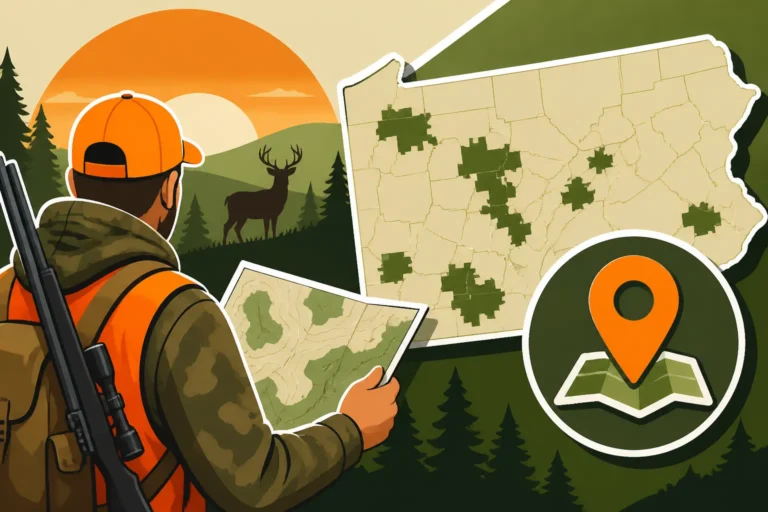
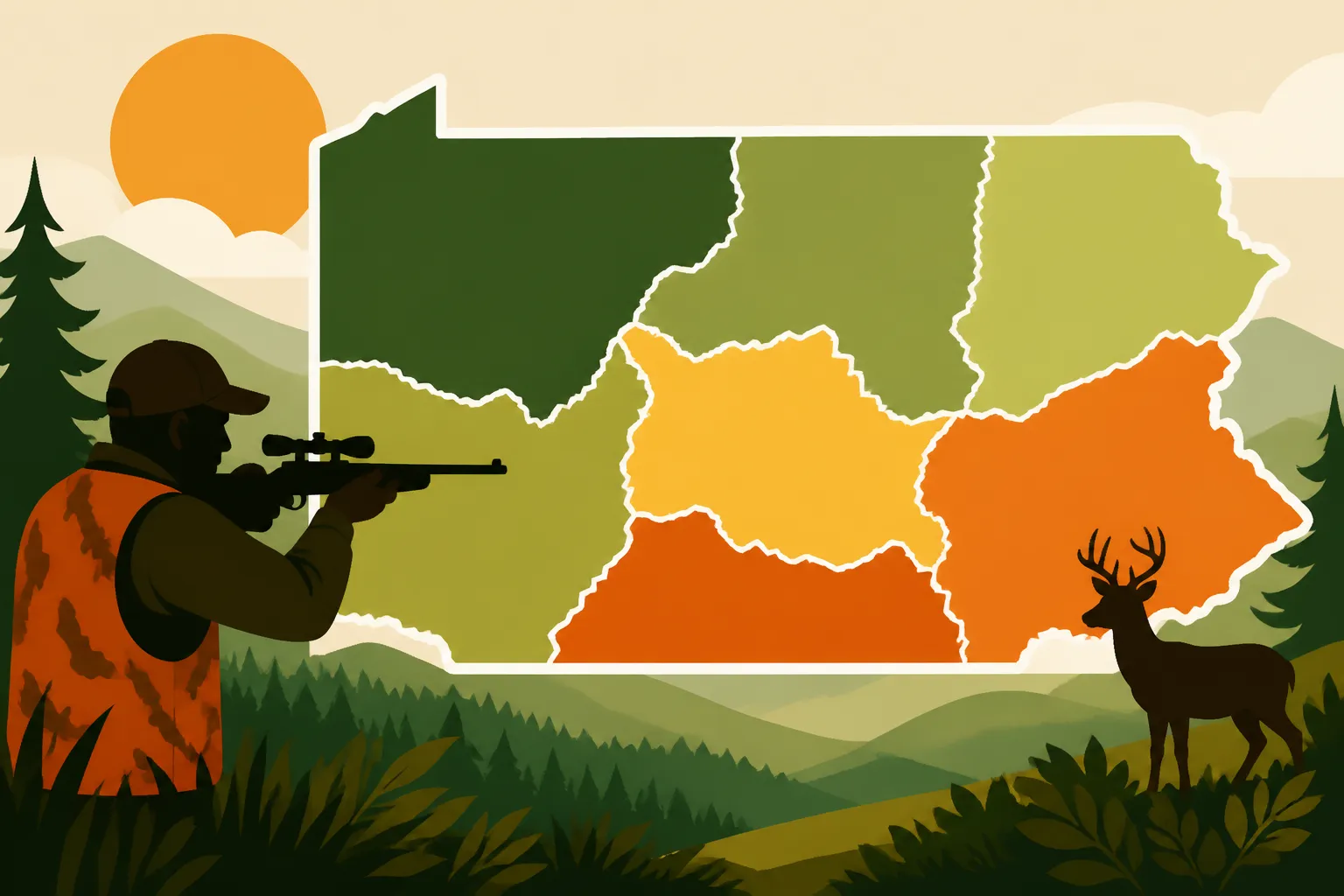
Pennsylvania's State Forests are administratively divided into 20 distinct forest districts. Each district is managed by a District Forester and their staff, who oversee the specific resources, timber programs, and recreational opportunities within their boundaries. While they all fall under the umbrella of State Forest lands, each district often has its own unique character, dominant timber types, topography, and even hunting pressure patterns. Knowing these districts is like understanding different neighborhoods of a big city – each one offers something a little different.
For a hunter, this district-by-district breakdown is crucial. It helps you understand what to expect when you arrive. For example, some districts might encompass vast areas of the "Pennsylvania Wilds," known for rugged mountains and low deer densities but a higher chance of encountering black bears or elk. Others might be closer to population centers, offering more accessible but potentially more pressured hunting. Your hunting strategy, gear choices, and even your expectations for the day should be informed by which district you're in. This level of detail empowers you to make smarter decisions before you even set foot in the woods.
Key State Forest Districts and Their Hunting Characteristics
While I can't list every single district with specific acreage, it's helpful to know that these districts vary significantly in size and ecological makeup. Generally, the northern and central tier districts, like those covering the Sproul and Susquehannock State Forests or the Tioga and Loyalsock State Forests, are known for their immense size and rugged, forested landscapes. These areas are classic "big woods" country, dominated by hardwoods like oak, maple, and cherry, with pockets of hemlock and pine. They often hold good populations of deer, bear, and turkey, but the sheer vastness means you'll be covering a lot of ground and focusing on traditional woodsmanship. Expect challenging terrain and fewer roads here.
Further south, districts like those containing the Rothrock and Bald Eagle State Forests or Michaux State Forest Hunting might still offer vast timber, but sometimes with more pronounced ridge-and-valley topography. These areas can be excellent for deer, as the varied terrain creates more edge habitat and thermal cover. The presence of specific mast crops, like acorns from oak stands, can be a major draw for game in these areas, making them prime spots for Hunting Oak Ridges and Benches. Each district has a management plan, and sometimes consulting these plans can give you insights into recent timber cuts or habitat improvements that might concentrate game.
| State Forest District Type | Typical Characteristics for Hunters | Dominant Game Opportunities |
|---|---|---|
| Northern Tier "Big Woods" | Very large, rugged, extensive mature hardwoods, fewer roads, remote feel. | Deer (lower density, larger age class), Bear (strong numbers), Turkey, Grouse. |
| Central Mountain "Ridge & Valley" | Large, steep topography, mixed hardwoods/conifers, diverse habitat, more varied access. | Deer (medium density, good age class), Bear, Turkey, sometimes Elk (in specific zones). |
| Southern/Eastern Mountain | Moderate to large, closer to population centers, varied habitat, potentially higher pressure, but good access. | Deer (moderate to high density), Turkey, occasional Bear. |
Access and Challenges in Different Districts
Access is a huge consideration, and it varies greatly between districts. Some of the more remote northern districts, by design, have very limited paved road access, forcing hunters to walk in further or rely on older logging roads that may be gated. This can be a frustration but also an opportunity: less accessible areas often mean less hunting pressure. On the other hand, some districts might have a more extensive network of forest roads, which, while offering easier access, might also concentrate hunters, especially on opening days. Being able to read a topographic map and identify potential deep-woods access points or remote benches is critical. This is where a good mapping app like onX Hunt or GoHunt can be invaluable for identifying subtle terrain features and property boundaries.
Another challenge can be navigating the terrain itself. Some districts are notoriously steep, with dramatic elevation changes that can make a day's hunt feel like a marathon. Others might have extensive laurel thickets or impenetrable clearcuts that are tough to move through but can hold mature bucks. Knowing the general character of the district you're heading into allows you to pack appropriately, from rugged boots to adequate hydration, and helps you set realistic expectations for your physical exertion. Remember, the deeper you go, the more you’ll need to consider how you'll Getting a Deer Out of a Pennsylvania Hollow.
Maximizing Your Hunt in State Forest Lands
Hunting in Pennsylvania's State Forests is a truly rewarding experience, but it often requires a strategic approach. It's not enough to just drive to the closest gate and start walking. To truly maximize your chances, you need to think like a woodsman, leverage available resources, and be prepared for the unique challenges and opportunities these vast public lands present. Being systematic in your approach, from pre-season scouting to in-season tactics, will set you apart from those who just wander aimlessly.
One of the biggest advantages of State Forests is the sheer amount of ground you can cover without encountering private land boundaries. This means you can often commit to longer, more ambitious still-hunting routes or expansive scouting missions. However, it also means that game can be widely dispersed, especially in low-density areas. Therefore, understanding food sources, bedding areas, and travel corridors becomes even more paramount. Scouting Pennsylvania Public Land Before Season is not just a suggestion; it's practically a requirement for consistent success in these big woods.
Leveraging Maps and Digital Tools
In today's hunting world, digital mapping tools are indispensable, especially for vast State Forest lands. Services like onX Hunt and GoHunt provide detailed satellite imagery, topographic maps, and land ownership layers that are absolute game-changers. You can identify potential bedding areas on south-facing slopes, pinpoint hidden benches, and mark old logging roads or clearcut edges that might concentrate deer activity. The ability to drop waypoints, measure distances, and track your movement in real-time can mean the difference between getting lost and finding your way to a secluded honey hole.
Beyond just navigation, these tools allow for extensive pre-season scouting from your couch. You can spend hours pouring over aerial photos, identifying potential bottlenecks, saddles, or creek bottoms that might serve as natural travel corridors. When you do hit the ground, you'll have a much better idea of where to focus your efforts. Don't forget to download offline maps, as cell service can be spotty, if not entirely absent, in many remote State Forest areas. Reading Aerial Photos for Big Woods Deer can save you countless hours of unproductive walking.
Strategic Scouting and Hunt Planning
Scouting in State Forests often looks different than in farm country. Instead of focusing on small fields or precise scrape lines, you're often looking for broader patterns of use: extensive areas of browse, old rubs indicating a buck's travel route through a drainage, or clusters of tracks around a mast crop. Focus on finding areas of diversity—where different timber types meet, where flat benches transition into steep slopes, or where a thick clearcut offers refuge next to more open timber. These "edges" are often where game spends its time.
Consider the time of year and available food sources. In early archery season, soft mast and acorns might be key. Later in the season, after a fresh snow, look for areas with remaining hard mast or thick thermal cover where deer will be bedded. Late-Season Food Sources for Whitetails are often found in very specific areas, and knowing your district's tree composition will help you predict these. When you find sign, don't just hunt it—think about why the animal was there and where it's going next. This thoughtful approach, combined with the comprehensive knowledge of State Forest districts, is what turns an average hunter into a consistently successful one on Pennsylvania's public lands.
Disclaimer
This article is for general informational purposes only and does not constitute professional advice. Laws, prices and regulations vary by location and change over time. Consult a qualified professional for guidance on your specific situation.