Hickory Creek Wilderness Hunting
Hunting the Hickory Creek Wilderness Area in Pennsylvania isn't your average stroll in the woods; it’s a demanding experience that tests your skills, resilience, and preparedness. Many hunters dream of escaping the crowds and finding truly wild game, but the reality of remote wilderness hunting comes with unique challenges, from difficult terrain to navigation complexities and the sheer physical effort involved. This comprehensive guide will walk you through everything you need to know to plan and execute a successful, safe, and respectful hunt in one of Pennsylvania's most rugged and rewarding wild places.
Understanding the Hickory Creek Wilderness Area
The Hickory Creek Wilderness Area, nestled within the sprawling Allegheny National Forest, offers a taste of true wildland hunting that’s increasingly rare in our state. It's not just a big block of woods; it's a designated wilderness area, which means certain rules and expectations come along with its raw beauty. Understanding these distinctions is crucial for anyone planning to hunt there.
What Makes Hickory Creek Unique
Imagine 8,663 acres where the hand of man is barely felt. That's Hickory Creek. Unlike many other public lands, there are no motorized vehicles allowed, no permanent structures, and very little in the way of maintained trails once you get off the main access points. This lack of development is precisely what draws hunters seeking solitude and a genuine backcountry experience. The terrain itself is classic Allegheny National Forest: steep, rugged hillsides, deep hollows, and dense stands of mature timber interspersed with hemlock thickets and regenerating clearcuts from past logging operations outside the wilderness boundary.
The streams run cold and clear, carving deep ravines, and the forest floor is often a mosaic of slippery moss, fallen leaves, and rocky outcrops. It’s a stark contrast to the farm country edges many of us are accustomed to hunting in central or southern Pennsylvania. Here, the deer and bear are wilder, more attuned to their surroundings, and often move through areas that would deter less determined hunters. This unique environment shapes how you must approach your hunt, from your gear choices to your mental preparation. It’s a place where you truly feel immersed in nature, and that’s a big part of its appeal, even if it means working harder for every opportunity.
Access Points and Boundaries
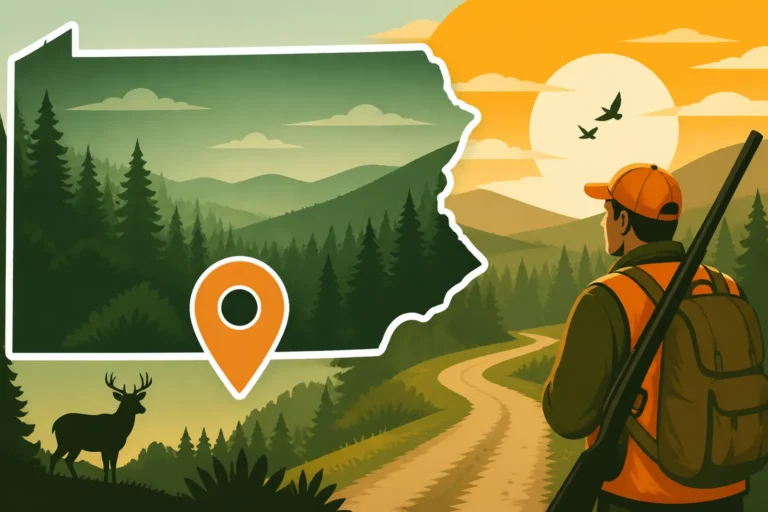
Accessing the Hickory Creek Wilderness Area typically involves parking at designated lots outside its boundaries and hiking in. The primary access points are often found along relatively quiet state roads or forest roads within the Allegheny National Forest. For example, some hunters will use parking areas off of State Route 3004 near Barnes or along forest roads further south. Knowing these entry points and mapping your intended route beforehand is absolutely critical. Once you step off the main path, the wilderness quickly swallows any semblance of easy navigation.
You'll quickly realize that getting a good map, either physical or digital, is your best friend. Services like onX Hunt are invaluable here, as they allow you to clearly see the wilderness boundary lines, topo contours, and potential access routes. Don't rely solely on cell service once you're inside, because it's spotty at best, and non-existent in most of the hollows. Always cross-reference your digital maps with a good old-fashioned paper map and compass. The boundaries themselves are often marked with signage or blazes, but these can be subtle or obscured by time and vegetation. Taking the time to understand the perimeter before you ever set foot inside will prevent accidental trespassing or, more importantly, getting turned around deep in the woods. Always plan your entry and exit points meticulously, considering the terrain you'll need to navigate, especially after dark or with a heavy load.
Wilderness Area Regulations for Hunters
Hunting in a designated wilderness area comes with a stricter set of rules than what you might encounter on typical State Game Lands or even other parts of the Allegheny National Forest. The overarching principle is to preserve the wilderness character, meaning minimal human impact. This translates to regulations you need to be acutely aware of:
- Motorized and Mechanized Travel: Absolutely no ATVs, dirt bikes, mountain bikes, or even game carts are permitted within the wilderness boundary. If you harvest an animal, you are packing it out on your back, piece by piece, or dragging it by hand. This is a significant consideration for your physical fitness and the gear you carry.
- Permanent Structures: You cannot erect permanent treestands or blinds. Anything you bring in must be removed the same day. This includes flagging tape for marking trails; if you use it, you must take it down.
- Camping: Primitive camping is generally allowed, but you must follow Leave No Trace principles, which we'll discuss more later. This means no digging trenches, no cutting live trees for firewood, and packing out all trash. Understand that camping rules can vary slightly within national forest wilderness areas, so always check the specific Allegheny National Forest regulations before you go. Camping Rules on Pennsylvania Public Land can give you a general idea, but wilderness rules are often more stringent.
- Firewood: While dead and downed wood can typically be used for campfires, remember the "leave no trace" ethos. Minimize your impact.
- Waste: All human waste and trash must be packed out or properly buried far from water sources and trails.
Failing to adhere to these rules can result in fines and the loss of hunting privileges. The spirit of wilderness hunting is about self-reliance and minimizing your footprint, so preparing to follow these guidelines isn't just about legality, it's about respecting the land.
Strategies for Hunting Deer and Bear in Hickory Creek
Hunting in the Hickory Creek Wilderness Area is a true test of a hunter's woodsman skills. It's not a place for road hunters or those who rely on high-traffic areas. Here, you're looking for wild, unpressured game, and that means adopting different strategies.
Big Woods Deer Tactics in Remote Terrain
Deer in Hickory Creek behave differently than those in agricultural areas or suburban fringes. They are often less tolerant of human presence and tend to hold tighter cover, especially once hunting season is underway. Your tactics need to reflect this wildness.
- Focus on Cover and Topography: Big woods deer often relate heavily to the topography. Look for subtle benches, ridge lines, and thick pockets of cover that offer security. Hemlock groves, dense laurel thickets, or areas of regenerating timber provide ideal bedding. Deer will often use these dense areas for daytime security, only moving out into more open timber during low-light hours. Understanding how deer use these features to their advantage, especially with prevailing winds and thermals, is key. Where Big Woods Bucks Bed can offer valuable insights.
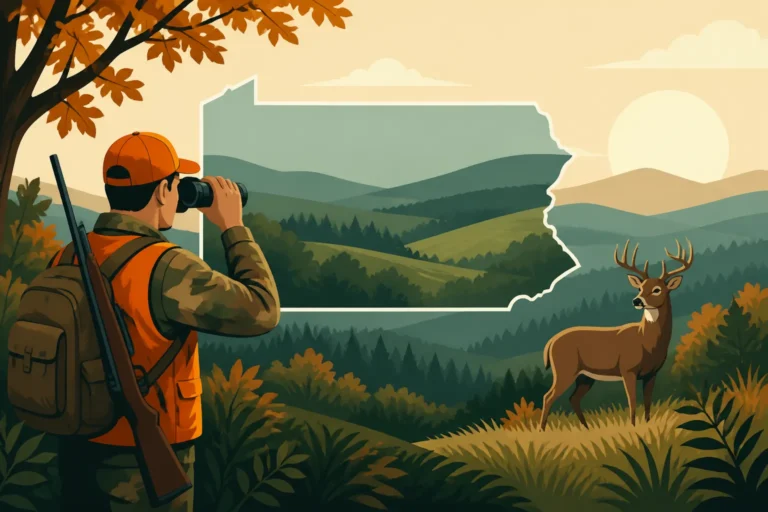
- Still-Hunting and Patient Observation: Aggressive still-hunting, moving slowly and deliberately, is often the most effective method here. Instead of rushing through the woods, take five steps, then stop and scan for five minutes, looking for horizontal lines in a vertical world. Use your binoculars constantly. Deer often stand motionless, blending perfectly with the shadows and trees. You might only see a flicker of an ear or the outline of a leg. Still-Hunting Pennsylvania Big Woods provides a good foundation for this technique. The vastness of Hickory Creek makes it difficult to predict deer movement, so patiently covering ground and observing your surroundings allows you to adapt to what the deer are doing on any given day.
- Understanding Food Sources: While acorns are a primary draw in many parts of Pennsylvania, they can be unpredictable. In the deep woods, deer might rely on a wider variety of browse, including ferns, woody stems, and leftover mast crops. During the rut, bucks will expand their range significantly. Scouting beforehand to identify current food sources, even if it's just fresh browse lines or droppings, can give you an edge. In the Hickory Creek Wilderness, you're looking for natural, widespread food sources rather than specific, small-scale plots.
Locating and Pursuing Black Bears
Hickory Creek is classic bear country. The rugged terrain, dense cover, and abundant mast crops make it prime habitat for Pennsylvania's largest land mammal. Pursuing bears here requires a blend of diligence and understanding their habits.
- Finding Bear Sign: Bears are creatures of habit and leave plenty of evidence. Look for overturned rocks and logs where they've been searching for grubs, fresh scat, claw marks on beech or oak trees (especially during a good mast year), and well-worn trails leading into thickets. Areas with dense undergrowth, like mountain laurel, are often prime bedding spots. Allegheny Forest Bear Country will tell you that the deep, remote valleys and ridges are where bears thrive, and Hickory Creek offers plenty of both.
- Hunting the Overlap: Often, hunters will encounter bears while deer hunting. The strategies overlap considerably, particularly when targeting areas with good mast crops. Bear movement can be tied to acorn availability, just like deer. Look for areas where different mast-producing trees converge – oaks, beeches, and even cherry trees – as these can be natural bear magnets.
- Persistence and Quiet Movement: Bears have an incredible sense of smell and hearing. Quiet movement is paramount. While still-hunting for deer, you might stumble upon a bear, but specifically targeting them means covering a lot of ground slowly and systematically, focusing on areas with fresh sign. The sheer size of the wilderness means that you might have to spend days traversing different drainages and ridges to locate a bear's preferred travel corridors or feeding areas.
The Importance of Scouting and Patience
Hunting successfully in Hickory Creek isn't just about showing up on opening day. It's about preparation and a deep understanding of the area, even before the season begins.
- Off-Season Scouting: This is where you gain your real advantage. Use the off-season to hike the area, learn the topography, find natural funnels, potential bedding areas, and water sources. Look for old rub lines or scrapes from previous seasons to identify historical buck activity. Pay attention to game trails and how they relate to the terrain. This can be challenging in a wilderness area without marked trails, but digital tools like GoHunt, which offer detailed topo maps and satellite imagery, can help you identify promising features from your couch, which you can then verify on the ground.
- Reading the Map: Spend hours with your topographical maps. Identify the steepest slopes, the gentler benches, and the saddles between ridges. These are all critical features that deer and bear will use for travel and security. Mark potential ambush points and escape routes. Reading Aerial Photos for Big Woods Deer is a skill that translates perfectly to this kind of environment.
- Patience is a Virtue: Unlike some areas where you might see multiple deer quickly, Hickory Creek demands patience. You might go hours or even a full day without seeing game. Don't get discouraged. The reward for your persistence could be an encounter with a truly mature, unpressured animal. The sheer solitude and wildness of the place are part of the prize, regardless of what you harvest. Embrace the quiet and the challenge.
Essential Gear and Preparedness for Wilderness Hunting
Stepping into the Hickory Creek Wilderness Area is not something you do on a whim. The remote nature of the terrain means you are largely on your own, and your gear choices and preparedness directly impact your safety and success.
Navigation and Communication Tools
In a place where cell service is a luxury, reliable navigation and communication are non-negotiable.
- GPS and Topo Maps: Your primary navigation tools should be a reliable handheld GPS unit and a physical, waterproof topographical map of the area. Learn how to use both before you go. Mark your vehicle, proposed camp spot, and any significant terrain features or points of interest. As mentioned, apps like onX Hunt are fantastic for planning and real-time navigation when you have signal, but always have a backup. GPS Units Versus Phone Apps discusses the pros and cons of each. Batteries die, phones break, and signals disappear. A compass and map are foolproof if you know how to use them.
- Personal Locator Beacon (PLB) or Satellite Messenger: This is not optional for true wilderness hunting. In an emergency, a PLB or satellite messenger like a Garmin inReach or Zoleo device can literally save your life. They allow you to send SOS signals and, in some cases, two-way messages even when outside of cell service. Having this ability to summon help when deep in the backcountry provides immense peace of mind.
- Two-Way Radios: If hunting with a partner or group, two-way radios can be useful for short-range communication, especially in broken terrain where line-of-sight is blocked. Just be aware of their limited range compared to satellite devices.
Packing for Self-Sufficiency
Every item in your pack should serve a purpose. You need to be prepared for unexpected weather, injuries, or an unplanned overnight stay.
- Shelter and Warmth: Even on a day hunt, always carry emergency shelter. A lightweight tarp, space blanket, or bivy sack can provide crucial protection from the elements if you get stranded. Layers of clothing are essential; wool or synthetics are far better than cotton, especially if wet. Clothing for a Pennsylvania December is a good read, even if you're hunting earlier in the fall, as weather can change quickly.
- First Aid Kit: A comprehensive first aid kit is critical. Include supplies for cuts, blisters, sprains, and any personal medications. Knowing basic first aid is just as important as having the supplies. First Aid Kits for Remote Big Woods outlines the essentials.
- Water and Food: Carry enough water for the day, plus a purification method (filter, tablets) for emergencies. Dehydrated or calorie-dense snacks are important to keep your energy up during strenuous climbs and long hours afield.
- Lighting: A headlamp with extra batteries is a must, even if you plan to be out before dark. Recovering an animal or navigating challenging terrain in the dark can take far longer than anticipated.
- Fire Starting: Waterproof matches, a lighter, or a ferro rod. The ability to make fire is a key survival skill.
Meat Care in Remote Settings
This is where wilderness hunting gets truly challenging. If you harvest an animal, you can't just drag it to your truck.
- Field Dressing and Quartering: Be proficient in field dressing and, critically, in quartering an animal in the field. This means breaking down the animal into manageable pieces that you can carry out. A sharp, durable knife and a bone saw (or knowledge of the gutless method) are essential. Field Dressing a Deer in Cold Weather can help, but add the consideration of backpacking out the meat.
- Game Bags: Lightweight, breathable game bags are vital. They protect the meat from dirt, flies, and debris while allowing it to cool. This is especially important during warmer early archery seasons.
- Pack Frame: A sturdy external frame pack or a hunting-specific pack with a meat shelf is indispensable for hauling out heavy quarters. The weight adds up quickly, and a poorly designed pack will make the arduous journey even worse. Packs and Drags for Steep Ground dives into this topic. Expect multiple trips if you harvest a large deer or a bear. This physical demand is often the biggest deterrent for hunters considering true wilderness areas.
Respecting the Wilderness and Ethical Hunting
Hunting in the Hickory Creek Wilderness Area isn't just about the harvest; it's about the experience and upholding the principles of ethical wilderness use.
Leave No Trace Principles
The seven Leave No Trace principles are your guide to minimizing impact in a wilderness setting.
- Plan Ahead and Prepare: Research the area, pack appropriately, and know the regulations.
- Travel and Camp on Durable Surfaces: Stick to existing trails where present, or spread out in durable areas. Avoid sensitive vegetation.
- Dispose of Waste Properly: Pack it in, pack it out – all trash, food scraps, and even human waste. Bury human waste in a 6-8 inch deep "cathole" at least 200 feet from water, camps, and trails.
- Leave What You Find: Don't remove artifacts, rocks, plants, or other natural objects.
- Minimize Campfire Impacts: Use established fire rings if available, or build small, low-impact fires. Burn all wood to ash, then scatter the cool ash. Better yet, use a stove.
- Respect Wildlife: Observe wildlife from a distance. Do not feed animals. Store food and garbage securely.
- Be Considerate of Other Visitors: Yield to other users on trails. Keep noise levels down. Preserve the solitude and quiet for others.
Adhering to these principles ensures that the wilderness remains wild for future generations of hunters and outdoor enthusiasts.
Sharing the Wilderness with Others
While hunting often evokes images of solitude, you might encounter other users in the Hickory Creek Wilderness. Hikers, backpackers, birdwatchers, or other hunters.
- Courtesy and Awareness: Be respectful of others' experiences. A friendly nod or brief greeting is usually sufficient. Remember that your presence impacts their solitude, just as theirs might impact yours. This means avoiding unnecessary noise, ensuring your camp is discreet, and always being aware of your surroundings.
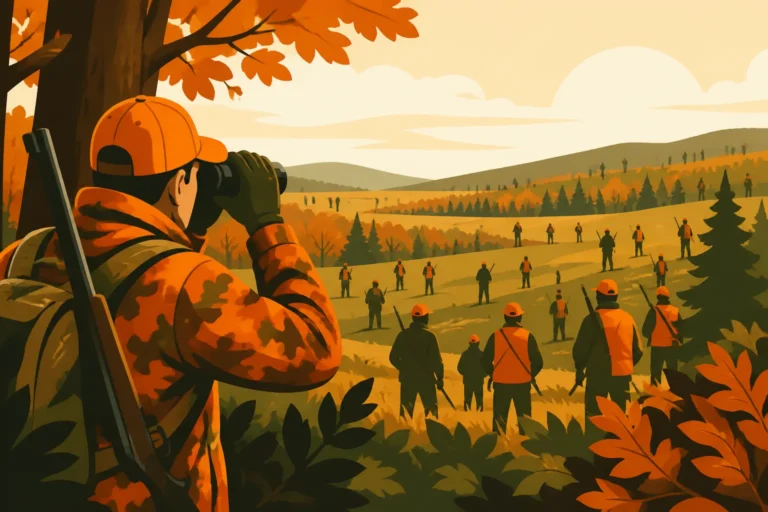
- Safety First: When moving through areas where non-hunters might be present, or even just other hunters, exercise extreme caution. Identify your target and what's beyond it with absolute certainty. Wear sufficient hunter orange, especially during firearms seasons, to make yourself visible. While not always required for archery, it's a smart idea to have some available, even if only for walking in and out.
- Educate, Don't Antagonize: If you encounter someone unaware of proper wilderness etiquette, a polite educational conversation is always better than confrontation. Most people want to do the right thing if they know what that is.
Safety Considerations in Remote Areas
The remoteness of Hickory Creek significantly amplifies any safety risks.
- Weather Changes: Mountain weather can be unpredictable and change rapidly. A sunny morning can turn into a cold, driving rain or even snow by afternoon. Be prepared for all conditions. Hypothermia is a real threat, even in milder temperatures if you get wet.
- Terrain Hazards: Steep slopes, slippery rocks, downed trees, and hidden obstacles are abundant. A twisted ankle or a fall in remote terrain can quickly become a serious emergency. Walk deliberately and wear appropriate footwear – Boots for Pennsylvania Mountains are a must.
- Getting Lost: This is the most common fear in large wilderness areas. Always know your location, back up your navigation, and resist the urge to push on if you feel disoriented. If truly lost, stay calm, use your emergency communication device if needed, and try to find a recognizable feature.
- Wild Animals: While bear and coyotes are present, encounters are rare and usually harmless if you give them space. Focus on safe food storage to avoid attracting bears to your camp.
- Emergency Plan: Always leave a detailed itinerary with someone responsible who knows where you're going, when you expect to return, and what to do if they don't hear from you. This is your most basic and fundamental safety net.
Hunting the Hickory Creek Wilderness Area is an unparalleled experience for those seeking a true challenge and connection to the wild. With proper planning, the right gear, and a deep respect for the land, you can create unforgettable hunting memories in this special corner of Pennsylvania.
Essential Wilderness Hunting Gear Checklist
| Category | Item | Notes |
|---|---|---|
| Navigation | Topographical Map | Waterproof, detailed map of the area |
| Compass | Learn how to use it with your map | |
| Handheld GPS Unit | Pre-loaded with waypoints, extra batteries | |
| Phone with GPS App (e.g., onX Hunt) | For backup, download offline maps | |
| PLB or Satellite Messenger | Essential for emergency communication | |
| Shelter/Warmth | Layered Clothing System (wool/synthetic) | Base, mid, outer layers for changing weather |
| Rain Gear | Waterproof jacket and pants | |
| Emergency Bivy/Tarp | Lightweight, compact emergency shelter | |
| Warm Hat/Gloves | Crucial even for mild temps if wet or windy | |
| First Aid | Comprehensive First Aid Kit | For cuts, blisters, sprains, personal medications |
| Whistle | For signaling | |
| Food/Water | Water Bottles/Bladder | At least 2-3 liters capacity |
| Water Filter/Purification Tablets | Backup for water resupply | |
| High-Energy Snacks/Meals | Compact, calorie-dense food | |
| Lighting | Headlamp | With extra batteries |
| Fire Starting | Waterproof Matches/Lighter | Plus fire starter (e.g., cotton balls with Vaseline) |
| Hunting Specific | Knife(s) | Fixed blade for field dressing, smaller utility knife |
| Bone Saw (optional) | For quartering large game | |
| Game Bags | For protecting meat after harvest | |
| Hunting Pack with Frame/Meat Shelf | For hauling out quarters | |
| Binoculars | Essential for scouting and identifying game | |
| Hunter Orange | Required during firearms seasons, recommended for visibility |
Disclaimer
This article is for general informational purposes only and does not constitute professional advice. Laws, prices and regulations vary by location and change over time. Consult a qualified professional for guidance on your specific situation.