Spring Gobbler Hunting in Pennsylvania
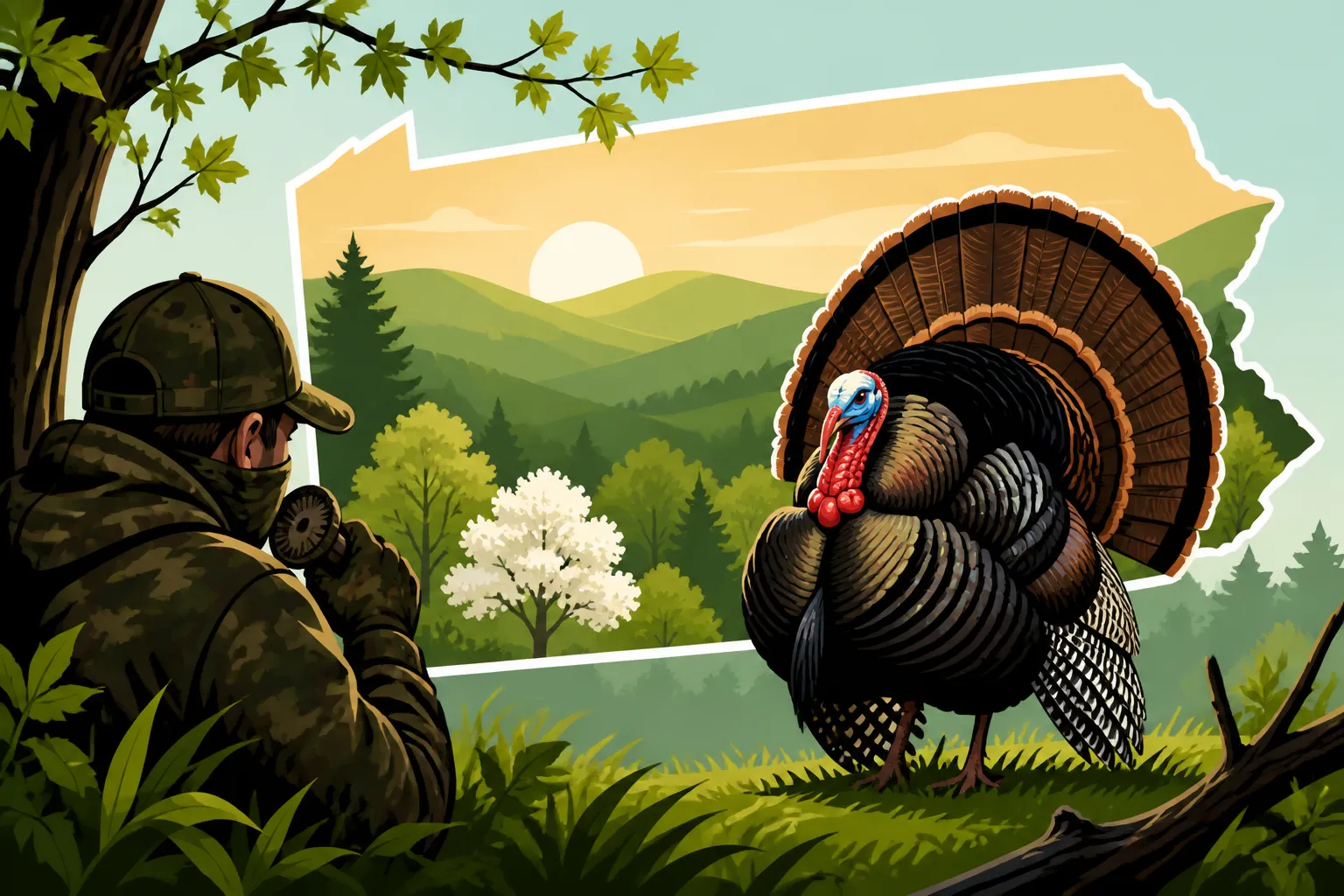
The Pennsylvania spring woods can be a truly magical place, but for many hunters, chasing a long-bearded gobbler feels like trying to catch smoke. You hear them thunder off the roost, get your hopes up, only to have them go silent or hang up just out of range, leaving you scratching your head. This comprehensive guide is here to unravel the mysteries of spring gobbler hunting in Pennsylvania, offering proven strategies, gear insights, and local knowledge to help you tag your bird this season.
Understanding Pennsylvania's Spring Gobbler Season
Spring gobbler season in Pennsylvania is an absolute highlight for many of us, a chance to shake off the winter blues and immerse ourselves in the rebirth of the woods. But before you even think about setting foot in the timber, you've got to be dialed into the rules and regulations. It's not just about knowing when to go, but how to ensure you're hunting legally and ethically.
Key Dates and Regulations
The Pennsylvania Game Commission (PGC) sets the framework each year, and it’s crucial to keep up with any changes. Typically, the general spring gobbler season kicks off in late April and runs through May, offering several weeks of prime hunting. There's usually a youth hunt weekend before the general opener, giving our mentored young hunters a fantastic, less-pressured opportunity. During the general season, hunting is generally permitted from half-hour before sunrise until noon for the first couple of weeks, then it often extends to half-hour before sunrise until half-hour after sunset for the remainder of the season. This mid-season shift in legal hunting hours can dramatically change your tactics, as it opens up the possibility of afternoon hunts when birds might be more callable after breaking from their morning routines. Always double-check the current year's digest or the PGC website for the precise dates and any specific WMU (Wildlife Management Unit) nuances.
It’s important to remember that these extended afternoon hours later in the season are a relatively recent change, a welcome one for many hunters who felt restricted by the noon cutoff. This means you can stick with a bird that was "hung up" in the morning, or even make a move on a gobbler you heard cutting in the afternoon. This flexibility demands a different kind of endurance and a willingness to stay in the woods longer, but it also increases your chances significantly. Think about how many times you’ve heard a bird gobbling at 11:45 AM, only to pack up and leave as the clock struck noon. Now, those situations can turn into prime hunting opportunities.
Licensing and Permits
Just like any other hunting season in Pennsylvania, you'll need the appropriate licenses. A valid general hunting license is the cornerstone. On top of that, you’ll need a special Wild Turkey License to hunt spring gobblers. This separate license ensures that the PGC can accurately track participation and manage turkey populations effectively. You can purchase these licenses online through the PGC's HuntFishPA portal, at a local issuing agent like a sporting goods store, or even directly at certain county treasurers' offices. Make sure your licenses are valid for the current year, as they typically run from July 1st to June 30th.
If you're bringing along a mentored youth, they'll need a Mentored Youth Permit, which is free but still requires registration. This allows them to participate under the direct supervision of a licensed adult mentor. For adults new to hunting, the Mentored Adult Permit program provides a similar opportunity to hunt under the guidance of an experienced hunter before completing hunter education. Always ensure you understand the specific requirements for Pennsylvania Hunter Education and Mentored Permits to avoid any compliance issues. It’s also wise to keep a physical copy of your license and turkey tag on your person while hunting, along with a valid form of identification.
Legal Shooting Hours and Bag Limits
The bag limit for spring gobblers is typically one bearded bird per hunter, and that's it for the spring season. This means once you tag your bird, your spring turkey hunting is done for the year. This single-bird limit emphasizes quality over quantity and is a key component of the PGC's turkey management strategy to maintain healthy populations. "Bearded bird" is the critical identifier here; hens typically do not have beards, though some can. It's the presence of a beard that makes a turkey legal to harvest in the spring season, regardless of whether it's a tom (male) or a jake (young male).
As mentioned, shooting hours generally start half-hour before sunrise. This means you need to be in your spot, set up, and ready to go before the first hint of light paints the eastern sky. Often, the most intense gobbling activity occurs right off the roost, as the birds begin to stir and announce their presence. The noon cutoff for the first few weeks means planning your hunts to maximize those morning hours. After that, the extended hours open up more strategic possibilities. If you're hunting during the extended hours, it’s still critical to be mindful of those final minutes of legal shooting time. A good watch and knowing your exact sunrise/sunset times for your location are essential. You can find this information in the PGC digest or through weather apps.
Scouting Before the Season Kicks Off
The old adage "you can't kill a turkey from the couch" is only half true. The real truth is, "you're far less likely to kill a turkey if you haven't scouted from the couch and the woods." Pre-season scouting is arguably the most critical step to a successful spring hunt. It's about intel gathering, understanding the birds' routines, and finding those key locations they frequent.
Locating Roost Trees and Strut Zones
Long before opening day, ideally weeks or even months out, you should be trying to locate potential roost trees. Turkeys typically roost in tall, mature trees with strong, horizontal limbs that offer good visibility and safety from predators. Ridgelines, points overlooking draws, or areas near water sources are classic roosting spots. Listen for gobblers at dawn and dusk. Drive rural roads or hike into public land well before the season. A gobble at first light or a fly-up cackle at last light tells you exactly where a bird is spending the night. This information is gold. You don't want to get too close and spook them, but knowing the general vicinity of a roost gives you a starting point for opening morning.
Once you know where they're roosting, you need to think about where they'll go once they hit the ground. Turkeys, especially gobblers looking for hens, love open areas to strut and display. These "strut zones" can be old logging roads, field edges, open timber ridges, or even small clearings within the woods. Look for tell-tale signs: tracks, droppings (gobbler droppings are typically J-shaped), and wingtip drag marks on the ground where a tom has strutted. Pine needles, soft dirt, or even damp leaves can reveal these signs. I've often used mapping tools like GoHunt to identify potential field edges, logging road networks, and open timber stands that scream "strut zone" from an aerial perspective. This initial "e-scouting" can save you a ton of legwork.
Reading Gobbler Sign on the Ground
Beyond strut zones, understanding what turkeys are doing on the ground is vital. Turkeys are constantly foraging, and their diet changes with the seasons. In spring, they're looking for tender greens, insects, and residual mast. Look for scratching in the leaves, especially in areas with oak or beech trees from the previous fall. The width of the scratch marks can even give you an idea of the size of the birds. Wider, more aggressive scratching often indicates larger birds. Feathers can also tell a story: body feathers from a strutting tom, or scattered feathers from a predator encounter.
Water sources are also crucial, especially as the weather warms. Turkeys need to drink, so areas around creeks, springs, or even puddles can be hotspots, particularly later in the day when dew has dried. Dusting bowls are another clear sign – these are shallow depressions in soft dirt or sand where turkeys roll around to clean their feathers and rid themselves of parasites. These spots indicate that birds are comfortable and regularly using the area. Taking notes on all these observations, whether on a physical map or a GPS app, creates a detailed picture of turkey movement patterns. Knowing where they've been tells you where they're likely to be again.
Using Technology for Effective Scouting
Modern technology has revolutionized scouting, and platforms like GoHunt are invaluable for pre-season prep. Before you ever step foot in the woods, you can use satellite imagery and topographical maps to identify potential roosting areas (high points, mature timber), strut zones (open ridges, field edges), and travel corridors (logging roads, creek bottoms). Look for changes in timber type, clearcuts, or natural openings that might attract turkeys. Pay attention to water features, elevation changes, and access points on public land.
Once you're in the field, GPS apps on your smartphone can mark sign, roost trees, strut zones, and even "listening posts" where you've heard gobblers. Recording this data year after year builds a personal turkey knowledge base that becomes incredibly powerful. You can also use weather apps to track historical weather patterns, which can influence turkey behavior. For example, knowing if a cold snap might push them into sunnier spots, or if heavy rain might keep them closer to dense cover. This fusion of old-school woodsmanship and new-school tech is a potent combination for success. For more detailed information, consider how you might apply tactics from Scouting Pennsylvania Public Land Before Season to your turkey hunting efforts.
Essential Gear for Pennsylvania Spring Turkeys
You don't need a truckload of expensive gadgets to kill a spring gobbler, but having the right tools for the job can significantly increase your chances and make your hunt more comfortable and enjoyable. It's about being prepared for whatever the Pennsylvania spring woods throw at you.
Shotguns, Chokes, and Ammo Choices
Your shotgun is your primary tool in spring turkey hunting. Most hunters opt for a 12-gauge, though 20-gauge shotguns have become increasingly popular, especially with modern tungsten super shot (TSS) loads. The key is to have a gun that patterns well with your chosen ammunition. A tighter choke, typically an extra-full or turkey-specific choke, is essential for a dense pattern that will deliver enough pellets to the turkey's head and neck for a clean, ethical kill. Many turkey hunters use aftermarket chokes specifically designed for TSS loads, like those from Carlson's or Indian Creek. You really can't overstate the importance of patterning your gun before the season.
When it comes to ammunition, lead shot is still widely used, with popular choices being Federal, Winchester, and Remington in sizes #4, #5, or #6. However, tungsten super shot (TSS) has revolutionized turkey hunting. TSS is much denser than lead, meaning smaller pellets carry more energy and deliver incredibly tight, devastating patterns at longer ranges. While more expensive, TSS loads allow hunters to use smaller gauges (like a 20-gauge or even .410) with great effectiveness, and they extend the ethical range of a 12-gauge. Regardless of your choice, spend time at the range, patterning your gun at 20, 30, and 40 yards. Knowing your shotgun's effective range is critical to making clean shots and avoiding missed opportunities or, worse, wounded birds. It's also worth researching Turkey Shotguns and Chokes for more in-depth advice on specific setups.
Calls, Decoys, and Blinds
Turkey calls are the voice you use to communicate with gobblers, and having a diverse selection is a smart move. Box calls and slate (or pot) calls are excellent for beginners, relatively easy to master, and produce a wide range of realistic sounds. Mouth diaphragms, while requiring more practice, offer hands-free calling, which is invaluable when a gobbler is close and you need to remain motionless. Don't forget locator calls like an owl hooter or a crow call to get shock-gobbles from roosted birds or birds that have gone silent. For more detail on effective communication, check out Turkey Calls Worth Carrying in Pennsylvania.
Decoys can be a game-changer, especially in open country or when hunting pressured birds. A single hen decoy or a jake/hen combination can often provide the visual stimulus a gobbler needs to commit those last few yards. Full-strut tom decoys can be very effective but can also attract other hunters, so use them with extreme caution and only where safe and visible. Portable ground blinds offer concealment, especially for new hunters or those hunting with youth, allowing for more movement. However, they limit visibility and can be cumbersome to move quickly. Most seasoned hunters prefer to use natural cover or specialized turkey vests with built-in seats and backrests for comfortable, mobile setups.
Apparel and Footwear for Spring Conditions
Spring weather in Pennsylvania is notoriously unpredictable. One morning can be frosty, the next rainy, and the afternoon warm and humid. Layering is key. Start with a moisture-wicking base layer, add an insulating mid-layer, and finish with a durable, quiet, and waterproof outer layer in camouflage. Brands like Sitka, First Lite, or even more budget-friendly options from Cabela's or Bass Pro Shops offer excellent turkey hunting apparel. Opt for breathable fabrics, as you'll likely be doing a fair amount of walking. Your camouflage pattern should match the open woods or greening undergrowth of spring.
Footwear needs to be comfortable, supportive, and waterproof. You'll be covering varied terrain, from muddy creek bottoms to rocky ridges. Quality waterproof boots from brands like Kenetrek, Schnee's, or even a good pair of rubber boots from Muck or Lacrosse will keep your feet dry and happy. Consider a comfortable pair of wool or synthetic socks to prevent blisters. Lastly, don't forget essential accessories: a comfortable Turkey Vests and Seat Choices for those long sits, gloves to conceal hand movement, a head net or face mask to hide your face, and a hat for sun protection and additional concealment. A small backpack with water, snacks, a first-aid kit, and your licenses is also crucial.
| Item | Key Feature | Why It's Important |
|---|---|---|
| 12-Gauge Shotgun | Reliable, good range | Standard for turkey hunting, ample power and pattern density. |
| Extra-Full Choke | Tight pellet pattern | Delivers dense shot grouping for clean head/neck shots. |
| TSS Ammunition | Dense, high energy pellets | Extends effective range, allows for smaller gauges. |
| Box or Slate Call | Easy to learn, versatile | Reproduces realistic turkey sounds, good for beginners. |
| Mouth Diaphragm Call | Hands-free calling | Allows for calling while keeping hands free to hold shotgun. |
| Hen Decoy | Visual stimulus | Draws gobblers closer, gives them something to focus on. |
| Camouflage Layers | Quiet, breathable, waterproof | Adapts to changing spring weather, provides concealment. |
| Waterproof Boots | Comfort, traction, dry feet | Essential for varied terrain and wet spring conditions. |
| Turkey Vest | Comfortable seat, organized | Provides comfortable sitting, keeps calls and gear accessible. |
| Headlamp | Hands-free light | For navigating in the dark before sunrise and after sunset. |
Proven Calling Tactics for Pennsylvania Gobblers
Calling is the art and science of spring turkey hunting. It's how you communicate, provoke, and ultimately, draw that gobbler into range. It takes practice, patience, and a keen understanding of turkey behavior.
Mastering the Basic Turkey Sounds
Before you can have a conversation, you need to learn the language. Focus on mastering a few core turkey sounds:
- The Yelp: This is the bread and butter. It's a series of two-note calls, typically "yow-awk, yow-awk." A plain yelp is a generic hen call, indicating her presence. It’s a good starting point for most calling sequences. Practice varying the pitch, cadence, and volume to make it sound natural.
- The Cluck: A short, sharp "cluck" is a soft, contented sound turkeys make. It often signals a hen moving closer or just browsing. It's excellent for soft calling when a gobbler is close, or to add realism to your yelps.
- The Purr: An even softer, rolling "prrr" sound, often indicating contentment or feeding. Best used when a gobbler is very close and you want to keep him calm and committed.
- The Cackle: A series of fast, excited yelps and clucks, usually made by a hen flying down from the roost. This can be a fantastic call to make right after fly-down in the morning, simulating a hen hitting the ground and announcing her presence to nearby gobblers.
Start with a box call or a slate call, as they are generally easier to learn. Spend time listening to real turkey sounds online or on hunting videos to get a feel for the rhythm and tone. The goal isn't perfect imitation, but realistic enough to convince a gobbler. Remember, confidence in your calling is more important than absolute perfection.
Situational Calling: Roost, Mid-Morning, and Afternoon
Your calling strategy needs to adapt throughout the day and based on the gobbler's response.
- Off the Roost (Early Morning): This is often the most exciting time. Get to your setup quietly and well before first light. Start with a locator call (owl hooter, crow call) to shock-gobble a bird on the limb. Once you locate him, subtle tree yelps or soft clucks can entice him. The goal is to make him believe a hen is nearby and ready to greet him when he flies down. Don't overcall. If he responds, let him fly down and look for you. The key is to sound enticing but not too eager. For more on this critical phase, read up on Calling a Pennsylvania Gobbler Off the Roost.
- Mid-Morning (Post-Flydown): After turkeys hit the ground, they'll often gather with hens. If a gobbler is "henned up," he might be tough to call away. This is when patience is paramount. Use a mix of yelps, clucks, and purrs, but space them out. Sometimes, playing hard-to-get works. Call aggressively to mimic an excited hen, then go silent. Make him come looking. If he stops gobbling, move slowly and try to reposition, always being mindful of the terrain and his last known location. This is where Run-and-Gun Turkey Tactics on Game Lands can really shine.
- Afternoon (Extended Season): Once noon hits (or whenever the legal hours extend), the game changes. Gobblers might be more receptive to calling, especially if they've been abandoned by hens or are just plain lonely. Locate a bird, then use aggressive cutts and yelps to try and fire him up. You might have to move more, trying different setups. Sometimes, imitating a group of hens can draw in a solitary gobbler. Think about what a gobbler would be looking for later in the day – companionship, food, security.
Decoy Strategies for Drawing Them In
Decoys add a visual element that can be irresistible to a love-struck gobbler.
- Single Hen Decoy: This is a versatile and often highly effective setup. Place a single feeding or breeding hen decoy about 15-20 yards from your position, giving you a clear shot when the gobbler approaches. The idea is to make him see "a hen" and come investigate.
- Jake and Hen Combination: Adding a jake decoy with a hen can be a powerful attractant, especially if there are dominant toms in the area. A gobbler seeing a smaller male with a hen often triggers an aggressive response; he wants to assert his dominance and steal the hen. Place the jake decoy facing you, positioned as if he's actively breeding or trying to, which can really infuriate a dominant tom.
- Full Strut Tom Decoy: These are highly effective for drawing in aggressive toms, but they come with a significant safety warning. A full-strut decoy can be mistaken for a real bird by other hunters, especially on public land. If you choose to use one, ensure your location is clearly visible and you are confident no other hunters are in the vicinity. Place it far enough from your position (25-30 yards) that if another hunter shoots at it, they are not shooting in your direction.
Always set up your decoys in a way that forces the gobbler to come into your shooting lane, ideally presenting a head-on or quartering-to shot, which can often lead to him fanning out and presenting his head and neck. In areas with high hunting pressure, sometimes going without decoys, relying solely on calling and concealment, is the best strategy.
Setting Up and Engaging Gobblers
The moment of truth in spring turkey hunting often boils down to your setup. You can call perfectly, but a poor setup can ruin the hunt. It's about combining stealth, strategic positioning, and understanding the bird's likely approach.
Safe and Effective Setup Locations
Choosing your setup location is paramount, especially when Setting Up Against a Big Oak. You want to maximize your concealment while maintaining a clear line of sight and shooting lane. Here's what to look for:
- Back Against a Wide Tree: This is non-negotiable for safety. Always set up with a tree wider than your shoulders behind you. This not only breaks up your outline but also protects you from another hunter approaching from behind.
- Concealment, Not Obstruction: You need enough cover to break up your outline – dense brush, low-hanging branches, or a subtle rise in the terrain – but not so much that it obstructs your view or your ability to swing your shotgun.
- Clear Shooting Lanes: Before you even sit down, mentally map out your shooting lanes in front of you. Clear any small branches or leaves that might deflect a shot. You want a clear path for those crucial 15-40 yards.
- Elevated Positions (But Not Too High): A slight rise or knoll can give you a better vantage point, but avoid skylining yourself on the top of a ridge. Turkeys have excellent eyesight.
Consider the sun's position. If possible, set up with the sun at your back, making it harder for the gobbler to see you. Also, think about the turkey's likely approach. They typically prefer to walk along contours, logging roads, or the path of least resistance. Anticipate this and place your decoys (if using them) accordingly, drawing the bird into your comfort zone.
Approaching Roosted Birds and Making the Move
Approaching a roosted gobbler in the dark requires extreme stealth. You want to get as close as possible without spooking him or any nearby hens. Use your GoHunt map or a detailed topo map to identify your approach route to your chosen setup tree. Walk slowly, deliberately, and silently. A headlamp with a red or green light setting can help navigate without spooking game as much as a bright white light. Avoid crunching leaves or snapping twigs.
Once you hear the first gobble, freeze and listen intently. Try to pinpoint his exact location. If you can, get within 100-150 yards of his roost tree, ideally on the same elevation or slightly below him. Turkeys are often reluctant to fly downhill to gobblers they hear, and they certainly don't like crossing open fields when they think a hen is calling from the other side. Once you're in your spot, get absolutely still and prepare to call. Don't make any aggressive moves until the bird has flown down. If he flies down and goes silent, you might have to make a careful, calculated move to get ahead of him or try to draw him back with soft calls.
Dealing with Hung-Up Toms and Pressured Birds
This is the classic frustration of spring turkey hunting: the "hung-up" tom. He's gobbling his head off, responding to your calls, but he just won't come into range. He's often looking for the hen (you) to come to him, or he's got real hens with him.
- Patience is Key: If he's hot, keep calling, but don't overdo it. Sometimes, going completely silent for 15-20 minutes after an intense calling sequence will make him curious enough to come investigate.
- Subtle Calling: When he's close but hung up, switch to very soft clucks and purrs. Make him think the hen is getting shy or starting to feed away from him.
- Aggressive Calling (Sometimes): In some cases, an aggressive series of cutts and yelps can challenge him, making him think another hen or tom is moving in on his territory.
- The "Reaper" Strategy: If you're on private land or a quiet public spot, and confident there are no other hunters, a "reaper" style fan decoy can sometimes pull a hung-up bird the last few yards. This involves slowly approaching the bird behind a strutting fan, mimicking a rival tom. This is a very advanced and highly risky tactic that demands extreme caution and only in specific, safe scenarios.
Pennsylvania's public lands, especially State Game Lands, can see a lot of pressure. Here, birds are often wary. They've heard every call in the book and seen every decoy setup.
- Go Against the Grain: While most hunters stick to accessible roads and trails, consider hiking deeper into remote areas. Hunting Turkeys in Pennsylvania Big Woods often means finding less pressured birds.
- Soft and Infrequent Calling: Over-calling is a common mistake with pressured birds. Use soft clucks and purrs, and space out your calling significantly. Make yourself sound like a lone, shy hen.
- Run-and-Gun Tactics: Instead of sitting for hours, move strategically. Call from a position, listen for a response, and if nothing, move to another promising spot. This can be effective on expansive public lands.
- Mid-Day Hunting: Later in the morning, after the initial flurry of activity and hunter pressure, birds can sometimes become more receptive. If the season hours permit, Hunting Gobblers After Noon in Pennsylvania can be a quiet and productive time.
- Natural Concealment: Ditch the blind and rely on natural cover. Turkeys on pressured land become experts at spotting anything out of place.
Hunting Public Versus Private Land
Pennsylvania offers a wealth of hunting opportunities on both public and private lands, each with its own advantages and challenges. Understanding these differences is key to planning a successful spring gobbler hunt.
Navigating Pennsylvania State Game Lands
Pennsylvania boasts an impressive network of State Game Lands (SGLs), totaling over 1.5 million acres spread across the state. These lands are open to public hunting and offer diverse habitats, from mature hardwoods to reclaimed strip mines and agricultural fields. While incredibly valuable, SGLs often experience significant hunting pressure, especially during the early weeks of spring gobbler season. This means you might hear more than just turkeys gobbling; you'll likely hear other hunters calling, and birds can quickly become call-shy or wary of decoys.
To be successful on SGLs, you need to think differently. One effective strategy is to hike deeper than most hunters are willing to go. Look for areas away from parking lots and main trails. Use mapping tools like GoHunt or the PGC's own interactive maps to identify remote pockets, overlooked ridges, or steep hollows that other hunters might avoid. These often hold less pressured birds. Another tactic is to hunt mid-week or later in the season when pressure tends to drop. Being adaptable is crucial: if your first spot is crowded, have a backup plan. Scouting these public lands beforehand is absolutely critical, as outlined in Scouting Pennsylvania Public Land Before Season, to understand terrain, identify potential roosts, and find travel corridors.
Securing Private Land Permission
Hunting private land often presents a different set of challenges and rewards. On the one hand, you're likely to encounter less hunting pressure, potentially leading to more responsive birds and a more relaxed hunting experience. Many Pennsylvania farms have excellent turkey habitat, especially those with mixed woodlots, fields, and food plots. On the other hand, securing permission can be the biggest hurdle. This often involves knocking on doors, introducing yourself, and respectfully asking for access. It’s a process that requires good manners, patience, and persistence.
When asking for permission, always be polite, clearly state your intentions, and offer to share some of your harvest if successful. Emphasize respect for their property, including closing gates, not driving on wet fields, and picking up any trash. Building a relationship with landowners is key; it's often a multi-year effort to gain and maintain access. Showing gratitude, perhaps with a small gift or by offering to help with chores, can go a long way. Some private landowners participate in the PGC's Hunter Access Program, which allows public hunting on enrolled private lands, so check those listings as well. Hunting a Standing Cornfield in Farm Country might provide insights for farmers who have such features.
Understanding Hunting Pressure Differences
The difference in hunting pressure between public and private land cannot be overstated.
- Public Land Pressure: On State Game Lands, especially those with easy access, birds learn quickly. They might gobble profusely on the roost but go silent once they hit the ground. They'll skirt decoys, hang up out of range, or simply disappear. This is where subtle calling, aggressive run-and-gun tactics like Run-and-Gun Turkey Tactics on Game Lands, and deep hikes into remote areas become essential. You'll need to be highly adaptable and willing to change your strategy on the fly.
- Private Land Benefits: On private property with limited pressure, birds are often more "naive." They might come charging into calls, be less wary of decoys, and follow more predictable patterns. This allows for more classic calling setups and often less strenuous hunts. However, even on private land, if the birds have been pressured in previous seasons or by neighboring properties, they can still exhibit wary behavior.
The choice between public and private land often comes down to personal preference, time commitment, and access. Many hunters enjoy the challenge of public land, while others prefer the solitude and potentially higher success rates of private land. Regardless of where you hunt, thorough scouting, ethical behavior, and respect for the land and other hunters are paramount. For those targeting more open spaces, Turkey Tactics for Farm Country Edges could offer valuable insights.
Safety and Ethics in the Spring Woods
Safety is paramount in any hunting pursuit, but especially during spring gobbler season when camouflage is king and hunters are often focused intensely on calls and movement. Ethical considerations are equally important, ensuring we respect the game, the land, and our fellow hunters.
Identifying Your Target and Backstop
This is the golden rule of turkey hunting safety: always be 100% positive of your target and what lies beyond it. Turkey hunting involves sitting motionless, often camouflaged, and calling to a bird. This means you could be mistaken for a turkey by another hunter. The PGC encourages hunters to wear blaze orange when moving to and from their setup, and while transporting a harvested bird, but not when calling or sitting. However, placing a small piece of blaze orange on a nearby tree, clearly visible from potential approach angles, can be a smart, cautious addition to your setup.
Before squeezing the trigger, identify the beard or the distinct head and neck of a gobbler. Never shoot at sound or movement in the brush. Never shoot at a turkey fanned out behind a bush if you can't see its head and neck. A turkey's head and neck are relatively small targets, and you need a clear shot for an ethical kill. Also, consider your backstop. Is there a safe backdrop like a hill or thick timber? Never shoot towards a skyline, or in the direction of roads, homes, or other hunters. A shotgun's pellets can travel further than you might think. Always assume other hunters are in the woods, even if you haven't seen or heard them.
Handling a Harvested Bird Responsibly
Once you've made a successful shot, approach your downed bird with extreme caution. A turkey can sometimes thrash wildly even after a fatal shot, so be ready to secure it. If you're carrying your bird out of the woods, it's a legal requirement and an ethical practice to ensure it's completely covered with blaze orange. This prevents it from being mistaken for a live bird by another hunter. Many hunters use an orange game bag or simply wrap their orange vest around the bird.
After ensuring the bird is dispatched, the next step is tagging and reporting. In Pennsylvania, you must immediately fill out your harvest tag and attach it to the bird's leg. This tag includes details like the date, WMU, and time of harvest. All harvested turkeys must be reported to the PGC within 24 hours. This can typically be done online through the HuntFishPA system or by phone. This data is critical for wildlife management, helping the PGC monitor turkey populations and set future seasons. Lastly, proper field dressing and meat care are essential, especially on warmer spring days, to ensure the meat is fit for consumption. If you're in the woods for a while, consider bringing a game bag to keep the bird clean.
Respecting Other Hunters and Landowners
The Pennsylvania woods are a shared resource, and respecting others is fundamental to a positive hunting experience.
- Public Land Courtesy: If you encounter another hunter on public land, give them space. Don't crowd their setup or try to call in a bird they are working. A simple wave and a respectful retreat are usually the best course of action. If you're approaching an area and hear calling, assume another hunter is there and back out quietly. Nobody likes their hunt disturbed.
- Private Land Etiquette: If you're fortunate enough to have private land access, always adhere strictly to any rules or requests from the landowner. Leave gates as you found them (open or closed), avoid unnecessary noise, and clean up any trash. Driving carefully on farm roads and being mindful of livestock or crops is also critical. A landowner's generosity is a privilege, not a right, and should be treated as such.
- Noise and Disturbance: Whether on public or private land, minimize unnecessary noise. Slamming truck doors, yelling, or loud conversations can easily spook game and disturb other hunters. Be mindful of where you park, ensuring you're not blocking access for others or for farm equipment.
- Ethical Practices: Beyond the law, ethical hunting means making clean kills, not taking risky shots, and always attempting to recover any wounded game. It means understanding and respecting the animal you are pursuing. It's about preserving the traditions and opportunities for future generations of hunters.
Spring gobbler hunting in Pennsylvania is a cherished tradition, a chance to connect with nature and experience the thrill of the hunt. By understanding the regulations, preparing adequately, and always prioritizing safety and ethics, you can contribute to a positive hunting culture and, hopefully, put a magnificent gobbler on the table.
Disclaimer
Please note that hunting regulations, seasons, and licensing requirements can change. Always consult the most current Pennsylvania Game Commission digest or website for the most accurate and up-to-date information before heading afield. This guide is for informational purposes only and does not supersede official regulations.