Ammunition Availability Before Opening Day
Oh, the dread of that last-minute realization: opening day is just around the corner, and your ammo stash is looking… thin. It’s a frustration many of us Pennsylvania hunters have faced, peering at empty shelves or clicking through "out of stock" messages online, feeling a knot tighten in our stomachs. This guide is here to walk you through why this happens, how to get ahead of the game, and what you can do if you find yourself in that all-too-common scramble right before the season kicks off.
The Annual Ammo Scramble: Why It Happens in Pennsylvania
Every year, like clockwork, it feels like ammunition vanishes from shelves just when we need it most. It's not just bad luck; there are several underlying factors that contribute to this frustrating phenomenon, particularly here in the hunting-rich landscapes of Pennsylvania.
The Supply Chain Rollercoaster
You know how it is – one minute everything is readily available, and the next, you can't find a single box of your preferred hunting load. This isn't unique to hunting ammo; it's a symptom of larger, more complex supply chain issues that can affect anything from groceries to car parts. Ammunition manufacturers operate on a delicate balance of raw material availability (think brass, lead, powder), labor, and machinery capacity. When any of these components experience a hiccup, the ripple effect is felt all the way down to your local sporting goods store.
National and even global events can throw a wrench into this system. Economic shifts, political uncertainties, and even major social events can cause surges in demand that manufacturing simply can't keep up with in the short term. We saw this vividly a few years back, and while things have stabilized somewhat, the memory of those empty shelves still makes many hunters stock up when they can. This creates cycles of demand that are hard for manufacturers to predict perfectly, leading to feast or famine at the retail level.
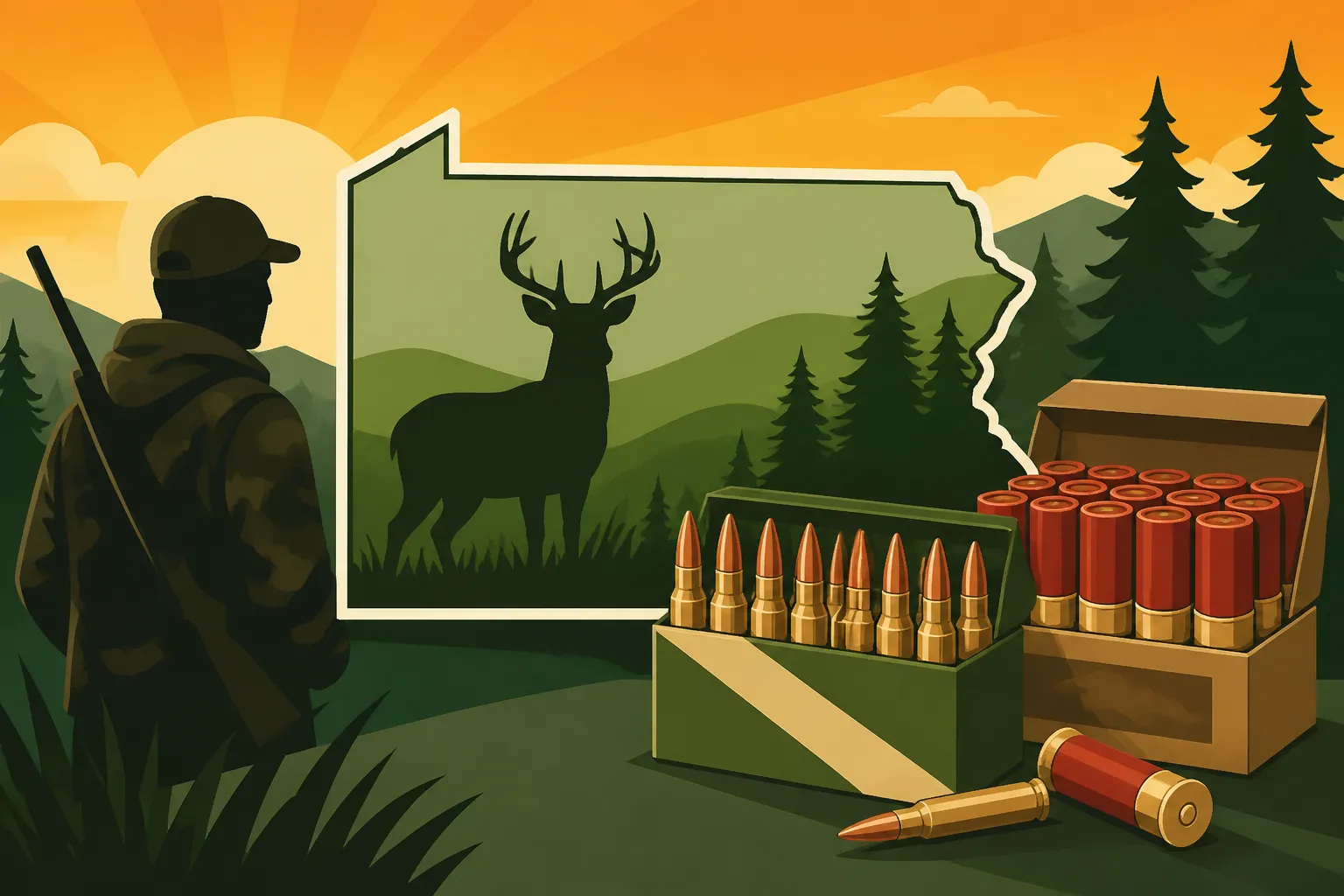
Consider popular calibers like the .30-06 Springfield, .308 Winchester, or even specific 12-gauge slug loads. Pennsylvania hunters rely on these workhorses for deer and bear season. When production lags, or a sudden spike in demand hits, these common calibers are often the first to disappear because so many people use them. It's not just that there isn't enough; it's that the sheer volume of hunters needing them quickly outstrips the supply, even if it's a good year for production. It’s a truly complex problem, and understanding it is the first step in outsmarting it. For those pursuing bigger game, consistent availability for calibers like those suitable for Rifle Calibers for Pennsylvania Bear is paramount, and these are often among the first to become scarce.
The "Opening Day Rush" Phenomenon
Let's be honest with ourselves: how many of us have waited until a week or two before archery, rifle, or even spring gobbler season to check our ammo supply? It's easy to do. Life gets busy, work piles up, and suddenly, that long-awaited deer season is knocking on the door. This collective procrastination, while understandable, creates a massive, predictable surge in demand that retail stores simply can't always absorb.
Imagine thousands upon thousands of Pennsylvania hunters, all suddenly realizing they need to confirm their zero, or grab a fresh box of shells for their .270 or 20-gauge. This isn't a slow, steady trickle of sales; it's a deluge. Stores stock up, anticipating this, but the sheer volume of hunters hitting shops simultaneously can decimate inventory overnight. It's especially noticeable for common deer calibers, 12-gauge and 20-gauge slug and buckshot, and even .223/5.56 for those pursuing coyotes or small game.
This phenomenon is intrinsically linked to our hunting season dates. Just before the general firearms deer season, or leading up to the special bear seasons, shelves empty rapidly. The same happens before spring gobbler season for turkey loads. It’s a predictable cycle, and while retailers try their best, they can only stock so much, and manufacturers can only produce so quickly. Knowing that Pennsylvania Deer Seasons and WMU Rules dictate when these rushes will occur allows you to anticipate and plan accordingly.
Proactive Strategies for Securing Your Ammunition
Feeling helpless in the face of ammo shortages is a terrible feeling, especially when the anticipation of a hunt is building. But you don't have to be. There are concrete steps you can take to put yourself in a much better position, ensuring you're not scrambling at the eleventh hour.
The Early Bird Gets the Bullet
This is, by far, the most crucial piece of advice: buy your ammunition well in advance. And when I say "well in advance," I mean months, not weeks. Ideally, you should be replenishing your hunting ammo supply immediately after the season closes, or at least by early spring. This means by the time you're thinking about summer fishing, your deer rifle ammo is already squared away for fall.
The benefits are numerous. First, you'll have a much better selection. You can often find your preferred brand, bullet weight, and type without having to compromise. Second, it significantly reduces stress. Imagine not having to worry about ammo when you're already busy checking your gear, scouting, and trying to get your Pennsylvania Resident Hunting Licence Cost paid. Third, you might actually save money. Prices for popular hunting ammunition can sometimes spike closer to season as demand outstrips supply, making those early purchases a smart financial move.
Think about buying in bulk too. If you know you shoot a certain caliber and load consistently, buying a few boxes (or a case) at once ensures consistency for your rifle's zero and gives you a reserve. This is especially true if you practice regularly. Having enough on hand for both practice and the actual hunt, plus a little extra, is a smart play. Websites like GoHunt, while primarily focused on mapping and Western hunting, often have forums or resources that highlight general gear availability trends, which can be useful for planning your purchases.
Diversifying Your Sourcing
Don't put all your eggs in one basket, or in this case, all your hopes on one store. Expanding where you look for ammunition can drastically improve your chances of finding what you need.
- Local Gun Shops: These small businesses are often the backbone of the hunting community. They might have a more limited inventory than big box stores, but they frequently have better relationships with distributors and might be able to place special orders. Building a relationship with your local gun shop owner can pay dividends, as they'll often remember you and might even give you a heads-up when a shipment of your preferred ammo comes in.
- Big Box Stores: Retailers like Cabela's, Bass Pro Shops, and even some Walmarts often have large ammunition sections. The key here is frequent checking. Stock often comes in on specific days, so if you can figure out their delivery schedule, you might hit it just right. Online inventory checkers can be unreliable, so a quick phone call or even a stop in person can be more effective.
- Online Retailers: The internet offers a vast selection, but there are some caveats. You'll need to factor in shipping costs and potentially longer delivery times. For some types of ammunition, especially certain handgun or antique rifle rounds, you might need to have it shipped to a Federal Firearms License (FFL) dealer, adding another step and cost. However, for common rifle and shotgun loads, it's often a direct-to-door delivery. Tools like GoHunt or similar aggregators can sometimes help you track down online stock, though you'll always want to verify directly with the vendor.
- Gun Shows: These can be a mixed bag. You might find rare or niche calibers that are impossible to find elsewhere. Sometimes, you can snag a great deal, but just as often, prices can be inflated, especially for in-demand items. Go with a clear idea of what you need and what a fair price is.
| Sourcing Method | Pros | Cons | Best For |
|---|---|---|---|
| Local Gun Shop | Personal service, special orders | Limited stock, potentially higher prices | Niche calibers, building relationships, expert advice |
| Big Box Store | Large inventory, competitive pricing | Fast sell-outs, impersonal service | Common calibers, last-minute checks |
| Online Retailer | Vast selection, convenience | Shipping costs, delivery times, FFL for some ammo | Bulk purchases, hard-to-find specific loads |
| Gun Show | Unique finds, direct interaction with sellers | Variable pricing, can be overwhelming, no guarantees | Collectible ammo, specific components, comparing prices |
Understanding Your Caliber's Popularity
Some calibers are simply more susceptible to scarcity than others. Ultra-popular deer rifle rounds will always fly off shelves. Likewise, less common calibers, while not experiencing the same volume of demand, can be difficult to find because they're produced in smaller batches.
If you consistently struggle to find ammunition for your primary hunting firearm, it might be worth considering alternatives. Perhaps you have a shotgun and live in a special regulations area Where Pennsylvania Requires Shotguns for Deer are required anyway. Or maybe you've always wanted to try the late flintlock season, and picking up a Flintlock Rifles and Loads rifle would give you an alternative hunting method that uses less common (and often self-produced) ammunition. This isn't about giving up on your favorite rifle, but having a backup plan can save a lot of heartache.
What to Do When Ammo is Scarce (and Opening Day is Looming)
Despite our best intentions and proactive planning, sometimes you just get caught flat-footed. Opening day is breathing down your neck, and your ammo situation is dire. Don't panic! While it's certainly not ideal, there are still some Hail Mary plays you can make.
Expanding Your Search Radius
Your local shops might be picked clean, but what about the next county over? Or even a neighboring state if you live close to the border? Sometimes, driving an hour or two can make all the difference. This isn't just for physical stores; broaden your online search as well. Just be sure to call ahead to any physical stores to confirm stock before you drive all that way. Nothing is worse than a wasted trip when time is of the essence.
Networking with other hunters can also be surprisingly effective. Put out a call on local hunting forums, social media groups, or even just ask friends and family. Someone might have an extra box they're willing to part with, or know a little shop off the beaten path that still has some stock. Just ensure any transactions are done safely and legally. Remember, shared knowledge is a powerful tool in the hunting community, and it can be a lifesaver when you're desperate for ammo. It's also a good reminder of the importance of community and safe practices, something heavily emphasized in Pennsylvania Hunter Education Requirements.
Exploring Different Bullet Types and Brands
If your exact preferred brand and bullet weight aren't available, don't immediately throw in the towel. Sometimes, a different grain weight from the same manufacturer, or even a different brand of ammunition entirely, might be on the shelf. For example, if you normally shoot 150-grain .30-06, a 165-grain or 180-grain might be available.
Crucial Warning: If you change your ammunition significantly – especially brand, bullet type, or grain weight – you absolutely must re-zero your rifle. Different ammunition will almost certainly print to a different point of impact. A quick trip to the range is non-negotiable, even if it's just a few shots to confirm you're on target. You owe it to yourself and the animal to ensure your rifle is precise. Also, consider if you can use a cheaper, more available practice round for target shooting, and save your precious hunting rounds for confirming zero and the actual hunt.
Many hunting resources, including platforms like GoHunt, provide detailed ballistics data for various calibers and loads. While it won't tell you what's in stock at your local shop, it can help you quickly compare different bullet types if you're forced to choose an alternative. This information can be critical in making an informed decision about what new ammunition might work best for your hunting situation.
Considering Alternatives and Backups
If all else fails and you truly cannot find any ammunition for your primary hunting firearm, it’s time to get creative, or unfortunately, consider postponing.
- Borrowing from a trusted friend: If you have a friend who shoots the same caliber and has a surplus, they might be willing to lend or sell you a box. Again, emphasize safety and ensure your firearm is zeroed with their specific ammunition if it's different from what you're used to.
- Handloading: This is a long-term solution, not a last-minute fix. Handloading allows you to custom-produce your own ammunition, giving you control over components and ensuring a consistent supply. However, it requires a significant initial investment in equipment, a steep learning curve, and a good understanding of safety protocols. It's an excellent hobby for the off-season, but won't solve your immediate crisis.
- Alternative Firearms: Do you have another legal hunting firearm that you haven't considered? Perhaps a muzzleloader for deer, or a different shotgun for turkey? Ensure you're proficient and have legal ammunition for any alternative you consider. Always check the regulations for Legal Firearms for Pennsylvania Deer before heading out.
- Postponing the Hunt: This is the absolute last resort, and it hurts to even type it. But if you cannot ethically and safely go afield with properly sighted-in ammunition, then postponing or canceling a hunt is the responsible thing to do. It’s a bitter pill to swallow, but it’s part of being a ethical hunter.
The Hunter's Mindset: Being Prepared for the Long Haul
Hunting isn't just about the weeks you're in the woods; it's a year-round commitment to preparation, learning, and stewardship. Approaching ammunition availability with this long-term mindset will save you a lot of grief and ensure you're always ready when opportunity knocks.
Building a Modest Ammo Reserve
Think of it like an emergency fund, but for bullets. Once you've secured your ammunition for the upcoming season, consider picking up an extra box or two throughout the year when you see good deals or consistent stock. This isn't about hoarding; it's about having a small, manageable reserve (maybe 2-3 boxes per primary hunting firearm) that can carry you through an unexpected shortage or allow for extra practice.
Proper storage is key for any ammunition reserve. Keep it in a cool, dry place, away from extreme temperature fluctuations and moisture. An airtight ammo can or a dedicated cabinet is ideal. Stored correctly, modern ammunition can last for decades, giving you peace of mind year after year.
The Importance of Practice, Regardless of Ammo Woes
Even if you struggle to find your preferred hunting ammunition, maintaining your shooting skills is paramount. Don't let ammo scarcity be an excuse to neglect practice.
- Dry Firing: For centerfire rifles and shotguns, dry firing (without ammunition) is an excellent way to practice trigger control, sight picture, and follow-through. It costs nothing, can be done almost anywhere safely, and builds crucial muscle memory. Just ensure your firearm is completely unloaded and pointed in a safe direction.
- Rimfire Practice: If you have a .22 rifle or pistol, use it! While it won't replicate the recoil or ballistics of your hunting rifle, it's fantastic for developing fundamental shooting skills, breath control, and sight alignment. Plus, .22LR ammunition is generally much more available and affordable than hunting-specific loads.
- Alternative Shooting Sports: Skeet, trap, archery, or even air rifle shooting can help keep your eye in tune and refine your aiming skills, even if they aren't directly with your hunting setup.
- Consistent Zeroing: When you do get your hands on hunting ammo, make sure you take the time to Zeroing a Rifle for Woods Distances. This is non-negotiable. Knowing exactly where your bullet will hit at common hunting ranges is more important than having a hundred rounds you haven't shot.
Many online platforms, including GoHunt and other hunting forums, also offer a wealth of information on off-season training, shooting drills, and even tips for finding local ranges. Staying engaged with these resources can keep your skills sharp and your morale high, even when the ammo supply chain is acting up. Remember, being a prepared hunter goes far beyond just having a license and a gun; it’s about competence and consistency.
Disclaimer
This article is for general informational purposes only and does not constitute professional advice. Laws, prices and regulations vary by location and change over time. Consult a qualified professional for guidance on your specific situation.