Orange Requirements for Archery Hunters
The crisp air of an autumn morning in Pennsylvania brings with it a unique set of questions for bowhunters, and one of the most common, and frankly, most confusing, revolves around hunter orange. It’s a topic that can cause a lot of head-scratching, especially when seasons overlap, or you’re just trying to make sure you’re doing everything right while enjoying your time in the woods. This guide aims to clear up the confusion surrounding hunter orange requirements specifically for archery hunters in the Keystone State, ensuring you can focus on the hunt with peace of mind.
Understanding Pennsylvania's General Hunter Orange Rules
Before we dive specifically into archery season, it's helpful to get a grasp on the overarching hunter orange regulations in Pennsylvania. The Pennsylvania Game Commission (PGC) has specific rules designed to enhance safety in the field, primarily by making hunters more visible to one another. These rules are not static; they change depending on the species being hunted, the weapon being used, and the specific time of year. This can be a major source of frustration for hunters who just want clear, concise answers, especially when moving between different seasons.
Generally speaking, hunter orange is a cornerstone of safety during any firearms deer or bear season. The typical requirement is 250 square inches of fluorescent orange material on the head, chest, and back combined, visible 360 degrees. This isn't just a suggestion; it's a legal mandate during these times. The idea is simple: in a state with as many hunters as Pennsylvania, maximizing visibility helps prevent tragic accidents. Think about the dense thickets or rolling hills of the Big Woods – a flash of orange can be the difference between a safe encounter and a dangerous mistake. It’s about being seen, not just seeing.
However, the application of these rules isn't always uniform, which is where the confusion often creeps in. Small game seasons, for example, have different requirements, often demanding a certain amount of orange, but perhaps not the same 360-degree visibility or specific placement. Waterfowl hunting, due to its nature, typically has no orange requirement. It’s this variability that can make a hunter double-check their gear list more than once before heading out. Pennsylvania Hunter Orange Rules provides a great overview if you're looking for a broader understanding of all the state's orange rules.
Why Hunter Orange Matters Beyond the Law
Even when not legally required, wearing some form of fluorescent orange can be a smart, proactive safety measure. We all know how easy it is to get focused on a deer trail or a distant rustle, and sometimes tunnel vision can set in. Adding a hat or a vest, even a small patch, can significantly increase your visibility to other hunters who might be sharing the same public land. It’s about fostering a culture of safety and responsibility, acknowledging that we share the woods with others, whether we see them or not.
Consider the reality of hunting pressure on popular State Game Lands or even smaller private parcels. You might be the only one on your stand, but someone else could be still-hunting a ridge or driving deer a quarter-mile away. That small bit of orange could signal your presence, preventing an accidental shot in your direction. It’s not about being loud; it’s about being seen. Many experienced hunters will tell you that they wear some orange whenever they are walking to or from their stand, regardless of the season, simply for peace of mind.
Hunter Orange Requirements During Pennsylvania's Archery Season
Now, let's get down to the nitty-gritty of archery season. This is where many hunters get tangled up, because the rules aren't as straightforward as "always wear orange" or "never wear orange." The requirements depend heavily on the specific period within the overall archery season, mainly due to overlaps with other hunting opportunities.
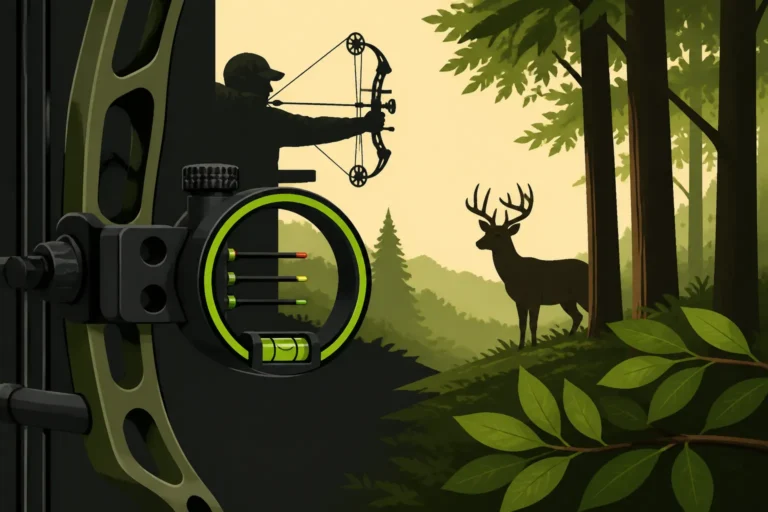
For much of the dedicated archery season, specifically when it is archery-only, the good news is that hunters are generally not required to wear fluorescent orange. This is a significant distinction from firearms seasons. So, during the traditional early archery opener, when you're perched in your stand or still-hunting through the timber, you can typically go without the blaze orange vest or hat. This allows bowhunters to fully embrace their camouflage and blend into the environment, which is often crucial for getting close to wary whitetails. Pennsylvania Archery Deer Season Structure offers a deeper dive into how these seasons are set up.
However, there's a critical caveat: this "no orange required" rule often changes if other seasons open concurrently within the archery period.
Overlapping Seasons: When Orange Becomes Mandatory for Archers
Pennsylvania's hunting calendar can be a complex tapestry, with various seasons overlapping. This is where orange requirements for archers can suddenly shift. The most common scenario where archers will need to wear orange is when the statewide firearms bear season or the extended bear seasons overlap with archery deer season.
For instance, if you're out bowhunting for deer and the general firearms bear season opens, you, as a deer hunter, must adhere to the hunter orange requirements. This typically means wearing 250 square inches of fluorescent orange on your head, chest, and back, visible 360 degrees. The logic here is clear: with hunters using high-powered rifles for bear, maximum visibility for everyone in the woods becomes paramount. It doesn't matter if you're only targeting deer with a bow; the presence of firearms hunters targeting a different species dictates the safety protocol for all. This can feel a bit counter-intuitive for a bowhunter trying to remain concealed, but safety always comes first. This applies whether you're in a treestand or still-hunting. Check out Pennsylvania Black Bear Hunting for more details on those specific season dates.
Similarly, there are often extended bear seasons that occur during later archery periods. If you find yourself hunting deer with a bow during one of these extended bear firearms seasons, the same orange requirement would apply. It's really about being aware of what other hunting seasons are open concurrently in your specific Wildlife Management Unit (WMU). Tools like the GoHunt app or the PGC website can be invaluable resources for quickly checking these overlaps. Keeping tabs on the PGC's annual digest is your best bet; it lays out all these complex season structures.
Specific Exemptions and Situations
Even within these rules, there are a few nuanced points to consider:
- Ground Blinds: If you are hunting from an enclosed ground blind, you are generally exempt from the hunter orange requirements while inside the blind. However, the blind itself must display at least 250 square inches of fluorescent orange material, visible 360 degrees. This makes sense – the blind is now the visible entity, not you. Critically, when you step outside that blind, even for a moment, during a mandatory orange season, you need to be wearing your orange. This is a detail often overlooked. Using a Ground Blind on Pennsylvania Game Lands has more information on setting up and using blinds effectively and safely.
- Mentored Hunters: For mentored youth and mentored adult hunters, the rules often mirror the primary hunter's requirements, but it's always wise to double-check the specific regulations for mentored permits, as safety is particularly emphasized for new hunters. Mentored Youth Permit Rules in Pennsylvania and Mentored Adult Permits in Pennsylvania can offer clarity.
- Walking to/from a Stand: As a best practice, even during archery-only periods, many hunters choose to wear a hunter orange vest or hat while walking to and from their stand in the dark or low light. This is purely for safety, recognizing that other hunters might be doing the same, or even checking game cameras. Once settled in their stand, they can remove it. It's a personal choice that adds an extra layer of caution.
Below is a table summarizing the general orange requirements relevant to deer hunting in Pennsylvania:
| Season/Situation | Hunter Orange Requirement | Notes |
|---|---|---|
| Archery-Only Deer Season | Not Required | Applies when no concurrent firearms seasons (deer or bear) are open. |
| Archery Deer During Firearms Bear Season | Required: 250 sq. inches on head, chest, & back, visible 360° | Mandatory for all hunters afield if any firearms bear season is open. |
| Archery Deer During Extended Bear Seasons | Required: 250 sq. inches on head, chest, & back, visible 360° | Applies if extended firearms bear seasons are concurrent with archery deer season in your WMU. |
| Archery Deer During Firearms Deer Season | Required: 250 sq. inches on head, chest, & back, visible 360° | During the main firearms deer season, if an archery tag is still valid and you are hunting deer, orange is required. |
| Hunting from Enclosed Ground Blind | Exempt while inside; Blind must display 250 sq. inches of orange, visible 360° | Must wear orange when entering/exiting the blind if orange is otherwise required. |
| Walking to/from Stand | Recommended, even if not legally required | Best practice for visibility in low light or shared public land, regardless of season. |
Staying Informed and Safe in the Field
The best advice for any hunter in Pennsylvania is to always consult the current Pennsylvania Game Commission Hunting & Trapping Digest before heading afield. Regulations can and do change, and what was true last year might have a slight modification this year. The digest is your ultimate authority. You can typically find a digital version on the PGC website or pick up a physical copy wherever hunting licenses are sold.
Beyond the official digest, many hunters find great utility in modern mapping and regulation-checking apps. Using a tool like GoHunt can help you quickly verify season dates and special regulations for your specific WMU, reducing the chances of an oversight. These apps can also help you understand public vs. private land boundaries, which is crucial for ethical and legal hunting. When you're out there, knowing exactly where you stand, literally, can prevent a lot of headaches. Scouting Pennsylvania Public Land Before Season is a great resource for learning how to use these tools for better preparation.
Remember, the orange requirement isn't just about avoiding a citation; it's about ensuring everyone comes home safely. The woods of Pennsylvania are a shared resource, and responsible hunting means being aware of your surroundings and taking all necessary precautions. Even if your personal ethical code allows for minimal orange during specific archery-only periods, think about the broader safety picture. An orange hat, even a small patch on your backpack, can make a difference. How Much Orange Pennsylvania Requires goes into more detail about the exact measurements and placements for hunter orange during various seasons.
Ultimately, archery hunting is about stealth and blending in, but it’s also about being a safe and responsible participant in a rich tradition. A quick check of the regulations, a thoughtful review of the hunting calendar, and perhaps a small, easily storable orange item in your pack, can make all the difference for a successful and safe season in Pennsylvania’s beautiful outdoors. Enjoy your time in the timber, and good luck with those deer!
Disclaimer
This article is for general informational purposes only and does not constitute professional advice. Laws, prices and regulations vary by location and change over time. Consult a qualified professional for guidance on your specific situation.