When Pennsylvania Stocks Pheasants
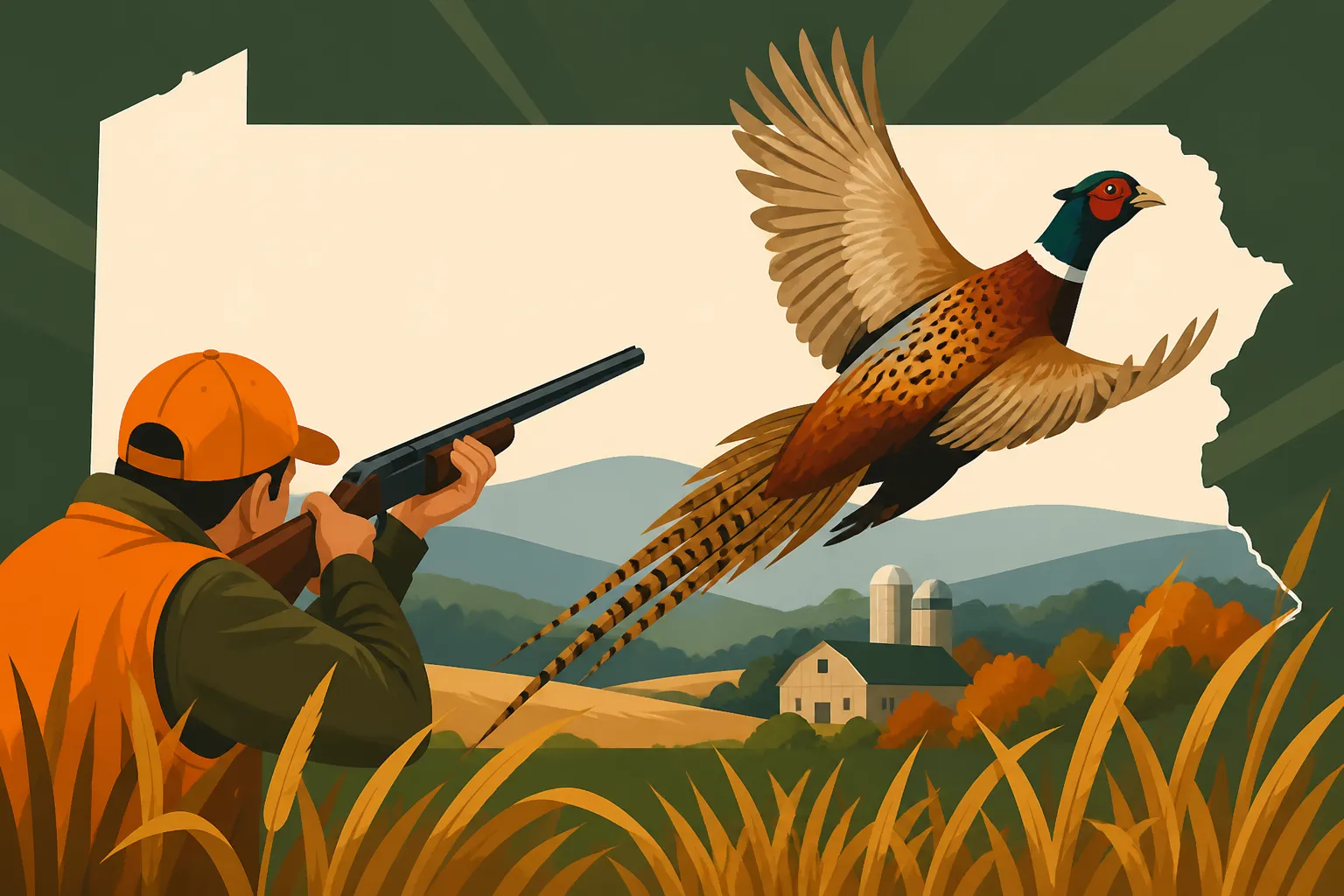
It's incredibly frustrating when you're geared up for a pheasant hunt, excited for the crisp autumn air and the thrill of flushing birds, but you're left guessing exactly when and where those efforts will pay off. There’s nothing worse than showing up to an empty field because you missed the stocking window or went to the wrong spot. This comprehensive guide is here to unravel the mystery of when Pennsylvania stocks pheasants, offering you the insider knowledge to better plan your hunt and increase your chances of a successful day afield.
Understanding Pennsylvania's Pheasant Stocking Program
Many hunters scratch their heads, wondering why Pennsylvania has to stock pheasants at all. The truth is, wild pheasant populations in Pennsylvania have faced significant challenges over the decades. A combination of changing agricultural practices, increased development, and the loss of essential grassland habitat has made it incredibly difficult for wild birds to thrive and reproduce on their own.
Why Stock Pheasants?
The primary reason the Pennsylvania Game Commission (PGC) continues its robust pheasant stocking program is quite simple: to provide hunting opportunities. For many, particularly those in more developed parts of the state where wild pheasants are non-existent, stocked birds are the only chance they have to experience the excitement of a pheasant hunt. It's a way to keep the tradition alive, introduce new hunters to the field, and ensure there's upland game available. These birds are predominantly pen-raised, bred specifically for release, offering a sporting challenge even if they lack the complete wild instinct. The PGC's efforts also ensure that youth hunters have a high-quality experience during special seasons, fostering a love for the outdoors from an early age.
The Pennsylvania Game Commission's Role
The PGC is deeply committed to this program, pouring considerable resources into raising and distributing pheasants across the Commonwealth. They operate several dedicated pheasant farms, such as the expansive Loyalsock Game Farm in Lycoming County and the Western Game Farm in Cambridge Springs, Crawford County. These facilities are responsible for hatching, raising, and conditioning hundreds of thousands of pheasants each year. The funding for this extensive operation comes directly from hunters through the purchase of general hunting licenses and, more specifically, the dedicated The Pennsylvania Pheasant Permit. This permit ensures that those who benefit most from the program are also contributing to its continuation, creating a self-sustaining cycle that benefits the hunting community. It’s a testament to how hunter dollars directly support conservation and recreational opportunities in the state.
The Pheasant Stocking Schedule: When and How Often
Knowing the general timing of pheasant releases is crucial for planning your hunts. While exact dates can shift slightly year-to-year based on various factors, the PGC follows a fairly predictable schedule.
Pre-Season and In-Season Releases
Pennsylvania's pheasant stocking typically begins just before the statewide regular small game season opens, usually in late October. This initial wave ensures there are plenty of birds for opening day, which is always a highly anticipated event. Following this, the PGC continues with additional in-season releases, often occurring weekly or bi-weekly throughout November and sometimes into early December. The goal here is to replenish popular Hunting Stocked Pheasants in Pennsylvania sites, providing sustained opportunities for hunters throughout the season. These releases aren't just a one-and-done deal; they are carefully staggered to extend the hunting experience. To get the most precise and up-to-date information, you absolutely must check the official PGC website. They typically publish detailed stocking schedules, broken down by Wildlife Management Unit (WMU) and specific Game Lands, a few weeks before the season kicks off.
Youth Hunt Stocking
One of the most heartwarming aspects of the pheasant program is the focus on youth. There’s a special, dedicated youth pheasant hunt weekend, usually scheduled for a specific Saturday and Sunday in mid-to-late October, typically before the regular season opens. This hunt is incredibly important for introducing young hunters to the sport in a less pressured environment. The PGC ensures that ample pheasants are released specifically for these dates, making it a fantastic opportunity for mentored youth to experience success. While it’s not for deer, you can find similar planning considerations for younger hunters in resources like the Youth Deer Hunt Dates and Rules. These mentored hunts are often the first time a youngster gets to carry a shotgun in the field, and the PGC goes to great lengths to make it memorable.
Weather and Logistics
While the PGC strives for consistency, Mother Nature can certainly throw a wrench into the best-laid plans. Extreme weather conditions, such as torrential rain, heavy snow, or freezing temperatures, can sometimes delay or alter stocking schedules. The birds need to be transported safely, and the release crews need to be able to access the designated sites. Roads on State Game Lands, for instance, might become impassable after heavy rain or snow, pushing back a planned release. It's important to remember that these operations involve significant logistics, including personnel, specialized vehicles, and the welfare of thousands of birds. Always factor in the possibility of minor adjustments, especially during periods of volatile weather, and be prepared to be flexible with your hunting plans.
Where Pennsylvania Stocks Pheasants
It’s not enough to know when the pheasants are released; you also need to know where to find them. Pennsylvania has an extensive network of public and private lands where stocking occurs.
State Game Lands and Hunter Access Cooperator Properties
The vast majority of pheasants are released on designated sections of Pennsylvania's Pennsylvania State Game Lands. These are publicly owned and managed lands, specifically acquired and maintained for hunting and other outdoor recreation. The PGC selects specific areas within these Game Lands that offer suitable cover, good access for hunters, and logistical ease for stocking. In addition to State Game Lands, many pheasants are also released on private properties enrolled in the PGC's Pennsylvania Hunter Access Program. These are privately owned farms and woodlands where landowners agree to allow public hunting access, often receiving benefits or assistance from the PGC in return. It’s a fantastic partnership that expands hunting opportunities beyond just public land. These cooperators’ properties often feature ideal pheasant habitat, such as cornfields, brushy edges, and diverse cover.
Finding Stocking Locations
The Pennsylvania Game Commission provides invaluable resources for hunters to pinpoint stocking locations. The most reliable method is to visit the PGC's official website, where they publish detailed pheasant stocking lists. These lists typically specify the State Game Land number, the county, and sometimes even a more precise area or designated "pheasant management area" within the larger property.
Online mapping resources, like what you find with GoHunt, can be invaluable for cross-referencing these lists with actual topographical maps and aerial imagery. If you're using a planning app like GoHunt, you can overlay public land boundaries and even identify potential cover types that match the descriptions given by the PGC. This kind of advanced scouting, often done from the comfort of your home, can save you hours of aimless wandering in the field. Tools from GoHunt are fantastic for identifying these smaller, often overlooked pockets of cover on the ground, helping you find where those birds might have spread after release. Remember, a "release site" isn't always a vast, open field; it could be a particular stretch of dense multiflora rose or a corner of an unharvested cornfield. For more general map usage, you should check out guides like Using the Pennsylvania Mapping Center to get familiar with the PGC's mapping tools, or if you prefer third-party applications, learn about onX Layers for Pennsylvania Land Status to maximize your scouting efficiency.
Understanding "Release Sites"
When the PGC refers to "release sites," they aren't necessarily talking about the entirety of a State Game Land. Often, birds are specifically released in certain fields, brushy draws, or patches of dense cover that provide immediate refuge. These areas are chosen because they offer the type of habitat where pheasants naturally prefer to hide. Think unharvested standing corn, thick briar patches, tall switchgrass, or old fields choked with goldenrod and multiflora rose. Understanding these preferred habitat types can help you focus your efforts. Even if the entire 1,000-acre Game Land is listed as a stocking area, you’re far more likely to find birds in a 5-acre block of thick cover than wandering through mature timber. These "honey holes" often require some work to push, but they're where the birds will hold tight.
Preparing for a Stocked Pheasant Hunt
A successful pheasant hunt isn't just about showing up when the birds are there; it's about being prepared and knowing what to expect.
Licensing and Permits
Before you even think about hitting the fields, you need to make sure your paperwork is in order. Every pheasant hunter in Pennsylvania, regardless of age (unless participating in a mentored youth program with an adult who has the permit), needs two things: a general Pennsylvania Hunting License and the specific The Pennsylvania Pheasant Permit. These permits are typically available for purchase when general licenses go on sale each year, usually in early June. While a general hunting license gets you in the door for most small game, that pheasant permit is non-negotiable for pheasant hunting. It's an additional cost, but it directly funds the stocking program, so it’s money well spent. Information on all the costs and options can be found in a guide like Pennsylvania Hunting Licences and What They Cost. Always purchase your permit well in advance to avoid any last-minute scramble.
Essential Gear and Tactics
When it comes to gear, a 12- or 20-gauge shotgun is the standard, loaded with 7.5 or 6 shot. Many hunters prefer an improved cylinder or modified choke for the often-close flushing action of stocked birds. Hunter orange is absolutely critical—Pennsylvania law requires specific amounts of blaze orange to be visible 360 degrees when hunting small game. This is for your safety and the safety of others, especially given that stocked pheasant areas can draw a crowd. A detailed look at what's required can be found in guides like Upland Vests and Blaze Orange.
While a good bird dog is an undeniable asset for finding and retrieving pheasants, it’s certainly not a requirement. Many hunters successfully hunt pheasants by still-hunting slowly, often in pairs or small groups, methodically pushing through thick cover. One common tactic is to have "blockers" positioned at the end of a cover strip while "pushers" walk through, driving birds towards the blockers. Online mapping apps, like GoHunt, can be used to coordinate these pushes, showing everyone’s position in real-time. Good waterproof boots, brush pants, and an upland vest for carrying shells and birds are also highly recommended for navigating the often-wet and thorny cover pheasants favor.
Navigating Crowds and Pressure
Let's be realistic: stocked pheasant release sites, especially on State Game Lands, can get crowded. Opening day and weekends, in particular, will see a lot of hunters and their dogs. If you're someone who prefers solitude, this can be a real challenge. You can learn more about managing expectations for busy times by reading up on Opening Day Crowds on Pennsylvania Game Lands.
To minimize the impact of crowds, consider hunting on weekdays if your schedule allows. The pressure tends to drop significantly after the initial weekend rush. Another strategy is to hunt later in the season. While the number of birds might be lower, those that remain are often "wiser" and have become more difficult to flush, offering a more challenging and rewarding experience. Also, don't be afraid to walk a little further than everyone else. Many hunters stick close to parking areas, so venturing a half-mile or more into thicker, less accessible cover can often lead you to birds others have overlooked. Always cross-reference the official PGC data with your preferred mapping software, like GoHunt, to identify less obvious access points or isolated pockets of cover. Patience and courtesy are paramount in these busy areas.
Typical Pennsylvania Pheasant Stocking Schedule Overview
Here’s a general idea of when you can expect pheasants to be stocked in Pennsylvania. Please remember these are typical periods and the exact dates will be published annually by the PGC.
| Stocking Period | Dates (Approx.) | Notes |
|---|---|---|
| Youth Hunt | Mid-October (specific weekend) | Dedicated releases for mentored youth hunters; excellent opportunity for new hunters. Check Pennsylvania Youth Gobbler Hunt Date for similar dates. |
| Early Regular Season | Late October (pre-opener) | Significant releases just before the statewide small game season begins. |
| Mid-Season Releases | Early to Mid-November (weekly/bi-weekly) | Continuous restocking efforts to refresh popular hunting areas. |
| Late Season Releases | Late November to Early December | Fewer, but still impactful, releases to extend hunting opportunities into the colder months. |
For precise dates each year, always consult the official Pennsylvania Pheasant Season Dates published by the Pennsylvania Game Commission on their website.
Disclaimer
Please note that hunting regulations, seasons, and stocking schedules can change. Always consult the official Pennsylvania Game Commission website and the current hunting and trapping digest for the most up-to-date and accurate information before planning any hunting trip.