Running Beagles on Pennsylvania Cottontails
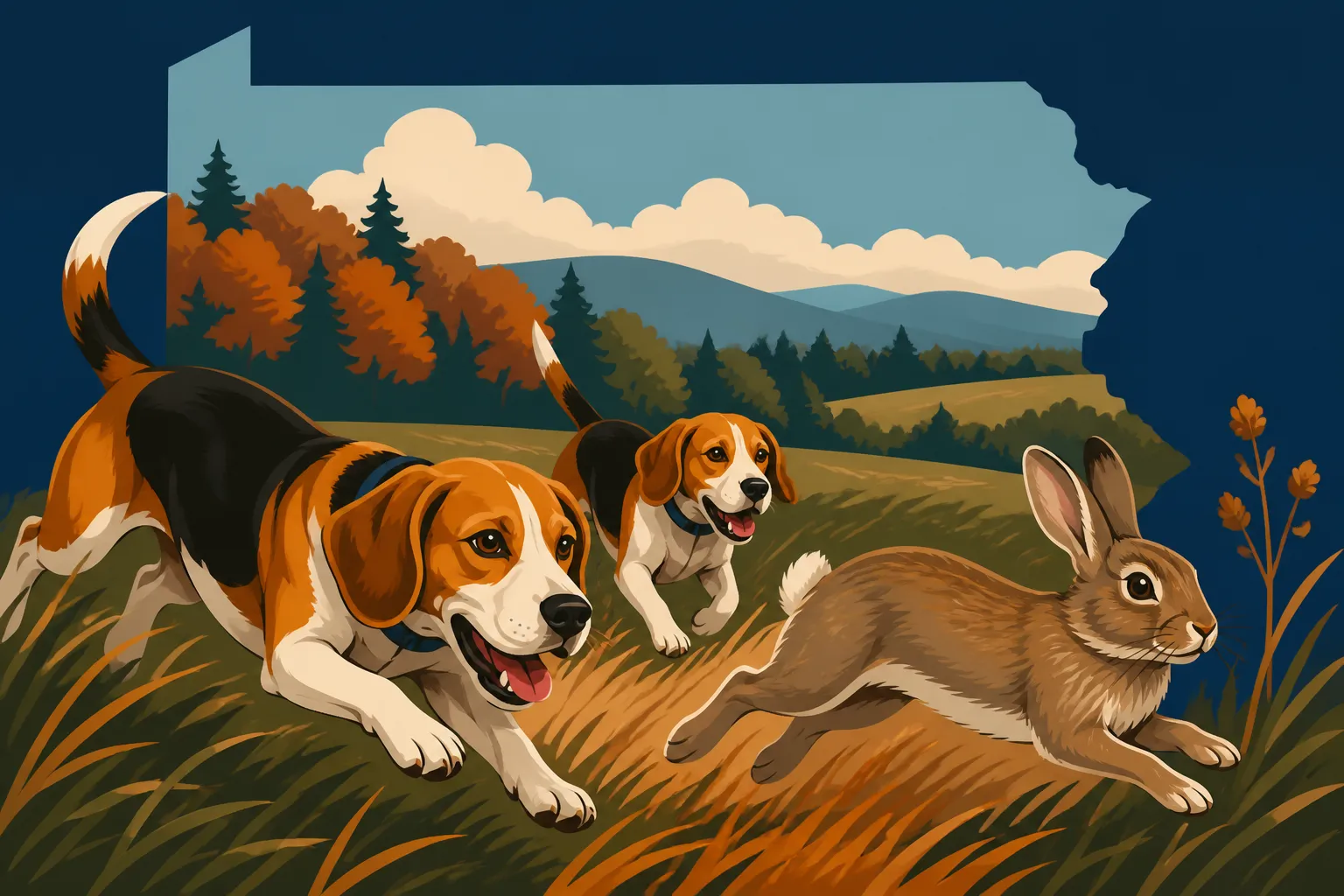
There's nothing quite like the sound of a good beagle striking a rabbit track, the music of their voices echoing through the crisp Pennsylvania woods, promising a chase. Many of us grew up with that sound, but if you're new to beagle hunting or just want to refine your approach, it can feel overwhelming to consistently find cottontails and work with your dogs effectively. This guide is here to cut through the confusion and provide a comprehensive look at successfully running beagles on Pennsylvania cottontails, from understanding habitat to navigating regulations.
Understanding Pennsylvania Cottontails and Their Habitat
For a successful rabbit hunt with beagles, you first need to think like a rabbit. Cottontails aren't going to be hanging out in open, sparse timber; they crave dense, impenetrable cover that offers safety from predators, both airborne and ground-based. Knowing where to look is half the battle.
Where to Find Cottontails in Pennsylvania
Pennsylvania's diverse landscape offers plenty of prime rabbit habitat, but it's all about finding the thick stuff. Think about areas with a patchwork of fields, hedgerows, and brushy edges – classic farm country. Abandoned farms are goldmines, with old buildings, overgrown orchards, and fencelines providing perfect cover. You'll also find them in brush piles left behind from logging operations, along creek bottoms choked with multiflora rose and briars, and in the regenerating growth of clearcuts on public and private land.
When I'm scouting, I'm literally looking for places I wouldn't want to walk through without heavy brush pants. These briar thickets, honeysuckle patches, and dense stands of young pines are rabbit magnets. In the southeastern parts of the state, where agriculture is more prevalent, spots where crop fields meet thick woods are particularly productive. These edge habitats provide easy access to food while keeping escape cover a mere hop away. For a deeper dive into finding these spots, check out our guide on Rabbit Hunting Thick Brush and Briars.
The Life Cycle and Behavior of Rabbits
Pennsylvania cottontails are prolific breeders, with females potentially having several litters from spring through late summer. This rapid reproduction means that given good habitat and favorable conditions, populations can bounce back quickly. They are most active during dawn and dusk, though you'll find them moving throughout the day, especially in heavy cover or on overcast days.
Their primary defense mechanism is to use their incredible speed and knowledge of their home turf to evade predators. When jumped by a beagle, a cottontail typically won't run in a straight line for miles. Instead, they'll often circle back to their original bedding area or a nearby patch of heavy cover. Understanding this circling behavior is absolutely crucial for successful beagle hunting. If you can anticipate where that rabbit will likely return, you can position yourself for a shot. Knowing the Pennsylvania Rabbit Population Trend in your area can also help manage expectations and understand local dynamics.
The Art of Hunting with Beagles
Hunting with beagles isn't just about turning them loose; it's a partnership that relies on good training, keen observation, and strategic positioning. It's a truly engaging way to hunt, and when it all comes together, it's incredibly rewarding.
Choosing and Training Your Beagle
Bringing a beagle into your life for hunting is an investment of time and love. You want a dog with a good nose, a strong prey drive, and a biddable temperament. Look for pups from proven hunting lines, but remember that individual personality matters a lot. Start with basic obedience commands – "come," "stay," "heel" – from a young age. A well-behaved dog is a safe dog and a more effective hunting partner.
Introducing your pup to rabbit scent and eventually live rabbits in controlled environments is key. Many hunters start with rabbit pelts or scent trails before progressing to actual field training. Patience is paramount; every dog learns at a different pace. Consistency is your best friend here. Consider joining a local beagle club; the camaraderie and shared knowledge can be invaluable. For more general guidance on canine companions, read our piece on Dog Training on Pennsylvania Game Lands.
Here's a simple breakdown of typical beagle training stages:
| Stage | Focus Area | Key Activities | Desired Outcome |
|---|---|---|---|
| Puppyhood (8-16 weeks) | Socialization & Basic Obedience | House training, leash manners, "come" command, exposure to sounds and smells | Confident, responsive, well-adjusted pup |
| Foundation (4-8 months) | Scent Introduction & Desire | Hide rabbit pelts, introduce to rabbit pens (if available), short field walks | Shows interest in scent, retrieves, follows trails |
| Early Field (8-18 months) | Live Game & Voice Control | Supervised chases, learning to "check" back, understanding different barks | Sustains a chase, returns to hunter, develops distinct barks |
| Advanced Field (18+ months) | Refinement & Teamwork | Long-distance trailing, working with other dogs, responding to handler cues | Consistent, reliable runner, understands rabbit circles |
Reading Your Dogs and the Chase
The real magic of beagle hunting is in understanding the language of the pack. A "strike" bark is usually a sharp, excited yelp or chop when a dog first picks up a fresh scent. Once the rabbit is jumped and the chase is on, the barks become more sustained, a beautiful chorus of "bawling" as they meticulously follow the trail. Different dogs will have different voices, and you'll learn to distinguish them.
Pay close attention to changes in their barks. If the barking suddenly slows or becomes erratic, they might have lost the scent or the rabbit has momentarily confused them. This is where your input might be needed, or another dog might pick up the slack. Since rabbits often circle, when the barking starts getting closer and coming from the direction it started, it's time to get ready. The rabbit is likely on its way back. Don't be afraid to move silently into a better position if you know the rabbit's likely return path.
Effective Hunting Strategies with Beagles
Hunting rabbits with beagles is often a group effort. A party of two to four hunters usually works best, with one or two hunters acting as "blockers" or "shooters" positioned strategically, and one or two following the dogs. The blockers should station themselves quietly near known escape cover or where the rabbit is likely to circle back. Often, this means taking up a position near the edge of a thicket, on a slight rise, or along a known rabbit run.
Communication is key. If a rabbit is sighted by a hunter, a quiet whistle or hand signal can alert others without spooking the game further. Safety is paramount: always know where your hunting partners and dogs are. Make sure your dogs are wearing bright, visible collars – blaze orange is a great choice – especially if they are wearing an E-Collar Use on Public Ground. In some areas, Hunting Pennsylvania Farm Country Edges can be particularly productive due to the availability of both food and cover.
Essential Gear and Preparation for a Successful Hunt
Having the right gear makes all the difference when you're pushing through thick briars and spending hours on your feet. Comfort, safety, and preparedness are key.
Shotguns and Loads
For rabbits, you don't need heavy firepower. A 12, 20, or even 28 gauge shotgun is perfectly suitable. Most hunters opt for a 20 gauge due to its lighter weight and manageable recoil, especially when carrying it all day. As for loads, number 6 or 7 ½ lead shot is typical. You want a pattern that's dense enough for a quick kill at close range in heavy cover.
Choke selection is important too. Since most shots will be fairly close, within 20-30 yards, an open choke like improved cylinder or modified is usually ideal. It gives you a wider pattern, increasing your chances of connecting with a fast-moving target in the brush. Don't over-choke your gun; full choke is rarely necessary for rabbit hunting and can lead to missed opportunities or overly damaged meat at close range.
Hunter Apparel and Safety
Dress for the environment! Heavy-duty brush pants are an absolute must to protect against thorns, briars, and abrasive cover. Brands like Filson or even robust Carhartt options can save your legs a lot of grief. Pair them with sturdy, waterproof boots that offer good ankle support, because you'll be traversing uneven, often wet, terrain. Our guide on Boots for Pennsylvania Mountains might offer some good insights here, even if you're not in the high country.
Blaze orange is not just a suggestion; it's a legal requirement for small game hunters in Pennsylvania, especially during certain seasons. You need at least 250 square inches of fluorescent orange material visible 360 degrees. A blaze orange vest and hat are standard. Always carry a small first-aid kit for both yourself and your dogs. A basic canine first-aid kit should include items for cuts, thorns, and general scrapes.
Navigation and Scouting Tools
Scouting promising public land or even identifying potential private land to ask permission on is made so much easier with advanced mapping tools. Apps like GoHunt can help you pinpoint those thickets and briar patches before you ever set foot in the field, showing property lines and habitat types. This pre-season groundwork is crucial. Look for areas with dense, low-growing vegetation, creek bottoms, and hedgerows. Our article on Scouting Pennsylvania Public Land Before Season can give you a head start.
When you're out there, having a reliable GPS or mapping app like GoHunt on your phone is invaluable. It helps you keep track of your dogs, mark where rabbits were jumped, and navigate out of thick cover with confidence. Many hunters also carry a whistle for calling dogs back, and a small backpack with water for both themselves and their dogs, snacks, and any extra layers. A good headlamp is also a smart addition for those hunts that stretch into dusk.
Navigating Regulations and Ethical Considerations
Hunting rabbits, like any other game, comes with rules and responsibilities. Knowing these ensures you're hunting legally and ethically, contributing to the sport's good reputation.
Pennsylvania Rabbit Season Dates and Bag Limits
Pennsylvania offers a fairly generous rabbit season, often starting in late October and running through late February or early March, including some holidays. This extended season provides plenty of opportunities to get out with your beagles. The daily bag limit is typically four rabbits, with a possession limit of eight. These numbers are set by the Pennsylvania Game Commission to ensure healthy populations.
Always double-check the current year's hunting digest for the exact Pennsylvania rabbit season dates and bag limits, as they can sometimes vary slightly. It's also important to be aware of legal shooting hours, which are typically from one-half hour before sunrise to sunset. These details are critical for staying within the law. For a broader overview of regulations, consult our article on Pennsylvania Small Game Seasons and Bag Limits.
Public vs. Private Land
Pennsylvania offers a wealth of public hunting land, including State Game Lands and State Forests, where you can run your beagles. However, these areas can see significant pressure, especially early in the season. Before heading out, use mapping resources—many hunters swear by the detailed overlays available through platforms like GoHunt—to identify clear-cuts, old logging roads, and areas with dense undergrowth that might hold rabbits.
Hunting private land often yields less pressured rabbits and can provide some fantastic opportunities. This requires asking for permission, which can feel daunting but is often rewarding. Approach landowners respectfully, clearly state your intentions, and offer to share some of your harvest. Many farmers are happy to have hunters help reduce rabbit populations that might be impacting their crops. Our guide on Knocking on Doors in Pennsylvania Farm Country offers practical advice on how to secure permission. Remember, written permission is always best when hunting private ground. Always double-check property boundaries, especially when hunting near suburban areas or fragmented parcels. Tools like GoHunt can display land ownership lines, helping you avoid accidental trespass and keeping you on good terms with landowners.
Ethical Hunting Practices
Ethical hunting is about respect: respect for the game, for other hunters, for landowners, and for your dogs. Only take clean, ethical shots that ensure a quick, humane kill. Pass on shots that are too far, obscured, or that might put dogs or other hunters at risk. After the shot, track and recover your rabbit promptly. A well-trained beagle can often help with the recovery process, especially in thick cover.
Properly care for your dogs throughout the hunt. Ensure they have access to water, especially on warmer days, and check their paws periodically for cuts or thorns. Make sure they are wearing appropriate identification tags. After the hunt, dispose of any refuse responsibly and leave the area cleaner than you found it. By following these principles, you not only ensure a successful hunt but also uphold the proud tradition of hunting with beagles in Pennsylvania.
Disclaimer
Please remember that hunting regulations and seasons can change. Always consult the most current Pennsylvania Game Commission digest or website for the most up-to-date and accurate information before planning your hunt. Safety should always be your top priority.