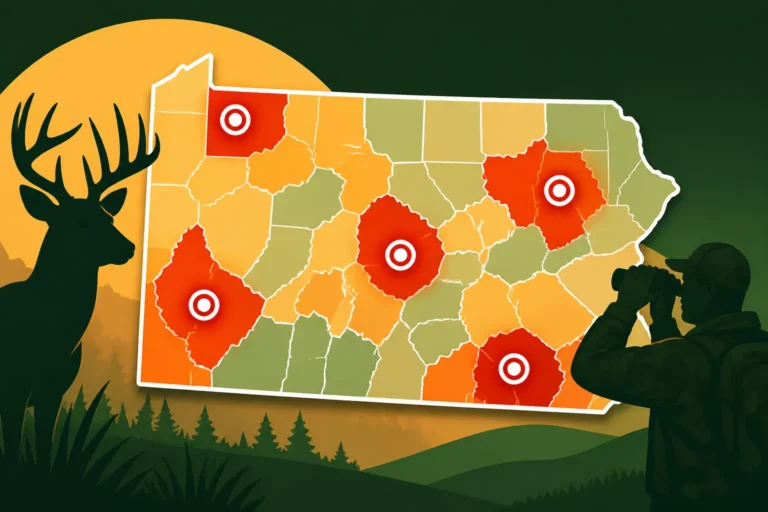
How Many Antlerless Tags You Can Hold
It’s a common frustration for Pennsylvania deer hunters: the seemingly endless quest for antlerless tags. You’ve got your general hunting license, you’re ready to fill your freezer, but understanding the nuances of how many antlerless tags you can actually hold and use, let alone get, can feel like trying to solve a complicated puzzle. This comprehensive guide will walk you through the Pennsylvania Game Commission’s antlerless license system, explaining the rules, strategies, and opportunities available to help you secure and utilize your deer tags effectively.
Understanding Pennsylvania's Antlerless Tag System
The system for antlerless tags in Pennsylvania is designed to manage the deer population across the state's diverse landscapes. It's not a simple one-size-fits-all approach, and understanding its intricacies is key to maximizing your hunting opportunities each season. The Game Commission works tirelessly to balance deer numbers with habitat health and minimize conflicts with landowners.
Why Antlerless Tags Exist
At its core, the antlerless tag system is a critical tool for deer management. While many hunters focus on trophy bucks, a healthy deer population is primarily managed through the harvest of does. When deer populations become too high, it can lead to a host of problems: over-browsing that destroys valuable timber and understory growth, increased prevalence of diseases like Chronic Wasting Disease (CWD), and significant crop damage for farmers. The Pennsylvania Game Commission (PGC) sets specific allocations of antlerless tags for each Wildlife Management Unit (WMU) with the goal of maintaining deer populations within acceptable ecological and social tolerances. Without adequate antlerless harvests, deer herds can grow unchecked, leading to a decline in overall herd health and habitat quality, which ultimately impacts the quality of hunting for everyone.
Historically, deer management wasn't always this scientific, and Pennsylvania's deer herd has seen its fair share of booms and busts. Today, the PGC uses extensive research, harvest data, and public input to inform its decisions, ensuring that the number of antlerless tags issued aligns with the biological needs of the herd and the carrying capacity of the land. This approach not only helps to provide ample hunting opportunities but also contributes to the long-term health of the ecosystem.
The WMU System and Antlerless Allocation
Pennsylvania is divided into 23 distinct Wildlife Management Units (WMUs), each with its own specific deer management objectives. This regional approach acknowledges that deer populations, habitat conditions, and hunter access vary greatly across the state. WMUs in the more agricultural southern regions, for instance, often have higher deer densities and require more aggressive antlerless harvests to mitigate crop damage and keep populations in check. Conversely, some of the more forested, mountainous WMUs might have lower deer densities and, consequently, fewer antlerless tags allocated.
The number of antlerless tags allocated to each WMU is carefully determined annually by the PGC. This decision takes into account a multitude of factors, including previous harvest data, deer population estimates, antlerless license sales from the prior year, deer-vehicle collision rates, and public input from hunters and landowners. Each tag is valid only within the WMU for which it was purchased, meaning a tag for WMU 2B cannot be used in WMU 4A, for example. This WMU-specific approach ensures that hunting pressure and harvest are distributed in a way that best serves the localized management goals. You can learn more about the specifics of the Pennsylvania Antlerless Allocation by WMU to understand how these numbers impact your hunting plans.
Resident vs. Non-Resident Tag Purchases
One of the most critical aspects of securing antlerless tags, especially in popular WMUs, is understanding the staggered sales process. Pennsylvania residents receive a significant advantage in the initial rounds of antlerless license sales. The Pennsylvania Game Commission rolls out sales in phases, typically beginning with residents only, then expanding to include non-residents.
This phased approach means that if you're a non-resident hunter hoping to secure an antlerless tag in a highly sought-after WMU, your chances are considerably slimmer than a resident's. Residents get first dibs, often leading to popular WMUs selling out quickly before non-residents even have a chance to apply. This system prioritizes Pennsylvania taxpayers who fund the Game Commission's operations, a common practice in many state wildlife agencies. It’s essential for all hunters to stay informed about the specific dates for each sales round, as missing a deadline could mean missing out on a tag altogether. Understanding How Pennsylvania Antlerless Licence Sales Work is crucial for planning your purchases.
The General Rule: How Many Antlerless Tags You Can Start With
The world of Pennsylvania antlerless tags can be a bit confusing, but there's a fundamental rule that governs your initial purchases each year. Grasping this core principle is the first step toward building your deer hunting strategy for the season.
Initial Purchase Limits
For the vast majority of hunters in Pennsylvania, the initial purchase limit for antlerless deer licenses is one per hunter per license year. This means that when the initial sales begin, you can apply for one antlerless license for a specific WMU. This "first" tag is purchased in conjunction with your general Pennsylvania hunting license. It's important to differentiate: your general hunting license allows you to hunt, but you need a separate antlerless license for each antlerless deer you intend to harvest.
Think of it like this: your general license is your driver's license, allowing you to operate a vehicle. Your antlerless tag is like a special permit for a specific type of vehicle in a specific area. Many hunters find this system a bit restrictive, especially if they have access to private land with high deer numbers or if they want to maximize their venison harvest. However, this initial limit helps to ensure a fair distribution of the available tags in the early sales rounds, giving more hunters an opportunity to secure at least one tag. As we'll explore, there are certainly ways to acquire more tags beyond this initial limit as the season progresses.
The Importance of Timing: First and Second Rounds
Timing is absolutely everything when it comes to securing antlerless tags in Pennsylvania. The Game Commission employs a staggered sales schedule, often referred to as "rounds," that can be a high-stakes game for hunters. Typically, the first round of sales is exclusively for Pennsylvania residents. If you're a resident, this is your prime opportunity to purchase your initial antlerless tag for your desired WMU. Popular WMUs, especially those in the southeastern part of the state or those known for good deer numbers, can sell out within minutes or hours of sales opening.
Following the initial resident-only period, a second round often opens, making tags available to non-residents, provided any are left in your chosen WMU. After these initial phases, any remaining tags are then made available in subsequent rounds, usually on a first-come, first-served basis, often with no residency restrictions. This is where hunters can potentially purchase additional tags, sometimes up to a set maximum, for any WMU that still has allocations. Missing the opening window for a highly coveted WMU can mean waiting until the "leftover" sales or even missing out entirely. Many hunters set alarms and are ready at their computers or at an issuing agent the moment sales open, treating it much like buying concert tickets for a popular band.
| License Type | Sales Phase | Purchase Limit (Initial) | Availability Notes |
|---|---|---|---|
| Resident Antlerless | First Round | 1 per hunter | Residents only; high demand WMUs sell out fast |
| Non-Resident Antlerless | Second Round | 1 per hunter | Non-residents gain access; many WMUs may already be sold |
| Additional Antlerless | Subsequent Rounds | Variable | Available to all; first-come, first-served; WMUs vary |
| DMAP Permits | Varies by Property | As specified by landowner | Separate from general antlerless tags |
Acquiring Additional Antlerless Tags Throughout the Season
While you start with the ability to purchase one antlerless tag, Pennsylvania offers several avenues to acquire more as the season progresses. These additional opportunities are crucial for hunters looking to fill their freezers, assist in local deer management, or simply extend their time in the woods.
The "Leftover" Tag Sales
After the initial resident and non-resident sales rounds conclude, the Pennsylvania Game Commission assesses the remaining antlerless tag allocations across all WMUs. Any tags that were not purchased in the earlier rounds are then released for sale as "leftovers." This is where many hunters find their opportunity to purchase a second or even third antlerless license. These leftover tags are typically sold on a first-come, first-served basis, and often, the residency restrictions are lifted, allowing any hunter to purchase them regardless of where they live.
The availability of leftover tags varies dramatically by WMU. Highly desirable WMUs, particularly those in the fertile farm country of southeastern Pennsylvania, rarely have many, if any, leftover tags. Hunters targeting these areas often need to be extremely diligent and quick during the initial sales. However, WMUs in the more remote Big Woods regions or those with lower deer densities often have tags available well into the season. You can sometimes find options for Late Antlerless Hunting in Pennsylvania if you keep an eye on these leftover sales. The PGC's website is the primary source for real-time updates on leftover tag availability, and it’s wise to check it frequently. Patience and persistence are key here, as availability can change daily.
DMAP Permits: An Extra Avenue
Beyond the standard WMU-specific antlerless licenses, Pennsylvania offers another significant opportunity to acquire additional tags through the Deer Management Assistance Program, or DMAP. This program is designed to help landowners, both private and public, manage deer populations on specific parcels of land. Landowners experiencing deer-related damage to crops, forests, or other resources can apply to the PGC for DMAP permits.
Once approved, these permits are then made available to hunters. DMAP permits are parcel-specific, meaning they are valid only on the designated property for which they were issued. They are completely separate from your WMU antlerless licenses, and holding a DMAP permit does not count against your ability to purchase regular antlerless tags. Hunters can acquire DMAP permits directly from participating landowners, or in some cases, the PGC makes DMAP permits for State Game Lands or State Forests available for purchase. For instance, specific blocks of Allegheny National Forest Hunting land might have DMAP permits available. Applying for a DMAP Permit often involves a small fee, and it’s a fantastic way to gain additional hunting opportunities while helping landowners mitigate deer damage. Understanding How DMAP Permits Differ From Antlerless Tags is important for planning.
Extended Seasons and Remaining Allocations
Pennsylvania's hunting seasons are structured to offer various opportunities, and sometimes, extended seasons can present a chance to utilize additional antlerless tags. The PGC might extend certain seasons or provide additional concurrent antlerless days, particularly in WMUs where harvest goals haven't been met or where deer populations remain high. These extended seasons, often in the late archery or firearms seasons, allow hunters more time in the field to fill their tags.
It's less about the extended season creating new tags and more about providing a longer window to use the tags that were already allocated and purchased. However, if a WMU still has a significant number of unpurchased antlerless tags late in the season, the PGC might announce additional sales opportunities to encourage further harvest. This is particularly true for WMUs with Chronic Wasting Disease (CWD) concerns, where aggressive harvest of does is often encouraged to help control the spread of the disease. Hunters keen on participating in these later opportunities often find themselves Hunting Pennsylvania Concurrent Antlerless Days to capitalize on the longer windows.
Practical Considerations and Strategy for Maximizing Your Tags
Holding multiple antlerless tags is one thing; successfully filling them is another. To make the most of your available tags, a well-thought-out strategy that combines research, timely action, and effective field tactics is essential.
Planning Your WMU Strategy
Before the tag sales even begin, intelligent hunters are already deep into planning their WMU strategy. This isn't just about picking a WMU close to home; it's about making informed decisions based on deer density, hunting pressure, and personal preferences. You'll want to research which WMUs have a history of higher antlerless allocations and which ones tend to sell out quickly. Looking at the previous year's harvest reports can give you a good indication of deer populations and hunter success rates in various areas. Tools like the Pennsylvania Mapping Center, or even subscription services like GoHunt, can provide invaluable data, overlaying public and private land, showing past harvest locations, and giving insights into deer movement patterns.
Consider what kind of hunting experience you're after. Do you prefer the challenge of the deep woods in areas like Sproul State Forest, or the more open farm country edges in Southern Pennsylvania? Each WMU offers a different experience, and matching your hunting style to the right WMU can significantly increase your chances of success. If your goal is to fill multiple tags, you might prioritize WMUs with historically high antlerless allocations and a strong chance of tags being available in later rounds. Conversely, if you're only looking for one tag in a specific, high-demand area, you'll need to be ready to act fast on opening day of sales.
The "Over-the-Counter" Experience
Gone are the days when applying for antlerless licenses involved mailing in pink envelopes and anxiously awaiting a postcard. Today, purchasing antlerless licenses is largely an "over-the-counter" experience, even if you’re doing it from your couch. The Pennsylvania Game Commission's online licensing system, along with authorized issuing agents (like sporting goods stores and county treasurers), means you can buy your licenses instantly. This shift has made the process faster but also significantly more competitive, especially for those highly coveted WMUs.
When the sales open for specific rounds, particularly the initial resident-only round, you need to be prepared. Have your PGC ID number handy, know exactly which WMU you want a tag for, and be ready to click "submit" as soon as the clock ticks over. The speed at which some WMUs sell out can be astonishing, often within minutes. While the term "over-the-counter" might conjure images of leisurely shopping, for Pennsylvania antlerless tags, it’s often a race against thousands of other hunters with the same goal. It's not uncommon to hear stories of hunters refreshing their browser pages repeatedly or lining up early at issuing agents to be among the first. This urgency is particularly true for non-resident Antlerless Licence Cost in Pennsylvania, as they often get access later.
Maximizing Opportunities with Multiple Tags
Let's say you've successfully navigated the sales rounds and secured a couple of antlerless tags. Now what? The real work begins in maximizing those opportunities. Having multiple tags allows for greater flexibility and can significantly increase your venison yield, but it also requires more planning and effort. You might decide to focus your early season efforts on filling one tag in a more accessible area, then venture into more challenging terrain or further afield for your second.
Consider the timing of your hunts. You might use one tag during the archery season and another during the firearms season. Or, if you've managed to secure tags for a WMU with an extended late season, you can plan dedicated trips specifically for those colder, late-season hunts. Remember that Filling a Second Antlerless Tag isn't just about the hunt; it's about the logistics of processing two deer. Ensure you have adequate freezer space, and consider your butchering capabilities or the availability of local processors. Having multiple tags can also be a great way to introduce new hunters to the sport, as they can focus on harvesting a doe without the added pressure of buck-specific regulations like Counting Antler Points From a Stand.
Important Rules and Regulations to Remember
Navigating Pennsylvania's hunting regulations is paramount, especially when dealing with specific license types like antlerless tags. Adhering to these rules ensures a legal, ethical, and enjoyable hunting experience for everyone.
WMU Specificity and Transferability
This is a critical point that cannot be overstated: Pennsylvania antlerless licenses are strictly WMU-specific and are not transferable between WMUs. If you purchase an antlerless tag for WMU 2D, you absolutely cannot use it to harvest an antlerless deer in WMU 4A, even if you have another general hunting license that covers WMU 4A. Each tag is tied to its designated Wildlife Management Unit, and attempting to use it elsewhere is a serious violation.
This strict rule is a cornerstone of the PGC's management strategy. It ensures that antlerless harvests occur in the specific areas where they are needed most, based on localized population data and habitat conditions. While it might seem inconvenient if your plans change or if deer numbers shift unexpectedly, it's essential for maintaining the integrity of the management system. Always double-check your tag to ensure it matches the WMU you are hunting in. This rule is Why Antlerless Tags Are WMU-Specific is such an important topic for hunters to grasp.
Reporting Requirements and Deadlines
Harvesting a deer in Pennsylvania comes with the mandatory responsibility of reporting your kill to the Pennsylvania Game Commission. This isn't just a formality; it's a vital part of the PGC's data collection, which directly informs future deer management decisions, including how many antlerless tags are allocated each year. For every deer harvested, you must affix your tag immediately after the kill and then report the harvest online or by phone within 24 hours.
Failure to properly tag or report your deer is a violation of state law. The information you provide—such as the WMU, date of kill, and whether it was an antlered or antlerless deer—is meticulously collected and analyzed. This data helps the PGC understand harvest trends, evaluate the effectiveness of their management strategies, and project future population numbers. Accurate and timely reporting by every hunter is crucial for maintaining healthy deer herds and ensuring sustainable hunting opportunities for years to come. Familiarize yourself with all Pennsylvania Deer Tagging Requirements and the process for Reporting a Pennsylvania Deer Harvest.
Hunter Orange and Other Safety Rules
Safety should always be your number one priority in the woods, especially when hunting with multiple tags, which might mean more trips or different seasons. Pennsylvania has specific requirements for hunter orange, which vary depending on the season and species hunted. For example, during the regular firearms deer season, all hunters are generally required to wear a minimum amount of fluorescent orange material visible 360 degrees. While the specifics can change, adhering to these rules is non-negotiable.
Beyond hunter orange, always practice safe firearm handling, be absolutely sure of your target and what lies beyond it, and hunt within your effective range. When scouting or setting up stands, especially in areas with varying terrain like Hunting Oak Ridges and Benches, consider safety harnesses for treestand hunting. If you're utilizing multiple antlerless tags, you might be out in the woods more frequently and in different areas, increasing your exposure to other hunters and varying conditions. Always inform someone of your hunting location and expected return time. Safety rules are not just guidelines; they are crucial measures designed to prevent accidents and ensure everyone has a safe and responsible experience in the Pennsylvania outdoors. Always consult the current digest for the most up-to-date Pennsylvania Hunter Orange Rules and other safety regulations.
Adapting to Changing Regulations and Staying Informed
The world of wildlife management isn't static, and neither are hunting regulations. What was true last year might have changed this season, so staying adaptable and informed is crucial for any serious hunter in Pennsylvania.
Why Rules Change: PGC's Adaptive Management
The Pennsylvania Game Commission employs an adaptive management approach to wildlife. This means they are constantly monitoring deer populations, habitat conditions, disease prevalence (like CWD), agricultural damage, and hunter success rates. These factors are dynamic and can shift from year to year due to environmental changes, weather patterns, disease outbreaks, or even human impact. For example, a severe winter could lead to higher deer mortality, prompting the PGC to reduce antlerless allocations the following season to allow the population to recover.
Conversely, a series of mild winters and abundant food sources might lead to a booming deer population, necessitating an increase in antlerless tags to prevent overpopulation and habitat degradation. The PGC also considers public input, conducting surveys and holding meetings to gather feedback from hunters, landowners, and other stakeholders. These changes, though sometimes frustrating to keep up with, are ultimately designed to ensure the long-term health and sustainability of Pennsylvania's deer herd and its ecosystems.
Best Resources for Up-to-Date Information
In a world of constantly evolving regulations, knowing where to find the most accurate and up-to-date information is invaluable. The absolute best resource for anything related to Pennsylvania hunting licenses and seasons is the official Pennsylvania Game Commission website. They regularly update their site with current regulations, season dates, antlerless tag availability, and important announcements. Make it a habit to check it before and during the season.
Additionally, subscribing to the PGC's newsletters or following their official social media channels can provide timely alerts about license sales, regulation changes, and other critical information. Many reputable hunting publications and online forums also offer excellent summaries and discussions about Pennsylvania hunting, though always cross-reference with the official PGC sources. Services like GoHunt can also be fantastic for consolidating information, providing mapping tools, and offering insights into specific WMUs, helping you stay ahead of the curve with real-time updates and strategic planning. Don't forget that the annual Pennsylvania Hunting & Trapping Digest, available wherever licenses are sold, is your physical bible for all regulations and is essential reading before each season.
Disclaimer
The information provided in this article is for general guidance and informational purposes only and does not constitute legal advice. Hunting regulations in Pennsylvania are subject to change, and it is the sole responsibility of each hunter to consult the most current Pennsylvania Game Commission regulations and digest before engaging in any hunting activities. Always verify dates, rules, and requirements with official PGC sources.