Antler Rules Inside a CWD Containment Zone
It's incredibly frustrating to try and keep up with all the changing regulations in Pennsylvania hunting, especially when it comes to something as serious as Chronic Wasting Disease (CWD). The rules can feel like a moving target, leaving many of us wondering exactly what constitutes a legal deer when you're hunting in one of those CWD containment zones. This guide is here to untangle the specifics of antler restrictions when you find yourself hunting within a Disease Management Area (DMA) in Pennsylvania, ensuring you understand your responsibilities and can hunt confidently and legally.
Understanding Pennsylvania's CWD Disease Management Areas (DMAs)
Chronic Wasting Disease (CWD) is a topic no hunter enjoys discussing, but it's a reality we must face to protect our deer herd. The Pennsylvania Game Commission (PGC) has established Disease Management Areas (DMAs) as a critical tool in its arsenal to monitor and hopefully contain the spread of this fatal neurological disease affecting cervids like deer, elk, and moose.
The Reality of Chronic Wasting Disease in Pennsylvania
CWD is a serious concern because it's always fatal for the animals infected, and there's currently no cure or vaccine. It spreads through direct animal-to-animal contact and indirectly through environmental contamination, primarily via saliva, urine, and feces. Once CWD prions are in the soil, they can remain infectious for years, making containment incredibly challenging. The PGC's efforts, including the establishment of DMAs, are all about slowing that spread. These aren't just arbitrary lines on a map; they represent areas where CWD has been detected or is deemed at high risk of spreading, prompting intensified surveillance and specific regulations for hunters. Understanding the full scope of the disease, including Where CWD Was First Found in Pennsylvania and how it has expanded, helps underscore why these measures are so important. It’s about more than just one deer; it's about the health of the entire herd for generations to come.
Pinpointing DMA Boundaries for Hunters
One of the biggest headaches for hunters is figuring out if their favorite hunting spot falls within a DMA. The boundaries can sometimes be complex, following roads, waterways, or property lines, rather than neat, straight WMU borders. It’s absolutely essential to know where you stand before you head into the woods. The PGC provides detailed maps on its website, and they are regularly updated. I highly recommend using digital mapping tools, like those offered by GoHunt, or the PGC's own Pennsylvania Mapping Center, which can overlay DMA boundaries onto topographical maps, making it much easier to visualize on your phone or GPS unit in the field. Don't rely on memory or old maps; verify your location every season. Road signs also mark DMA borders, but you might not encounter them until you're already in the zone. Double-checking online resources like Which Counties Are in a Pennsylvania DMA is a proactive step every hunter should take. Knowing these boundaries is your first line of defense against inadvertently violating regulations.
Antler Restrictions: What Doesn't Change in a CWD Zone
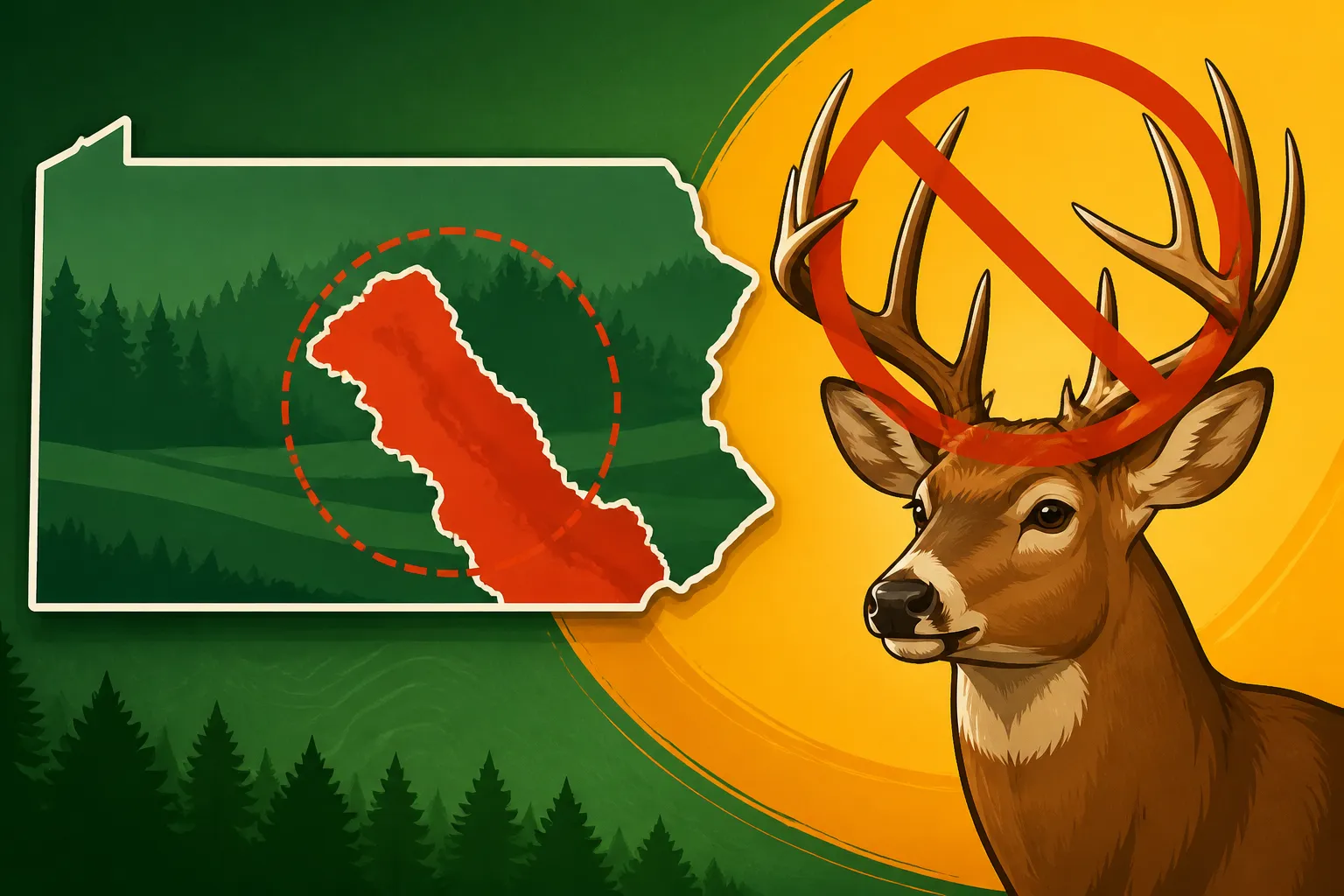
This is where a lot of the confusion comes in, and it’s a critical point to clarify. Many hunters mistakenly believe that antler restrictions change when you're hunting inside a CWD Disease Management Area. Let me be absolutely clear: the specific antler point rules for a legal buck do NOT change within a CWD DMA.
Standard Antler Rules Apply Everywhere
Pennsylvania's antler restrictions are set at the Wildlife Management Unit (WMU) level, and these WMU rules remain consistent whether your hunting grounds are inside or outside a DMA. For most of the state, an antlered deer is considered legal if it has at least three points on one antler (excluding the brow tine), or if it has an antler that is at least three inches long. In specific WMUs, known as the "three-up" zones, a legal buck must have at least three points on one side (including the brow tine). This is consistent with rules you can find in resources like Pennsylvania Antler Restrictions by WMU or What Counts as a Legal Pennsylvania Buck.
This means if you're hunting in WMU 2G, which normally requires three points on one side for a legal buck, that same rule applies even if WMU 2G contains a CWD DMA. The age structure and management goals for the deer herd within that WMU are paramount to these rules, and CWD mitigation strategies primarily focus on carcass management and testing, not altering the definition of a legal antlered deer. So, before you pull the trigger, make sure you know your WMU's specific antler requirement and count those points carefully. This applies to all hunters, whether you’re a junior hunter with a mentored permit or a seasoned veteran chasing a trophy.
Demystifying the Confusion: Carcass Rules vs. Antler Rules
The reason so many hunters get tripped up on this is that while antler rules don't change, the rules regarding what you can do with a harvested deer carcass certainly do. This is the crux of the CWD regulations within a DMA. The PGC implements strict Pennsylvania CWD Carcass Rules to prevent the physical spread of the disease-causing prions.
For example, when you harvest a deer in a DMA, you generally cannot transport the high-risk parts (brain, spinal cord, spleen, lymph nodes, eyes) out of that DMA. You can usually take boned-out meat, cleaned skull plates with antlers, hides, and capes (without the skull or brain matter) out of the zone. This requirement to process the deer extensively in situ or at a PGC-approved facility within the DMA often leads hunters to think that the antler rules are somehow different, because the handling of an antlered deer is. But again, to be crystal clear, if you see a buck that meets your WMU’s antler point requirement inside a DMA, it is a legal buck to harvest. The challenge isn't counting points; it's what you do after the shot to comply with carcass regulations. This distinction is vital for avoiding violations and supporting disease management efforts.
Mandatory Measures When Hunting Inside a CWD Containment Zone
Hunting in a CWD containment zone isn't just about following the standard hunting laws; it comes with additional, mandatory responsibilities designed to help control the spread of this devastating disease. These measures are crucial, and compliance from every hunter is paramount to the PGC's management strategy.
Critical Carcass Movement and Disposal Regulations
One of the most significant changes when hunting in a DMA revolves around how you handle your harvested deer. As mentioned, the main goal is to prevent the transport of high-risk deer parts (brain, spinal cord, spleen, lymph nodes, eyes) outside of the DMA boundaries. This means that if you kill a deer in a DMA, you'll need to either:
- Process it within the DMA: This is the most straightforward way. If you have access to a camp or a butcher within the DMA, you can bone out the meat, clean the skull plate (antlers attached), and process the hide there. Only the low-risk parts can then leave the zone.
- Take it to a PGC-approved collection site: The PGC often sets up specific collection bins or stations within DMAs where hunters can deposit high-risk parts for proper disposal. This saves you the trouble of on-site processing if you don't have the facilities.
- Utilize a taxidermist or processor within the DMA: Many taxidermists and meat processors located within DMAs are familiar with the regulations and can handle the high-risk parts appropriately.
These regulations are serious, and violations can lead to hefty fines. Ignorance of the rules is not an excuse. Always have a plan for carcass management before you pull the trigger, especially if you're hunting remotely or far from home. This includes knowing where the nearest disposal sites or approved processors are located. You can often find this information on the PGC's website or by contacting your regional PGC office.
The Importance of CWD Testing for Disease Surveillance
Another vital component of hunting within a DMA is CWD testing. Depending on the specific DMA and the time of year, testing might be voluntary or mandatory. The PGC uses these tests to monitor the prevalence and spread of CWD within the deer population. Even if testing is voluntary, it's highly encouraged, as it provides invaluable data to wildlife biologists.
For mandatory testing, you’ll typically be required to submit the head of your harvested deer (or specific lymph nodes) at designated collection sites or check stations. These stations might be manned by PGC staff during certain periods, or they could be unmanned drop-off locations. When mandatory testing is in effect, failing to submit your deer for testing is a violation. Always check the current regulations for the specific DMA you're hunting in. The process is usually quite simple: fill out a form, provide your harvest tag number, and drop off the head. This small act is a huge contribution to understanding and managing CWD. Hunters often underestimate how much their participation in programs like Pennsylvania CWD Testing for Hunters directly aids wildlife conservation efforts.
Adapting Your Hunting Strategy to DMA Requirements
Hunting in a DMA might require some adjustments to your usual routine. Because of the carcass movement restrictions, packing out boned meat might become a more common practice for those hunting deeper in the woods. This is where a good pack frame and a sturdy knife are invaluable. Also, consider the logistics of where you’ll do your processing or where you’ll drop off high-risk parts. It might mean adjusting your hunting hours to ensure you have enough daylight to quarter a deer or get it to a collection site before it closes.
Furthermore, hunters in DMAs should be extra diligent about preventing the spread of CWD. This includes not using urine-based lures (which could potentially spread prions) and being mindful of Pennsylvania Deer Feeding and Baiting Rules, as congregating deer at feed sites can increase disease transmission. Using tools from GoHunt to mark potential processing spots or collection points on a map can be a real game-changer. Staying informed through the PGC's latest updates is your best defense against surprises. By embracing these responsibilities, we, as hunters, become active participants in the long-term health of Pennsylvania’s deer herd, ensuring that future generations can enjoy the wild spaces we cherish. For additional insights on hunting in these specific zones, consider looking into articles like Hunting Pennsylvania's Uninterrupted Firearms Season, as the general season rules still apply alongside these CWD-specific directives.
Here's a quick reference table to help clarify the nuances:
| Feature | Hunting Outside a CWD DMA (General PA Rules) | Hunting Inside a CWD DMA (Additional Rules Apply) |
|---|---|---|
| Antler Restrictions | WMU-specific (e.g., 3 points on one side for most zones) | REMAINS THE SAME as the WMU-specific rules |
| Carcass Movement | No restrictions on transporting whole deer across WMUs | RESTRICTED: High-risk parts (brain, spine, etc.) cannot leave the DMA. |
| CWD Testing | Voluntary, usually by request or for surveillance | Often MANDATORY for harvested deer (check specific DMA rules). |
| Deer Feeding/Baiting | Prohibited (always check local ordinances/PGC rules) | Prohibited, with heightened emphasis on preventing deer congregation. |
| Hunter Responsibility | Ethical harvest, reporting, general compliance | All general rules PLUS strict adherence to CWD-specific carcass and testing rules. |
Disclaimer
The information provided in this guide is for general informational purposes only and is not intended to be legal advice. Hunting regulations in Pennsylvania, especially concerning CWD, are subject to change. Always consult the most current official Pennsylvania Game Commission digest or website for the exact and up-to-date regulations before heading afield.