Pennsylvania CWD Testing for Hunters
The moment you harvest a deer in Pennsylvania, a wave of emotions washes over you – excitement, satisfaction, and maybe a little relief. But in today's hunting landscape, especially with the ever-present concern of Chronic Wasting Disease (CWD), that feeling is often tempered with the question of what comes next. Navigating the rules for CWD testing and carcass disposal can feel like an extra layer of complexity, especially when you just want to celebrate your successful hunt. This comprehensive guide is here to demystify the process, explain why these measures are crucial, and provide clear, actionable steps for Pennsylvania hunters dealing with CWD testing.
Understanding Chronic Wasting Disease in Pennsylvania
Chronic Wasting Disease (CWD) is a persistent and growing challenge for wildlife management in Pennsylvania, and frankly, it's something every hunter needs to understand. It's not just a buzzword; it's a very real threat to our deer herd and the future of hunting in the state. Getting a handle on what CWD is and how it impacts our deer populations is the first step in being a responsible conservationist.
What is CWD and How Does It Spread?
CWD is a neurological disease that affects cervids, which include deer, elk, and moose. It's caused by abnormal proteins called prions that slowly accumulate in the brain and other tissues. Think of it like a slow-motion, debilitating disease that eventually leads to death. What makes CWD particularly concerning is that these prions are incredibly hardy; they can survive in the environment for years, even after an infected animal has decomposed. This means contaminated soil or plants can continue to be sources of infection for healthy deer. It's not bacterial or viral in the traditional sense, which makes it particularly difficult to eradicate once it's established. The disease can spread directly from animal to animal through contact with saliva, urine, and feces, and indirectly through environmental contamination from infected carcasses or waste. This persistent nature is why we, as hunters, need to be so diligent.
History of CWD in the Commonwealth
Pennsylvania's battle with CWD began in 2012 when the first positive CWD case was detected at a captive deer facility in Adams County. Soon after, it was found in the wild deer population in the surrounding areas. Since then, the disease has steadily spread, with new positive cases emerging in additional counties. It's a somber reality that the footprint of CWD continues to grow, impacting areas that were once considered CWD-free. The Pennsylvania Game Commission (PGC) has been tracking its spread meticulously, and the data paints a picture of a persistent threat that requires ongoing vigilance and adaptation from all of us who cherish our wild deer. Understanding the history helps us appreciate the seriousness of the current situation and why the PGC implements the rules they do.
What Are Disease Management Areas DMAs
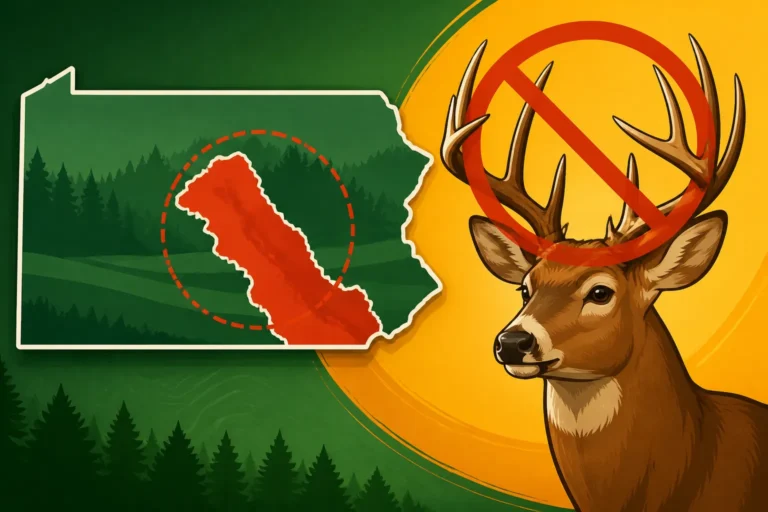
To combat the spread of CWD, the PGC designates specific regions as Disease Management Areas, or DMAs. These are crucial zones where special regulations are put in place to monitor and control the disease. Imagine a DMA as a protective bubble around known CWD hotspots, designed to contain the spread and minimize the risk to the broader deer population. The boundaries of these DMAs are clearly defined and often encompass multiple townships or even entire counties. Within these areas, hunters face different rules regarding carcass movement, feeding, and sometimes even additional testing requirements. Staying informed about the latest DMA boundaries is absolutely essential, as they can change annually based on new CWD detections. You can find up-to-date maps on the PGC website or through resources like GoHunt, which often integrates this information into its mapping tools. Knowing if you're hunting within a DMA can significantly impact your post-harvest plans.
Mandatory CWD Testing for Hunters
For hunters, understanding mandatory CWD testing is critical, especially if you're fortunate enough to hunt in or near a Disease Management Area (DMA). The goal of mandatory testing isn't to inconvenience you, but to gather vital data that helps wildlife biologists track the disease's spread and, hopefully, develop more effective management strategies. It's a collective effort, and your participation is a key part of the solution.
When and Where Mandatory Testing Occurs
Mandatory CWD testing typically occurs during specific periods, most notably during the opening days of the general firearms deer season. This is when the largest number of deer are harvested, providing the PGC with a crucial window to collect a high volume of samples. While the specific dates and locations can vary slightly year to year based on disease prevalence and resource availability, the PGC will clearly communicate these mandatory testing periods well in advance. Hunters generally receive this information through the annual hunting digest, PGC press releases, and often, alerts on their GoHunt app if they use it to scout their zones. It’s always a good idea to check the most current regulations for the specific Wildlife Management Unit (WMU) you plan to hunt, especially if it's close to or within a known DMA.
During these mandatory periods, if you harvest a deer within a designated DMA or certain targeted surveillance areas, you are legally required to submit the deer's head for CWD testing. This isn't optional; it's a critical component of the state's CWD management strategy. Imagine if only a fraction of hunters participated; the data would be incomplete and less useful, hindering efforts to protect the overall deer herd. This means taking the time to properly process your deer and then transport the head to a designated collection point.
Designated Check Stations and Self-Service Depots
The Pennsylvania Game Commission makes it as convenient as possible to comply with mandatory testing requirements by setting up a network of designated check stations and self-service depots. Check stations are often staffed by PGC personnel or volunteers who can assist you with the process, answer questions, and ensure proper sample collection. These are typically set up in high-traffic areas during peak hunting days. However, self-service depots are becoming increasingly common. These are typically large metal containers or kiosks where you can deposit the head of your harvested deer. Each depot will have clear instructions on how to properly tag the head with your harvest tag information, ensuring the sample can be linked back to your harvest.
It’s your responsibility to locate these stations or depots before you head into the field, especially if you know you’ll be hunting in a DMA. You can find maps and lists of these locations on the PGC website. Some regions might also have arrangements with local meat processors or taxidermists who act as collection points, making the process even smoother. Remember, you'll need to remove the cape (skin and hair from the neck and shoulders) if you plan on getting a shoulder mount, and keep the skull plate and antlers separate from the head that is submitted for testing. This is why understanding the specific Pennsylvania CWD Carcass Rules is so important.
Specific Carcass Rules for DMAs
Hunting within a DMA comes with specific rules regarding the movement and disposal of deer carcasses. These rules are designed to prevent the physical spread of CWD-infected materials to new areas. The core idea is simple: if you harvest a deer in a DMA, certain high-risk parts of that deer should not leave the DMA. This is where many hunters find themselves scratching their heads, especially if they're used to taking their deer home across county lines.
The "high-risk" parts include the brain, spinal cord, eyes, spleen, and lymph nodes – basically, the parts where CWD prions concentrate. This often means that if you harvest a deer in a DMA and want to take it home outside that DMA, you must first remove these high-risk parts. You can do this by deboning the meat and leaving the spine and head within the DMA, or by taking the deer to an approved taxidermist or butcher shop within the DMA that is equipped to handle and dispose of these parts safely. If you do take the whole carcass to an approved processor within the DMA, they will handle the proper disposal. Understanding these rules protects both the local herd and herds in other parts of the state. For instance, you absolutely cannot just haul a whole deer carcass from a known CWD hotspot in Southeastern Pennsylvania, say from WMU 5C, to the northern tier without processing it first. Always check the most recent Pennsylvania CWD Disease Management Areas guidelines before your hunt.
Voluntary CWD Testing Options
While mandatory testing is important, voluntary testing offers another layer of insight into CWD prevalence and provides hunters with peace of mind. Not every harvested deer will fall under mandatory testing requirements, but that doesn't mean you can't still contribute to the fight against CWD and get your deer tested if you choose.
Submitting Samples Outside of Mandatory Periods
Even if you hunt outside a designated DMA or harvest a deer during a season not covered by mandatory testing (like early archery season), you still have the option to get your deer tested for CWD. This voluntary testing is incredibly valuable because it helps the PGC monitor areas where CWD might be present but hasn't yet reached a threshold for mandatory testing. Think of it as an early warning system. If you notice a deer exhibiting unusual behavior or simply want the assurance that your venison is CWD-free, you can often arrange to submit a sample.
The process typically involves removing the deer's head yourself and bringing it to a PGC regional office or an approved collection site. You'll need to fill out a submission form, providing details about where and when the deer was harvested, along with your contact information. The PGC will then send the sample to a lab for testing, and you'll usually be notified of the results within a few weeks. It's a small effort that can yield significant results for wildlife management, and it speaks to a hunter's dedication to the health of the herd. This can be especially useful for those hunting in WMUs where CWD is still rare or newly detected.
Working with Cooperating Butchers and Taxidermists
Many local butchers and taxidermists in Pennsylvania are key partners in the CWD surveillance effort. They often serve as convenient collection points for voluntary CWD samples, and sometimes even for mandatory samples depending on their location and PGC agreements. These are professionals who understand the specific requirements for CWD testing and can guide you through the process, making it much easier than trying to navigate it on your own.
When you take your deer to a cooperating butcher, they can often collect the necessary lymph node samples from the head as part of their processing routine. Similarly, a taxidermist can collect samples before caping out the head for mounting. These businesses are usually well-versed in the tagging and submission procedures, ensuring your sample is correctly handled and submitted to the PGC. It's always a good idea to call ahead to your chosen processor or taxidermist to confirm their CWD testing services and any associated fees. This partnership between hunters, businesses, and the PGC is a testament to the collaborative spirit needed to tackle complex wildlife health issues. Services like those offered by many local meat processors listed on the GoHunt platform can often be found by searching your area.
Using Online Resources like GoHunt for Information
In this digital age, staying informed about CWD has never been easier, thanks to online resources. The Pennsylvania Game Commission's website is the primary authoritative source for all CWD-related information, including current DMA boundaries, testing locations, and updated regulations. However, other platforms like GoHunt can also be incredibly helpful. GoHunt, for example, often integrates PGC data into its mapping and information features, allowing hunters to see CWD-affected areas and testing locations directly on their scouting maps. This can be a huge time-saver and provide critical information when planning a hunt.
These online resources typically offer clear, concise explanations of the rules, provide maps of DMAs, list mandatory testing dates, and outline the steps for voluntary testing. They can also offer guidance on what to do if you harvest a deer in a CWD-positive area, including specific Pennsylvania CWD Carcass Rules for disposal. Taking a few minutes to review these resources before each hunting season can prevent a lot of headaches and ensure you're fully compliant with all CWD management efforts.
Handling Your Harvest in CWD Management Areas DMAs
Navigating the rules for handling your deer harvest within a Disease Management Area (DMA) can feel like a whole new ballgame compared to hunting outside one. The regulations are there for a very good reason – to prevent the further spread of CWD prions. It’s not just about obeying the law; it's about being a responsible steward of Pennsylvania’s incredible deer resource.
What You Can and Cannot Do with a Carcass
When you harvest a deer within a DMA, specific restrictions apply to the parts of the carcass you can move and where. The general principle is to prevent high-risk parts, where CWD prions concentrate, from leaving the DMA. You can take out deboned meat, clean antlers, hides, and skull plates that have had all brain and nervous tissue removed. This means you'll likely need to process your deer differently than if you were outside a DMA. For example, if you plan to shoulder-mount your buck, you'll need to remove the cape and skull plate, ensuring all brain material is removed from the skull plate, while leaving the rest of the head (brain, spinal column, etc.) within the DMA for proper disposal.
What you cannot do is take whole carcasses, or any high-risk parts like the head (with brain intact), spinal column, spleen, or lymph nodes, out of a DMA. This restriction is crucial because these parts are the most likely to carry and transmit CWD. It requires hunters to either process their deer entirely within the DMA, dispose of high-risk parts within the DMA, or take the carcass to an approved processor or taxidermist located within the DMA who can handle the proper disposal. This isn't just a suggestion; it's a legal requirement, and violations can carry serious penalties. It's part of the reason knowing your Pennsylvania Deer Tagging Requirements is essential.
Transporting Deer Out of a DMA
Transporting a harvested deer out of a DMA requires careful planning and adherence to specific regulations. If you wish to take your deer home and you live outside the DMA, you essentially have two main options for making it legal. The first is to thoroughly process the deer within the DMA itself. This means deboning all the meat, separating the hide, and cleaning the skull plate and antlers (if desired) so that no brain or spinal column tissue remains attached. All high-risk parts must be left behind in approved disposal units within the DMA.
The second option is to transport the intact carcass directly to an approved CWD cooperator meat processor or taxidermist that is also located within the DMA. These cooperators are equipped and authorized to properly dispose of the high-risk parts, ensuring they do not leave the CWD management zone. You cannot, under any circumstances, transport a whole deer carcass from a DMA to a processor or your home outside of the DMA. This is one of the most critical rules to follow to prevent inadvertent spread of the disease across Pennsylvania. Always consult the PGC’s official guidelines or check resources like GoHunt for the most current information regarding specific DMAs and their transport rules.
Disposal of High-Risk Parts
Proper disposal of high-risk deer parts (brain, spinal cord, spleen, lymph nodes) is perhaps the most critical component of CWD management for hunters. If you process your deer yourself within a DMA, you are responsible for ensuring these parts are disposed of correctly. This usually means utilizing designated dumpsters or collection bins provided by the PGC within the DMA. These bins are specifically marked for CWD waste and are managed to ensure the prions do not contaminate the environment.
Never, ever dispose of these parts by simply leaving them in the woods, along a roadside, or in your household trash if you are outside a DMA. Such actions could inadvertently spread CWD to new areas, undermining all the efforts being made to control the disease. If you use a cooperating butcher or taxidermist within the DMA, they will handle the disposal according to PGC guidelines. It's a shared responsibility, and every hunter plays a vital role in preventing the spread of CWD. If you harvest a deer in a DMA and have questions about disposal, always err on the side of caution and contact the PGC or a local wildlife officer for guidance.
Why CWD Testing Matters for Pennsylvania Hunters
It's easy to see CWD testing and associated regulations as an inconvenience, an extra step in an already demanding hunting experience. But looking beyond the immediate hassle reveals a much larger, more critical picture. CWD testing is not just about compliance; it's about the long-term health of our deer herds, our hunting heritage, and our collective responsibility as conservationists.
Protecting the Future of the Deer Herd
The most fundamental reason CWD testing matters is the protection of Pennsylvania's deer herd. CWD is a fatal disease, and left unchecked, it has the potential to decimate deer populations. By actively testing, we are gathering crucial data that helps the Pennsylvania Game Commission understand the disease's prevalence, its geographical spread, and its impact on herd health. This information is vital for making informed management decisions, such as adjusting harvest quotas, implementing feeding bans (check Pennsylvania Deer Feeding and Baiting Rules for specifics), or refining DMA boundaries. Without robust testing, we'd be flying blind, unable to effectively combat a disease that threatens the very core of our hunting tradition.
Imagine a future where deer populations decline severely due to CWD, impacting not just hunting opportunities but also the ecological balance of our forests. The efforts we make today, including every single sample submitted, are an investment in preventing such a future. It's a testament to the long-standing commitment of hunters to wildlife conservation, ensuring that future generations can enjoy the same rich hunting experiences we do.
Hunter Responsibility and Conservation
As hunters, we are often described as the original conservationists, and for good reason. Our passion for the outdoors and wildlife naturally leads us to advocate for and participate in efforts to protect it. CWD testing falls squarely within this responsibility. It's a chance to actively contribute to the health and sustainability of the resource we cherish. Every hunter who submits a sample, adheres to carcass movement restrictions, and educates themselves about CWD is taking a tangible step towards conservation.
This collective action reflects a deep understanding that hunting is not just about the harvest, but about the stewardship of wildlife. It demonstrates our commitment to ethical practices and our willingness to adapt to new challenges for the greater good of the herd. By participating, we validate the PGC's efforts and strengthen the bond between hunters and wildlife management, ensuring a healthy future for Pennsylvania's magnificent white-tailed deer. If you're looking for more ways to contribute, learning about Pennsylvania Hunters Sharing the Harvest programs can be another great option.
Staying Informed with GoHunt and PGC Resources
The landscape of CWD management is dynamic; rules and DMA boundaries can change as new information emerges. Staying informed is therefore paramount for every Pennsylvania hunter. The Pennsylvania Game Commission's website is the authoritative source for all official updates, maps, and regulations. It's regularly updated with the latest news on CWD detections, changes to DMAs, and testing protocols. Make it a habit to check their CWD pages before each hunting season, and certainly before venturing into any known CWD area.
Beyond the PGC, resources like GoHunt can offer convenient access to this information, often integrated into their mapping and scouting tools. Many hunters find these third-party platforms incredibly useful for quickly cross-referencing their hunting locations with current DMA boundaries and locating testing sites. Regularly consulting these resources ensures you're always operating with the most current information, allowing you to plan your hunt effectively, comply with all regulations, and contribute meaningfully to the ongoing fight against CWD. Staying proactive about learning the Pennsylvania Deer Seasons and WMU Rules in conjunction with CWD information will make you a more prepared and responsible hunter.
Pennsylvania Disease Management Area Rules Summary
Navigating the various rules can be tricky, so here's a quick reference table to summarize the key CWD regulations specific to Disease Management Areas (DMAs) in Pennsylvania. Always remember to check the current year's PGC Hunting & Trapping Digest or their website for the most up-to-date and precise information, as these rules can change.
| Rule Category | Regulation Details Within a DMA |
|---|---|
| Carcass Movement | Cannot take high-risk parts (brain, spinal cord, eyes, spleen, lymph nodes) out of the DMA. Can take out deboned meat, clean hides, clean skull plates (with no brain tissue), and clean antlers. |
| Carcass Transport | Whole carcasses harvested in a DMA can only be transported to a PGC-approved CWD cooperator (butcher or taxidermist) within the DMA, or processed on-site within the DMA, with high-risk parts left behind. |
| Mandatory Testing | If hunting during designated mandatory testing periods (typically early firearms season) in a DMA, the head of harvested deer (antlered or antlerless) must be submitted at a designated PGC collection site or cooperator within the DMA. |
| Voluntary Testing | Heads can be submitted for voluntary CWD testing at PGC regional offices or participating cooperator locations, even if not within a mandatory testing period or DMA. |
| Disposal of Parts | High-risk parts remaining after home processing within a DMA must be disposed of in designated PGC CWD dumpsters/collection bins or buried on private property where the deer was harvested. Never dispose of high-risk parts in regular trash or by roadside dumping if outside a DMA. |
| Baiting & Feeding | Prohibited within all DMAs to prevent the unnatural concentration of deer, which increases disease transmission risk. This includes mineral blocks, corn, apples, and similar attractants. Consult specific Pennsylvania Deer Feeding and Baiting Rules for details, as exceptions may exist for normal agricultural operations or certain hunting methods (e.g., incidental food plots). |
Disclaimer
The information provided in this guide is intended for general informational purposes only and is subject to change. While we strive to offer accurate and up-to-date content, hunting regulations, CWD management policies, and DMA boundaries in Pennsylvania are dynamic. It is the hunter's sole responsibility to consult the official Pennsylvania Game Commission (PGC) website and the current year's PGC Hunting & Trapping Digest for the most accurate and legally binding information before participating in any hunting activities. Always prioritize safety and legal compliance above all else.