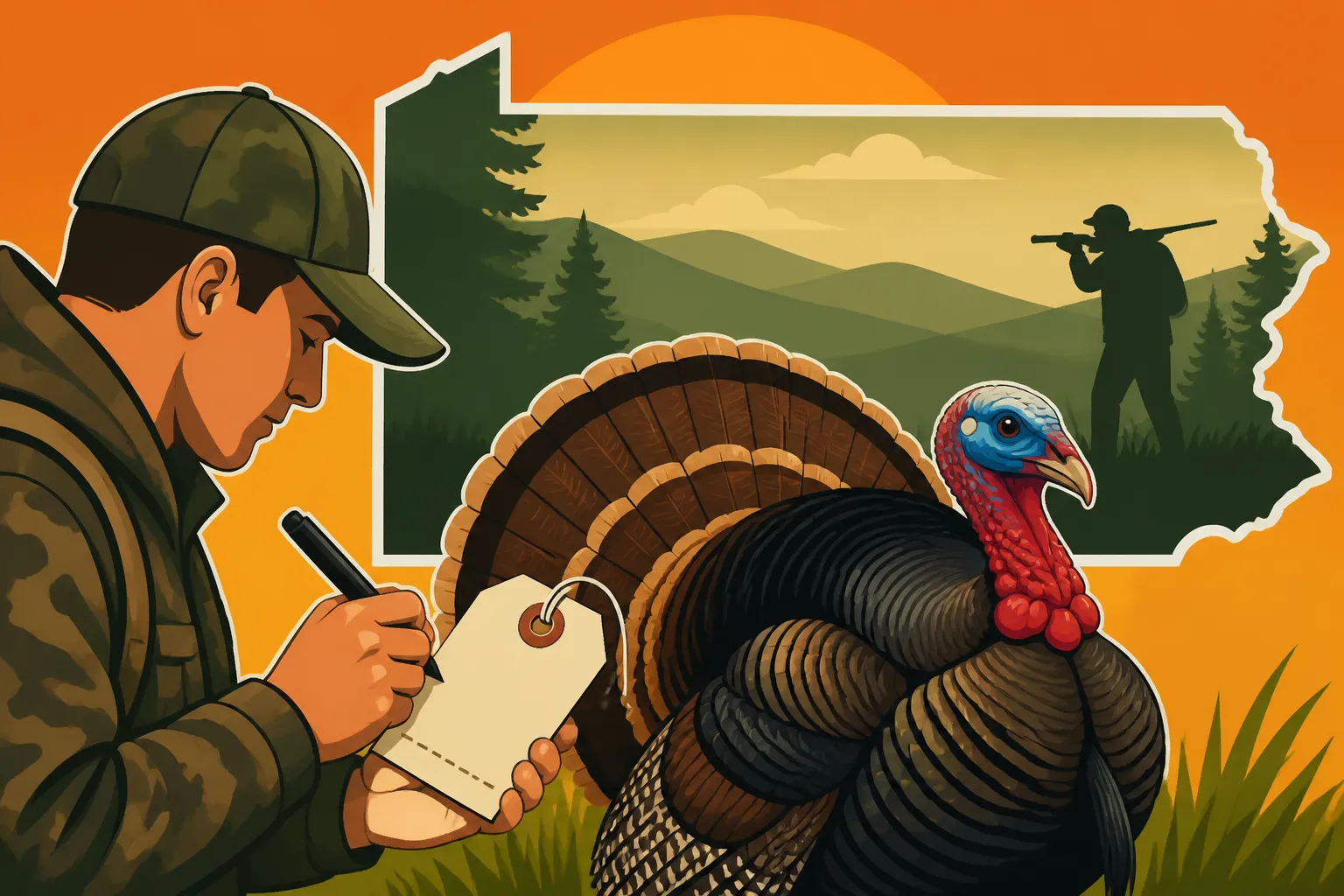
Pennsylvania Turkey Tagging and Reporting
There's nothing quite like the thrill of a Pennsylvania turkey hunt, whether you're chasing spring gobblers or a fall flock. But once that heart-pounding moment of success arrives, the paperwork and regulations can feel a little daunting. Figuring out exactly how to properly tag your bird and then report your harvest is crucial, and it’s a step many hunters, new and seasoned, often have questions about. This guide will walk you through every detail of Pennsylvania's turkey tagging and reporting requirements, ensuring you stay legal and contribute to vital wildlife management data.
Understanding Your Turkey Harvest Tag
Before you even step foot in the woods, it's vital to understand the turkey harvest tag that comes with your license. This isn't just a piece of paper; it's your legal right to possess a wild turkey and a critical component of tracking the state's turkey population. Misunderstanding its use can lead to serious headaches.
Where to Locate and Prepare Your Tag
Your turkey tag is usually part of your general hunting license package, often printed directly on the license document itself or as a tear-off section. For residents, this is generally straightforward, but non-residents or those acquiring specific permits, like The Special Wild Turkey Licence, should always double-check their entire package to ensure they have the correct tag for the season they plan to hunt. Before you head out, familiarize yourself with where it is and how it's designed to be detached. Some hunters even put their license in a waterproof holder or laminate it (making sure not to obscure any important details), so it's protected from the elements.
It's also a good practice to review the legal requirements for turkey hunting, including the specific dates for Pennsylvania Spring and Fall Turkey Seasons, long before your hunt. This preemptive check ensures you're aware of any special conditions or changes from year to year. Knowing these details helps avoid any last-minute scramble or confusion when you're already in the field.
Pre-Filling Essential Information
The Pennsylvania Game Commission (PGC) is pretty clear: certain information must be filled out immediately after your turkey is harvested and before you move the bird. This includes the date of kill, the wildlife management unit (WMU) where the bird was taken, and the sex of the bird (for spring gobblers, it's pretty clear, but fall seasons allow for hens and jakes, which needs careful identification). While you can't fill out the exact date or WMU ahead of time, having a pen or permanent marker that works in cold and wet conditions is paramount.
Imagine you've just called in a wary gobbler from a roost after some persistent calling, following techniques for Calling a Pennsylvania Gobbler Off the Roost, and the shot was perfect. Your heart is pounding, adrenaline is high. This isn't the time to realize your pen is frozen or you don't have one! Keep a permanent marker ready and accessible, perhaps in a designated pocket in your turkey vest. The details need to be legible, as this tag serves as official documentation if you encounter a Game Warden. Taking a moment to properly fill out the tag, even in your excitement, reinforces responsible hunting practices.
Tagging Your Harvested Turkey
The moment of truth arrives, and you've successfully harvested a turkey. Now comes the critical step of physically tagging the bird. This isn't just a formality; it's a legal requirement designed to ensure proper identification of the harvested animal and to prevent illegal possession.
Detaching and Attaching the Tag
Once you've confirmed your bird is down and safe to approach, the first thing to do is locate your harvest tag on your license. Carefully detach it. The tag typically has instructions on where it should be attached to the turkey. For turkeys, it's usually around the leg or wing. The goal is to affix it securely so it cannot be removed, replaced, or lost during transport from the field. Many tags come with a self-adhesive backing or a series of holes to use with a zip tie or string, which are excellent items to carry in your pack specifically for this purpose.
Don't rush this step. Take your time to make sure the tag is firmly attached. A poorly attached tag that falls off could lead to uncomfortable questions if you're checked by a Game Warden, even if your intentions were pure. You want to avoid any situation that could be misconstrued, especially if you're hunting in a less accessible area or heading home after dark.
Proper Placement and Security Measures
The Pennsylvania Game Commission specifies that the tag must be attached to the turkey's leg or wing in a manner that it cannot be removed without being destroyed or mutilated. This means simply slipping it under a feather or loosely tying it with a piece of twine isn't going to cut it. A sturdy zip tie or a strong piece of string threaded through the tag and firmly secured around the leg bone or a major wing bone is ideal. Some hunters even go a step further and carry a small, portable laminator or heavy-duty clear tape to further protect the tag from getting soaked or torn, especially if they anticipate dragging the bird through thick cover or if hunting during inclement weather common during When Pennsylvania Fall Turkey Seasons Run.
Consider a scenario where you've managed to bag a beautiful fall bird after practicing specialized Fall Turkey Tactics in the Big Woods. You're miles deep in State Game Lands 100, and the weather turns. Rain starts pouring down as you begin your long walk back to the truck. If your tag isn't secured and protected, it could easily disintegrate or fall off, putting you in a tricky spot. Taking a few extra minutes to ensure the tag's integrity now can save you a lot of grief later. Remember, the tag must remain with the turkey until it is prepared for consumption or taxidermy, so its journey from the woods to your home needs to be secure.
Reporting Your Turkey Harvest
Tagging your bird is only half the battle. The other, equally crucial part is reporting your harvest to the Pennsylvania Game Commission. This data is invaluable for wildlife biologists, helping them monitor turkey populations, assess harvest rates, and make informed management decisions that ultimately benefit future hunting seasons.
Methods for Reporting Your Kill
Pennsylvania offers several convenient ways to report your turkey harvest, but you need to do so within a specific timeframe. The most common and often easiest method is online through the Pennsylvania Game Commission's website. You'll typically need your customer ID and the harvest tag number, both found on your license. Many hunters find it convenient to use an app like GoHunt to keep track of their license details, which can also direct them to the reporting portal. This online system is available 24/7, making it accessible even if you harvest a bird late in the day or over a weekend.
Another option is to report by phone, using a toll-free number provided by the PGC. This is particularly useful if you're in an area with spotty internet service or prefer talking to a person. It’s always wise to write down the confirmation number you receive, regardless of the method you choose. This number serves as proof that you've fulfilled your reporting obligation. Some jurisdictions may also have physical drop-off locations or mail-in cards, though these are becoming less common with the rise of digital reporting. Always check the current regulations annually, as reporting methods can sometimes change.
Deadlines and Importance of Timely Reporting
The deadline for reporting your turkey harvest is firm: you must report within 10 days of the kill. This is a non-negotiable requirement. Missing this deadline isn't just a minor oversight; it's a violation of hunting regulations and can result in penalties. While there's no immediate enforcement in the field for a missed report, persistent failure to report or reporting inaccuracies can lead to issues, and more importantly, it skews the PGC's data, which has real-world implications for turkey management.
For example, if turkey harvest numbers in a particular WMU, such as those where you might employ Turkey Tactics for Farm Country Edges, seem unusually low due to under-reporting, the PGC might mistakenly believe the population is struggling and adjust season lengths or bag limits unnecessarily. Conversely, if hunters consistently fail to report, biologists can't accurately track Pennsylvania Turkey Population Trends or understand Pennsylvania Turkey Harvest Numbers, making it harder to ensure sustainable hunting opportunities. Your timely report is a direct contribution to the conservation efforts that keep Pennsylvania's turkey hunting robust for everyone. It's a small act with a big impact on the overall health of the resource.
Common Questions and Troubleshooting
Even with the best intentions, questions and unforeseen issues can arise concerning turkey tagging and reporting. Knowing how to handle these situations can save you stress and ensure you remain compliant with state regulations.
What to Do If You Lose Your Tag or Encounter an Error
Accidents happen. What if you're deep in the woods, scouting a promising oak bench for deer after the turkey season, and realize your turkey tag has fallen out of your license holder? Or perhaps you've filled it out incorrectly in the excitement of the moment? The Pennsylvania Game Commission understands that these situations can occur. If you lose your tag before harvesting a bird, you should contact the PGC or a license issuing agent as soon as possible to inquire about obtaining a replacement. Do not hunt without a valid tag in your possession. You can often find contact information and WMU maps through resources like GoHunt, which can be invaluable when you're in the field.
If you've harvested a bird and then realize your tag is lost or damaged, the best course of action is to secure the bird and immediately contact the Pennsylvania Game Commission for guidance. Explain your situation calmly and honestly. They will provide instructions on how to proceed. Attempting to create a "homemade" tag or ignoring the issue could lead to more severe consequences. Honesty and swift communication are always the best policy. Similarly, if you make an error when filling out the tag in the field (e.g., wrong date or WMU), correct it clearly and legibly, if possible. If the error is significant or you're unsure, again, contact the PGC. It's far better to clarify with them than to submit incorrect information.
Understanding Penalties and Ensuring Compliance
Pennsylvania takes its hunting regulations seriously, and there are penalties for failing to properly tag or report your harvest. These penalties can range from fines to loss of hunting privileges, depending on the severity and nature of the infraction. For example, failing to possess a valid license and tag while hunting is a serious offense. Failing to report a harvested animal within the 10-day window is also a violation, though often carrying a lesser penalty than hunting without a license.
The key to compliance is understanding the rules and following them diligently. Beyond the tagging and reporting specifics, remember other regulations, such as Pennsylvania Hunter Orange Rules during certain seasons, or restrictions like Why Pennsylvania Cut the Spring Gobbler Limit. Hunter education courses, mandatory for new hunters as part of Pennsylvania Hunter Education and Mentored Permits, cover these regulations extensively, but it's always wise for even experienced hunters to review the current digest annually. By staying informed, carrying the necessary supplies (pen, zip ties), and acting responsibly, you contribute to the ethical and sustainable future of turkey hunting in the Keystone State. Every hunter plays a part in upholding the integrity of the sport and ensuring accurate data for wildlife conservation.
Tagging and Reporting Checklist
To make sure you're always on point, here's a quick checklist for Pennsylvania turkey tagging and reporting:
| Step | Action | Notes |
|---|---|---|
| Before the Hunt | Obtain your general hunting license and any special turkey licenses. | Ensure your license includes a valid turkey harvest tag. |
| Familiarize yourself with tag location and instructions. | Understand how to detach and where to affix the tag. | |
| Pack a working pen/permanent marker and a zip tie or sturdy string. | Essential for filling out and securing the tag in the field, even in wet/cold conditions. | |
| Immediately After Harvest | Verify the bird is down and safe to approach. | Prioritize safety first. |
| Fill out the tag completely and accurately. | Date of kill, WMU, and sex of bird are mandatory before moving the bird. | |
| Detach the tag from your license. | Do so carefully to avoid tearing or damaging the tag. | |
| Securely attach the tag to the turkey's leg or wing. | Use a zip tie or strong string so it cannot be removed or lost without mutilation. Must remain with bird until processed. | |
| Within 10 Days of Harvest | Report your turkey harvest to the PGC. | Use the online system via the PGC website or GoHunt app, or call the toll-free number. |
| Record your confirmation number. | Keep this as proof of successful reporting. | |
| Troubleshooting | If tag is lost (pre-harvest) or damaged, contact PGC for a replacement. | Do not hunt without a valid tag. |
| If tag lost/damaged (post-harvest) or error made, contact PGC immediately for guidance. | Honesty and prompt communication are key to resolving issues. | |
| Review current hunting regulations annually. | Stay updated on any changes to tagging or reporting requirements. |
Disclaimer
Please note that hunting regulations, including those pertaining to tagging and reporting, can change. While this guide provides comprehensive and up-to-date information, it is always the hunter's responsibility to consult the most current Pennsylvania Game Commission Digest or visit their official website for the definitive and latest regulations before heading afield.