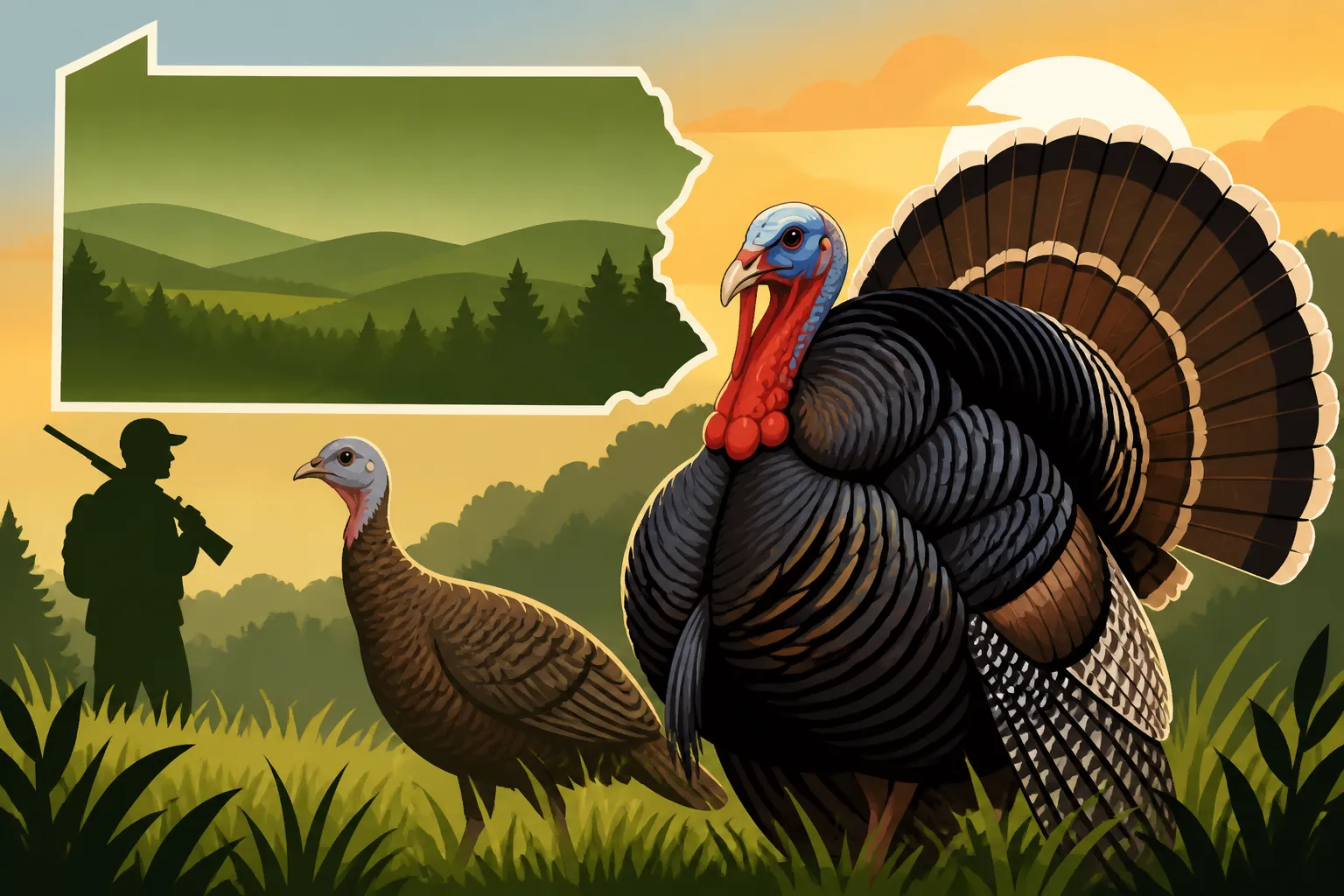
Wild Turkeys in Pennsylvania
For many hunters in Pennsylvania, the elusive wild turkey can be one of the most frustrating yet rewarding game animals to pursue. You spend hours scouting, listening for distant gobblers, and practicing calls, only to find yourself staring at an empty patch of woods or having a wary bird skirt your setup. It's a challenge that tests patience, woodsmanship, and your ability to adapt. This comprehensive guide is here to unravel the mysteries of wild turkeys in Pennsylvania, from their fascinating biology to effective hunting strategies for both spring and fall, helping you understand these incredible birds and improve your success rate in the field.
Wild Turkey Biology and Behavior in Pennsylvania
Understanding the wild turkey isn't just for ornithologists; it's absolutely crucial for hunters who want to consistently put birds in front of their shotgun. These are intelligent, wary creatures whose daily lives are dictated by instinct, food sources, and the need for safety. Knowing how they operate on a fundamental level will give you a significant edge in the field.
Life Cycle and Habitat Preferences
Wild turkeys in Pennsylvania, primarily the Eastern wild turkey subspecies, exhibit a fascinating annual cycle. Their year begins in late winter, with gobblers starting to "tune up" as daylight hours increase, signaling the impending spring breeding season. Hens, too, begin to prepare for nesting. The average lifespan of a wild turkey can vary, but many will live 2-5 years, with some reaching up to 10 years in prime habitat with low predation and hunting pressure.
When it comes to habitat, turkeys are truly creatures of the forest edge. They thrive in a mosaic of mature hardwoods, mixed forests, and open fields, making much of Pennsylvania's landscape ideal. You'll find them in the sprawling timber of the Allegheny National Forest, the rolling ridges of the Ridge and Valley Province, and even in the fragmented woodlots and agricultural fields of Southeastern Pennsylvania. Mature oaks, beech, and hickory provide critical food sources in the fall, while dense undergrowth and evergreen stands offer vital roosting and nesting cover. This blend allows them to feed in open areas or thinned timber, retreat to thicker cover for safety, and utilize tall, sturdy trees for night roosting. Think about it: a gobbler wants to be able to strut in an open area, but also vanish into thick cover at the first sign of danger.
Nesting typically occurs from April through June, with hens seeking out secluded spots in dense vegetation, often on the edges of clearcuts, overgrown fields, or beneath fallen trees. A clutch usually consists of 10-12 eggs, and after about 28 days of incubation, poults hatch. The first few weeks are incredibly precarious for poults, as they are highly susceptible to predation and cold, wet weather. Survival rates improve as they grow and gain the ability to fly short distances, usually around two weeks of age. This period, the "brood rearing" phase, is a huge factor in the overall health of the turkey population.
Diet and Foraging Habits
A wild turkey's diet is incredibly varied and opportunistic, changing with the seasons and what's available in their immediate environment. This adaptability is part of what makes them so resilient. In the spring and summer, their diet is rich in insects, spiders, and other invertebrates, which are crucial protein sources for growing poults and hens recovering from nesting. You'll often see hens with their poults diligently scratching through leaf litter or pecking through grassy fields, targeting grasshoppers, beetles, and caterpillars. Berries and wild fruits, such as blueberries, blackberries, and wild grapes, also become important components of their diet during these warmer months.
As fall approaches, the focus shifts dramatically to hard mast – acorns, beechnuts, and hickory nuts. These energy-rich foods are vital for turkeys to build up fat reserves to survive the leaner winter months. Hunters who understand this shift know that scouting for these prime food sources is paramount. If you're out scouting in the fall and you find fresh scratches and droppings under a productive white oak, you've likely found a turkey hotspot. Turkeys will travel considerable distances to find consistent mast crops, so a poor acorn year in one area can push birds into another. They're also not above raiding agricultural fields for waste grain, particularly corn, making cut cornfields a magnet for birds in farm country during the fall.
During winter, when snow covers the ground and other food sources are scarce, turkeys will rely on whatever they can find. This might include persistent wild fruits, leftover waste grain, seeds from herbaceous plants, and even buds from trees. This lean period highlights the importance of good, diverse habitat that offers a variety of food options throughout the year. Knowing their dietary preferences for each season allows you to anticipate their movements and focus your scouting efforts effectively.
Social Structures and Roosting Behavior
Wild turkeys live in distinct social groups, which change throughout the year. During the spring breeding season, adult gobblers (toms) become highly territorial and focus on attracting hens. They'll form small bachelor groups in the off-season, but once spring hits, they're all about solo displays of dominance and attracting mates. Older, more dominant gobblers will establish pecking orders, often leading to impressive displays of strutting, gobbling, and even physical altercations to win breeding rights. Jake (juvenile male) turkeys often stick together in smaller gangs, sometimes attempting to breed but usually waiting their turn as they mature.
Hens, conversely, gather in larger flocks, particularly outside of the breeding season. These hen flocks can be quite substantial, sometimes numbering dozens of birds, and often include jakes and even some adult gobblers outside of the peak rut. After nesting, hens and their poults will form brood flocks, which can then merge with other successful broods, leading to larger groups of birds by late summer and fall. This social structure dictates much of their communication and movement, as they rely on each other for safety in numbers and sharing information about food sources.
Roosting behavior is another critical aspect for hunters to understand, particularly for early morning setups. Turkeys prefer to roost in tall, sturdy trees, often evergreens like pine or hemlock, but also large hardwoods. They seek trees that offer a clear line of sight, protection from predators, and some cover from the elements. As dusk approaches, flocks will typically feed their way toward a preferred roosting area. Around 30-45 minutes before dark, they'll fly up to a limb, often calling and clucking as they settle in. In the morning, they'll typically fly down from the roost around legal shooting light, often gobbling on the limb before flying down to begin their day. Being able to locate a roost site – whether by listening for evening calls or scouting for droppings and feathers at the base of trees – is a significant advantage, as it tells you exactly where birds will be at first light. This is why knowing how to perform Roost Hunting Pennsylvania Gobblers is such a valuable skill.
Pennsylvania's Turkey Population: Trends and Management
Pennsylvania has a rich history with wild turkeys, a story of near-extinction and remarkable recovery. Understanding where the population stands today and how it's managed helps paint a picture for hunters and conservationists alike.
Historical Decline and Remarkable Recovery
It's hard to imagine now, but at the turn of the 20th century, wild turkeys were nearly extirpated from Pennsylvania. Unregulated market hunting, coupled with widespread deforestation for timber and agriculture, decimated their numbers. By the 1930s, turkey populations were clinging to existence in only a few remote, mountainous regions of the state. It was a dire situation, mirroring the fate of many other wildlife species at the time.
However, thanks to visionary conservation efforts, Pennsylvania's wild turkey story is one of the greatest wildlife success stories in North America. The Pennsylvania Game Commission (PGC), established in the late 1800s, spearheaded efforts to bring them back. This involved strict hunting regulations, habitat restoration, and, crucially, trap-and-transfer programs. Turkeys trapped from healthy populations were relocated to suitable, vacant habitats across the state. This wasn't just a local effort; Pennsylvania was a leader in these techniques, even sharing birds with other states to help their own restoration programs. The commitment to restoring habitat – allowing forests to regrow and managing them for diversity – provided the essential foundation for these released birds to thrive. By the late 20th century, wild turkeys had recolonized virtually every suitable corner of Pennsylvania, a testament to what dedicated conservation can achieve.
Current Population Estimates and Health
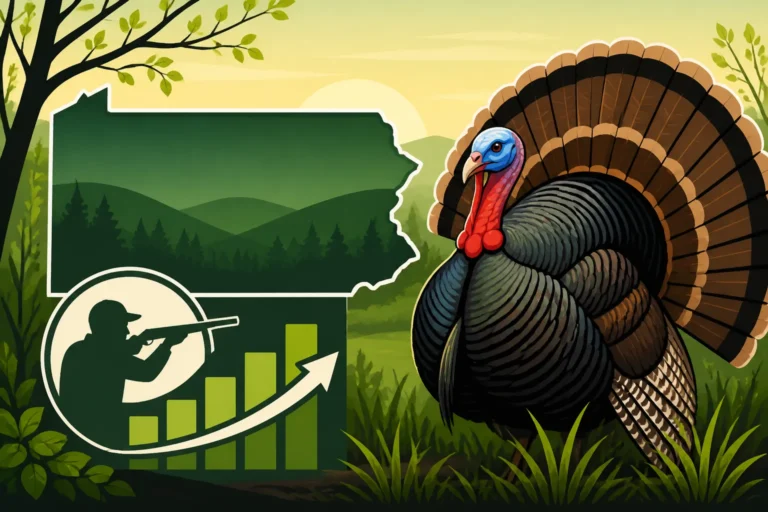
Today, Pennsylvania boasts one of the healthiest and most robust wild turkey populations in the nation, making it a prime destination for turkey hunters. While exact numbers fluctuate annually based on reproduction, predation, and harvest, the PGC estimates a statewide population often exceeding 200,000 birds. These numbers are a far cry from the mere thousands that existed a century ago.
The population is generally considered stable across most of the state, though local fluctuations occur. Some Wildlife Management Units (WMUs) might see slight dips due to poor nesting seasons or increased predation, while others might experience booms. Factors like harsh winters, cold and wet springs (which are detrimental to poult survival), and disease can all play a role. For instance, avian influenza outbreaks in recent years have caused localized concerns, though widespread impacts on the turkey population have not been reported as severely as in some other bird species. Overall, the PGC's robust management practices, informed by decades of data, aim to maintain a healthy and sustainable population for both hunters and wildlife enthusiasts. Hunters can contribute to this data by accurately completing their harvest reports.
Brood Surveys and Their Importance
One of the most critical tools the Pennsylvania Game Commission uses to monitor the health of the wild turkey population is the annual wild turkey brood survey. This citizen-science project, conducted each summer from June 1st to August 31st, relies on observations from the public, including hunters, landowners, and outdoor enthusiasts. Participants simply record the number of adult hens and poults (young turkeys) they see, along with the date and location. This data is then submitted to the PGC.
Why is this so important? Brood surveys provide invaluable insights into reproductive success and poult survival rates, which are direct indicators of the next generation's health. A good poult-to-hen ratio suggests a successful nesting season and strong recruitment into the population. Conversely, a low ratio can signal challenges like poor weather during hatching, high predation on poults, or habitat deficiencies. The PGC uses this long-term dataset to assess turkey trends by Pennsylvania WMU. These trends directly inform management decisions, such as adjusting season lengths, bag limits, or allocating resources for habitat improvement projects. For a hunter, understanding the results of these surveys, even anecdotally from local observations, can help you predict where the turkey population might be strong or weak in the coming season. It's a great example of how community involvement directly impacts wildlife management.
Spring Gobbler Hunting in Pennsylvania: Tactics and Seasons
Spring turkey hunting in Pennsylvania is, for many, the pinnacle of the hunting year. It's a game of wits, patience, and realistic expectations. The challenge of calling a wary gobbler into close range is an exhilarating experience that keeps hunters coming back year after year.
Calling Strategies for Gobblers
Effective calling is the cornerstone of spring gobbler hunting, but it's not just about making turkey sounds; it's about communicating and understanding the bird's mood. You need a repertoire of calls and the ability to know when and how to use them.
- Locator Calls: Before you even think about yelping, you need to locate a gobbler. Owls, crows, and even coyote calls are excellent for provoking a shock gobble, especially at first light when birds are still on the roost. This tells you exactly where to start your approach. You can also try a hen "tree yelp" right before fly down, which often gets a response. Once you know a bird's general location, resist the urge to overcall.
- Hen Calls: The basic yelp is your bread and butter. It mimics the sound of a hen looking for a mate. Start with soft, subtle yelps, especially early in the morning. If the gobbler is hot, you can increase intensity and volume, but don't overdo it. Clucks and purrs signal contentment and can often calm a wary bird. Cutting (sharp, excited yelps) can challenge a dominant gobbler or entice a competitive hen. The key is to listen to the turkey and match its cadence and intensity. If he's gobbling like crazy, be a little more aggressive. If he's just giving a soft gobble every five minutes, ease up.
- Decoys: Decoys can be incredibly effective, especially in open areas where a gobbler can see them from a distance. A single hen decoy is often all you need, signaling a receptive mate. Adding a jake decoy can sometimes infuriate a dominant gobbler, bringing him charging in to confront the perceived intruder. However, decoys aren't always a magic bullet. In heavily pressured areas, some gobblers may have learned to be wary of them. Always set your decoys where the gobbler can see them as he approaches, and ensure they are positioned so the bird approaches from your front, giving you a clear shot. Be mindful of Decoy Placement for Pressured Birds as it can make or break your hunt.
- Patience and Persistence: Turkeys rarely come in on a string. A gobbler might hang up at 100 yards, circling, strutting, and waiting for the "hen" (you) to come to him. This is where patience is crucial. Resist the urge to move too quickly. Try a soft call, then wait. If he moves off, you might try a different call or a subtle change in your setup. Sometimes, going completely silent for 20-30 minutes can make a gobbler anxious enough to come looking.
Setting Up for Success
Your setup is just as important as your calling. A poor setup can ruin an otherwise perfect call sequence.
- Back Protection: Always set up with your back against a tree wider than your shoulders. This not only breaks up your silhouette but, more importantly, protects your blind side from a gobbler circling around you, which they will do. You want to be comfortable and able to shift slightly without being seen.
- Clear Shot Lanes: Before you even sit down, clear any small branches or obstructions in your immediate shooting lanes. You don't want a small twig deflecting your shot at 30 yards. Map out your potential shot zones and anticipate where a gobbler is likely to appear.
- Terrain and Visibility: Utilize terrain to your advantage. Setting up on a slight rise can give you a better view, but also makes you more visible. A gentle slope or a bench can guide a gobbler's approach. Avoid setting up in thick, impenetrable brush where you can't see, or where a gobbler can approach without being seen. Look for natural openings or edges.
- Concealment: Full camouflage, including face masks and gloves, is non-negotiable. Turkeys have incredible eyesight, capable of spotting the slightest movement or unnatural color. Break up your outline as much as possible. A ground blind can be an excellent option, especially if you're hunting with kids or need to move around more. However, know the rules for Using a Ground Blind on Pennsylvania Game Lands before you deploy it.
Remember, the goal is to be invisible and immovable until the shot presents itself. A good setup minimizes your movement and maximizes your chances when that big tom finally steps into range.
Key Season Dates and Hours
Pennsylvania offers a generous spring gobbler season, providing ample opportunity for hunters. The season typically opens in late April and runs through May, usually with a youth-only hunt preceding the general opener. It's crucial to check the current year's Pennsylvania Game Commission digest for the exact Pennsylvania Spring Gobbler Season Dates and specific regulations, as they can change annually.
Legal hunting hours in Pennsylvania's spring season are generally from half-hour before sunrise until noon. This noon cutoff is a critical regulation, designed to allow birds to breed unmolested during the afternoon. Many hunters pack up around 11:30 AM to give themselves time to walk out. However, always confirm legal shooting hours, as there are specific dates When Spring Gobbler Hours Extend to Evening as part of special youth or late season opportunities, allowing you to hunt until half-hour after sunset.
The bag limit for the spring season is one bearded turkey. This means you can harvest a gobbler or a bearded hen. While bearded hens exist, they are rare, and the focus is overwhelmingly on gobblers. Each hunter must possess a valid general hunting license and a special wild turkey license to participate. Always ensure your license and tag are properly filled out and attached to the bird immediately after harvest, and report your kill promptly as required by the PGC.
Fall Turkey Hunting in Pennsylvania: Strategies and Rules
Fall turkey hunting is a completely different ballgame than spring gobbler hunting. Instead of calling in lovesick gobblers, your primary goal is often to locate, scatter, and then call back scattered birds. It's a much more social hunt, often involving entire flocks.
Locating Flocks
In the fall, wild turkeys are typically in large family groups or "brood flocks." These flocks can be composed of multiple hens, their poults from the current year, and sometimes jakes. Finding these flocks is the first step to a successful fall hunt.
- Food Sources: As discussed earlier, fall turkeys are heavily focused on high-energy foods. Scout for mast crops like acorns, beechnuts, and hickory nuts. Areas with a good mast crop will often hold birds. Look for fresh turkey scratching in the leaf litter. In agricultural areas, pay close attention to cut cornfields or fields with waste grain. Turkeys will spend a significant portion of their day feeding in these areas. The GoHunt app can be an invaluable tool here, allowing you to mark potential food sources during your scouting trips and revisit them come hunting season.
- Water Sources: Turkeys need water daily, especially in drier periods. Seeps, small streams, and the edges of ponds or lakes can be gathering points.
- Roost Sites: While not as critical for pinpointing exact morning locations as in spring, finding a fall roost can still tell you where a flock is spending its nights. Look for large trees, especially evergreens, with droppings and feathers underneath.
- Road Scouting & Listening: Drive quiet dirt roads or walk old logging trails early in the morning or late in the afternoon, listening for "yelps" or "clucks" that indicate a flock's presence. Turkeys are often vocal, especially when moving through the woods. Don't be afraid to use a locator call, like a crow or owl hooter, to try and get a shock gobble or a yelp in return, especially if you suspect birds are in an area.
Once you've located a flock, the next step is usually to break them up. This scattering technique is what sets fall hunting apart.
Breaking Up Flocks and Calling Back
The "scatter and call" method is the quintessential fall turkey hunting tactic. The premise is simple: find a flock, rush them to make them fly or run in different directions, and then set up and call them back in.
- The Scatter: Once you've located a flock, your goal is to deliberately run into them. This might involve a brisk walk, or even a short, controlled sprint, yelling and waving your arms. The objective is to get every bird to scatter, running or flying in different directions. The more effectively you scatter them, the more disoriented they'll be, and the more likely they are to want to regroup.
- The Setup: Immediately after scattering the flock, quickly find a suitable setup. This means a good tree for back protection, clear shooting lanes, and concealment. You want to be in a position where you can hear and see birds approaching from multiple directions. The birds will usually try to regroup at the location where they were scattered, so setting up near that spot is often ideal.
- The Call Back: After about 15-30 minutes of silence to let the birds settle down, begin calling. Start with soft, plaintive "kee-kee" runs or "lonely hen" yelps. The "kee-kee" run, which mimics a lost poult, is particularly effective for calling in young birds and hens, which are often eager to regroup. Listen carefully for return calls. Birds will often start calling back to you, trying to locate the "lost" flock members. Be patient and responsive. If a bird is yelping weakly from a distance, respond with soft, reassuring clucks or yelps. If they sound excited and close, you can be a bit more aggressive. The first birds to come back are often young birds or hens, but a gobbler might come in with them, or even alone, especially if it was separated from a bachelor group. Being skilled at Fall Turkey Tactics in the Big Woods can make you a more versatile hunter.
Remember, the goal is to make the turkeys believe they are regrouping with their lost family members. It takes patience and a keen ear to pull off a successful fall call-back.
Fall Turkey Seasons by WMU
Just like deer, Pennsylvania's fall turkey seasons are regulated by Wildlife Management Unit (WMU), and dates can vary considerably across the state. This is an important distinction from the generally uniform spring season. Some WMUs might have a long, continuous fall season, while others might have a shorter season or even no fall season at all if local populations are struggling.
It is absolutely vital to check the current Pennsylvania Game Commission hunting digest for the specific Pennsylvania Fall Turkey Seasons by WMU you plan to hunt. These dates can range from a few weeks in October to a longer period extending into November, and sometimes even a late December segment. Pay close attention to Which WMUs Have No Fall Turkey Season as hunting in these areas would be illegal.
Hunter orange requirements are also different in the fall. While not required during the spring gobbler season, during the fall firearms turkey season, hunters are required to wear 250 square inches of fluorescent orange material on the head, chest, and back combined, visible 360 degrees, while moving. When stationary, the orange can be removed, but it's always a good idea to keep some visible, especially in areas with other hunters. Ensure you understand these rules thoroughly to hunt safely and legally.
Essential Gear and Preparation for Pennsylvania Turkey Hunters
Being prepared with the right gear can make all the difference between a successful hunt and a frustrating day in the woods. From your firearm to your calls and clothing, every piece plays a role.
Shotgun and Choke Selection
Choosing the right shotgun and choke is paramount for turkey hunting. Unlike deer hunting, where a rifle shot at 100+ yards is common, turkey hunting demands a dense, consistent pattern at closer ranges, typically 20-40 yards.
- Gauge: While 12-gauge shotguns are the most popular choice due to their versatility and knockdown power, 20-gauge shotguns have become increasingly effective, especially with modern tungsten super shot (TSS) loads. The 20-gauge is lighter and can be easier to maneuver, making it a great option for younger hunters or those who prefer a lighter setup. Even a .410, when paired with TSS, can be surprisingly effective at closer ranges.
- Choke: This is perhaps the most critical component. For turkeys, you'll want a very tight choke, typically an "extra-full" or "turkey specific" choke. These chokes are designed to constrict the shot charge significantly, creating a super-dense pattern. It's a common mistake to use a modified or full choke meant for upland birds; these will not give you the pellet density needed for a clean kill on a turkey's head and neck at typical turkey hunting distances.
- Ammunition: Modern turkey loads have revolutionized the sport. Lead shot, while still effective, is often surpassed by denser materials like bismuth or the aforementioned TSS. TSS pellets are much heavier than lead, allowing for smaller shot sizes (e.g., #7 or #9) that carry more energy and penetrate deeper, resulting in more pellets in the kill zone. This significantly extends effective range.
- Patterning: This step cannot be overstated. You must pattern your shotgun with your chosen choke and ammunition before the season. Go to the range and shoot at paper targets at 20, 30, and 40 yards. You're looking for a consistent, dense pattern of pellets in a 10-inch circle, which represents a turkey's head and neck. Some loads and chokes will perform better than others in your specific shotgun. Don't just assume a certain combination will work; prove it on paper. This will give you confidence in your setup and help you understand your shotgun's effective range, a key factor in ethical hunting. Mastering Turkey Chokes and Patterning is a must for any serious turkey hunter.
Calls and Decoys
Your calling arsenal should be diverse enough to adapt to different situations and bird moods.
- Friction Calls: Slate, glass, or aluminum pot calls are fantastic for producing a wide range of realistic turkey sounds. They're versatile, relatively easy to learn, and can be used for loud yelps or soft purrs. Keep the striking surface conditioned and have multiple strikers (wood, carbon, plastic) to vary the tone.
- Mouth Calls (Diaphragm Calls): These calls fit in your mouth and allow for hands-free operation, which is critical when a gobbler is approaching and you need to be absolutely still. They take practice to master but can produce incredibly realistic and varied sounds, from soft clucks to loud cuts and gobblers. A variety of cuts and reeds will give you different sounds.
- Box Calls: Classic and effective, box calls are excellent for loud, resonant yelps that carry a long distance, especially on windy days. They are also relatively easy to use, though they do require two hands.
- Locator Calls: Owl hoots, crow calls, and even coyote howlers are essential for getting shock gobblers to reveal their position, especially in the early morning.
- Decoys: As mentioned, hen and jake decoys can be game-changers in the spring. Carry lightweight, collapsible options. Ensure they are highly visible and realistic. For a run-and-gun style hunt or if you prefer a minimalist approach, you might forego decoys, but for stationary setups, they significantly increase your odds. Knowing how to use Turkey Decoys That Work on Pressured Birds can be the secret to success.
- Call Maintenance: Keep your calls dry and protected. Store pot call surfaces away from dust and moisture. Mouth calls should be rinsed and allowed to air dry.
Clothing and Comfort
Pennsylvania weather can be notoriously unpredictable, especially during spring and fall turkey seasons. Layering is your best friend.
- Camo: Full camouflage is crucial. Opt for patterns that break up your outline in a woodland environment. Don't forget a face mask and gloves; a turkey's eyesight is legendary, and any exposed skin will stand out.
- Layers: Start with a moisture-wicking base layer, add insulating layers (fleece or wool are excellent), and top with a quiet, breathable, and waterproof outer shell. You might start a spring morning in freezing temperatures only to be sweating by midday. Being able to shed or add layers quietly is important.
- Footwear: Comfortable, waterproof boots are essential. You'll be covering ground, possibly in wet conditions, and sitting for long periods. Look for boots with good ankle support.
- Turkey Vest: A well-designed turkey vest is invaluable. It keeps all your calls, ammunition, water, snacks, and other essentials organized and within easy reach. Look for one with a comfortable, integrated seat cushion – you'll be doing a lot of sitting! Many vests come with a kickstand feature, providing much-needed back support during those long waits.
- Additional Gear: Headlamp for walking in and out in the dark, a small first-aid kit, insect repellent (ticks and mosquitoes can be fierce), a compass or GPS/mapping app (like GoHunt, for tracking your movements and marking bird locations), and plenty of water and snacks. Always be prepared for an unexpected long walk or an extended sit.
Understanding Pennsylvania's Turkey Hunting Regulations
Pennsylvania has specific regulations designed to manage its wild turkey population and ensure hunter safety. Knowing these rules is not just about avoiding fines; it's about responsible hunting.
License Requirements
Before you even step foot in the woods, you need the proper licenses. In Pennsylvania, all hunters, including those pursuing turkeys, must first possess a valid general hunting license. For residents, this is a relatively straightforward purchase, and the Pennsylvania Resident Hunting Licence Cost is quite reasonable. Non-residents, of course, will pay a higher fee.
Beyond the general hunting license, there are specific permits for wild turkey. For spring gobbler season, you must also purchase a Special Wild Turkey License. This license is specifically for the spring season and allows you to harvest one bearded turkey. For fall turkey hunting, your general hunting license typically covers the fall season bag limit. However, it's always wise to confirm this with the current year's digest, as regulations can occasionally shift.
Junior hunters (under 17) and Senior hunters (65+) may have different license options and costs, including lifetime licenses. The Mentored Youth Hunting Program also allows very young children to participate under the direct supervision of an adult. It's crucial to understand these rules, especially if you're introducing someone new to the sport. All licenses can typically be purchased online via the Pennsylvania Game Commission's website, at various retail license vendors, or through the GoHunt platform which often integrates licensing information.
Tagging and Reporting Requirements
Pennsylvania has strict rules about tagging and reporting your harvest, and adherence is critical for both legal compliance and wildlife management.
- Tagging: Immediately after you kill a turkey, you must fill out the appropriate harvest tag (which comes with your license) and attach it to the bird's leg before moving it from the kill site. The tag must include the date, time, WMU, and harvest location. Make sure the tag is securely attached and waterproofed if possible, especially on wet days.
- Reporting: All harvested turkeys must be reported to the Pennsylvania Game Commission within 10 days of the kill. This can usually be done online through the PGC's website or by mailing in a postcard (which may be included with your license). This data is vital for wildlife biologists to track harvest numbers, assess population health, and make informed management decisions for Pennsylvania Turkey Population Trends. Accurate reporting helps ensure the continued health of the turkey population. Failure to tag or report your harvest can result in fines and other penalties. It's a simple step, but one that is often overlooked in the excitement of a successful hunt. Knowing how to read a Pennsylvania Harvest Report can help you understand what data points are collected.
Hunter Orange and Safety
Safety should always be your top priority when afield, and hunter orange plays a significant role in preventing accidents.
- Spring Season: During the spring gobbler season, hunter orange is generally not required when actively hunting wild turkeys. However, many hunters choose to wear a blaze orange hat or vest when walking to and from their setup location, removing it once stationary. This is a voluntary safety measure. Once you harvest a bird, it's highly recommended to immediately drape an orange vest over the bird and wear your orange out of the woods, especially if you'll be dragging it.
- Fall Season: The rules change for the fall firearms turkey season. Hunters are required to wear 250 square inches of fluorescent orange material on the head, chest, and back combined, visible 360 degrees, when moving through the woods. When stationary, the orange may be removed, but many hunters opt to keep it visible or at least close by. This requirement helps distinguish hunters from game and significantly reduces the risk of accidental shootings.
- General Safety: Beyond orange, always identify your target and what's beyond it. Never shoot at sound or movement. Assume every turkey sound you hear is another hunter until proven otherwise. Avoid wearing red, white, or blue while spring gobbler hunting, as these colors are present on a gobbler's head and could be mistaken by another hunter. Practice safe firearm handling at all times.
Common Challenges and Solutions for Pennsylvania Turkey Hunters
Turkey hunting can be incredibly rewarding, but it's also rife with challenges. From pressured birds to fickle weather, overcoming obstacles is part of the experience.
Dealing with Pressured Birds
Pennsylvania has a strong hunting heritage, and our public lands, while vast, can see significant pressure, especially during the spring season. Turkeys on State Game Lands, in particular, become highly educated very quickly.
- Go Deeper, Go Harder: The most obvious solution is often the most effective: walk further than others. Most hunters stick close to roads and parking areas. If you're willing to put in the miles and access those harder-to-reach pockets of public land, you'll often find less pressured birds. This could mean tackling steep terrain or crossing thick cover. Tools like GoHunt's mapping features can help you identify areas away from common access points.
- Change Your Approach: Pressured birds often "hang up" – they'll gobble and strut just out of range, unwilling to commit. They've likely been shot at or spooked after committing to a call. Try setting up further back from where you expect them to appear, allowing them to close the distance more naturally. Instead of aggressive calling, try soft, subtle yelps and clucks, or even go silent for longer periods. Sometimes, less is more.
- Don't Overcall: A gobbler that hears excited yelps every 30 seconds from the same spot quickly learns something is amiss. Vary your calling, or try a different type of call. A mouth call might sound more natural to a bird accustomed to pot calls, for example. Try to mimic the natural behavior of a hen moving through the woods.
- Hunt Different Times: While early morning is prime, some pressured gobblers might become more active mid-morning after other hunters have left. Or, in the fall, waiting until later in the day for scattered birds to try and regroup can be effective. If you have the luxury to keep still and stay in the woods for an extended period, you might catch a gobbler moving through an area others have already hunted. Learning to perform Run-and-Gun Turkey Tactics on Game Lands can help you cover more ground and find less-pressured birds.
Weather Impacts on Turkey Behavior
Weather plays a huge role in turkey activity, and understanding its effects can help you plan your hunts.
- Rain: Light rain can sometimes make turkeys more active, as it dampens sound, making them feel safer, and often increases insect activity. However, heavy, prolonged rain or thunderstorms will usually shut them down. They'll often go to roost earlier and stay put longer. Hunting in the rain can also be tough on calls, making friction calls unreliable unless carefully protected. Keeping a Flintlock Pan Dry is similar to keeping your pot call dry.
- Cold Temperatures: Turkeys are pretty hardy, but extreme cold can impact activity. In spring, a late cold snap might delay the peak breeding activity. Birds might stay on the roost longer and be less vocal. In fall, cold encourages feeding, as birds need to build fat reserves.
- Wind: Wind is arguably the biggest challenge for turkey hunting. High winds make it incredibly difficult to hear gobblers, and they make it equally hard for gobblers to hear your calls. Strong winds also make turkeys nervous, as it impairs their hearing of predators. On windy days, focus on protected areas like leeward slopes, creek bottoms, or dense evergreen stands where the wind's effect is lessened. You might also need to increase the volume of your calls, or switch to a louder call type like a box call.
- Fog: Fog can make gobblers hesitant to fly down from the roost, and it significantly reduces visibility, making it difficult to see birds approaching. It can also muffle sound, making calling and listening more challenging.
- Bluebird Days: Calm, clear, cool mornings after a cold front are often ideal. Birds are usually vocal, active, and can hear your calls well.
Always check the forecast and adjust your tactics accordingly. Sometimes, it's better to stay home during a downpour than to frustrate yourself in the woods.
Scouting and Locating Birds
Successful turkey hunting, especially in Pennsylvania's diverse landscapes, often hinges on effective scouting. You can't call a bird that isn't there.
- Pre-Season Scouting: Long before opening day, hit the woods. Look for signs: tracks in mud, droppings, wingtip drag marks (from strutting gobblers), and dusting bowls. Listen for distant gobblers in the evenings from elevated points. This helps you identify potential roosting areas, strut zones, and travel corridors. This is also a great time to learn to identify key food sources like oak ridges.
- Topographical Maps and Aerial Photos: Use mapping tools (like GoHunt, or the Pennsylvania Mapping Center) to identify potential hunting areas. Look for ridge lines, saddles, creek bottoms, clearcuts, and food plots. These features often dictate turkey travel and congregation areas. Identify potential setup locations that offer concealment and good visibility.
- Listen, Listen, Listen: Turkeys are vocal birds. Beyond gobbling, listen for yelps, clucks, and even the sounds of turkeys scratching in the leaves or flying off the roost. The more you listen, the better you'll become at pinpointing their locations. Early morning and late evening are the best times to listen for roosted birds.
- Post-Season Scouting: Even after the season, continue to scout. Knowing where birds were in the past can give you clues for future seasons. Look for winter flocks and potential feeding areas. Each scouting trip, regardless of whether you find birds, adds to your overall knowledge of the area and its turkey population. Mastering Scouting Pennsylvania Public Land Before Season will pay dividends in spring and fall.
Conservation Efforts and the Future of Pennsylvania Turkeys
The thriving wild turkey population in Pennsylvania is a testament to sustained conservation efforts, and ensuring its future requires ongoing commitment from hunters and non-hunters alike.
Habitat Improvement Programs
Habitat is the foundation for any healthy wildlife population, and wild turkeys are no exception. The Pennsylvania Game Commission, along with various conservation organizations, works tirelessly to manage and improve turkey habitat across the state.
- Forest Management: Turkeys need a diverse forest ecosystem, not just mature timber. This involves timber stand improvements, such as selective cutting to promote new growth and create openings. Early successional habitat, like young clearcuts and brushy areas, is crucial for nesting hens and poult survival, providing cover from predators and abundant insect life. This is why you'll often find turkeys working Hunting Pennsylvania Clearcuts and Regrowth.
- Food Plot Development: On State Game Lands and some private properties, food plots are managed to supplement natural food sources, providing greens in winter and attractive grains like corn or clover during other seasons. While not as critical as natural mast, these plots can draw birds and help them through leaner times.
- Prescribed Burns: In some areas, controlled burns are used to mimic natural fire cycles, which can rejuvenate forest understories, reduce invasive species, and promote the growth of native plants that turkeys rely on for food and cover.
- Acquisition of Public Land: The ongoing acquisition of State Game Lands ensures that critical turkey habitat remains undeveloped and accessible to hunters. These efforts, largely funded by hunting license sales and federal excise taxes on hunting equipment, are vital for securing the future of wildlife.
These habitat efforts aren't just for turkeys; they benefit a wide array of other wildlife, creating a richer, more biodiverse environment.
Research and Monitoring
Effective wildlife management is always data-driven. The Pennsylvania Game Commission conducts extensive research and monitoring programs to keep a pulse on the wild turkey population.
- Harvest Data Analysis: As mentioned, mandatory harvest reporting provides crucial data on annual take, population trends, and hunter success rates. This information helps biologists understand the impact of hunting pressure and adjust regulations as needed.
- Population Surveys: Beyond brood surveys, the PGC utilizes various other survey methods, including spring gobbler call counts and winter flock counts, to estimate overall population size, distribution, and health.
- Disease Monitoring: Wildlife diseases, such as avian influenza or Lymphoproliferative Disease Virus (LPDV), are continuously monitored. Research helps understand prevalence, transmission, and potential impacts on turkey health, allowing for proactive management strategies.
- Telemetry Studies: Biologists occasionally trap and fit turkeys with radio or GPS transmitters to track their movements, nesting success, survival rates, and habitat use. This detailed information provides invaluable insights into turkey ecology that can't be gained through other methods. This scientific approach helps ensure that decisions are based on sound ecological principles, not just anecdote.
The Hunter's Role in Conservation
Hunters are, and always have been, the frontline of conservation. Our passion for the outdoors and the species we pursue directly funds and supports the very programs that ensure these populations thrive.
- Financial Contributions: Every hunting license, turkey stamp, and federal excise tax paid on firearms and ammunition (through the Pittman-Robertson Act) directly funds wildlife management, habitat restoration, and research efforts. Without these funds, many conservation programs would cease to exist.
- Ethical Hunting Practices: Adhering to regulations, practicing fair chase, and making ethical shot choices ensures the respect of the game and maintains the integrity of hunting. Reporting poaching or wildlife violations also plays a critical role in protecting the resource.
- Citizen Science: Participating in programs like the Wild Turkey Brood Survey directly contributes data that helps manage the species. Reporting banded birds or sick animals also provides valuable information to biologists.
- Advocacy and Education: Supporting conservation organizations like the National Wild Turkey Federation (NWTF) or local sportsman's clubs helps fund habitat projects and advocacy for wildlife. Educating new hunters and the public about the importance of conservation further strengthens these efforts.
The future of wild turkeys in Pennsylvania, and indeed all game species, rests on the continued commitment of hunters to these conservation principles. By understanding and participating in these efforts, we ensure that future generations will also have the opportunity to experience the thrill of a gobbler thundering in the spring woods or the challenge of a fall flock scattered in the timber.
Disclaimer
Hunting is an inherently dangerous activity. This guide provides general information and recommendations. Always consult the most current Pennsylvania Game Commission hunting regulations and laws before hunting. Your safety is your responsibility. Always practice responsible firearm handling and ensure you have proper landowner permission before hunting on private property.