Pennsylvania Turkey Population Trends
It's completely normal to feel a bit uneasy when you're out in the woods chasing turkeys and it feels like the gobblers just aren't as vocal, or the flocks you used to see simply aren't there anymore. Many Pennsylvania hunters have experienced this lately, wondering what's truly happening with our state's wild turkey populations. This guide dives deep into the complex factors influencing these magnificent birds, helping you understand the trends and what they mean for your future hunts.
Pennsylvania's Wild Turkey Legacy: A Story of Resilience and Fluctuation
The wild turkey in Pennsylvania has an incredible history, a true conservation success story that, like any long journey, has seen its share of ups and downs. For generations, these birds have been an iconic part of our fall woods and spring mornings, deeply ingrained in the hunting culture of the Keystone State.
From Near Extinction to Abundant Success
It’s hard to imagine now, but at one point, wild turkeys were almost entirely gone from Pennsylvania. Habitat destruction and unregulated hunting in the late 19th and early 20th centuries pushed them to the brink. It took a monumental effort, beginning in the 1930s and continuing for decades, with trapping and transferring wild birds, coupled with strict management, to bring them back. This wasn't just about stocking game farm birds; it was about re-establishing genetically wild, robust populations. The success of this program was nothing short of miraculous, allowing us to enjoy robust turkey hunting opportunities for much of the latter half of the 20th century. For a long time, we were blessed with what seemed like an endless supply of gobblers and flocks of hens and poults in every hollow.
The Peak and Plateau: What We've Seen Recently
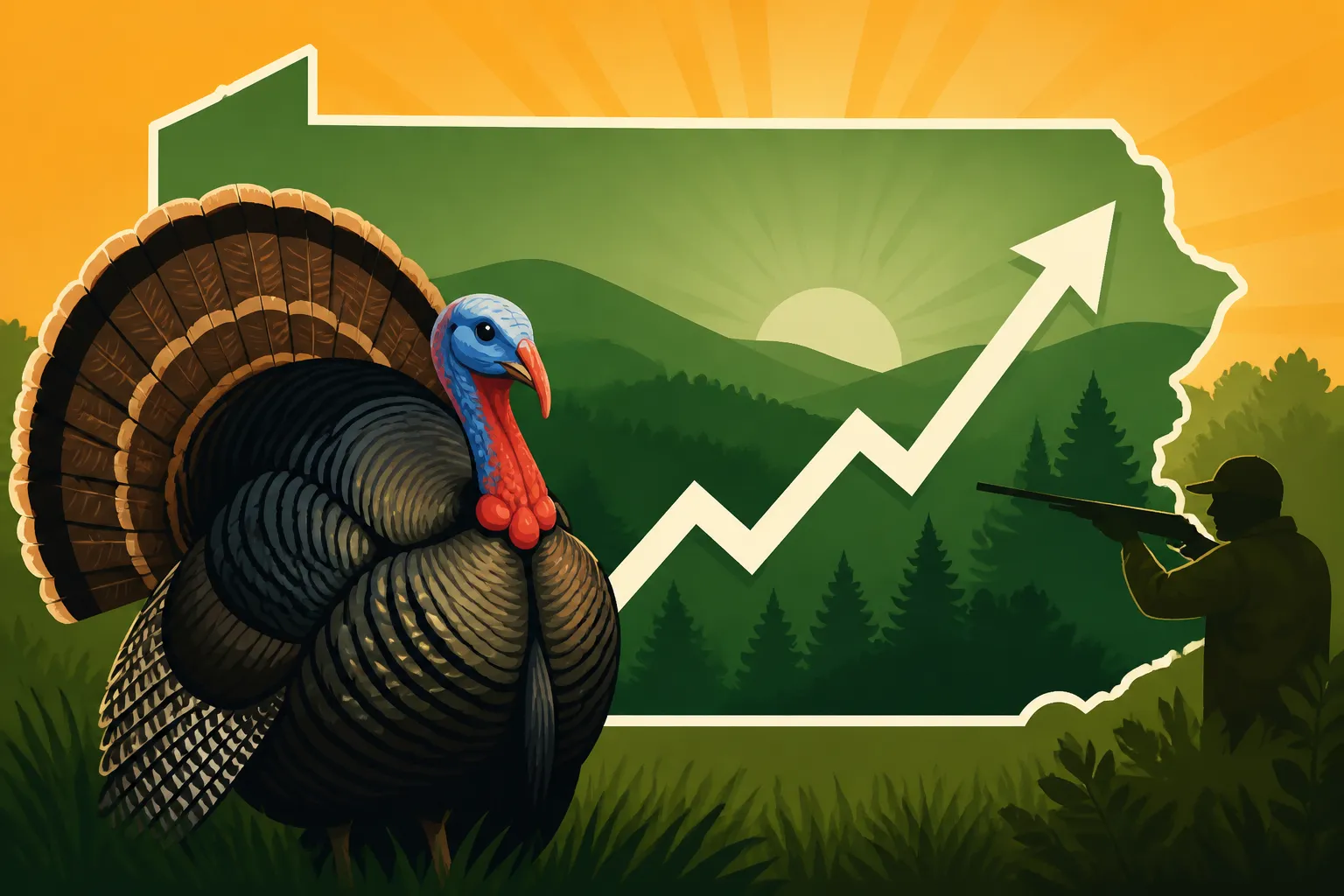
For many years, Pennsylvania boasted one of the healthiest and most widespread wild turkey populations in the nation. Hunters reveled in the challenge of calling in a wary gobbler each spring or busting a large fall flock. However, like any wildlife population, there's a natural ebb and flow. In recent years, many hunters have anecdotally reported seeing fewer turkeys, hearing less gobbling, and observing smaller fall flocks. This isn't just a feeling; harvest data and scientific surveys from the Pennsylvania Game Commission (PGC) do indicate that turkey numbers have, in some areas, plateaued or even seen some modest declines from their historic highs. It's a complex picture, not a simple crash, but it means that the easy turkey hunting of yesteryear might be a bit more challenging now. Understanding these nuances is crucial for both hunters and conservationists.
Understanding the Drivers Behind Turkey Population Shifts
When we talk about wild turkey populations, it's never just one thing that makes the numbers go up or down. It's a intricate dance between environmental factors, human activity, and the inherent biology of the birds themselves. Pinpointing the exact cause of any trend is always a scientific puzzle.
The Critical Role of Habitat and Food Sources
One of the most foundational elements impacting any wildlife species is habitat. Wild turkeys need diverse woodlands that provide mature mast-producing trees like oaks and hickories for food, dense understory for nesting and roosting, and open areas for foraging insects, especially for poults. As Pennsylvania's forests mature, we sometimes lose that early successional habitat that's so vital for young turkeys. Large, unbroken mature timber can be beautiful, but it doesn't always offer the diverse cover and bugging opportunities that poults need to thrive. Changes in land use, such as development or agricultural practices, can also fragment habitat, making it harder for turkeys to find everything they need in a safe, contiguous area. Hunters often notice these subtle shifts. If you're using a mapping tool like GoHunt to scout new areas, you might start to connect the dots between habitat types and where you actually see birds, noting how specific changes, like a new housing development or a clearcut growing too dense, can affect local flocks.
Weather's Impact: When Mother Nature Takes Her Toll on Poults
Perhaps no single factor causes more frustration and concern among turkey hunters than poor poult survival, often directly linked to spring and early summer weather. Wild turkey poults are incredibly vulnerable during their first few weeks of life. They are susceptible to hypothermia and predation, and a cold, wet spring can be devastating. When hens hatch their clutches into prolonged periods of rain and low temperatures, the tiny poults can't thermoregulate effectively, leading to high mortality rates. Additionally, wet weather can reduce the insect populations that poults depend on for protein to grow quickly. One bad hatch year can be absorbed, but several consecutive years of poor poult production can have a significant, noticeable impact on the overall population, leading to fewer jakes the following spring and fewer two-year-old gobblers after that. This is a common and often validated observation among hunters who pay close attention to the age class of birds they see.
Predation and Disease: Subtle but Significant Pressures
While not always as dramatic as a harsh winter or a devastating wet spring, predation and disease exert constant, subtle pressures on turkey populations. Predators like raccoons, opossums, skunks, and coyotes are significant nest predators, destroying eggs and sometimes even preying on hens during nesting season. While healthy turkey populations can generally withstand typical predation levels, an increase in predator numbers or a decline in turkey robustness can make these pressures more impactful. Diseases, though less frequently observed by the average hunter, can also play a role. Blackhead disease, for instance, can impact turkeys, and avian influenza has been a concern for many bird species, including wild turkeys, in recent years. The Pennsylvania Game Commission actively monitors wildlife diseases Pennsylvania hunters watch, including potential impacts on turkey populations.
Regional Differences: Why Your Favorite Spot Might Not Be Like Another
Pennsylvania is a diverse state, stretching from the dense "Big Woods" of the northcentral mountains to the rolling farmlands of the southeast. It stands to reason that wild turkey populations and their trends won't be uniform across all regions. What you observe in your local woodlot might be vastly different from what's happening two counties over.
Contrasting Trends in Farm Country vs. Big Woods WMUs
Turkey populations in Pennsylvania's farm country, often found in the southern and eastern WMUs, tend to be more robust and often show better resilience than those in the more remote "Big Woods" regions of the northcentral part of the state. This disparity is often due to habitat and food availability. Farm country offers a mosaic of woodlots, field edges, and agricultural crops, providing a consistent and varied food supply throughout the year. The diverse plant life and invertebrate populations in these areas can also contribute to better poult survival. Conversely, the Big Woods, while offering vast expanses of timber, can sometimes lack the critical early successional habitat and diverse food sources needed for maximum turkey reproduction and survival, especially for young birds. Hunters who consistently pursue game in these different zones will attest to the different challenges and rewards they offer. For instance, hunting Pennsylvania bear on acorns can lead to encounters with healthy turkey flocks in the mountains, but if the acorn crop fails, both species may struggle.
Analyzing WMU-Specific Turkey Data
The Pennsylvania Game Commission breaks the state into Wildlife Management Units (WMUs) to help manage game populations more effectively. When you dive into the data, you'll see that turkey trends can vary significantly from one WMU to another. Some WMUs might show stable or even slightly increasing numbers, while others indicate more significant declines. These differences are often tied to local conditions – things like localized weather patterns, specific habitat changes, or varying predator densities. For hunters keen on understanding the local situation, consulting the PGC's annual harvest reports and "Pennsylvania Turkey Population Trends" information by WMU is invaluable. This is where tools that allow you to overlay harvest data with geographic features, such as those offered by GoHunt, can become incredibly useful for strategic scouting and understanding. By understanding these WMU-specific trends, hunters can better plan their hunts, perhaps choosing to focus on Which WMUs Have Increasing Turkey Numbers if their traditional spots are struggling, or adjusting their Fall Turkey Tactics in the Big Woods to account for lower densities.
Here's a simplified look at how spring gobbler harvest data can vary across different WMUs, illustrating the regional differences. This table does not represent real-time current data but illustrates the concept of variability.
| WMU (Example) | Spring Gobbler Harvest (Year X) | Spring Gobbler Harvest (Year Y) | Trend (Year X to Y) | Possible Factors |
|---|---|---|---|---|
| 2B | 650 | 620 | Slight Decrease | Urbanization, fragmented habitat |
| 2D | 1,200 | 1,180 | Stable/Slight Drop | Consistent habitat, average poult survival |
| 3B | 980 | 890 | Moderate Decrease | Increased predation, local weather |
| 4A | 1,150 | 1,050 | Moderate Decrease | Maturing forest, some poor hatches |
| 5C | 710 | 730 | Slight Increase | Abundant food sources, good poult survival |
Note: This table is illustrative and does not contain actual current PGC harvest data.
The Hunter's Indispensable Role in Wild Turkey Conservation
It's easy to get caught up in the harvest numbers and population trends, but as hunters, we play a far more significant role than just participating in the season. We are the boots on the ground, the eyes and ears of the forest, and often the primary source of funding for the very conservation efforts that ensure future hunting opportunities.
Funding Through Licenses and Responsible Harvesting
Every time you purchase your Pennsylvania Hunting Licences and What They Cost, a portion of that money goes directly to the Pennsylvania Game Commission. This funding is crucial for wildlife research, habitat management, law enforcement, and conservation programs that directly benefit wild turkeys and other game species. Without hunters, this vital revenue stream would largely disappear. Beyond financial contributions, responsible harvesting practices are key. This means understanding and adhering to bag limits, season dates, and hunting hours. The PGC sets these regulations based on scientific data and population goals. For example, the decision to adjust Pennsylvania Spring Gobbler Season Dates or Why Pennsylvania Cut the Spring Gobbler Limit are management choices meant to balance hunter opportunity with sustainable turkey populations, particularly concerning the female segment of the population. By following these rules, we ensure that enough birds survive to reproduce and maintain healthy populations for years to come.
Becoming an Engaged Citizen Scientist
Hunters are uniquely positioned to contribute valuable data to wildlife management. Who spends more time observing wildlife in their natural habitat than a dedicated hunter? The PGC encourages hunters to participate in programs like their annual "Turkey Brood Survey," where you report sightings of hens and poults during the summer months. This information is critical for biologists to estimate poult-to-hen ratios and project future population trends, helping them understand Poult-to-Hen Ratios and What They Mean. It's a simple act that has a profound impact on the data scientists use to make informed management decisions. Beyond formal surveys, simply reporting unusual observations, sick animals, or significant changes in game animal numbers to your local Game Warden can be incredibly helpful. This engagement transforms us from mere participants into active partners in the ongoing conservation story of Pennsylvania's wild turkeys.
Looking Ahead: Pennsylvania Game Commission's Management and Outlook
The Pennsylvania Game Commission doesn't just sit back and watch turkey populations; they actively manage them through science-backed strategies, constantly adapting to new challenges and data. Their work is paramount to ensuring future hunting opportunities.
Brood Surveys and the Science of Management
The PGC's turkey management relies heavily on data collected through various surveys, with the summer turkey brood survey being a cornerstone. This citizen-science project, where hunters and other outdoor enthusiasts report sightings of turkey broods from June through August, provides crucial insights into reproductive success. Biologists analyze the number of poults per hen, giving them a snapshot of how successful the nesting and hatching season was. This data, combined with harvest reports, banding studies, and habitat assessments, allows the PGC to estimate population sizes and trends more accurately. It's a continuous cycle of observation, data collection, analysis, and adjustment. This scientific approach helps prevent overharvest and ensures that management strategies are as effective as possible in addressing specific challenges like declining Pennsylvania Turkey Population Estimate or shifts in Turkey Trends by Pennsylvania WMU.
Adapting Regulations for a Sustainable Future
Based on all the data gathered, the PGC makes informed decisions about hunting regulations. This can involve adjusting season lengths, bag limits, or even hunting hours. For example, if brood surveys indicate several consecutive years of poor poult survival, the PGC might consider more conservative fall turkey seasons to allow the population to rebound. They are also constantly evaluating the impacts of various factors, such as habitat changes or predator increases, and developing strategies to mitigate negative effects. The goal is always to balance sustainable populations with reasonable hunting opportunities. This adaptive management approach is why we've seen changes like the extension of When Spring Gobbler Hours Extend to Evening in some areas, or adjustments to Pennsylvania Fall Turkey Seasons by WMU, reflecting a nuanced understanding of local conditions. It’s a commitment to the long-term health of the resource, ensuring that future generations can also experience the thrill of a Pennsylvania gobbler sounding off on a crisp spring morning.
Disclaimer
Please remember that hunting regulations and wildlife populations are subject to change. Always consult the most current Pennsylvania Game Commission digest or website for the latest rules, season dates, and detailed information before heading afield.