When Pennsylvania Bucks Shed Antlers
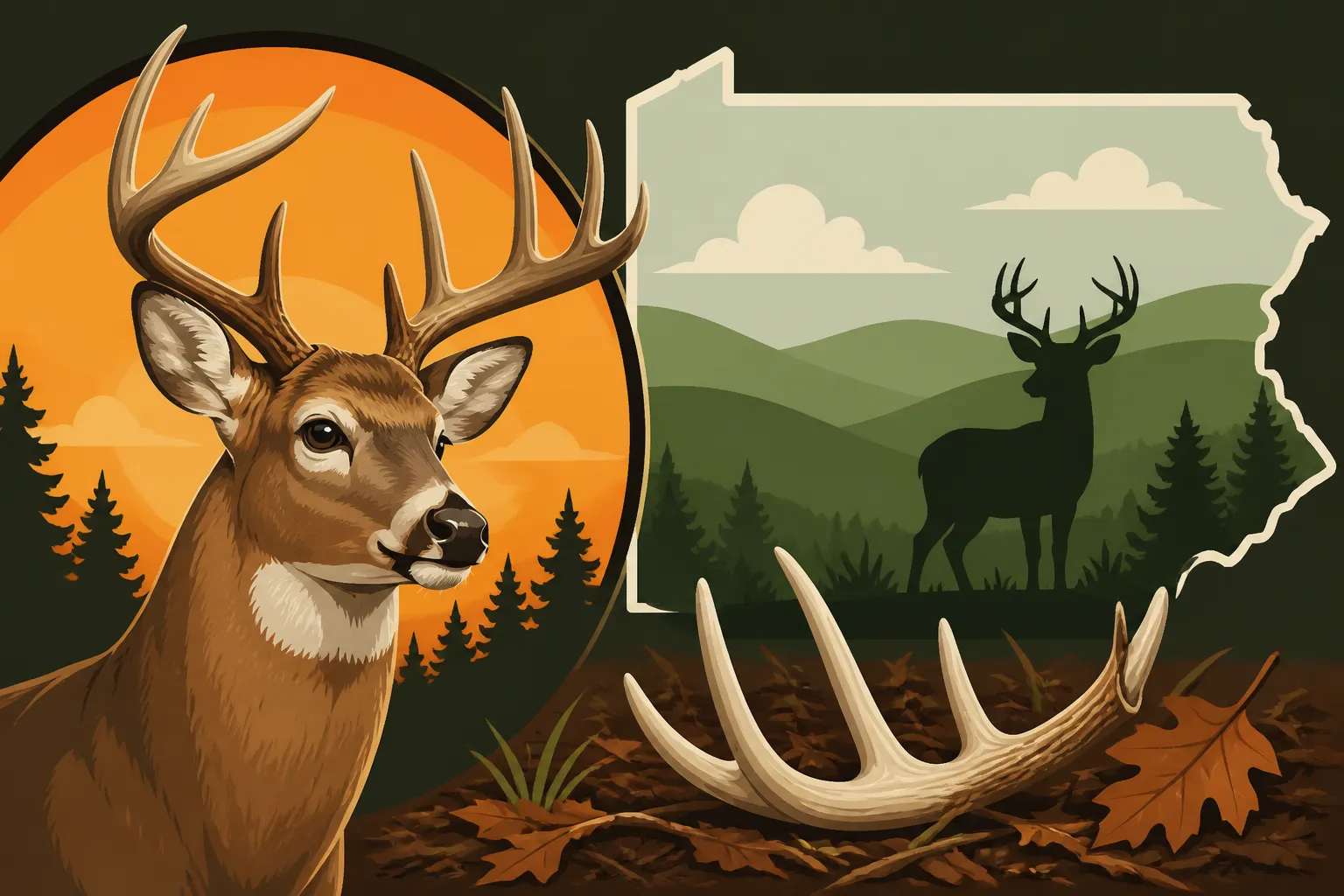
Ah, the annual anticipation of finding those treasures left behind in the woods – shed antlers. It's a frustrating waiting game, isn't it? You spend all season watching those bucks, hoping for one more glimpse, and then suddenly, they're gone, or worse, you spot a familiar face with a clean head. Knowing when Pennsylvania bucks typically shed their antlers can transform your post-season scouting and shed hunting efforts from a hopeful wander into a strategic search. This guide will walk you through the fascinating biology behind antler shedding, the factors that influence when those racks hit the ground across our diverse Pennsylvania landscape, and how you can best prepare to find them.
The Annual Rite of Antler Shedding in Pennsylvania
Every year, after the intensity of the rut has faded and winter's chill sets in, Pennsylvania's whitetail bucks undergo a remarkable transformation. They shed the very antlers that defined their dominance and allure just weeks prior. This isn't just a random occurrence; it's a precisely timed biological process, driven by a complex interplay of hormones and environmental cues. Understanding this annual rite is key to appreciating the resilience of these animals and, for many of us, for knowing when to hit the woods for shed hunting.
The Biological Clock: Hormones and Photoperiod
At its core, antler shedding is triggered by declining testosterone levels in a buck's body. During the breeding season, known as the rut, testosterone surges, fueling their aggressive behaviors and maintaining the hardened bone of their antlers. As the days grow shorter after the winter solstice, and the breeding activities wind down, a buck's testosterone begins to plummet. This drop in hormones initiates a process called "osteoclasis" at the pedicle, the bony base where the antler attaches to the skull. Essentially, a layer of cells forms, weakening the connection between the antler and the skull, much like a tree limb that's about to break off.
The change in day length, or photoperiod, is the primary cue for this hormonal shift. Deer are incredibly sensitive to the amount of daylight they experience. This internal clock ensures that most bucks are ready to shed their antlers at roughly the same time each year, regardless of minor weather fluctuations. While the exact timing can vary by individual and region, the underlying biological mechanism is a constant, ensuring the cycle continues year after year. It's a testament to nature's efficiency, preparing the buck for new growth in the spring.
The Cost of the Rut: Stress and Nutrition's Role
While photoperiod sets the general timeframe, the sheer physical toll of the rut and a buck's nutritional status act as significant accelerators or decelerators for shedding. The rut is incredibly demanding for bucks. They expend massive amounts of energy chasing does, fighting rivals, and constantly on the move, often eating very little during the peak of breeding activity. This intense period depletes their fat reserves and can leave them in a state of exhaustion as winter begins. A buck that went hard during the rut, perhaps bred many does, and lost a lot of body condition, is generally going to shed earlier than a buck that conserved energy or had a less demanding season.
Nutrition plays a critical role too. Bucks need significant energy and nutrients, especially calcium, to grow and maintain their antlers. After shedding, they'll need these resources again to regrow their new set. A buck that is well-fed and has access to abundant, high-quality Late-Season Food Sources for Whitetails, like lingering acorns or browse, will likely be in better physical shape and might hold onto his antlers longer. Conversely, a buck that is struggling to find enough food, especially during a harsh winter, will often shed sooner to divert precious resources to basic survival functions. It's all about resource allocation, and maintaining a heavy set of antlers becomes a low priority when survival is on the line.
Decoding Pennsylvania's Shedding Timeline
Pennsylvania's diverse landscape, from the steep ridges of the Big Woods to the sprawling farm fields of the southern counties, means there isn't one single "shedding day" for all bucks. However, we can identify general windows when most antlers hit the ground. For many of us, this is the burning question that dictates when we lace up our boots and head out.
Early Drops: January's Lone Wolf Shedders
While not the majority, you'll sometimes find early shed antlers in January, especially in the latter half of the month. These are typically the bucks that experienced the most intense rut, were older, or perhaps were under significant nutritional stress heading into winter. Picture a mature, dominant buck that bred heavily, lost a lot of weight, and then had to endure a sudden cold snap with limited food. His body is simply signaling that it's time to lighten the load and redirect energy to survival.
Finding a January shed is often like hitting the lottery – it’s rare enough to be exciting. These early drops are often found closer to bedding areas or within easy travel corridors between cover and food. These bucks are not moving as much, trying to conserve energy, so their sheds won't be as spread out. If you're out and about during late archery or flintlock season, it's always worth keeping an eye out, though your primary focus will be on the hunt itself. It’s a good sign that the main event is just around the corner, getting hunters hyped for the upcoming weeks.
Peak Season: February's Abundant Finds
For most of Pennsylvania, February is considered the peak month for antler shedding. As winter progresses and testosterone levels bottom out, the vast majority of bucks will cast their racks during this time. This is when shed hunters really get serious, knowing that a significant portion of the year's bounty is on the ground. Mid-February, particularly the second and third weeks, often sees the most concentrated shedding activity.
The conditions in February can vary widely across the state. Some years might bring deep snow, pushing deer into specific, accessible areas where they can browse. Other years might be milder, allowing deer to spread out more. Regardless, the biological imperative is strong, and bucks will be shedding. This is when patience and persistence truly pay off. If you’re looking to learn more about the overall deer population, understanding how the deer are distributed after hunting season and where they are concentrating for food can also tie into Pennsylvania Deer Population Estimate.
Lingering Holders: March and Beyond
While February is prime time, it's not uncommon to find bucks still carrying their antlers well into March, and sometimes even into April. These "late holders" are often younger bucks that didn't participate as heavily in the rut, or bucks that had exceptional nutrition throughout the winter. Sometimes, bucks in certain regions with abundant food sources or less severe winters might just hold on longer. It's also possible to find a buck that only drops one side in February and holds the other for several more weeks due to a slight delay in the separation process on that pedicle.
These late sheds can be challenging to find because spring green-up starts to kick in. New growth in March and April can quickly conceal sheds, making them harder to spot. However, these later finds are often pristine, having spent less time exposed to the elements. Don't give up on your shed hunting too early; those stragglers can offer some real gems to your collection.
Key Influences on When Bucks Drop Their Racks
Beyond the overarching hormonal cycle, several specific factors contribute to the individual variation in shedding dates. It's why one buck in the same woodlot might shed weeks before his neighbor. Understanding these influences can help you anticipate shedding patterns in your hunting area and fine-tune your shed hunting strategy.
Age and Physical Condition: The Health Factor
One of the most significant predictors of shedding time is a buck's age and overall physical condition. Older, more mature bucks, particularly those that were dominant during the rut, tend to shed earlier. They simply put more into the breeding season, burning through body fat and reserves at an alarming rate. This intense energy expenditure pushes their bodies to shed antlers sooner to conserve energy for survival and recovery. Conversely, younger bucks, like yearlings or two-and-a-half-year-olds who may not have participated as heavily in the rut, often hold their antlers longer. They didn't deplete their resources as much, so their bodies aren't as pressed to shed immediately.
A buck's general health, regardless of age, also plays a role. A deer that went into winter carrying a heavy parasite load, or one that sustained an injury during the rut or hunting season, might shed earlier due to added stress on its system. Healthy, well-nourished bucks will typically hold their antlers longer, showcasing their robust condition. This also touches on how Buck Age Structure Since Antler Restrictions might influence overall shedding patterns, as healthier, older bucks become more prevalent in some WMUs.
Environmental Stressors: Winter's Grip and Food Scarcity
The severity of winter weather is a huge factor. A brutal Pennsylvania winter with prolonged deep snow, extreme cold, and ice can significantly accelerate shedding. When deer are expending vast amounts of energy just to stay warm and navigate the snow, and food sources are buried or inaccessible, their bodies quickly prioritize survival. Shedding antlers is an easy way to reduce metabolic demand. A light winter, on the other hand, with easy access to food and milder temperatures, often results in bucks holding their antlers longer. They aren't under the same pressure to shed.
Food availability is directly tied to winter severity. If the acorn crop failed the previous fall, or if heavy snow covers browse, deer are forced to expend more energy to find sustenance. This nutritional stress, combined with the energy demands of staying warm, pushes them to shed sooner. Conversely, a bumper acorn crop or accessible food plots on public land can lead to bucks carrying their racks well into late winter. This is why paying attention to Late-Season Food Sources for Whitetails when you're scouting is so important; it gives you clues about where deer are concentrating and how well they're eating.
Human Presence: The Impact of Hunting Pressure
While less about biology and more about behavior, sustained hunting pressure can also influence when bucks shed. Deer in areas with heavy human activity, whether it's hunting, hiking, or logging, tend to be more stressed and can adapt their behavior to minimize encounters. This stress can sometimes contribute to earlier shedding, as the body's resources are being diverted to deal with perceived threats. Bucks might also relocate to secure, thick cover to avoid people, and this shift in habitat might expose them to different food sources or environmental conditions that alter their shedding timeline.
Understanding Hunting Pressure on Pennsylvania Game Lands is critical for shed hunting. If you hunt an area that sees a lot of foot traffic or late-season hunting, those bucks might have already dropped their antlers and moved on, or they might be holding up in the thickest, most secluded areas. Conversely, bucks in less pressured areas might feel more secure and take their time shedding. It's another puzzle piece in understanding deer behavior post-season.
Mastering the Art of Pennsylvania Shed Hunting
Now that you know the when and why, let's talk about the how. Shed hunting is a fantastic way to extend your time in the woods, learn more about your hunting property, and collect some amazing trophies. But it takes strategy, persistence, and the right tools.
High-Probability Shed Zones: Where Bucks Leave Their Treasures
Shed hunting isn't about aimlessly wandering; it's about focused effort in high-probability areas. Bucks typically drop their antlers in places where they are expending energy, moving quickly, or spending significant time.
- Bedding Areas: This is often ground zero for sheds. Bucks spend a lot of time bedded down, especially during cold weather, and when they stand up, the antler can pop right off. Look for thick cover, south-facing slopes (for warmth), and conifer stands on both public and private land. If you know Where Big Woods Bucks Bed, you've got a great starting point.
- Feeding Areas: Where bucks consistently feed, they spend hours with their heads down. The subtle jarring of chewing, or pulling their heads up quickly, can dislodge a loose antler. Focus on acorn flats, harvested crop fields (if you have permission), or areas with browse sign.
- Travel Corridors & Funnels: These are the highways bucks use between bedding and feeding. Jumps over logs, fences, creeks, or steep creek banks can create enough jarring motion to pop an antler off. Trails along ridge lines, especially those with benches, are prime spots.
- Water Crossings: Similar to obstacles, crossing a stream or ditch can cause a buck to jolt, dislodging a loose antler.
- Thick Cover Edges: Bucks often move from thick thermal cover to more open feeding areas. The transition zones are worth patrolling.
Don't forget to consider areas used by hunters during the late seasons, like DMAP properties where Deer Management Assistance Program Permits are issued, as deer might have established predictable patterns there.
Strategic Timing: When to Hit the Woods for Sheds
Timing is everything in shed hunting. As discussed, February is generally peak, but waiting too long can mean sheds are overgrown by spring foliage or picked apart by rodents.
- After Peak Shedding: The ideal time to start a serious search is usually mid to late February, extending into early March. By then, most bucks will have dropped their racks. Starting too early might mean you're walking over ground that bucks haven't even visited yet, or they're still carrying.
- Consider Snow Cover: Fresh snow can be both a blessing and a curse. While it might hide sheds, it also shows you exactly where deer are moving and concentrating. Once the snow melts, those trails and concentrated areas become prime targets.
- Multiple Passes: Don't expect to find everything on your first pass. Shed hunting is often about making multiple passes through the same high-probability areas. Deer might drop an antler one day, and you walk by the next, only to find it on your third visit a week later. Persistence is crucial.
- Post-Rain Searches: A good rain can wash away fallen leaves and dirt, sometimes revealing sheds that were previously concealed.
Remember that late-season scouting for sheds can also inform your hunting strategy for next year. What you find (or don't find) gives you clues about the bucks that survived and where they're spending their time.
Essential Tools for the Modern Shed Hunter
Shed hunting can be physically demanding, especially in Pennsylvania's rugged terrain. Having the right gear makes a huge difference in your success and comfort.
- Good Boots: This is non-negotiable. You'll be covering miles, often off-trail, through briars, over rocks, and across muddy ground. Invest in comfortable, waterproof boots with good ankle support.
- Layered Clothing: Pennsylvania weather in late winter and early spring is unpredictable. Dress in layers so you can adapt to changing temperatures and your activity level.
- Binoculars: Don't leave your binos at home! They are invaluable for scanning distant hillsides, checking thickets without busting deer, or spotting a brown tine against a brown forest floor from a distance.
- Mapping Apps & GPS: Digital mapping tools are game-changers. Apps like GoHunt allow you to mark potential shed locations, track your routes, and identify property lines. Knowing where you've searched and where you still need to cover is incredibly efficient. You can use these tools to identify prime Scouting With the Pennsylvania Mapping Center areas based on terrain features. Marking every shed you find, or even potential sign, builds a valuable database for future years. This is especially useful on large tracts of public land.
- Walking Stick/Trekking Poles: These offer stability on steep or uneven ground and can be used to poke around thick cover or flip over leaves without bending over constantly.
- Daypack: Carry water, snacks, a first-aid kit, and enough room for any sheds you might find. Consider a sturdy pack that can handle the weight of multiple antlers.
- Deer Cart: If you're serious about covering ground and find multiple sheds, especially in remote areas or if you're shed hunting with others, a deer cart can save your back getting them out. Just be mindful of Using a Deer Cart on Game Lands rules, as some areas may have restrictions.
- Patience and Persistence: These aren't physical tools, but they are absolutely essential. Some days you'll walk for hours and find nothing. Other days, you'll trip over a matched set. The joy is in the search and the knowledge gained about the deer in your area.
Shed hunting is more than just finding bone; it's an opportunity to stay connected to the woods, to observe nature's cycles, and to become a better hunter through post-season scouting and learning about Finding Sign in Mature Timber. It’s a rewarding way to spend those quiet winter and early spring days.
Disclaimer
This article is for general informational purposes only and does not constitute professional advice. Laws, prices and regulations vary by location and change over time. Consult a qualified professional for guidance on your specific situation.