How Many Counties Produce Pennsylvania Bears
It might come as a surprise to many, especially those who grew up thinking black bears were strictly creatures of Pennsylvania's deep, dark wilderness, but the truth is, these magnificent animals have made a remarkable comeback across the state. If you’ve been wondering just how widely Pennsylvania’s bear population has expanded, you're not alone. This guide will walk you through the incredible journey of our black bears, revealing how many counties now consistently host bears and what that means for both hunters and everyday residents.
The Remarkable Resurgence of Pennsylvania Black Bears
For generations, the image of a Pennsylvania black bear was tied to the rugged, remote mountains of the northcentral and northeastern parts of the state. Places like Clinton, Lycoming, or Pike counties were synonymous with bear country, where sightings were a rare and exciting event, and encounters required a trek deep into the backcountry. But times have changed, dramatically. Our bear population has not only thrived but has spread its paws far and wide, making itself at home in places you might never have expected.
A Statewide Success Story
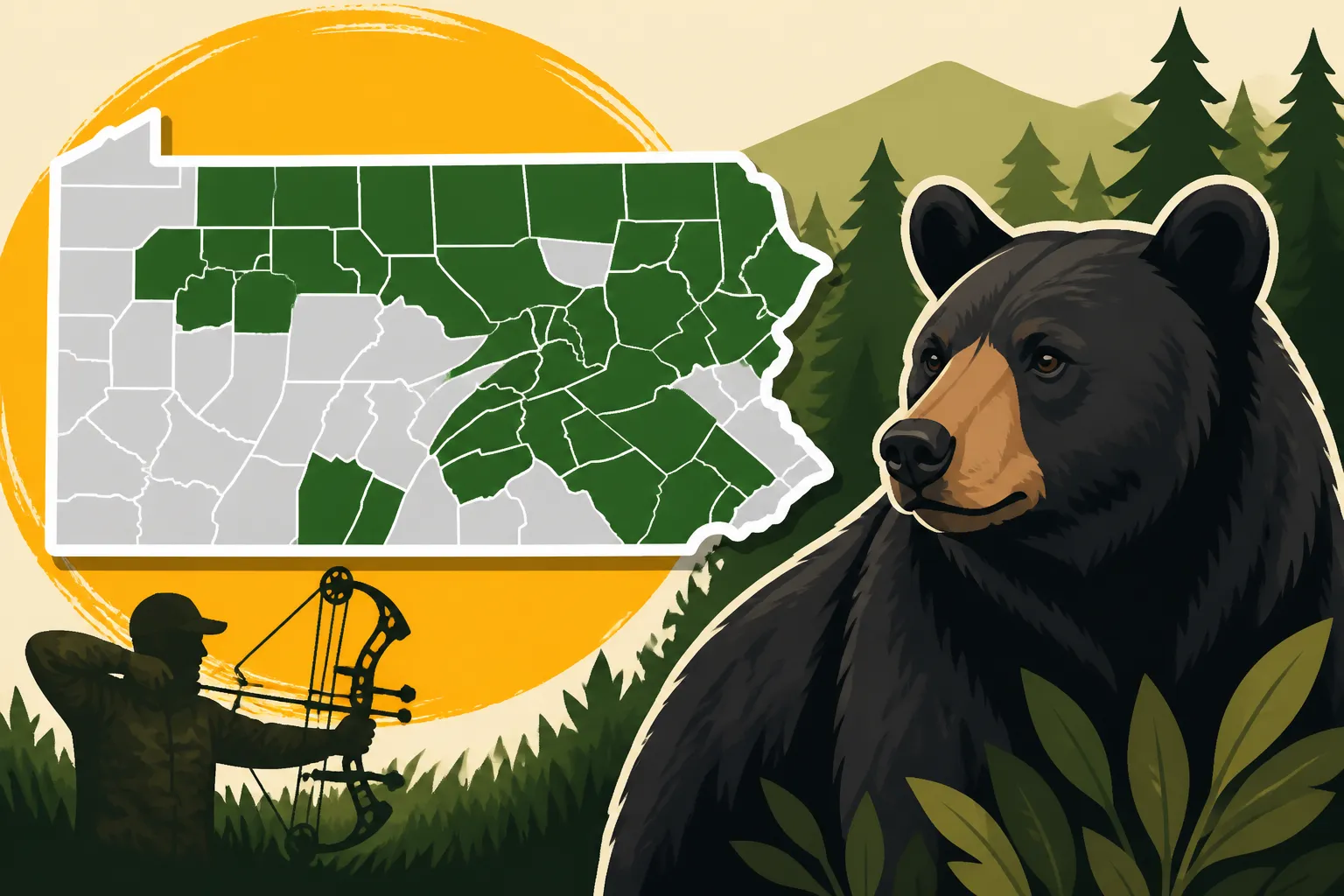
The story of the Pennsylvania black bear is truly one of the greatest wildlife success stories in modern conservation. Decades ago, over-harvesting and habitat loss pushed bears into just a fraction of the state. However, careful management by the Pennsylvania Game Commission (PGC), coupled with an incredible adaptability from the bears themselves, has led to a population boom and expansion. Today, bears are no longer confined to isolated pockets. They are now recorded in most of Pennsylvania's 67 counties, a testament to their resilience and the effectiveness of conservation efforts. While some counties boast higher densities and more frequent sightings, the presence of bears, at least occasionally, is a reality for nearly the entire Commonwealth. This widespread distribution has fundamentally changed the landscape of hunting and wildlife interaction across the state, creating new opportunities and challenges.
Factors Contributing to Bear Expansion
Several key factors have played into this impressive expansion. Firstly, habitat regeneration has been crucial. As old farms reverted to woodland, and responsible timber management practices created a mosaic of forest types, bears found more places to call home. Dense cover for bedding, mast-producing trees for food, and remote hollows for denning became available in areas where they hadn't existed for a century or more. Secondly, evolving hunting regulations and management strategies allowed the population to grow sustainably. Rather than focusing solely on reducing numbers, the PGC has implemented seasons and tag allocations designed to manage the population's health and distribution, which has allowed bears to colonize new territories.
Finally, the incredible adaptability of black bears themselves cannot be overstated. They are generalist omnivores, meaning they can thrive on a wide variety of foods—from acorns and berries to agricultural crops and, yes, even discarded human food. This flexibility allows them to exploit food sources in diverse environments, from pristine wilderness to the fringes of suburban developments. As their numbers increased in traditional areas, younger bears, in particular, set out to find new territories, often venturing into less traditional, more populated areas, slowly but surely extending the Where Pennsylvania Bears Range across the state. This natural dispersal, combined with available resources, has cemented their presence in countless new locales.
Pinpointing Bear Hotbeds and Widespread Presence
While it's true that bears are present in almost every county across Pennsylvania, the level of their presence varies significantly. Think of it less like a uniform blanket and more like a patchwork quilt, with some areas being thick with bears and others seeing more transient visitors. Understanding this distinction is key, especially if you're a hunter planning your season or a homeowner concerned about backyard visitors.
The Core Bear Counties
When most Pennsylvanians think of "bear country," they're probably picturing the northcentral and northeastern regions. These areas, characterized by vast tracts of continuous forest, rugged mountains, and abundant natural food sources, remain the undisputed strongholds for the largest populations of black bears. Counties like Lycoming, Potter, Clinton, Tioga, Cameron, Centre, Clearfield, and Elk in the northcentral, or Pike, Monroe, Wayne, Carbon, and Lackawanna in the northeast, consistently lead the state in bear sightings and harvest numbers. These are the places where you're most likely to encounter a bear whether you're hiking, camping, or hunting. Hunters often head to these regions for a better chance during Pennsylvania Black Bear Hunting seasons, knowing the density offers a higher probability of success.
For instance, the sprawling State Game Lands and State Forests in these regions offer prime bear habitat, with their diverse mast crops and dense cover. It's not uncommon for these counties to contribute a significant portion of the annual Pennsylvania Bear Harvest Numbers, reflecting the healthy and robust bear populations within their borders. If you're looking to consistently find bear sign or increase your odds of an encounter, focusing your efforts on these traditional hotbeds is a smart strategy.
Expanding Territories and Suburban Encounters
Beyond these traditional strongholds, bears have increasingly made their presence known in counties further south and west, often encroaching on areas closer to human habitation. Counties in the Ridge and Valley province, such as Mifflin, Huntingdon, Blair, and Bedford, now report regular bear activity. Even the agricultural landscapes of southeastern Pennsylvania, which once seemed entirely too populated for bears, are seeing more frequent sightings. Counties like Berks, Lehigh, and even parts of Bucks and Chester counties, though not "bear country" in the traditional sense, will have residents report bears raiding bird feeders, rummaging through trash cans, or simply passing through.
This expansion means that whether you're in a heavily forested area or closer to a small town, awareness of bears is becoming increasingly important. These "new" bear territories often have smaller, but growing, resident bear populations, supplemented by transient bears moving through. It’s a clear indicator of just how adaptable these animals are, managing to navigate fragmented habitats and coexist, sometimes uneasily, with human populations. Being prepared for Bear Encounters Around Pennsylvania Homes is now a reality for many more Pennsylvanians.
To give you a clearer picture, here’s a general overview of bear presence across Pennsylvania's regions:
| Region | General Bear Presence | Example Counties (Non-exhaustive) |
|---|---|---|
| Northcentral PA | High Concentration: Traditional strongholds with dense populations | Lycoming, Potter, Clinton, Tioga |
| Northeast PA | High Concentration: Robust populations, consistent activity | Pike, Monroe, Wayne, Carbon |
| Southcentral PA | Regular Presence: Expanding populations, consistent sightings | Huntingdon, Mifflin, Centre, Blair |
| Northwest PA | Regular Presence: Healthy populations, good hunting | Forest, Venango, Clarion, Warren |
| Southwest PA | Moderate Presence: Increasing sightings, some resident populations | Somerset, Fayette, Westmoreland |
| Southeast PA | Occasional to Regular Presence: Dispersing bears, some residents | Berks, Schuylkill, Lehigh, Bucks |
This table illustrates that while the "high concentration" areas are still up north, bears are far from absent elsewhere.
Understanding Bear Distribution for Hunters and Residents
The widespread presence of black bears throughout Pennsylvania has significant implications for both the hunting community and general residents. It means new opportunities, but also increased responsibility and a greater need for awareness. The days of bears being a "northern problem" are long gone; they are now truly a statewide presence.
Implications for Hunters
For hunters, this expansion is largely good news. It means that bear hunting opportunities are no longer limited to just a handful of remote regions. While the traditional "big woods" still offer some of the best chances, hunters in many other parts of the state now have a realistic shot at harvesting a bear closer to home. This broader distribution often leads to increased participation in Pennsylvania Bear Seasons and Licences, as more hunters realize they don't have to travel far to pursue these impressive animals. When considering how many bears Pennsylvania has, it's clear the management strategy has allowed for robust populations.
However, hunting bears in these expanding territories, particularly in areas with a mix of public and private land, requires different tactics. It often means more scouting in suburban fringes or mixed agricultural and woodland areas, paying closer attention to smaller woodlots, creek bottoms, and thick cover that might serve as travel corridors. Scouting Pennsylvania Public Land Before Season becomes even more critical to identify these less obvious bear haunts. Hunters also need to be acutely aware of safety zones and property boundaries, especially when hunting close to populated areas. The availability of Pennsylvania Bear Licence Cost information is readily available from the Game Commission, and understanding the specific rules for your chosen Wildlife Management Unit (WMU) is paramount.
Coexisting with Bears in More Places
For residents, the increased presence of bears across so many counties means a greater need for bear-smart practices. What was once considered "rural" advice is now relevant for many suburban and even semi-urban communities. Securing trash, bringing in bird feeders, cleaning outdoor grills, and not leaving pet food outside are no longer just suggestions; they are essential steps to prevent conflicts and keep bears wild. When bears learn that human dwellings are a source of easy food, they can quickly become habituated, leading to dangerous situations and often, unfortunately, to the bear needing to be removed.
It’s about understanding that these magnificent creatures are part of our landscape, and their expansion is a sign of a healthy ecosystem. Learning to coexist, by minimizing attractants and understanding bear behavior, is critical. The Pennsylvania Game Commission offers excellent resources on what to do if you encounter a bear and how to make your property less appealing to them. This proactive approach ensures that both humans and bears can continue to share the landscape safely.
Utilizing Resources for Current Bear Information
Given the dynamic nature of wildlife populations and regulations, staying informed about bear activity and hunting opportunities is crucial. Relying on outdated information can lead to missed opportunities for hunters or potential conflicts for residents. Luckily, there are excellent resources available to help you keep up to date.
Official State Wildlife Agency Resources
The Pennsylvania Game Commission (PGC) is your primary and most authoritative source for all things related to black bears in the Commonwealth. Their website is a treasure trove of information, providing detailed statistics on Pennsylvania's Black Bear Population, harvest numbers, distribution maps, and specific regulations for each hunting season. You can find comprehensive guides on bear biology, habitat, and coexistence strategies. They also provide up-to-the-minute news releases regarding bear sightings, management initiatives, and any changes to hunting seasons or rules.
Hunters should pay close attention to the PGC's annual hunting and trapping digest, which outlines all the legal requirements, season dates, and specific rules for hunting bears in various Wildlife Management Units (WMUs). This is where you'll find critical details about tagging, reporting, and any special regulations that might apply to certain areas, such as Disease Management Areas (DMAs). These official channels ensure you're always working with the most accurate and up-to-date information directly from the wildlife managers themselves.
Leveraging Online Tools and Community Insights
In addition to official resources, a wealth of online tools and community platforms can offer valuable insights. Hunting and outdoor forums, social media groups dedicated to Pennsylvania hunting, and mapping applications provide excellent ways to stay current. Many hunters use platforms that offer detailed mapping layers showing public land boundaries, habitat types, and even topographical features, which are invaluable for planning a bear hunt in a specific area. These tools can help hunters identify promising terrain and potential bear travel routes before even setting foot in the woods.
When I'm planning my own hunts, I often consult community discussions to get a feel for regional activity, especially for species like bear that are spread across so many diverse landscapes. While GoHunt primarily focuses on western big game, the concept of using advanced mapping and community data to inform scouting is incredibly valuable for Pennsylvania hunters too. Several apps offer similar capabilities for our state, allowing you to mark waypoints, study topography, and even identify specific habitat features that bears favor, such as dense mountain laurel thickets or oak ridges heavy with acorns. Combining this detailed mapping with local knowledge gleaned from reliable online communities can give you a real edge, whether you're trying to find Where Big Woods Bucks Bed or pinpointing bear sign in a lesser-known county. Remember, though, to always cross-reference any informal information with official PGC resources to ensure accuracy, especially concerning regulations.
Disclaimer
This article is for general informational purposes only and does not constitute professional advice. Laws, prices and regulations vary by location and change over time. Consult a qualified professional for guidance on your specific situation.