Bear Encounters Around Pennsylvania Homes
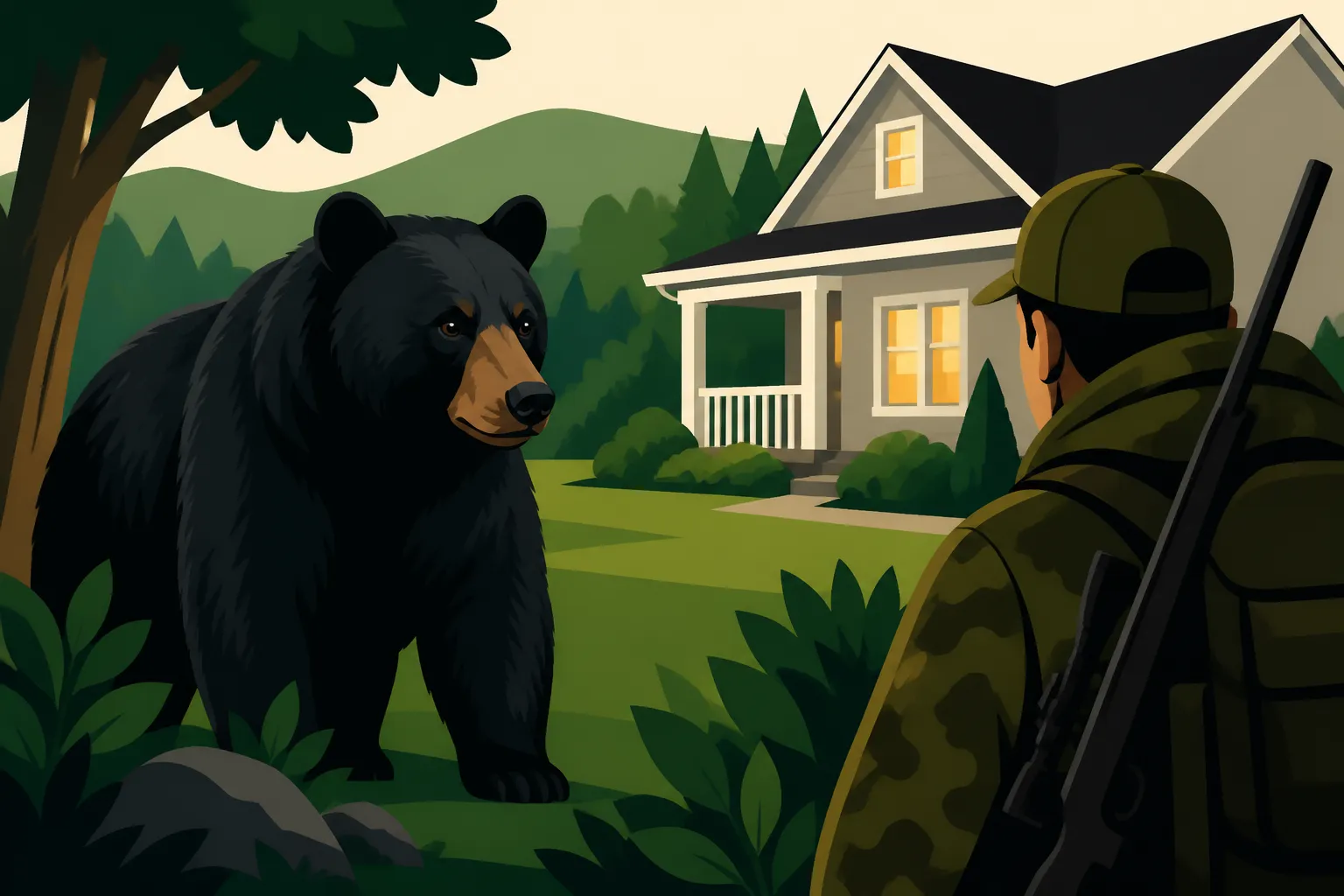
There's nothing quite like the feeling of stepping out onto your porch, taking a deep breath of fresh Pennsylvania air, only to freeze when you see a large, dark shape lumbering through your backyard. For many of us living in rural, suburban, or even exurban parts of the Commonwealth, bear encounters around our homes are becoming an increasingly common, and often unsettling, reality. It's a mix of awe, fear, and a burning question: "What do I do now?" This comprehensive guide aims to arm you with the knowledge and practical steps needed to prevent these encounters and handle them safely and responsibly if they do occur, helping you foster a more peaceful coexistence with our wild neighbors.
Understanding Why Bears Come Close
It's easy to feel like bears are encroaching on our territory, but in reality, they're simply following their natural instincts in an ever-changing landscape. Pennsylvania's black bear population has seen a remarkable resurgence over the past decades, expanding their range into areas they haven't occupied in generations. This success story, while wonderful for wildlife enthusiasts, means more interactions with humans, particularly as development pushes further into traditional bear habitats.
Natural Habitat and Expansion
Bears are incredibly adaptable creatures, and their range now covers much of Pennsylvania, far beyond the deep woods where many might imagine them living. Historically, black bears thrived in vast, unbroken forests. While large tracts of forest remain, especially in the central and northern parts of the state, bears are increasingly at home in mixed landscapes that include agricultural fields, smaller woodlots, and yes, even residential areas. The healthy population means that younger bears, in particular, are often pushed out by dominant males to seek new territories, sometimes finding themselves in surprising places. Understanding Where Pennsylvania Bears Range can help you anticipate their presence.
These powerful animals are driven primarily by two things: food and safety. If your property offers easy access to high-calorie meals and feels relatively secure, a bear won't hesitate to investigate. The feeling of surprise when you see one is completely valid; many people associate bears with remote wilderness, not their backyard swing set. It's a new reality for many Pennsylvanians, and adapting our habits is key.
Unintended Attractants in Your Yard
The biggest reason bears venture near homes isn't malice; it's opportunity. We humans, often unknowingly, create an irresistible buffet for bears right outside our doors. A bear's sense of smell is legendary—it's estimated to be seven times better than a bloodhound's—and they can detect food from incredible distances. What smells like a faint leftover to us is a beacon to a hungry bear.
Common culprits include unsecure garbage cans, overflowing bird feeders, and pet food left outdoors. Even a greasy grill that hasn't been thoroughly cleaned can broadcast a tempting aroma across your neighborhood. Compost piles, fruit trees that drop their harvest, and even certain types of landscaping can draw them in. Imagine walking past a bakery with an open door; that's essentially what our yards become for a bear when we leave these attractants out. We're essentially putting out a welcome mat, even if we don't mean to.
Preventing Unwanted Bear Visits
The best encounter is the one that never happens. Proactive prevention is your most powerful tool in keeping bears at a safe distance and ensuring they don't associate your home with an easy meal. This often means making some changes to your daily routines and how you manage your outdoor space.
Securing Food Sources
This is, without a doubt, the most critical step. Bears are intelligent and persistent. If they find food once, they'll remember and return. Think of your yard through a bear's nose and stomach.
- Garbage Management: Invest in bear-resistant garbage cans or keep your cans securely stored in a shed or garage until collection day. If you have curbside pickup, only put trash out on the morning of collection, not the night before. Double-bagging smelly items can also help reduce odors.
- Bird Feeders: While delightful to watch, bird feeders are prime bear attractants, especially from spring through fall. Black oil sunflower seeds and suet are calorie-dense and exactly what a bear is looking for. Consider taking feeders down entirely during bear season, typically April through November. If you absolutely must feed birds, use feeders designed to prevent spills and bring them in every evening.
- Pet Food and Water Dishes: Pet food left on a porch or deck overnight is an open invitation. Feed pets indoors whenever possible, or if feeding outside, bring in all dishes and leftover food immediately after they've finished eating. Remember that some bears will even drink from outdoor water dishes or pools.
Using a mapping tool like GoHunt, often used by hunters to understand terrain and wildlife movements, can actually help homeowners too. You can identify natural corridors or wooded areas bordering your property, giving you insight into potential bear pathways and where to focus your preventative efforts. If you are interested in broader wildlife management, you can learn about Pennsylvania Deer Feeding and Baiting Rules, which shares principles on not attracting animals.
Deterrents and Yard Maintenance
Beyond securing obvious food sources, there are other strategies to make your property less appealing to a bear.
- Cleanliness is Key: Regularly clean your outdoor grills. Burn off food residue and wipe down the grates and drip pans. Store grills in a secure area if possible. If you have fruit trees, pick ripe and fallen fruit promptly. Clean up any garden produce that falls to the ground.
- Compost Piles: If you compost, use a bear-resistant composter or only compost non-food scraps. Avoid composting meat, dairy, or oily foods, which are strong attractants.
- Electric Fencing: For more persistent problems or to protect specific areas like gardens, chicken coops, or beehives, a properly installed electric fence can be a very effective deterrent. These typically deliver a harmless but memorable jolt that teaches a bear to avoid the area. There are various types, from temporary setups to more permanent solutions.
- Noise and Light: While not long-term solutions, motion-activated lights or alarms can surprise and scare off a bear that wanders into your yard, at least temporarily. Making loud noises (pots and pans, air horn) from a safe distance can also encourage a bear to move on.
The goal is to teach bears that your property offers no easy rewards and might even be a little unpleasant, encouraging them to find natural food sources elsewhere.
Being a Good Neighbor
Living in bear country means a certain level of community responsibility. If you're doing everything right but your neighbor isn't, you might still experience issues. Educating friends and neighbors about proper bear-wise practices is crucial for collective success.
- Share Information: Gently share resources and tips with those around you. Many people simply don't realize the impact their habits have on wildlife.
- Report Persistent Issues: If you have a neighbor whose actions are consistently drawing bears, and direct communication hasn't helped, you might need to contact your local wildlife agency for assistance or advice on how to mediate.
- Understand Bear Habits: Take time to learn about Pennsylvania's Black Bear Population and Pennsylvania Bear Denning Behaviour to better understand the animals you're sharing the landscape with. This knowledge can help alleviate fears and guide your actions. Even understanding things like Hunting Pressure on Pennsylvania Game Lands can give you insight into how bears might be moving through the broader landscape.
What To Do During a Bear Encounter
Despite all preventative measures, an encounter might still happen. Knowing how to react calmly and correctly can de-escalate the situation and ensure safety for both you and the bear.
If You See a Bear in Your Yard
It's natural to feel a jolt of adrenaline, but the most important thing is to stay calm and assess the situation. Most bears are simply passing through or investigating a smell.
- Do Not Approach: Never, ever approach a bear, especially a sow with cubs. They are wild animals and can be unpredictable. Give them plenty of space.
- Make Yourself Known: If the bear hasn't seen you, make noise—clap your hands, speak in a firm voice. This alerts the bear to your presence and gives it a chance to leave.
- Appear Large: If you're outside, slowly wave your arms overhead, stand tall, and make yourself look as big as possible. This is not about aggression but about demonstrating you're not a prey animal.
- Back Away Slowly: Create distance. If you're in a house, stay inside and watch from a safe window. If you're outside, slowly back away without turning your back or running. Running can trigger a chase response.
- Secure Pets and Children: Get children and pets indoors immediately and keep them close if you're outside. A leashed dog can sometimes agitate a bear, so control them closely.
Most often, if given space and made aware of human presence, a bear will simply turn and leave. They are generally wary of humans.
If a Bear Approaches You or a Pet
While rare, a bear might approach you, either out of curiosity, habituation to human food, or if it feels threatened. Your response depends on the bear's behavior.
- Never Run: This is paramount. Running can trigger a bear's predatory instinct.
- Stand Your Ground: Continue to appear large and make loud noises. If the bear huffs, pops its jaws, or swats the ground, these are "bluff charges"—it's trying to intimidate you. Stand firm.
- Use Bear Spray (If Available): If a bear continues to approach and gets within close range, bear spray can be a highly effective deterrent. Always carry it when hiking or working in bear country, and know how to use it.
- Fight Back If Attacked: In the exceedingly rare event of a physical attack, especially if the bear seems to be exhibiting predatory behavior (silent approach, direct attack, not a defensive bluff), fight back vigorously with anything at hand. Aim for the bear's face and eyes. However, if it's a defensive attack (e.g., you surprised a sow with cubs, or approached a food source), playing dead is sometimes recommended, but this is a complex scenario best discussed with wildlife professionals, as it depends entirely on the type of attack. The best advice is to avoid getting into such a situation by following prevention tips and backing away calmly.
Remember, a bear is generally not looking for a confrontation. It wants food and to avoid trouble.
When to Report a Bear Sighting
Not every bear sighting needs to be reported. The Pennsylvania Game Commission (PGC) handles thousands of bear-related calls each year, and they prioritize situations where there's a real threat or public safety concern.
- When to Report: You should contact the PGC if a bear is exhibiting aggressive behavior, repeatedly attempting to enter homes or buildings, or if it's injured, diseased, or trapped. A bear that is habituated to human food sources and showing little fear of people, especially if it's causing property damage, should also be reported.
- Who to Contact: Always contact your regional Pennsylvania Game Commission office for guidance. They can assess the situation and determine the appropriate action, which might range from providing advice over the phone to dispatching an officer to assess the bear. Avoid contacting other emergency services unless there is an immediate and grave danger to human life.
It's important to remember that the goal is not to eliminate bears but to manage human-bear interactions. Reporting problem bears helps wildlife officials intervene before situations escalate, ensuring the safety of both people and our incredible wildlife. For general information on where these animals live, you can consult resources like How Many Black Bears Pennsylvania Has.
| Bear Attractants (Things to Avoid) | Prevention Methods (Things to Do) |
|---|---|
| Unsecured garbage cans or bags | Bear-resistant garbage containers; store in shed/garage |
| Bird feeders (especially spring-fall) | Take down feeders or use bear-proof designs; bring in nightly |
| Pet food/dishes left outside | Feed pets indoors; bring in all food and dishes immediately |
| Dirty outdoor grills | Clean grills thoroughly after each use; store securely |
| Ripe/fallen fruit from trees | Promptly pick ripe fruit; clean up fallen fruit |
| Open compost piles with food scraps | Use bear-resistant composters; avoid meat/dairy scraps |
| Accessible beehives/chicken coops | Secure with electric fencing or sturdy enclosures |
| Scented candles, air fresheners outdoors | Avoid using strong scents outdoors that might attract curious bears |
| Unsupervised children/small pets | Keep children and small pets close and supervised in bear country |
Coexisting with Pennsylvania's black bears is a privilege, though it certainly comes with its challenges. By understanding their needs, eliminating attractants, and knowing how to react responsibly, we can minimize conflicts and ensure these magnificent creatures continue to thrive in our beautiful Commonwealth.
Disclaimer
This article is for general informational purposes only and does not constitute professional advice. Laws, prices and regulations vary by location and change over time. Consult a qualified professional for guidance on your specific situation.