How Many Black Bears Pennsylvania Has
For many Pennsylvania hunters and wildlife enthusiasts, there's a natural curiosity about the black bear population that roams our vast forests and increasingly, our more suburban landscapes. You might wonder how many bears truly call the Commonwealth home, especially when you consider how elusive these magnificent creatures can be. This guide will delve into how wildlife biologists estimate these populations, what those numbers generally look like, and the factors that influence where these bears live and thrive across Pennsylvania.
The Enduring Presence of Pennsylvania's Black Bears
Pennsylvania's black bear story is one of incredible resilience and successful conservation. It wasn't always a given that we'd have such a robust bear population today, and understanding this history helps us appreciate the health of the current numbers.
Historical Perspective and Modern Comeback
Decades ago, black bears in Pennsylvania were far from abundant. Habitat loss, unregulated hunting, and human expansion pushed their numbers to precarious lows. There were times when seeing a bear was a truly rare event, confined mostly to the most remote, wild corners of the state. It took dedicated conservation efforts, including habitat restoration, science-based management, and the establishment of regulated hunting seasons, to bring them back from the brink. Slowly but surely, the bear population began to rebound, demonstrating a remarkable ability to adapt to changing environments. Today, they are a celebrated part of our state's natural heritage, providing both ecological benefits and exciting hunting opportunities.
This comeback didn't happen overnight; it was a testament to long-term planning and public support. As their numbers grew, so did their range, moving out of traditional strongholds and into areas where they hadn't been seen in generations. This expansion means more opportunities for wildlife sightings, but also a greater need for human-bear coexistence strategies, as encounters become more frequent even near developed areas. The sustained health of the bear population is a shining example of what thoughtful wildlife management can achieve.
Why Estimating Bear Populations is Tricky
Counting animals that are large, intelligent, and masters of camouflage is never a simple task, and black bears are no exception. They don't line up to be counted, nor do they stay in one spot for long. Biologists use a variety of sophisticated methods to get a reliable estimate, but it's important to remember these are always estimates, not exact headcounts. One common technique involves trapping and tagging bears, often with ear tags and sometimes with radio collars, which allows researchers to track individual animals, understand their movements, and estimate population densities in specific areas.
Another crucial source of data comes from checking stations during hunting season. When a hunter successfully harvests a bear, they are required to take it to a designated check station. Here, wildlife staff collect vital information: the bear's weight, sex, age (determined by pulling a small tooth), and general health. This harvest data, collected year after year, provides a powerful index of the population's health and trends. By comparing the number of bears harvested to previous years, and considering factors like cub production and survival rates, biologists can model the overall population size and trajectory. It’s a complex puzzle, but each piece of data helps paint a clearer picture of Pennsylvania's Black Bear Population.
Understanding Pennsylvania's Black Bear Population Estimates
So, what do all these scientific efforts tell us about the actual number of black bears in Pennsylvania? The figures reflect a healthy and thriving population, though they fluctuate year to year based on various environmental and biological factors.
Current Population Estimates and Trends
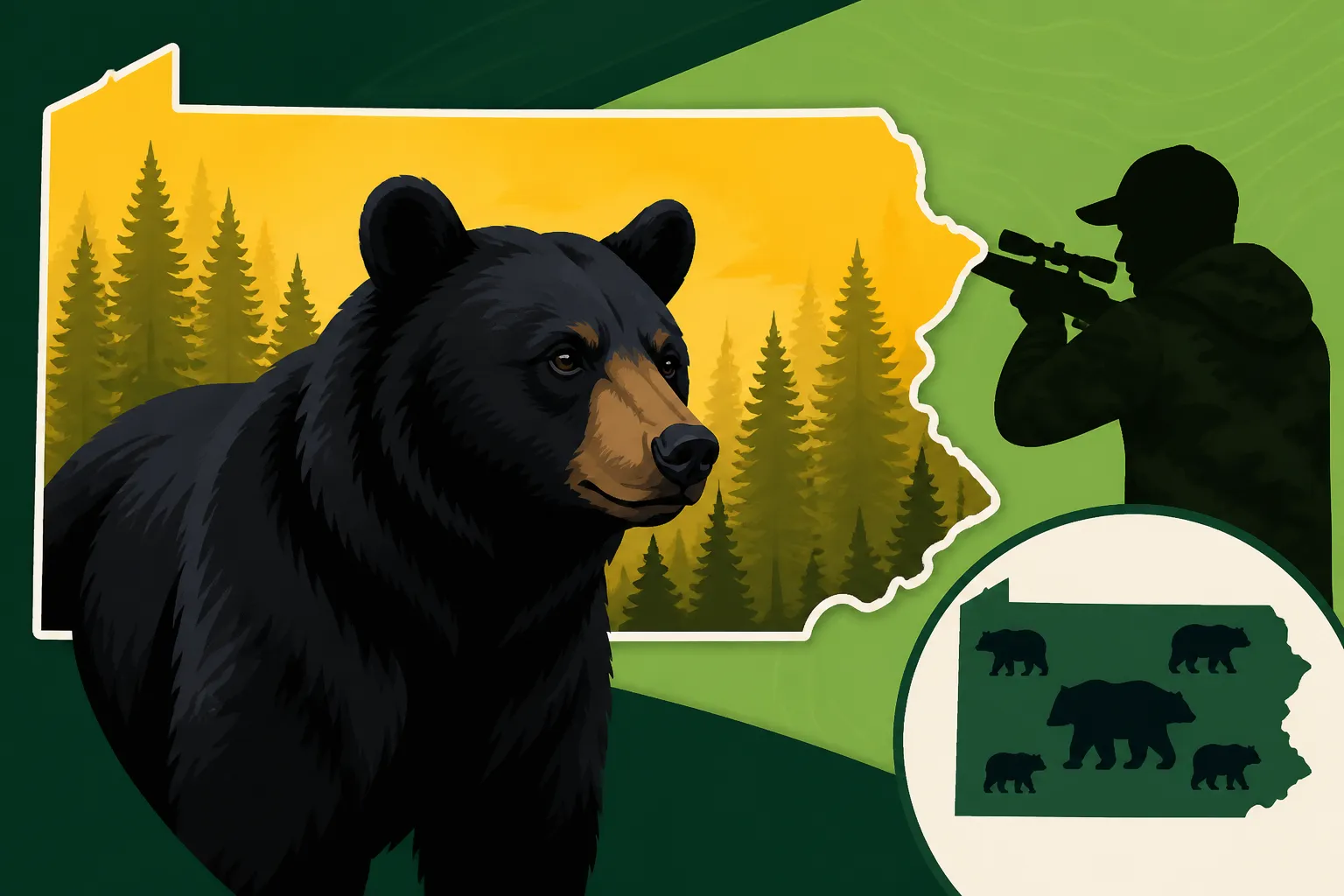
While exact real-time numbers are impossible to pin down, wildlife agencies often estimate the statewide black bear population to be in the range of 15,000 to 20,000 individuals prior to the hunting seasons. This number isn't static; it's a dynamic figure that changes with cub births, natural mortality, and harvest pressure. What's truly impressive is the overall trend: Pennsylvania's bear population has shown remarkable stability, and often growth, over the past few decades. This indicates a well-managed population that is reproducing successfully and finding suitable habitat.
These estimates are refined continuously. For instance, if cub production is high in a given year due to abundant food sources, biologists might project a slight increase in the overall population for the following year. Conversely, a harsh winter or a particularly successful hunting season could lead to a minor dip. The key is that these fluctuations occur within a healthy range, demonstrating that the management strategies in place are working to maintain a sustainable population. For those interested in deeper dives into these statistics, reviewing Pennsylvania Black Bear Harvest Trends can provide fascinating insights into these annual variations.
Factors Influencing Bear Numbers
Several environmental and ecological factors play a significant role in influencing Pennsylvania's black bear numbers. Food availability is perhaps the most critical. Bears are opportunistic omnivores, and a bumper crop of acorns, beechnuts, or berries can lead to healthier bears, better cub survival, and higher reproductive rates. Conversely, a poor mast crop year can stress the population, potentially leading to lower cub survival or increased human-bear conflicts as bears search for food in developed areas.
Habitat quality and quantity are also paramount. While bears are adaptable, they still need large tracts of contiguous forest for denning, foraging, and raising cubs away from human disturbance. The ongoing efforts to conserve and manage state forests, game lands, and other wild areas are vital for supporting these animals. Lastly, human interaction, both in terms of responsible coexistence and regulated hunting, directly impacts bear numbers. Understanding these intricate relationships is crucial for maintaining a healthy and balanced ecosystem where bears can thrive.
Where the Bears Roam: Distribution Across the Commonwealth
It's one thing to talk about statewide numbers, but another to understand where you're most likely to encounter a black bear in Pennsylvania. Their distribution isn't uniform; some areas are veritable bear country, while others see them as occasional visitors.
Core Bear Habitat and Expanding Range
Traditionally, Pennsylvania's black bear strongholds have been found in the expansive "Big Woods" regions of the north-central and northeastern parts of the state. Think of places like the Allegheny National Forest, the vast State Forest lands in counties like Potter, Clinton, and Lycoming, and the rugged terrain of the Pocono Mountains. These areas offer dense forest cover, abundant natural food sources, and relatively low human population density, providing ideal conditions for bears to thrive. This is where you'd expect to find higher densities of bears and the most consistent sightings.
However, over the past few decades, there has been a noticeable expansion of the bear population's range. Bears have successfully dispersed into the more fragmented woodlands and agricultural landscapes of southern and western Pennsylvania. It's no longer uncommon to hear of bear sightings in counties closer to major metropolitan areas, even in suburban settings. This expansion is a testament to the health of the population and the bears' adaptability, but it also means hunters and residents across much of the state need to be bear-aware. For a more detailed look at their spread, exploring resources on Where Pennsylvania Bears Range can offer valuable insights.
Bear Densities and Regional Differences
The density of black bears can vary quite dramatically from one Wildlife Management Unit (WMU) to another. In the prime bear habitat of the north-central and northeastern WMUs, densities can be significantly higher, meaning more bears per square mile of suitable habitat. These are the areas where hunters often have the best odds during bear season, and where wildlife viewing opportunities are more frequent. On the flip side, WMUs in the highly agricultural or heavily urbanized southeast might have much lower densities, with bears often being transient individuals moving through corridors or isolated pockets of woods.
These regional differences are not just about raw numbers but also about behavior. Bears in areas with less human disturbance might exhibit more natural, elusive behaviors, while those living closer to human settlements might become more accustomed to people, sometimes leading to Bear Encounters Around Pennsylvania Homes. Wildlife managers take these regional variations into account when setting seasons and regulations, trying to balance population health with public safety and landowner concerns. Tools like GoHunt can be invaluable for analyzing regional harvest success rates, giving hunters a better understanding of where bear numbers are historically strong.
The Role of Hunting in Bear Management
Hunting might seem counterintuitive when discussing population numbers, but in Pennsylvania, it's a cornerstone of responsible black bear management. Regulated hunting helps maintain healthy bear populations and mitigate human-bear conflicts.
Hunting Seasons and Their Impact
Pennsylvania offers several distinct black bear hunting opportunities each year, designed to help manage the population effectively. We have a dedicated archery bear season, offering an early opportunity for bowhunters to pursue these animals in the quiet woods of October. This is often followed by a popular four-day firearms season in late November, which draws a significant number of hunters statewide. Additionally, some WMUs have extended bear seasons, sometimes concurrent with a portion of the deer firearms season, to target areas with higher bear densities or to address specific management goals. These varied seasons allow for different levels of harvest pressure across the state, ensuring that the overall population remains healthy and sustainable.
The impact of these hunting seasons is carefully monitored. The number of bear licenses sold, combined with the annual harvest totals, provides crucial data points for biologists. When the population shows signs of exceeding ecological carrying capacity in certain areas, or if human-bear conflicts rise, hunting opportunities might be expanded in those specific regions. Conversely, if there are concerns about population decline in another area, season lengths or harvest limits could be adjusted. This adaptive management approach, guided by science and informed by hunters, is what keeps our bear population thriving. For a full breakdown, check out Pennsylvania Bear Seasons and Licences.
Data Collection Through Harvests
Every bear harvested in Pennsylvania becomes a vital piece of scientific data. Hunters are required to present their bear at an official check station, typically staffed by wildlife biologists and technicians. This isn't just a formality; it's a critical step in the state's bear management program. At the check station, various metrics are recorded, including the bear's sex, weight, and the location of the harvest. Most importantly, a small tooth is extracted (often a premolar), which allows biologists to accurately determine the bear's age by examining growth rings under a microscope.
This rich dataset, amassed over decades, provides an unparalleled longitudinal study of the bear population. Biologists can analyze age structures, reproductive success rates, and overall population health trends. For instance, an increase in the number of older bears in the harvest might indicate a stable or growing population, while a high proportion of younger bears could suggest higher turnover or recruitment. This detailed information allows the Pennsylvania Game Commission to make informed decisions about future hunting regulations, ensuring the long-term health of Pennsylvania's Black Bear Population. Before heading afield, many hunters use resources like GoHunt to research historical harvest data for their target WMU.
A Comparative Look at Pennsylvania's Bear Population Estimates
To give you a clearer picture, here's a general comparison of how black bear population characteristics might vary across different regions of Pennsylvania.
| Characteristic | North-Central/Northeast (Big Woods) | South-Central/Southwest (Ridge & Valley) | Southeast (Farm Country/Suburban) |
|---|---|---|---|
| Typical Population Density | High | Moderate | Low (often transient) |
| Habitat Type | Extensive, contiguous forests | Mix of forests, agriculture, development | Fragmented woods, heavy agriculture/urban |
| Primary Food Sources | Acorns, beechnuts, berries, natural forage | Natural forage, agricultural crops, human-associated food | Garbage, bird feeders, agricultural crops |
| Human-Bear Conflicts | Less frequent, usually related to camps | Increasing, often food-related | More frequent, often opportunistic |
| Hunting Success Rates | Historically higher | Moderate to good | Lower, but can yield large bears |
| Bear Size | Can be large, but varies | Often larger due to food availability | Can be very large due to caloric intake |
This table illustrates that while bears are found statewide, their lives and interactions with the landscape are quite different depending on the specific region. Hunters researching areas to explore might use tools like GoHunt to overlay these geographic trends with specific WMU data, helping them make more informed decisions about where to spend their time. Whether you're interested in Hunting Pennsylvania's Big Woods for Deer or pursuing other game, understanding bear distribution is a key part of the outdoor experience.
Conclusion
Pennsylvania's black bear population is a conservation success story, with robust numbers that are carefully monitored and managed. While an exact count is elusive for such a wide-ranging, adaptable animal, estimates consistently show a healthy population of many thousands of bears calling the Commonwealth home. From the deep timber of the north-central mountains to the expanding ranges in more developed areas, bears are a significant part of our state's ecosystem. Understanding their numbers, where they live, and how they're managed through methods like regulated hunting and data collection at check stations, helps ensure these magnificent creatures continue to thrive for generations to come.
Disclaimer
This article is for general informational purposes only and does not constitute professional advice. Laws, prices and regulations vary by location and change over time. Consult a qualified professional for guidance on your specific situation.