How Bears Spread Across Southern Pennsylvania
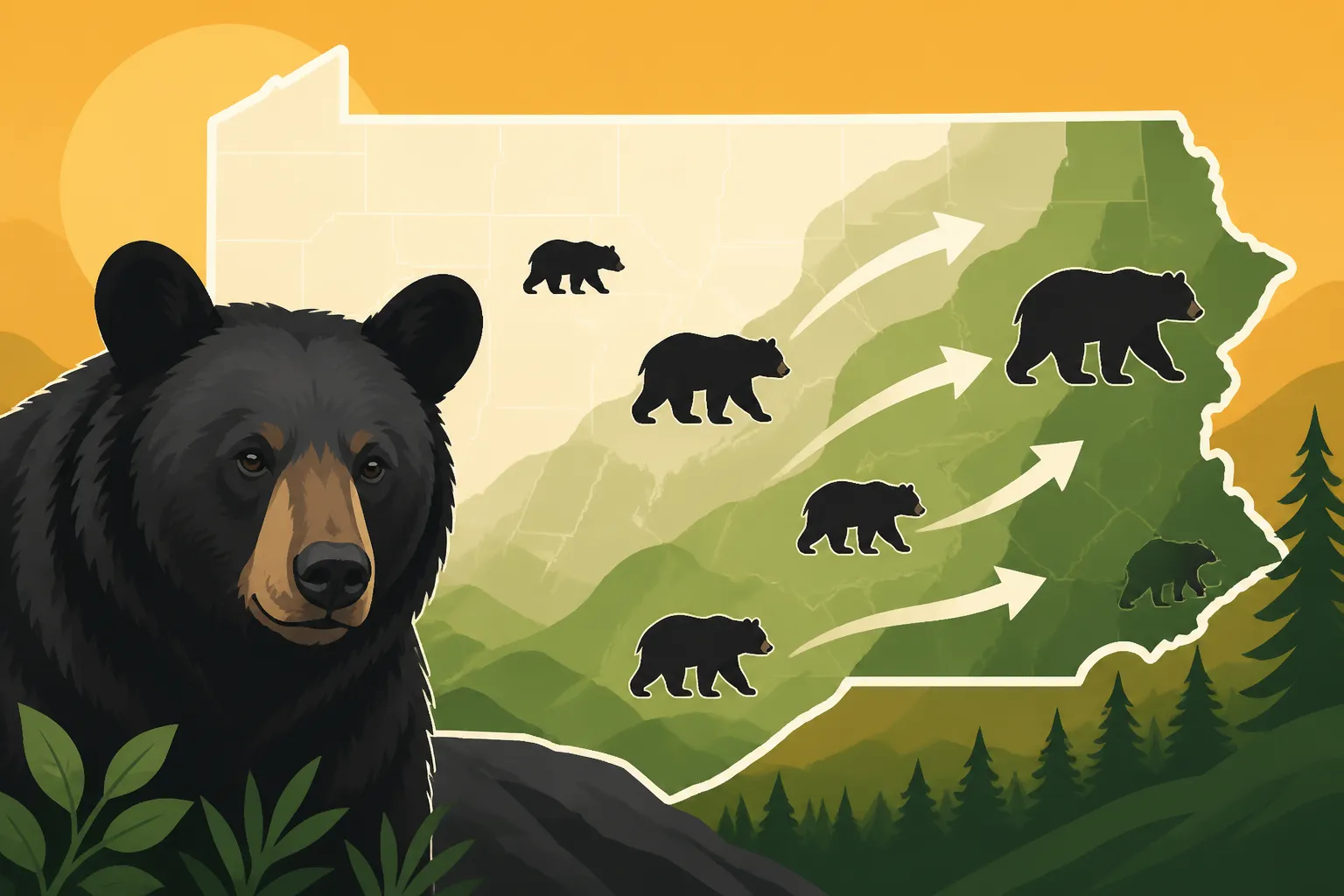
For many long-time Pennsylvanians, seeing a black bear was once a rare, almost mythical event, largely confined to the deep woods of the northern tier or the central mountains. But if you've been noticing more bear sightings in places like York, Lancaster, or even Chester County, you're not imagining things. Black bears are indeed expanding their range across southern Pennsylvania, bringing both excitement and challenges to new communities and hunters alike. This guide will delve into the fascinating journey of how these magnificent animals are reclaiming and establishing new territories, exploring the reasons behind their successful expansion and what it means for everyone sharing this evolving landscape.
From Mountain Strongholds to Suburban Edges: A Historical Perspective
It’s easy to forget that at one point, Pennsylvania’s black bear population was quite fragile. Decades ago, bears were largely pushed into the most remote, rugged, and densely forested regions of the state, primarily in the north-central and northeastern counties. Think of places like the vast Sproul State Forest or the wilderness areas of Potter and Tioga counties—these were the traditional strongholds, the last bastions where bears could thrive away from extensive human development. Their numbers were lower, and their range was significantly restricted compared to what we see today.
Early European settlement and the subsequent unchecked logging practices stripped vast tracts of Pennsylvania of its mature forests, which was devastating for a species reliant on dense cover and diverse food sources. Compounding this, historical hunting pressure, often unregulated, further suppressed bear numbers. For generations, the idea of a bear in the farmlands of southeastern Pennsylvania was almost unthinkable. They were truly creatures of the "big woods," a wild frontier that felt miles away from the more populated, agricultural regions. Understanding this historical context is crucial to appreciating just how remarkable their current expansion into southern Pennsylvania truly is.
The Recipe for Expansion: Why Bears Moved South
The movement of black bears into southern Pennsylvania isn't some random phenomenon; it's a fascinating ecological success story, driven by a combination of evolving landscapes, changing human attitudes, and effective wildlife management. It’s a testament to the adaptability of these animals and the resilience of Pennsylvania's natural spaces.
Reforestation and Habitat Recovery
One of the biggest unsung heroes in the story of bear expansion is the widespread reforestation that has occurred across Pennsylvania over the last century. As farming practices shifted and many small, unproductive farms were abandoned, forests slowly began to reclaim the land. These returning woodlands provided crucial cover, denning sites, and travel corridors that were once absent. While these reforested areas in southern Pennsylvania might not be the pristine "big woods" of the north, they offer sufficient habitat patches for bears to move through and establish territories. These regenerating forests provide a buffer from human activity, even if it's just a narrow band along a creek or a woodlot nestled between fields. This patchwork of green is a significant improvement over the barren landscapes of yesteryear.
Changing Agricultural Landscapes and Food Abundance
Southern Pennsylvania is renowned for its rich agricultural lands, and while farming might seem at odds with bear habitat, modern practices sometimes inadvertently create prime feeding opportunities. Cornfields, in particular, offer a significant late-summer and fall food source. Bears will readily raid cornfields, consuming vast quantities of energy-rich kernels. Beyond corn, many southern areas also feature orchards, berry patches, and suburban landscaping with fruit trees, bird feeders, and even unsecured trash. These human-associated food sources, while problematic from a wildlife management perspective, undeniably provide readily available calories, allowing bears to sustain themselves and even thrive in areas where natural forage might be scarcer or less diverse. A tool like GoHunt can be invaluable for hunters or wildlife watchers trying to pinpoint areas with known food sources or prime habitat.
Public Tolerance and Wildlife Management
Another critical factor is the shifting public perception and robust wildlife management by the Pennsylvania Game Commission (PGC). Historically, bears were often viewed as pests or dangerous nuisances, leading to widespread persecution. Today, while conflicts certainly arise, there's a greater understanding and appreciation for wildlife. The PGC's management strategies, including regulated hunting seasons and public education campaigns, have been instrumental. They've allowed the bear population to grow significantly while also managing human-bear interactions. The expansion isn't just bears walking south; it’s bears finding areas where they can persist due to reduced direct human threats and an ample supply of resources, natural or otherwise. This management, coupled with a general increase in public tolerance (albeit sometimes begrudgingly), provides the social space for bears to move into new territories.
Adapting to a New Reality: Bears in Your Backyard
The growing presence of black bears in southern Pennsylvania has far-reaching implications, not just for the bears themselves, but for residents, landowners, and hunters. It requires a shift in mindset and a proactive approach to coexistence.
Coexistence for Residents and Landowners
For residents, the primary concern is often safety and property damage. An increase in bear sightings means everyone needs to learn how to live responsibly alongside these large animals. Securing trash, removing bird feeders during bear season, storing pet food indoors, and cleaning outdoor grills are no longer just "good ideas" in bear country; they are essential practices in any area where bears are present. Bear Encounters Around Pennsylvania Homes are becoming more common, and understanding how to minimize attractants is the first line of defense. Ignoring these simple steps can lead to nuisance bears that become habituated to human food, increasing the risk of conflict for both bears and people.
Landowners, especially those with agricultural interests, might face crop damage. The PGC often works with landowners to mitigate these issues, but it highlights a new set of challenges that weren't prevalent in these regions decades ago. Education is key, and the PGC provides excellent resources on how to avoid attracting bears and what to do if you encounter one.
New Opportunities for Hunters
For Pennsylvania hunters, this southward spread represents an exciting new frontier. While traditional bear hunting areas like those covered in Pennsylvania Black Bear Hunting still offer incredible experiences, southern WMUs (Wildlife Management Units) that once had very few bears are now seeing healthy, expanding populations. This means more opportunities, potentially closer to home for many, and a chance to experience bear hunting in different types of terrain, from small woodlots to farm country edges.
However, hunting bears in these new areas often requires different tactics than those employed in the vast, remote forests. Bears in southern, more developed areas can be highly nocturnal and extremely wary of human activity. Scouting is paramount. Using mapping tools like GoHunt can help you identify secluded pockets of cover, potential travel corridors, and available food sources such as acorn flats or cornfields. Knowing Hunting Pennsylvania Bear on Acorns or understanding Finding Bear Sign in Mountain Laurel becomes even more critical when looking for these elusive animals in less traditional habitats.
The table below summarizes the key drivers of bear expansion into southern Pennsylvania:
| Factor | Description | Impact on Bear Spread |
|---|---|---|
| Reforestation | Abandonment of farms and natural succession leading to increased forest cover. | Provides crucial cover, denning sites, and travel corridors, allowing bears to move and hide. |
| Food Abundance | Availability of natural foods (acorns, berries) coupled with agricultural crops and human-sourced foods. | Supports higher bear densities and enables bears to survive and reproduce in diverse environments. |
| Public Tolerance | Increased public understanding and acceptance of bears, alongside education on coexistence. | Reduces human-caused mortality and harassment, creating a more welcoming social landscape for bears. |
| Wildlife Management | Effective management strategies by the Pennsylvania Game Commission. | Regulated hunting maintains healthy populations, while monitoring and education support sustainable growth. |
| Reduced Persecution | Less direct human persecution compared to historical levels. | Allows bears to establish themselves in new areas without constant threat from humans. |
The Future of Bears in Southern Pennsylvania
The expansion of black bears into southern Pennsylvania appears to be a continuing trend. With continued reforestation, a plentiful food supply (both natural and human-derived), and ongoing wildlife management, it's reasonable to expect bears to solidify their presence and potentially move into even more suburban and agricultural landscapes. This doesn’t mean bears will be everywhere, but rather that their range will continue to include areas that were once considered entirely bear-free.
This ongoing expansion will undoubtedly bring both positive and negative aspects. On the one hand, it signifies a healthy, thriving bear population, a testament to conservation efforts. For hunters, it means more opportunities, potentially reducing pressure in traditional northern strongholds. Make sure you check the specific regulations for your WMU, as Pennsylvania Bear Seasons and Licences can vary, and some areas have Extended Bear Seasons by WMU due to increased populations. Understanding these regulations, including Pennsylvania Hunter Orange Rules during bear seasons, is vital for a safe and successful hunt.
On the other hand, it will require constant adaptation from human communities. Education about bear-safe practices will become even more critical, and managing human-bear conflicts will remain a significant challenge for wildlife agencies. As bears inhabit areas with higher human densities, the need for vigilance regarding attractants and prompt reporting of problem bears will only grow. Ultimately, the story of how bears spread across southern Pennsylvania is one of ecological recovery and ongoing adaptation, reminding us that even in a developed state like Pennsylvania, nature always finds a way.
For anyone seeing bears in new places, it's a good time to review how to properly handle a harvest. If you are lucky enough to fill a tag, remember tips for Handling Bear Meat Safely to ensure a quality meal. And if you ever encounter a bear that appears sick or injured, it's important to know the steps for Reporting a Sick Animal in Pennsylvania to help the PGC monitor wildlife health.
Disclaimer
This article is for general informational purposes only and does not constitute professional advice. Laws, prices and regulations vary by location and change over time. Consult a qualified professional for guidance on your specific situation.