Which Counties Hold Pennsylvania Elk
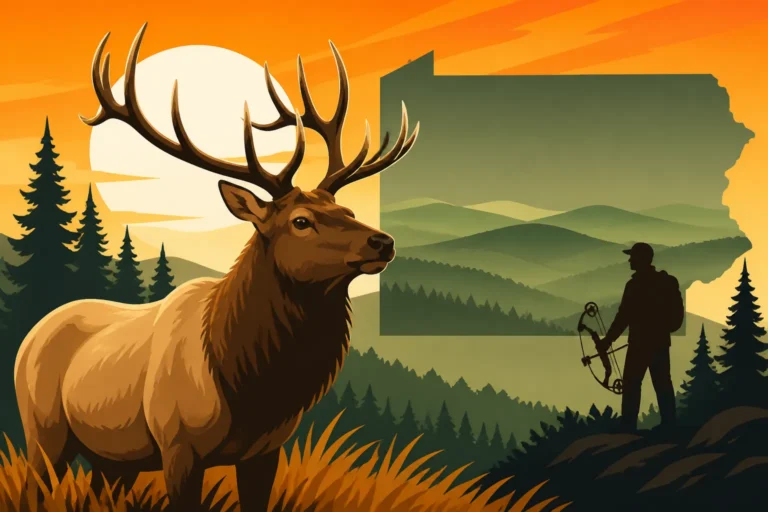
Oh, the Pennsylvania elk! Just the thought of these magnificent creatures roaming our mountains sends shivers down a hunter's spine, doesn't it? For many of us, the dream of even seeing one, let alone drawing a tag, feels like hitting the lottery. But before you can dream of glassing a bull from a ridge, you've got to know where to even begin looking. It's easy to feel overwhelmed by the sheer size of the "Pennsylvania Wilds," but don't worry, this guide is here to break down exactly which counties are home to Pennsylvania's incredible elk herd, and how their range continues to evolve.
The Heart of Pennsylvania's Elk Country
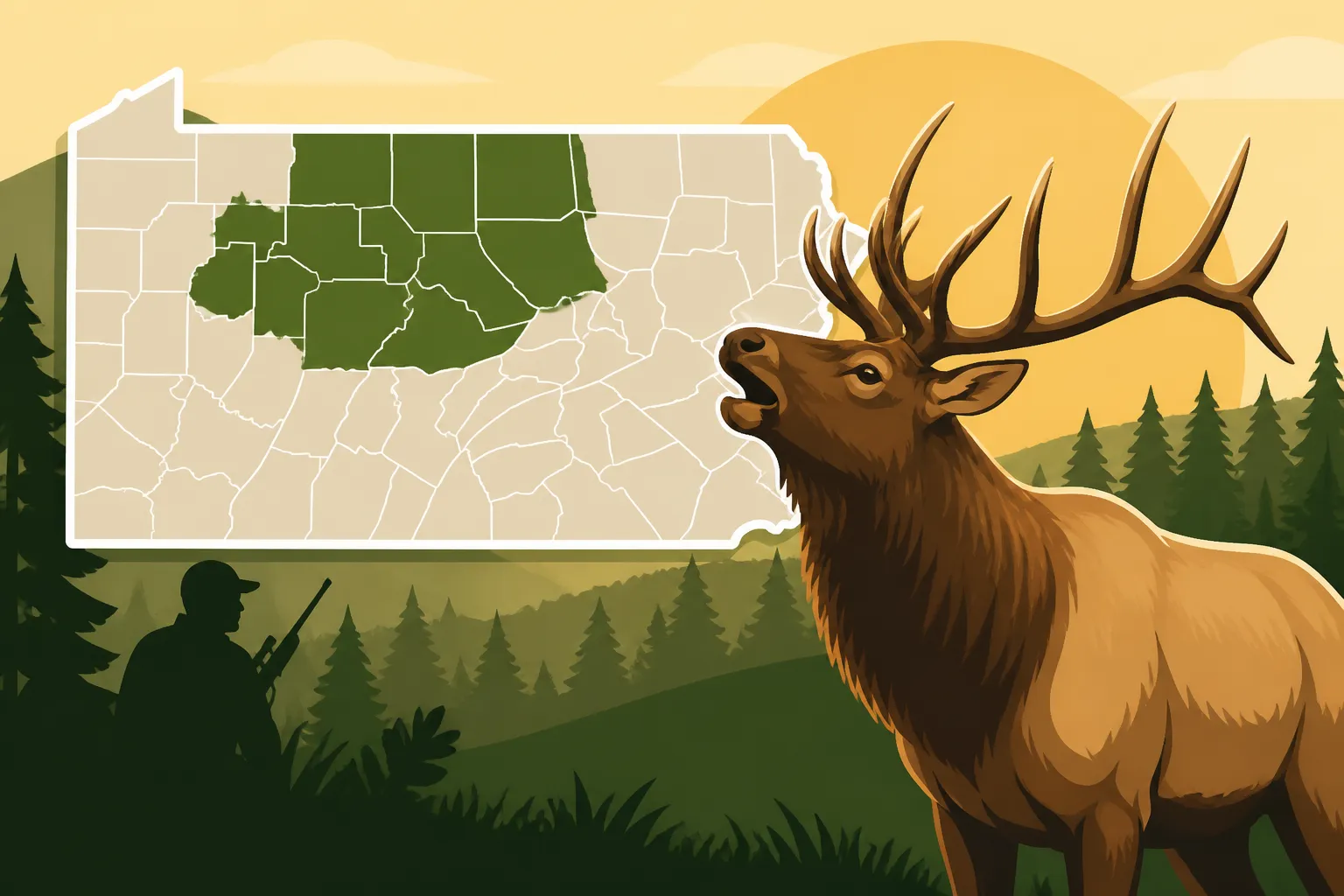
When anyone mentions Pennsylvania elk, a few specific counties immediately come to mind. These are the historical strongholds, the places where the restoration efforts truly took root, and where your chances of encountering these majestic animals are highest. This is the heart of the "Pennsylvania Wilds," a vast expanse of rugged terrain, dense forests, and remote valleys that provide the perfect habitat for our largest land mammals.
Cameron County: A Core Stronghold
If you're talking elk in Pennsylvania, you absolutely have to start with Cameron County. This is ground zero for the modern elk herd, a place synonymous with big bulls and breathtaking encounters. The county's rugged landscape, dominated by state forest land and game lands, offers everything an elk needs: vast stretches of mature timber for cover, secluded valleys with water, and pockets of browse and forage.
Think about the Sinnemahoning State Park area, or the expansive Sproul State Forest that spills into its borders. These areas aren't just scenic; they're biologically rich, providing critical winter feeding grounds and calving areas. For anyone looking to understand Elk in the Pennsylvania Wilds, Cameron County represents the quintessential experience. It's a place where you can drive for miles and feel truly isolated, surrounded by the wildness that the elk thrive in. The population here is well-established, and while they might be spread out, their presence is undeniable, leaving behind unmistakable sign wherever they roam.
Elk County: Where the Name Says It All
It's no coincidence that Elk County bears the name of the very animal it hosts. This county, much like its neighbor Cameron, is a primary residence for the herd. Encompassing significant portions of the Allegheny National Forest and various state game lands, Elk County offers an equally impressive array of habitats. The terrain here can be brutal – steep, thick, and unforgiving – which is exactly what makes it so attractive to elk seeking refuge from human disturbance.
Areas around Benezette, for example, have become famous for elk viewing, especially during the fall rut. But beyond the viewing areas, the vast tracts of public land, including parts of the Allegheny National Forest Hunting grounds, hide countless elk. Hunters and wildlife enthusiasts alike flock here, hoping for a glimpse or even a chance at a tag. The dense timber and remote draws provide ideal bedding cover, while clearcuts and regenerating forest areas offer essential browse. It's in these remote pockets that you'll truly appreciate the wild nature of the herd, far from the viewing crowds.
McKean County: Northern Reach of the Range
Venturing further north, McKean County forms another crucial part of Pennsylvania's core elk range. Sharing a border with New York, this county extends the vast, unbroken forests that define elk country. The topography here is similar: rolling mountains, deep valleys, and substantial public land holdings that ensure ample space for elk to roam.
Consider the areas surrounding the Allegheny National Forest in McKean, or the pockets of state game lands. These areas are characterized by vast stands of hardwoods and mixed forests, interspersed with small clearings and creek bottoms. Elk often utilize these transitional zones, moving between dense bedding cover and foraging areas. While perhaps not as densely populated with elk as parts of Cameron or Elk counties, McKean offers significant opportunities, especially for those willing to venture into less-pressured areas. It's part of what makes the general region referred to as the Pennsylvania Wilds so special for those seeking a true wilderness experience.
Expanding Horizons: Where Elk are Spreading Their Hooves
While the core counties remain the best bet, Pennsylvania's elk herd has been successfully expanding its footprint. This expansion isn't just a testament to smart wildlife management; it's a natural consequence of a healthy and growing population finding new, suitable habitats. These peripheral counties might not host elk in the same densities, but they certainly offer exciting possibilities for future generations of hunters and wildlife watchers.
Forest County: A Western Extension
To the west of the traditional elk strongholds, Forest County has seen an increasing presence of elk. This county is already known for its extensive timberland, being part of the Allegheny National Forest. As elk numbers have grown, and as younger bulls in particular strike out to find new territories and cows, Forest County provides an ideal corridor for expansion.
The landscape here is very much "big woods" country, with plenty of remote tracts that offer security. While you might not find huge herds, individual elk or small groups are certainly making their way into this region. They utilize the same types of habitat: dense forest for cover, river bottoms, and logging roads for travel. For a hunter exploring the western edge of the elk range, knowing How Many Elk Pennsylvania Has and their general tendencies to spread out is crucial. Keep an eye out for fresh tracks, rub lines on small saplings, and droppings – all signs that elk are in the vicinity, even if not in traditional numbers.
Clearfield County: Southern Migration
South of the core, Clearfield County represents another area where elk are increasingly establishing a presence. This expansion often follows river drainages and large blocks of contiguous forest, providing a natural pathway for migration. Clearfield offers a mix of state forest and state game lands, particularly in its northern reaches that connect to Elk and Cameron counties.
The topography here can be quite rugged, with deep ravines and thick regrowth that are perfect for elk to hide. While not as consistently populated as the core, Clearfield is definitely on the radar for many who follow elk movements. Hunters exploring Hunting Pennsylvania's Big Woods for Deer in Clearfield might be surprised to find elk sign alongside deer. The opportunities here are growing, and with continued habitat improvements and population stability, Clearfield could become an even more significant part of the elk story in the years to come.
Potter County: Northeast Exploration
Often referred to as the "Black Forest" of Pennsylvania, Potter County is a vast, wild expanse to the northeast of the primary elk range. It's famous for its dark skies and expansive state forest lands, making it a natural fit for expanding elk populations. While not historically a core elk county, sightings have become more frequent, especially in areas bordering McKean County.
The sheer amount of public land in Potter, including portions of Susquehannock State Forest, provides ample room for elk to roam. These pioneering elk are often bulls venturing farther afield during the rut, or cows seeking less-pressured calving grounds. Hunting in Potter County often means navigating rugged, steep terrain, but for those who put in the effort, the reward could be an encounter with Pennsylvania's largest cervid. It's a reminder that wildlife isn't static; it's always shifting, adapting, and expanding.
Understanding Elk Distribution and Movement Patterns
Knowing which counties hold elk is just the first step. To truly understand where to look, whether you're scouting for a potential hunt or just hoping to observe, you need to grasp why they are where they are and how they move throughout their range. Elk aren't just randomly distributed; their presence is dictated by a complex interplay of habitat, food, water, and security.
Habitat Preferences: Food, Cover, and Water
Elk, much like deer, are creatures of habit and necessity. They need three core things to thrive: food, cover, and water. In Pennsylvania's elk country, these elements are abundant. Food sources include tender grasses, forbs, acorns (especially critical during fall), and browse from regenerating forest cuts. Access to clean water, often found in mountain streams and secluded springs, is also vital.
Cover is arguably the most important, particularly in a landscape shared with humans. Elk seek out dense, mature timber for bedding and security, often on steep hillsides or in remote hollows. They'll move between these thickets and more open areas where forage is plentiful. Understanding Wind and Thermals on a Ridge is crucial when considering how elk navigate these landscapes, as they use them to detect threats and conserve energy. They will always seek the path of least resistance and the safest route.
Seasonal Movements and Rut Activity
Elk movements aren't static; they shift throughout the year. In spring, cows seek secluded areas for calving. Summer sees them feeding heavily, building up reserves. But it's in the fall, particularly during the rut, that elk become most active and vocal. This is when bulls bugle, challenging rivals and attracting cows, leading to increased movement and visibility.
During the rut, elk may temporarily expand their range, and bulls might push into areas they typically wouldn't inhabit, driven by the urge to breed. This is why you sometimes hear of unexpected elk sightings far from the core areas. After the rut, they often return to more traditional wintering grounds, which provide crucial forage and shelter from deep snow and harsh winds. Keeping an eye on the calendar and knowing When Pennsylvania Elk Bugle can significantly enhance your chances of an encounter.
Impact of Population Growth and Management
The expansion of elk into new counties is a direct result of the success of Pennsylvania's elk restoration and management programs. How Elk Were Restored to Pennsylvania is a remarkable conservation story, and it continues today through careful population monitoring and habitat work. As the herd grows, it naturally disperses, seeking out new available niches.
The Game Commission's careful allocation of Pennsylvania Elk Licence Application opportunities also plays a role in managing herd distribution and mitigating potential conflicts with landowners, particularly in agricultural areas. It’s a delicate balance, ensuring a thriving wild population while managing its impact on human communities and natural resources.
Practical Tips for Scouting Pennsylvania Elk Country
Whether you're holding a coveted elk tag or simply dreaming of future possibilities, scouting is an essential part of the experience. Finding elk in these vast, rugged landscapes requires preparation, patience, and the right tools.
Utilizing Mapping Tools for Elk Habitat
In today's world, digital mapping tools are indispensable for scouting. Platforms like GoHunt, with its detailed satellite imagery, topographic maps, and public/private land overlays, can be a game-changer. Before you even set foot in the woods, you can use GoHunt to identify potential elk habitat: dense bedding areas on north-facing slopes, historical clearcuts or food plots that offer forage, and pinch points where terrain funnels animals.
Combine this with the Pennsylvania Mapping Center for official state game lands and forest maps. Look for access roads, hiking trails that might provide entry to remote areas, and areas with little road density, which often correlate with higher animal security. These digital tools allow you to develop a strategic plan, marking potential water sources, escape routes, and feeding locations, giving you a real advantage in covering the vast Public Land Inside Pennsylvania Elk Country.
Identifying Elk Sign on the Ground
Once you're actually in the woods, it's all about reading the landscape. Elk are big animals, and they leave big sign! Look for:
- Tracks: Much larger than deer tracks, typically measuring 4-5 inches long. Fresh tracks in mud or snow are a definite indicator.
- Droppings: Again, significantly larger than deer pellets, often resembling small piles or patties, depending on their diet.
- Rubs and Scrapes: Bulls will rub their antlers on trees, often much larger saplings or small trees than a deer would use, leaving behind shredded bark. While elk don't make traditional scrapes like deer, they might paw at the ground during the rut.
- Wallows: Bulls will create muddy depressions by pawing and rolling in the dirt, particularly during the rut. These are often saturated with their scent.
- Trails: Elk create distinct, well-worn trails, especially between bedding and feeding areas. These will be wider and more defined than deer trails.
Pay close attention to these clues, especially when exploring the more remote parts of the Pennsylvania Elk Hunt Zones. The more sign you find, the closer you are to potentially spotting these elusive animals.
Respecting Wildlife and Landowners
Elk country is wild country, and it's essential to approach it with respect. Always be mindful of other users, whether they're hikers, campers, or fellow hunters. If you're on or near private land, make sure you have permission to be there. Most of the prime elk areas are within state forests and game lands, offering excellent public access, but it's always good to be certain of your location.
When observing elk, maintain a respectful distance. Use your binoculars or spotting scope, like those often reviewed by sources similar to GoHunt's gear section, to get a closer look without disturbing them. Remember that these animals are wild, and their well-being depends on minimal human interference. Your thoughtful approach helps ensure that Pennsylvania's elk herd continues to thrive for generations to come, creating those once-in-a-lifetime memories for all of us who cherish our outdoor heritage.
Elk-Holding Counties in Pennsylvania: A Summary
For those visual learners among us, here's a quick rundown of the primary and secondary elk-holding counties in Pennsylvania. This table is a great starting point for anyone planning a scouting trip or simply curious about the distribution of our magnificent elk herd.
| County | Status in Elk Range | Key Characteristics | Best Bet For |
|---|---|---|---|
| Cameron | Core Elk Stronghold | Rugged, vast public lands, dense forests, historical restoration area. | Consistent sightings, higher population density. |
| Elk | Core Elk Stronghold | Home to Benezette viewing area, extensive public and national forest land, steep terrain. | Viewing, hunting opportunities, famous for rut. |
| McKean | Core Elk Range (Northern) | Large tracts of forest, part of Allegheny National Forest, borders New York. | Expansion opportunities, consistent population. |
| Forest | Expanding Range (Western) | Primarily Allegheny National Forest land, dense timber, remote. | Encountering dispersing animals, good habitat. |
| Clearfield | Expanding Range (Southern) | Mix of state forest/game lands, rugged, northern sections connect to core. | Growing presence, good for adventurous scouting. |
| Potter | Expanding Range (Northeast) | Vast state forest land (Black Forest), high elevation, remote. | Occasional sightings of dispersing elk, wild feel. |
The Pennsylvania elk herd is a true success story, and its continued health and expansion are something all Pennsylvanians can be proud of. Knowing where these incredible animals live is the first step in appreciating them, and who knows, maybe even drawing that once-in-a-lifetime tag someday.
Disclaimer
This article is for general informational purposes only and does not constitute professional advice. Laws, prices and regulations vary by location and change over time. Consult a qualified professional for guidance on your specific situation.